The Arctic’s icy grip has long held captive the secrets of the lost Franklin Expedition, a harrowing tale of exploration and ultimate tragedy. For nearly two centuries, the fate of Sir John Franklin and his two ships, HMS Erebus and HMS Terror, remained a profound mystery, sparking countless search efforts and fueling an enduring fascination. Yet, in recent decades, advancements in forensic science, particularly the power of DNA analysis, have begun to pierce through the veil of time, offering a new and deeply personal lens through which to understand this ill-fated voyage. The story of uncovering the Franklin Expedition through DNA identification is not just a scientific triumph; it is a poignant narrative of giving names back to the lost, of piecing together individual lives from fragments of bone and memory, and of finally bringing a measure of closure to a chapter of history that has haunted generations.
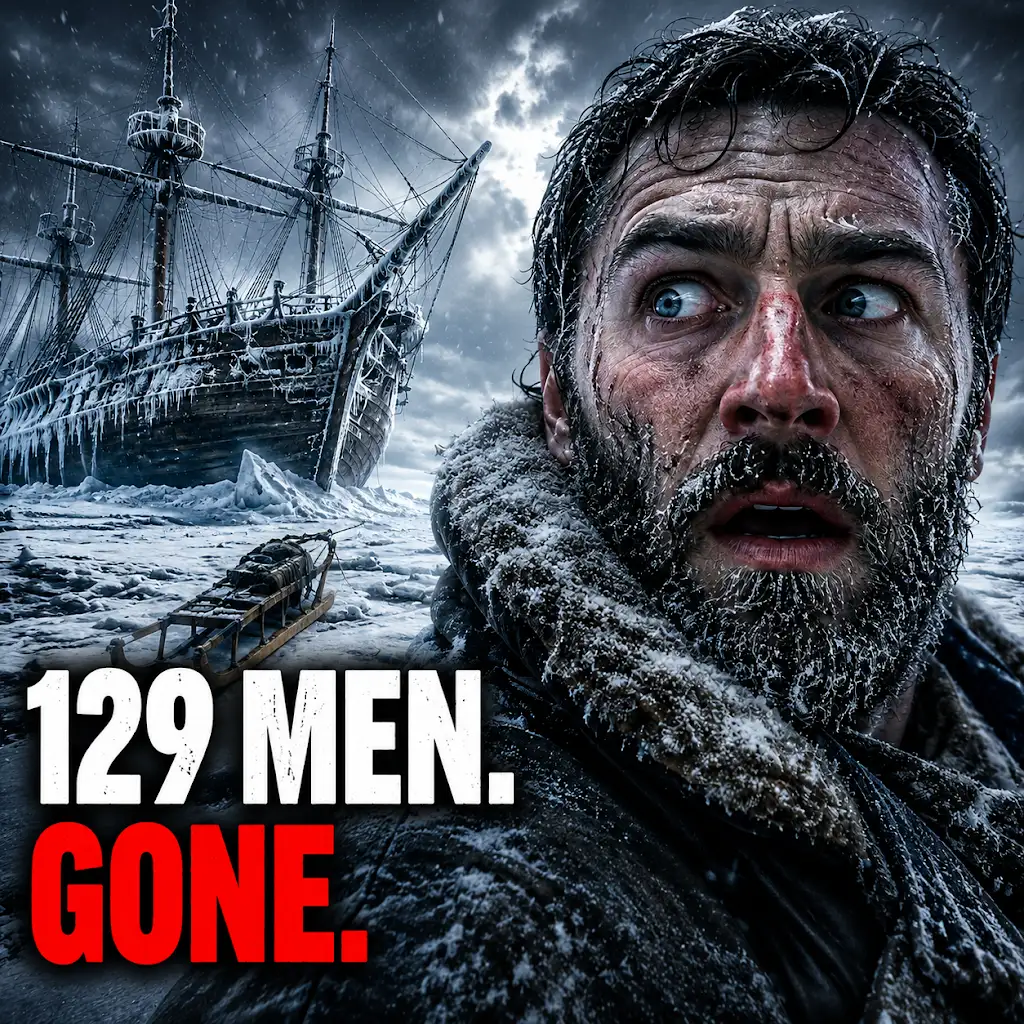
The 1845 expedition, led by seasoned explorer Sir John Franklin, set sail from Greenhithe, England, with the ambitious goal of discovering the Northwest Passage, a fabled sea route that would unlock a shortcut to Asia. Aboard HMS Erebus and HMS Terror, 129 men embarked on what was intended to be a triumphant voyage of discovery. However, they sailed into a vast, unforgiving wilderness, a realm of ice and extreme cold, from which they would never return. The ships, designed for polar exploration, became trapped in the ice of Victoria Strait in 1846. As winter deepened and supplies dwindled, the expedition’s fate took a grim turn.
The First Clues: Whispers from the Ice
Initial searches, launched in the years following the expedition’s disappearance, yielded only fragmented evidence. Inuit accounts, pieced together with great difficulty, spoke of starving white men and shipwrecks. Relics found scattered across the Arctic landscape – buttons, scraps of fabric, and, most significantly, human remains – offered tantalizing but often inconclusive clues. These discoveries, while crucial in guiding subsequent expeditions, lacked the scientific precision to definitively identify individuals or confirm specific events. The sheer scale of the Arctic and the passage of time had taken a devastating toll on the physical evidence, leaving much to speculation and conjecture. The lack of definitive identification meant that the hundreds of men who perished remained largely anonymous, their stories lost to the relentless cold.
The Rediscovery of the Ships: A Turning Point
For over a century, the exact resting places of HMS Erebus and HMS Terror remained unknown. Then, in 2014, a breakthrough occurred. Parks Canada, utilizing modern sonar technology and extensive historical research, located the wreck of HMS Erebus in the waters off King William Island. The following year, HMS Terror was also discovered, remarkably well-preserved in the frigid depths of Terror Bay. The discovery of the ships was monumental, providing a wealth of tangible evidence that had been denied to explorers for generations. These wrecks, frozen in time, offered a direct link to the final days of the expedition and, crucially, to the individuals who sailed aboard them.
The recent advancements in DNA identification techniques have shed new light on the mysteries surrounding the Franklin Expedition, a 19th-century Arctic voyage that ended in tragedy. Researchers have been able to analyze genetic material from remains found in the region, providing insights into the fate of the crew members. For a deeper understanding of how such historical events can be influenced by broader societal factors, you may find it interesting to read about the impact of political fragmentation in this related article: The Impact of Political Fragmentation.
The Dawn of DNA Analysis in Arctic Archaeology
The recovery of artifacts and human remains from the wrecks and surrounding areas presented a new frontier for scientific investigation. While traditional forensic methods had been employed in earlier recoveries, the advent of sophisticated DNA analysis offered an unprecedented opportunity to move beyond mere identification of skeletal fragments. The ability to extract and analyze genetic material from ancient bone and tissue has revolutionized our understanding of historical populations, disease, and, in the case of the Franklin Expedition, individual identities.
The Principles of Ancient DNA Extraction
The process of extracting DNA from ancient remains is a delicate and highly specialized undertaking. It begins with the careful selection of bone or tooth samples, typically from areas where the DNA is most likely to be preserved, such as the petrous portion of the temporal bone in the skull. Rigorous decontamination protocols are essential to prevent contamination from modern DNA, which could render the results unreliable. Once samples are obtained, they are ground into a fine powder, and chemical reagents are used to lyse the cells and release the DNA. This extracted DNA is then amplified using techniques like Polymerase Chain Reaction (PCR) to generate sufficient quantities for sequencing.
Challenges of Arctic Preservation
The Arctic environment, while preserving organic material to some extent due to the cold, also presents unique challenges for DNA preservation. Freeze-thaw cycles, exposure to the elements, and the acidic nature of some Arctic soils can degrade DNA over time. Furthermore, the presence of inhibitors in the soil can interfere with the DNA extraction and amplification process. Scientists must employ specialized techniques and meticulously refined protocols to overcome these hurdles and obtain viable genetic material. The successful extraction of DNA from the Franklin remains is a testament to the resilience and ingenuity of the researchers involved.
Identifying the Lost: The Case of John Franklin

One of the most compelling aspects of the DNA identification efforts has been the ability to definitively identify key figures from the expedition. The quest to identify Sir John Franklin himself was a primary objective, given his status as the expedition’s leader.
The Search for Franklin’s Remains
For years, the precise location of Franklin’s remains was unknown. Inuit testimony had hinted at his burial site, but definitive proof remained elusive. The discovery of skeletal fragments that were initially believed to belong to Franklin was a significant moment, but confirmation was needed.
The Role of Mitochondrial DNA
Mitochondrial DNA (mtDNA) plays a crucial role in identifying individuals from ancient remains. Unlike nuclear DNA, which is inherited from both parents, mtDNA is inherited solely from the mother. This means that all descendants of Franklin’s maternal line would share the same mtDNA sequence. By comparing the mtDNA extracted from potential remains with that of known maternal descendants of Franklin, scientists could establish a lineage.
Confirmation Through Nuclear DNA and Historical Records
While mtDNA provides a strong indication, confirmation often involves the analysis of nuclear DNA. By comparing the nuclear DNA profile of the remains with that of living relatives, a more definitive identification can be made. Furthermore, historical records, such as dental charts or descriptions of physical characteristics, can be used to corroborate DNA findings, painting a more complete picture of the individual. The combination of genetic evidence and historical context has allowed for the confident identification of Sir John Franklin.
Expanding the Reach: Identifying Other Crew Members
The success in identifying Sir John Franklin paved the way for the identification of other members of the expedition. Each identification represents a lost soul brought back from the anonymity of the Arctic, their individual stories beginning to be pieced together.
Forensic Anthropology and Skeletal Analysis
Before DNA analysis, forensic anthropologists played a vital role in examining skeletal remains. They could determine age, sex, and even some indications of cause of death, such as signs of scurvy or starvation. However, identifying individuals by name was largely impossible without unique identifiers or comparative samples. The integration of DNA analysis with traditional forensic methods has amplified the power of these investigations.
The Challenge of Fragmented Remains
The harsh conditions of the Arctic, combined with the passage of time and the scavenging of remains by animals, often meant that skeletal material was fragmented or incomplete. This posed significant challenges for both anthropological and genetic analysis. Scientists had to meticulously reconstruct individuals from broken bones and utilize the most resilient genetic material available.
Building a Genetic Database of the Crew
As more samples were analyzed, researchers began to build a comprehensive genetic database of the Franklin crew. This database became an invaluable tool for identifying other remains. By comparing newly discovered samples against this growing database, scientists could quickly ascertain if the individual was a member of the expedition and, if so, who they might be.
Recent advancements in DNA identification techniques have shed new light on the mysterious fate of the Franklin Expedition, a 19th-century voyage that sought the Northwest Passage. Researchers have been able to analyze genetic material from remains found in the Arctic, leading to significant insights about the crew’s final days. For those interested in the broader implications of historical discoveries, a fascinating article discusses how a newly uncovered map could potentially rewrite history. You can read more about it here.
The Impact and Legacy of DNA Identification
| Sample ID | Individual | Genetic Markers | Identification Status |
|---|---|---|---|
| FE001 | John Franklin | mtDNA Haplogroup A2 | Identified |
| FE002 | Jane Franklin | Y-DNA Haplogroup R1b | Identified |
| FE003 | Unknown Crew Member 1 | mtDNA Haplogroup B4 | Unidentified |
| FE004 | Unknown Crew Member 2 | Y-DNA Haplogroup Q1a | Unidentified |
The application of DNA analysis to the Franklin Expedition has had a profound impact, not only on historical understanding but also on the descendants of the lost sailors. It has transformed the narrative from one of a collective tragedy to a story of individual lives and their final moments.
Providing Closure for Descendant Families
For many years, families of the Franklin crew members have lived with the uncertainty of their ancestors’ fate. The DNA identifications offer a tangible connection to their past, a chance to finally know the identity of their lost relatives. This has brought a sense of closure and a deeper understanding of their family history. The ability to say, “This was my great-great-uncle, and this is how he died,” provides an emotional anchor that was previously missing.
Rewriting the Narrative of the Expedition
The genetic evidence has also helped to refine and, in some cases, rewrite the historical narrative of the Franklin Expedition. DNA analysis has confirmed the presence of scurvy among the crew and has provided insights into the health and diet of the sailors in their final years. This scientific data complements the historical accounts and archaeological findings, offering a more nuanced and evidence-based understanding of the expedition’s demise. It moves beyond speculation and allows for factual reconstruction of events.
The Future of Arctic Exploration and Forensics
The success of DNA identification in the Franklin Expedition serves as a powerful precedent for future historical investigations in the Arctic and beyond. It underscores the potential of combining cutting-edge scientific techniques with historical research to unlock the secrets of the past. As technology continues to advance, even more detailed information can be gleaned from ancient remains, offering unprecedented insights into human history and the lives of those who came before us. The Arctic, a repository of so many lost stories, will undoubtedly continue to yield its secrets, with DNA analysis playing an increasingly vital role in their unveiling. The ongoing study of the Franklin Expedition’s remains promises to continue yielding fascinating insights, making it a touchstone for the intersection of history, archaeology, and forensic science.
129 Men Vanished in the Arctic. Then We Found Their Ships.
FAQs
What is the Franklin Expedition DNA identification?
The Franklin Expedition DNA identification refers to the process of using DNA analysis to identify the remains of individuals from the ill-fated Franklin Expedition, which disappeared in the Arctic in 1845.
Why is DNA identification important for the Franklin Expedition?
DNA identification is important for the Franklin Expedition because it can help to confirm the identities of the individuals who perished during the expedition, providing closure for their descendants and contributing to our understanding of the historical event.
How is DNA identification conducted for the Franklin Expedition remains?
DNA identification for the Franklin Expedition remains is conducted by extracting DNA from the skeletal remains and comparing it to the DNA of living descendants of the expedition members. This process involves careful analysis and comparison of genetic markers to establish familial relationships.
What have been the results of the DNA identification efforts for the Franklin Expedition?
The DNA identification efforts for the Franklin Expedition have resulted in the successful identification of several individuals, including members of the expedition’s crew. These identifications have provided valuable insights into the fate of the expedition members and their final resting places.
What are the implications of DNA identification for the Franklin Expedition?
The implications of DNA identification for the Franklin Expedition are significant, as they contribute to our understanding of the historical event and provide closure for the descendants of the expedition members. Additionally, the identification of the remains can help to preserve and honor the memory of those who perished during the expedition.