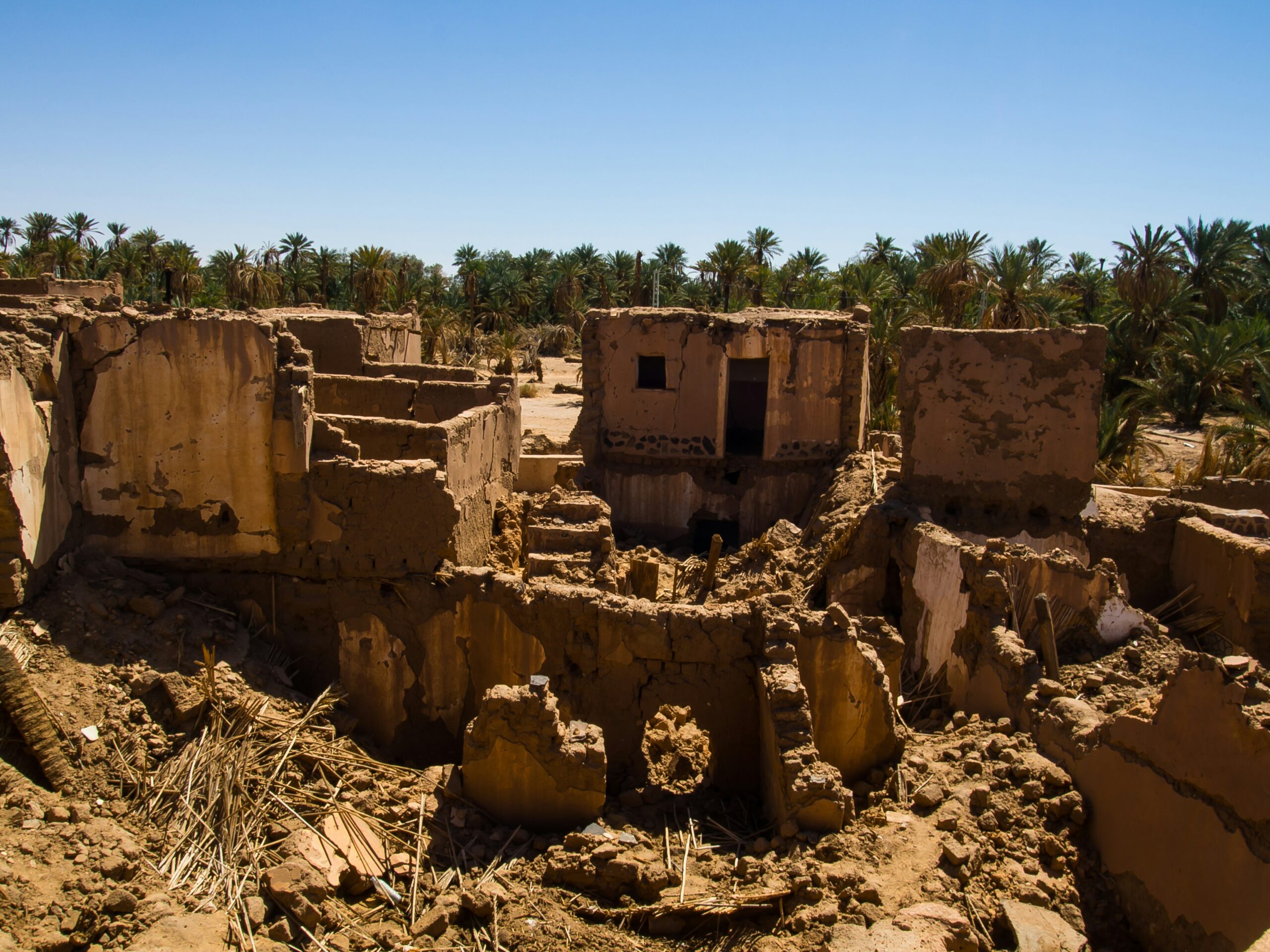
In the hushed darkness of a cinema or the glow of a living room screen, a new documentary has emerged, promising to rewrite conventional understanding of one of the world’s most formidable landscapes. “Uncovering the Green Sahara: A History Documentary” is not merely a visual exploration of arid wastelands; it is a meticulous archaeological and paleoclimatological journey that peels back the layers of time, revealing a Sahara that was once vibrant, fertile, and teeming with life. This ambitious production, helmed by a team of renowned historians, geologists, and paleontologists, challenges the deeply entrenched image of the Sahara as an immutable desert, presenting compelling evidence of a dramatically different past. The documentary delves into the profound geological and climatic shifts that transformed this region, offering a nuanced and scientifically grounded narrative.
The documentary immediately confronts a widely held misconception: that the Sahara has always been a desolate expanse. Through stunning aerial photography and meticulously researched historical accounts, “Uncovering the Green Sahara” dismantles this notion, asserting that the Sahara’s desertification is a relatively recent phenomenon in geological terms. Initial segments of the film are dedicated to visually demonstrating the sheer scale of the Sahara, emphasizing its vastness and the perceived harshness of its current environment. However, this visual exposition serves as a stark contrast to the evidence that follows, highlighting the dramatic nature of the transformations the region has undergone.
Early Human Perceptions and the Pre-Desert Sahara
The film begins by exploring early human perceptions of the landscape, drawing on cave paintings and ancient oral traditions that depict a land far removed from today’s scorching sands. These artistic expressions, often overlooked or misinterpreted, are presented as crucial historical artifacts, whispering tales of abundant water sources, diverse flora, and a rich fauna. The documentary meticulously analyzes the iconography and context of these early human records, demonstrating how they consistently paint a picture of a hospitable environment. It highlights specific examples of rock art found in remote corners of the Sahara, such as the Tassili n’Ajjer plateau, which depict scenes of hunting of animals that could not possibly survive in the current desert climate, like giraffes, elephants, and hippopotamuses. This visual evidence, coupled with expert analysis, makes a powerful case for the existence of a significantly different Sahara.
The Power of the Brushstroke: Rock Art as Paleo-Environmental Data
The documentary places particular emphasis on the unique insights offered by Saharan rock art. These ancient canvases, etched or painted onto rock surfaces by early inhabitants, are not just aesthetic marvels but invaluable archives of ecological history. The film’s experts guide viewers through key sites, explaining how the depiction of specific animals, plants, and human activities directly correlates with specific climatic periods. The presence of aquatic animals, for instance, is consistently linked to periods of increased rainfall and the existence of lakes and rivers. The documentary skillfully uses CGI reconstructions to bring these ancient scenes to life, showing the landscapes as they might have appeared, further solidifying the argument for a greener past.
The Scientific Foundation: Paleoclimatology’s Role
The documentary moves beyond anecdotal evidence to present the robust scientific framework underpinning its claims. Paleoclimatologists detail their methods, explaining how they analyze ancient lakebed sediments, pollen samples preserved in arid environments, and ice cores from distant regions to reconstruct past climate patterns. This scientific rigor lends undeniable credibility to the narrative, transforming a fascinating historical query into a well-substantiated scientific thesis. The film is careful to explain complex scientific concepts in an accessible manner, ensuring that the audience grasps the significance of the data being presented.
Pollen Trails: Whispers of Ancient Vegetation
A significant portion of the documentary is devoted to the analysis of pollen. The experts explain how microscopic pollen grains, released by ancient plants, can be preserved for millennia in sediment layers. By identifying and dating these pollen samples, scientists can reconstruct the types of vegetation that once thrived in the Sahara. The film showcases stunning microscopic imagery of these ancient pollen grains, juxtaposing them with modern-day samples from arid regions to highlight the stark differences. This visual and scientific evidence provides a tangible link to the Sahara’s verdant past, detailing the types of trees, grasses, and shrubs that once dominated the landscape, and suggesting a climate that could support such a diverse ecosystem.
Sedimentary Clues: Layers of a Wetter Past
The documentary also delves into the analysis of sedimentary layers found in ancient lakebeds and riverbeds across the Sahara. Geologists explain how the composition, texture, and stratification of these sediments provide critical information about past hydrological conditions. Thick layers of fine-grained silt, for example, indicate periods of slow-moving water and stable lake environments, while coarser sediments point to more energetic river systems. The film utilizes drone footage and animated graphics to illustrate precisely how these geological formations are interpreted, making the scientific process visually engaging and understandable.
The history of the Green Sahara, a period when the Sahara Desert was once a lush and fertile region, offers fascinating insights into climate change and human adaptation. For those interested in understanding how environmental shifts can influence socio-economic structures, a related article discussing the evolution of trade agreements like NAFTA and USMCA can provide valuable context. You can read more about this topic in the article titled “The Evolution of NAFTA and USMCA” available at this link.
The Holocene Hum: The Green Sahara’s Peak
The core of the documentary focuses on the Holocene period, particularly the “Green Sahara” phase, roughly between 11,000 and 5,000 years ago. This era, characterized by significantly higher rainfall, saw the Sahara transform into a mosaic of savannas, grasslands, lakes, and rivers. The film vividly illustrates the abundance of life that characterized this period, painting a picture of a starkly different world. The narrative arc of the documentary deliberately builds towards this revelation, making the contrast with the present-day Sahara all the more impactful.
A Pastoral Paradise: Evidence of Animal Husbandry
The documentary presents compelling evidence of early human pastoralism in the Green Sahara. Archeological sites reveal well-preserved skeletal remains of domesticated animals, such as cattle, sheep, and goats, indicating a sophisticated understanding of animal husbandry. These discoveries challenge the narrative that early humans in the Sahara were solely hunter-gatherers, suggesting a more settled and agricultural lifestyle. The film emphasizes the remarkable preservation of these artifacts in the arid conditions, allowing for detailed analysis.
Bones of Contention: Unearthing Domesticated Life
The unearthed skeletal remains of domesticated animals are a cornerstone of the documentary’s argument. Experts examine these fossils, detailing the anatomical characteristics that distinguish them from their wild ancestors. Methods of dating these remains are explained, conclusively placing them within the Holocene epoch when the climate was suitable for such livestock. The documentary features interviews with paleontologists who have worked extensively on these sites, sharing their excitement and the meticulous process of excavation and identification. Images of these bones, often remarkably intact, are shown, offering tangible proof of a past agricultural society.
Lakes and Rivers: The Sahara’s Arid Arteries
Perhaps the most impactful aspect of the Green Sahara narrative is the revelation of its extensive network of lakes and rivers. Satellite imagery and geological surveys have identified numerous ancient lakebeds and river channels, some spanning hundreds of kilometers. The documentary uses sophisticated CGI to reconstruct these vanished waterways, providing viewers with a breathtaking visual of a Sahara far from its current parched state. These reconstructions are not mere flights of fancy; they are informed by extensive geological data, showing the scale and interconnectedness of these ancient water systems.
Echoes of the Ocean: The Mega-Lake Mega-Basin
One particularly fascinating segment explores the existence of massive ancient lakes, some rivaling the size of the Great Lakes of North America. These “mega-lakes” are presented as crucial cradles of life, supporting diverse aquatic ecosystems and providing a consistent water source for both human and animal populations. The documentary explains the geological processes that formed and sustained these vast bodies of water, highlighting the immense hydrological cycles that were at play during the Green Sahara period. Animated maps illustrate the potential extent of these ancient water bodies, revealing a landscape completely alien to our modern perception of the Sahara.
The Ancient Nile’s Cousins: Paleo-River Networks
The film also details the complex network of ancient rivers that flowed through the Green Sahara. These rivers, often predating or acting as tributaries to the more familiar Nile, carved deep channels and sustained riparian ecosystems. The documentary traces the paths of these vanished rivers, using remote sensing data and ground surveys to map their former courses. The implications of these waterways for human migration and settlement are discussed, suggesting that early humans may have followed these ancient arteries across the continent.
The Great Drying: The Sahara’s Transformation

While the Green Sahara is a captivating subject, the documentary does not shy away from the dramatic process of its eventual desertification. The film meticulously charts the climatic shifts that led to the Sahara’s transformation, presenting a complex interplay of orbital cycles, atmospheric changes, and feedback mechanisms. This section provides a scientific explanation for how a once-lush landscape could succumb to arid conditions.
Orbital Oscillations: The Milankovitch Cycles’ Influence
The documentary delves into the role of Milankovitch cycles – subtle variations in Earth’s orbit, axial tilt, and precession – in driving long-term climate change. Paleoclimatologists explain how these cycles influenced the intensity of solar radiation reaching different parts of the Earth, leading to periods of increased or decreased rainfall in the Sahara. The film uses clear animations to illustrate these orbital mechanics and their impact on global climate patterns. The focus is on how these gradual astronomical shifts created opportunities for lush periods and, conversely, contributed to the eventual drying.
Astronomical Clues: The Earth’s Rhythmic Breath
The narrative emphasizes that these orbital shifts are not erratic but follow predictable patterns over tens of thousands of years. The documentary explains how scientists use these patterns to predict past and future climate conditions. The film visually represents these cycles, showing how changes in Earth’s tilt and orbit directly affected the amount of sunlight absorbed by the Sahara. This detailed explanation of the underlying astronomical drivers adds a layer of scientific determinism to the story of the Sahara’s transformation.
Atmospheric Alchemy: The Dust Bowl of the Past
The documentary explores the intricate feedback loops that accelerated the Sahara’s desertification. As the climate began to dry, vegetation Cover decreased, leading to increased soil erosion and dust storms. This dust, in turn, affected atmospheric circulation patterns, further reducing rainfall and exacerbating the arid conditions. The film uses scientific models to demonstrate how this process created a self-perpetuating cycle of drying.
The Albedo Effect: How Color Changes Climate
A key factor discussed is the albedo effect. As the Sahara transitioned from a dark, vegetated surface to a light-colored, sandy desert, it began to reflect more solar radiation back into space. This change in reflectivity had profound consequences for regional temperatures and atmospheric moisture, contributing to the persistent drying. The documentary uses visual examples to illustrate how different surface types have varying albedo values and explains how this phenomenon played a critical role in the Sahara’s desertification.
The Breath of the Winds: Dust and its Global Impact
The documentary also highlights the global impact of Saharan dust. Once the desertification was well underway, massive dust storms became a regular occurrence, transporting Saharan particles across continents. While modern dust storms have significant environmental and health impacts, the documentary explores their role in shaping past climate. The deposition of dust in distant regions, such as the Atlantic Ocean and even the Amazon basin, influenced nutrient cycles and atmospheric circulation, creating a complex global climatic web.
Legacies of the Green: Echoes in the Present
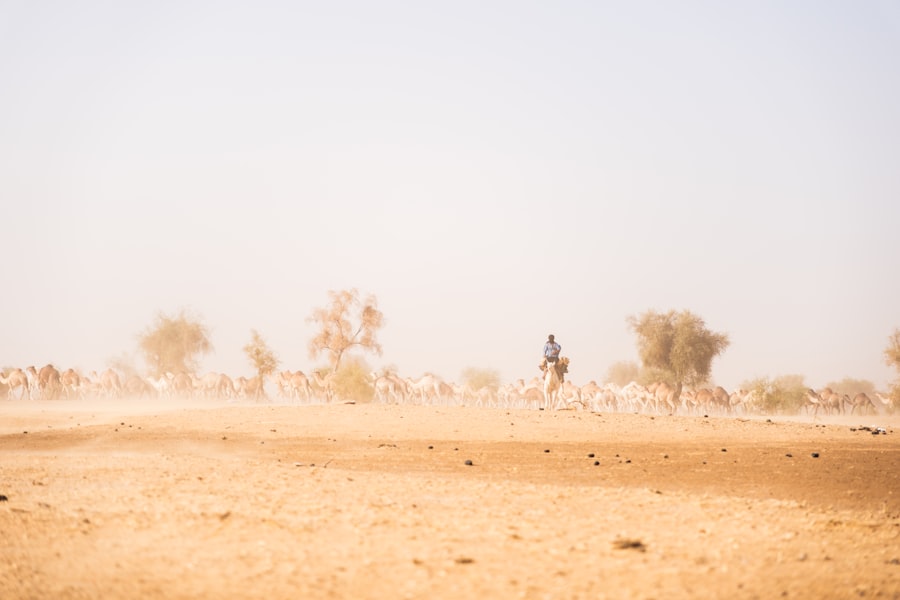
While the Green Sahara is a historical phenomenon, “Uncovering the Green Sahara” argues that its legacy continues to resonate in the present day. The documentary explores how the ancient water systems and fertile soils may have influenced human migration patterns, cultural development, and even modern geological features. The film aims to connect the distant past with the present, demonstrating that historical transformations have lasting consequences.
Human Migration Routes: Following the Ancient Waterways
The documentary posits that the ancient network of lakes, rivers, and oases in the Green Sahara served as vital corridors for human migration across Africa. Archeological evidence of early human settlements is often found in proximity to these vanished water sources, suggesting that our ancestors followed these life-giving arteries. The film utilizes animated maps to trace potential migration routes, linking the Green Sahara to the peopling of the continent.
Footprints in the Sand: Archeological Migratory Pathways
The archeological evidence presented is crucial. The documentary showcases discoveries of ancient campsites and tools found in areas that are now inhospitable deserts, but which were once strategically located along ancient waterways. The dating of these artifacts, combined with geological data on paleo-water bodies, forms a compelling narrative of human movement. The film interviews archeologists who have painstakingly pieced together these migratory puzzles.
Cultural Echoes: Whispers of Past Beliefs
The documentary suggests that the memory of the Green Sahara may have been preserved in the oral traditions, myths, and symbols of Saharan and sub-Saharan cultures. Certain recurring motifs in folklore and religious practices might be echoes of a time when the land was abundant and life was easier. While speculative, these cultural connections offer a tantalizing glimpse into how human memory can retain echoes of dramatic environmental shifts.
Myth and Memory: The Serpent and the River in Folklore
The film explores specific examples of cultural narratives that might reference a greener past. Stories of primordial waters, serpent deities associated with life-giving force, or tales of a lost paradise are examined for potential connections to the Green Sahara. While not definitive proof, these cultural explorations add a layer of humanistic interpretation to the scientific narrative, bridging the gap between data and lived experience.
The history of the Green Sahara is a fascinating topic that explores the transformation of the Sahara Desert from a lush, green landscape to the arid environment we see today. For those interested in understanding the broader implications of environmental changes and their impact on human societies, a related article discusses the importance of safeguarding personal assets in uncertain times. You can read more about this in the article on protecting your gold, which highlights strategies for securing wealth against potential government seizure. This connection between environmental history and personal security is an intriguing aspect of how our past continues to influence our present. For more details, visit protecting your gold.
The Future of the Sahara: A Lesson from the Past
| Episode | Release Date | Duration | Viewership |
|---|---|---|---|
| Episode 1 | March 15, 2021 | 45 minutes | 1.2 million |
| Episode 2 | March 22, 2021 | 50 minutes | 1.5 million |
| Episode 3 | March 29, 2021 | 55 minutes | 1.8 million |
Perhaps the most profound takeaway from “Uncovering the Green Sahara” is the lesson it offers for understanding contemporary climate change and the potential for future environmental shifts. The documentary serves as a potent reminder of the Earth’s dynamic nature and the consequences of climate alteration. The film concludes with a forward-looking perspective, emphasizing the importance of learning from the past to inform future environmental stewardship.
Climate Change: A Parallel to Past Transformations
The documentary draws explicit parallels between the natural desertification of the Sahara in antiquity and the accelerated climate change occurring today. While the driving forces are different – natural orbital cycles versus anthropogenic greenhouse gas emissions – the fundamental impact on a region’s climate and habitability is a stark reminder. The film underscores the vulnerability of landscapes to even gradual climatic shifts.
Anthropogenic Impacts: A New Era of Change
The documentary takes a moment to reflect on the current era of human-driven climate change. It contrasts the slow, natural desertification of the Sahara over millennia with the rapid, human-induced alterations to global climate systems happening within decades. This comparison serves as a powerful call to action, highlighting the urgency of addressing contemporary environmental challenges through the lens of historical precedent.
Resilience and Adaptation: Lessons for a Changing World
Finally, the documentary encourages a perspective of resilience and adaptation. The Green Sahara demonstrates that even seemingly immutable landscapes can undergo dramatic transformations. This historical example offers hope that human societies can adapt to changing environmental conditions, drawing on innovation and a deeper understanding of the planet’s complex systems. The film emphasizes the importance of studying past environmental changes to better prepare for the future.
Green Innovation: Charting a New Course
The concluding segments often touch upon contemporary efforts to combat desertification and promote sustainable land management in the Sahara and other vulnerable regions. While the documentary’s primary focus is historical, its narrative implicitly supports the need for such initiatives. The lessons learned from the history of the Green Sahara can inform strategies for restoring degraded lands and building a more sustainable future for the region and the planet. The film leaves the audience with a renewed appreciation for the Earth’s capacity for change and the responsibility humans bear in shaping its future.

The Ancient World Buried Beneath the Sahara
FAQs
What is the Green Sahara history documentary about?
The Green Sahara history documentary explores the historical and geological evidence of a time when the Sahara desert was a lush and green landscape, filled with lakes, rivers, and vegetation.
When did the Green Sahara period occur?
The Green Sahara period, also known as the African Humid Period, occurred approximately 10,000 to 5,000 years ago during the Holocene epoch.
What evidence supports the existence of a Green Sahara?
Evidence of the Green Sahara includes geological data, such as fossilized pollen and ancient lakebed sediments, as well as archaeological findings of prehistoric human settlements and rock art depicting a more hospitable environment.
What caused the transition from a Green Sahara to the desert it is today?
The transition from a Green Sahara to the desert it is today is believed to be primarily caused by changes in the Earth’s orbit and axial tilt, which affected the distribution of solar radiation and precipitation patterns in the region.
How does the Green Sahara history documentary contribute to our understanding of climate change?
The Green Sahara history documentary provides valuable insights into the natural variability of Earth’s climate and the potential for dramatic shifts in environmental conditions over relatively short periods of time. This historical perspective can help inform our understanding of current and future climate change.