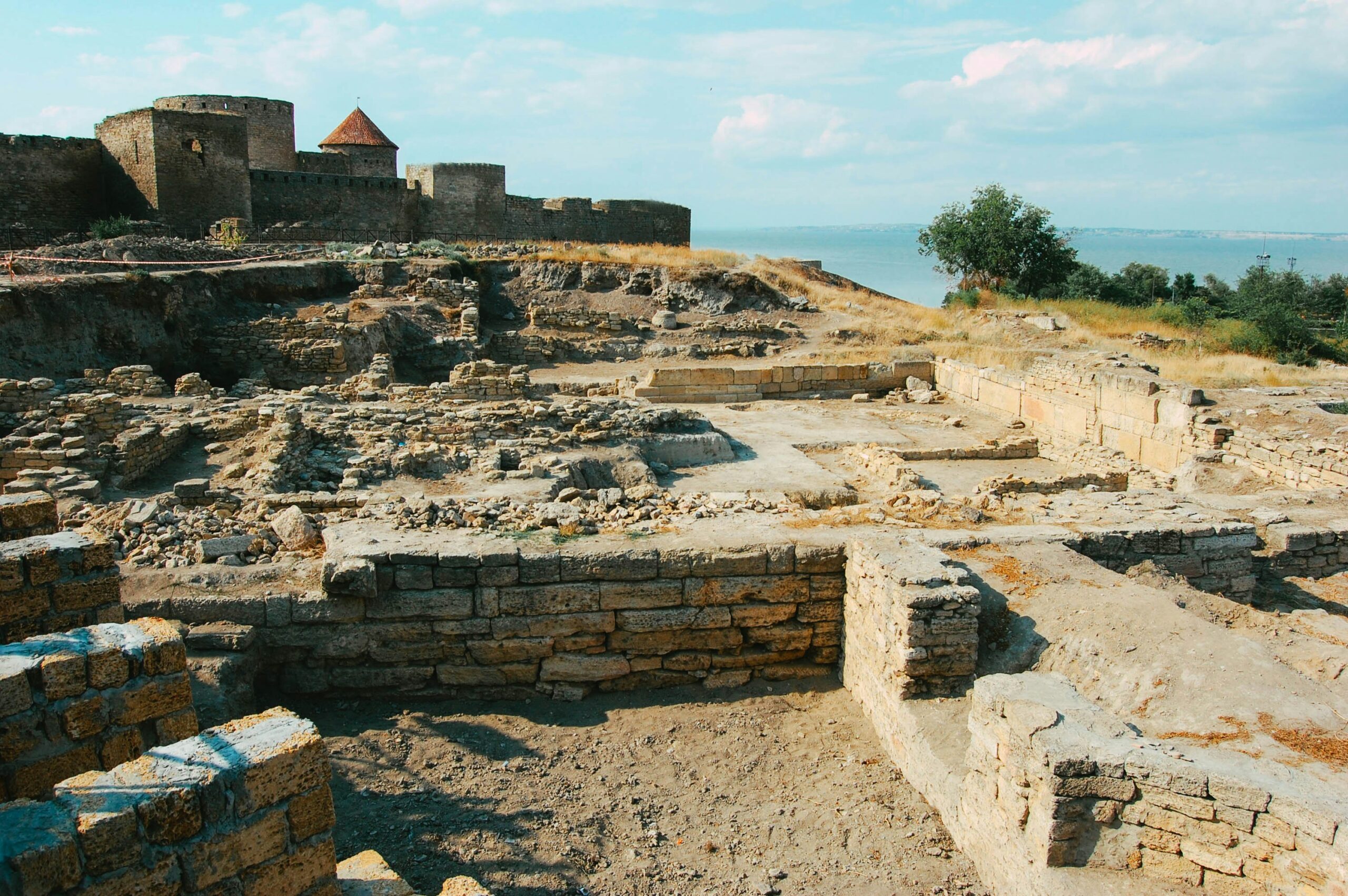
The sands of time have long held the Sahara Desert captive, obscuring its past beneath a vast, ochre blanket. For centuries, the prevailing image has been one of an immutable, arid wasteland, a formidable barrier to human settlement. Yet, beneath this seemingly barren surface, a vibrant and complex history lies waiting to be unearthed. Archaeology, through persistent excavation and innovative analysis, is steadily lifting the veil, revealing a Sahara that was once remarkably green, teeming with life, and home to sophisticated ancient cultures. This ongoing revelation paints a picture of a dramatically different past, one that challenges our preconceived notions and offers profound insights into human adaptation and environmental change.
For millennia, the Sahara has been synonymous with extreme aridity, a landscape of endless dunes and punishing heat. This perception is so deeply ingrained that the idea of a verdant Sahara can seem almost fantastical. However, geological and archaeological evidence unequivocally points to a period, known as the Holocene Wet Phase or the African Humid Period, that began roughly 11,700 years ago and persisted for several thousand years, transforming swathes of what is now the hyperarid Sahara into a mosaic of lakes, rivers, grasslands, and savannas. Understanding the dynamics of this ancient climate shift is crucial to comprehending the archaeological discoveries that have emerged from its erstwhile fertile lands.
The Mechanisms of the Wet Phase: Orbital Forcing and Atmospheric Cycles
The primary driver behind the Green Sahara was a subtle but significant shift in Earth’s orbital parameters, a phenomenon known as Milankovitch cycles. Specifically, the Earth’s tilt and eccentricity caused greater solar insolation (incoming solar radiation) to reach the Northern Hemisphere during the boreal summer. This increased summer insolation amplified the West African Monsoon system, pushing its influence further north than it does today. The intensified monsoon brought significantly more rainfall to the region, leading to the expansion of lakes and rivers, and transforming the desert into a surprisingly habitable environment.
Orbital Mechanics and Insolation Peaks
The Earth’s orbit around the sun is not a perfect circle, and its axis is not perfectly perpendicular to its orbital plane. These variations, over tens of thousands of years, influence the amount of solar energy received by different parts of the planet at different times of the year. During the early to mid-Holocene, a combination of these orbital factors resulted in warmer and wetter summers in North Africa. This period of increased solar energy acted as a powerful catalyst for the dramatic environmental transformation of the Sahara.
The West African Monsoon’s Northern Reach
The West African Monsoon is a seasonal wind system responsible for bringing rain to much of the continent. During the Holocene Wet Phase, this monsoon system was far more vigorous and extended significantly further north, reaching into what is now the central and northern Sahara. The increased moisture carried by these strengthened monsoon winds was the direct cause of the widespread proliferation of surface water and vegetation.
Paleoenvironmental Reconstructions: Lakes and Vegetation Under the Sun
Archaeologists and paleoecologists have painstakingly pieced together the environmental history of the Sahara through various methods, painting a vivid picture of the Holocene Wet Phase. Evidence from ancient lakebeds, pollen analysis, and sedimentary records all collaborate to reveal a landscape vastly different from the one we see today. The presence of numerous ancient lake shores, replete with fossilized fish bones and shells, alongside preserved plant pollens indicating grasslands and trees, are powerful testimonies to this lost world.
Lacustrine Sediments: Windows into Ancient Waters
The study of sediments deposited in ancient lakes offers a direct glimpse into the past hydrological conditions. Core samples extracted from dried-up lakebeds reveal distinct layers that can be analyzed for their mineral composition, organic content, and fossil remains. These analyses can indicate water depth, salinity, and even the types of aquatic life that once thrived there. Numerous archaeological sites are strategically located near these ancient lake basins, a testament to the human attraction to these vital water sources.
Pollen and Phytolith Analysis: Reconstructing Lost Flora
Tiny fossilized pollen grains and phytoliths (silica structures produced by plants) preserved in ancient soils and sediments act as botanical fingerprints. By identifying the types of pollen and phytoliths present, scientists can reconstruct the vegetation that once covered the landscape. The presence of pollen from grasses, sedges, and various tree species in Sahara sediment cores clearly indicates a much greener and more biodiverse environment than currently exists.
The archaeology of the Green Sahara has unveiled fascinating insights into the ancient civilizations that thrived in this once-lush region, highlighting the interplay between climate change and human adaptation. For a deeper understanding of how ancient societies managed their environments, you can explore the article on sophisticated techniques for environmental regulation in ancient times, which can be found here: Mastering Ancient Climate Control. This resource provides valuable context for how early peoples navigated the challenges posed by shifting climates, particularly in the Sahara.
Footprints in the Dust: Early Human Habitation and Adaptation
The promise of water and abundant resources drew early human populations to the Sahara during its green epochs. Archaeological excavations across the vast desert have unearthed compelling evidence of settlements, tool use, and artistic expression, all bearing witness to a dynamic human presence. These discoveries are not merely records of survival; they highlight ingenious adaptation strategies and a deep connection with a dynamic environment.
The “Neolithic Revolution” in the Sahara: Sedentary Lifestyles and Pastoralism
While the Neolithic Revolution in the Fertile Crescent is often discussed in terms of agriculture, the Sahara experienced its own unique form of “Neolithic Revolution,” characterized by the development of sophisticated hunter-gatherer societies and the early adoption of pastoralism. The abundance of wild resources, coupled with the availability of water, allowed for more settled lifestyles and the management of herds, laying the groundwork for more complex social structures.
Hunter-Gatherer Societies: Exploiting a Rich Ecosystem
Before the widespread adoption of herding, early Saharan populations were adept hunter-gatherers, skillfully exploiting the rich array of fauna and flora available to them. Archaeological sites have yielded a wealth of stone tools, including finely crafted arrowheads, scrapers, and grinding stones, indicating a sophisticated understanding of their environment and the technologies needed to subsist within it. The remains of wild animals, such as various antelopes, gazelles, and even hippos where water sources were abundant, found at these sites corroborate this.
The Dawn of Pastoralism: Cattle Herders of the Sahara
Perhaps one of the most significant archaeological revelations from the Green Sahara is the evidence for early cattle domestication and herding. Rock art and archaeological finds from sites like Nabta Playa in Egypt and the Tassili n’Ajjer plateau in Algeria depict scenes of people tending to large herds of cattle, often long-horned breeds. This suggests a shift from opportunistic hunting to the deliberate management of livestock, a crucial step towards more sustainable resource utilization.
Ancient Settlements: Villages by the Lakeshores
The shores of ancient Saharan lakes, now dry and desolate, were once vibrant centers of human activity. Archaeological excavations have revealed the remains of settlements, ranging from temporary encampments to more permanent villages. These sites often contain hearths, refuse pits, and evidence of dwellings, providing insights into the daily lives of the people who inhabited them. The proximity of these settlements to water sources underscores the critical role water played in enabling human presence.
Nabta Playa: A Neolithic Hub in the Southern Sahara
Nabta Playa, located in the Southern Egyptian Sahara, is one of the most important archaeological sites attesting to the Neolithic occupation of the region. Evidence suggests a settlement that existed for thousands of years, starting around 8,000 years ago. The site features megalithic structures, including stone circles and alignments, indicating a sophisticated understanding of astronomy and possibly a ritualistic significance. The presence of wells and grinding stones further points to a settled lifestyle centered around resource management.
The Central Saharan Plateaus: Rock Art and Nomadic Routes
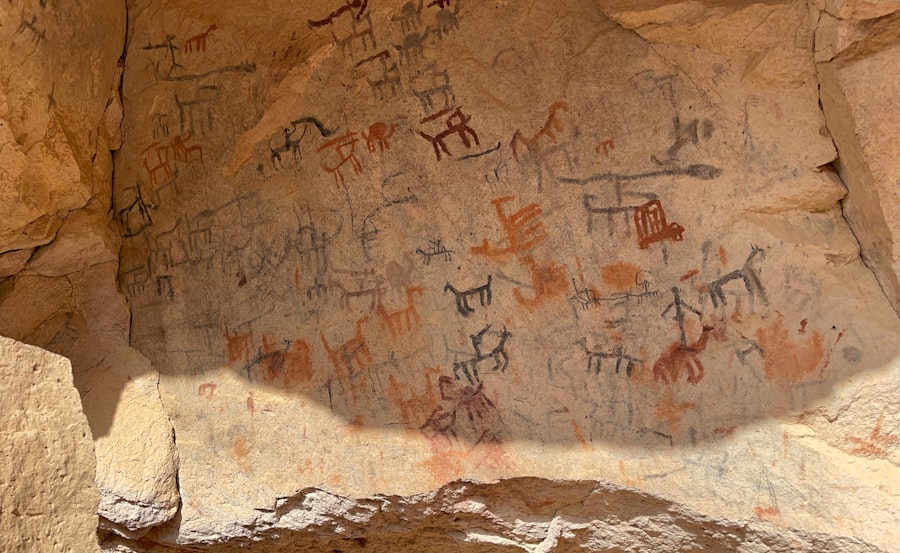
The vast plateaus of the central Sahara, such as the Tassili n’Ajjer and the Acacus Mountains, are renowned for their spectacular rock art. These galleries, painted and engraved over thousands of years, offer a unique window into the lives of the ancient inhabitants. They depict a diverse range of subjects, including animals that are no longer found in the region, human figures engaged in various activities, and abstract patterns. These artworks are not only aesthetically stunning but also provide invaluable information about the environment, social practices, and belief systems of these ancient people. Many of these sites show evidence of seasonal camps and routes utilized by nomadic herders.
Artistic Expressions: The Rock Art of the Green Sahara

The Sahara’s arid conditions have acted as an exceptional preserver of its past, and nowhere is this more evident than in its breathtaking rock art. These ancient canvases, etched onto sandstone outcrops, offer a vibrant and compelling narrative of life during the Holocene Wet Phase, depicting a world teeming with animals, human activities, and a rich cultural tapestry. The sheer volume and detail of this art provide an unparalleled glimpse into the lost Sahara.
A Visual Chronicle of a Lost World: Fauna, Flora, and Human Lives
The rock art of the Sahara is a visual chronicle, capturing a snapshot of a world vastly different from the desert we know today. The artists depicted a diverse range of animals, including elephants, giraffes, lions, rhinoceroses, hippopotamuses, and various species of antelopes and gazelles, many of which are now extinct in the Sahara or have retreated to more southern latitudes. The presence of these exotic animals strongly supports the evidence of a wetter, more vegetated environment.
Depictions of Wildlife: A Megafauna Safari in Ancient Times
The fidelity with which the ancient Saharans recorded the fauna of their environment is remarkable. Detailed engravings and paintings of majestic elephants with tusks, graceful giraffes browsing on trees, and powerful lions are common. The sheer number of animal depictions, often rendered with a keen eye for anatomical accuracy, speaks to the importance of these creatures in the lives of the people, whether for sustenance, spiritual significance, or simply as subjects of awe and wonder.
Human Figures and Daily Life: A Glimpse into Society
Beyond the wildlife, the rock art also portrays human figures engaged in a multitude of activities. Scenes of hunting, herding, dancing, fighting, and ritualistic ceremonies are common. These depictions offer invaluable insights into the social structures, daily routines, and belief systems of these ancient societies. The style of human representation varies, from stylized figures to more naturalistic portrayals, reflecting different periods and cultural influences.
Symbolism and Meaning: Beyond mere Representation
While the depictions are often realistic, the rock art of the Green Sahara is believed to hold deeper symbolic and spiritual meaning. The patterns, markings, and the selection of subjects likely conveyed complex ideas, myths, and cosmological beliefs. The interpretation of this symbolism remains an ongoing and fascinating area of research for archaeologists and art historians.
Abstract Patterns and Ritualistic Motifs
Interspersed with the figurative art are numerous abstract patterns, geometric designs, and enigmatic symbols. The meaning of these motifs is often elusive, but they are frequently found in association with animal depictions or human figures engaged in what appear to be ritualistic activities. Scholars speculate that these abstract elements may represent spiritual forces, cosmic concepts, or elements of shamanistic practices.
The Role of Art in Culture and Belief Systems
The sheer volume and artistic skill displayed in the Saharan rock art suggest that it played a significant role in the cultural and belief systems of these ancient peoples. It may have served as a form of communication, storytelling, record-keeping, or as a means of connecting with the spiritual world. The act of creating these artworks may have been a communal endeavor, imbued with social and religious significance.
The Great Drying: Climate Change and the Sahara’s Transformation
The Holocene Wet Phase was not an eternal state. As mysteriously as it began, the rains began to recede, and the Sahara embarked on its transformation back into the arid desert we know today. This “Great Drying” was a gradual but profound environmental shift that had significant consequences for the human populations that had flourished in the Green Sahara. Understanding this process is crucial for appreciating the archaeological record left behind.
The Retreat of the Monsoon: A Global Climate Event
The decline of the West African Monsoon was not an isolated event but rather part of a broader global climate shift. As Earth’s orbital parameters continued to change, the solar insolation in the Northern Hemisphere began to decrease, weakening the monsoon system. This gradual weakening led to a progressive reduction in rainfall across the Sahara, steadily shrinking the lakes and grasslands.
Orbital Shifts and Reduced Insolation
The long-term cycles of Earth’s orbit meant that the period of increased Northern Hemisphere summer insolation gradually ended. As the intensity of solar radiation lessened, the atmospheric processes that drove the strong monsoon weakened. This gradual decrease in solar energy acted as the ultimate trigger for the end of the Green Sahara.
Atmospheric Dynamics and Feedback Loops
While orbital forcing was the primary driver, complex atmospheric dynamics and feedback loops likely played a role in accelerating the drying process. As vegetation cover decreased, the land surface became more reflective, leading to less absorption of solar radiation and further warming. This, in turn, could have further weakened the monsoon and exacerbated aridification.
Human Migration and Adaptation: The Exodus from a Dying Land
The progressive desiccation of the Sahara forced its inhabitants to adapt or migrate. Archaeological evidence suggests that as water sources dwindled and vegetation receded, human populations moved towards more resilient areas, often migrating southwards towards the Sahelian belt or towards the Nile Valley. This period of dispersal and adaptation is reflected in the archaeological record, with the appearance of new settlement patterns and cultural practices.
Southward Migration and the Sahelian Belt
As the Sahara became uninhabitable, many Saharans likely migrated southwards to the Sahel, a transitional zone between the desert and the savannas. This region, while still receiving less rainfall than the Green Sahara, would have offered more viable conditions for human settlement and pastoralism. Evidence of cultural continuity and adaptation can be seen in the archaeological sites found in the Sahel.
The Nile Valley: A Refuge and a Cradle of Civilization
The Nile Valley, with its perennial river and fertile floodplains, acted as a crucial refuge for populations fleeing the encroaching desert. The influx of people and their established knowledge of agriculture and animal husbandry may have contributed significantly to the development of early Egyptian civilization. The archaeological record in the Nile Valley shows clear connections with Saharan cultures during this period of transition.
The archaeology of the Green Sahara reveals fascinating insights into how ancient human populations adapted to a dramatically changing environment. As the Sahara transitioned from a lush, habitable landscape to the arid desert we know today, communities faced significant challenges that influenced their migration patterns. For a deeper understanding of how environmental changes impact communities, you can read more in this related article on environmental migration. This exploration not only highlights the resilience of these ancient peoples but also sheds light on the broader implications of climate change throughout history.
The Legacy of the Green Sahara: Lessons for Today
| Site | Location | Period | Findings |
|---|---|---|---|
| Tassili n’Ajjer | Algeria | 6000 BCE – 100 CE | Rock art, cave paintings, and ancient settlements |
| Adrar Bous | Mauritania | 8000 BCE – 1000 BCE | Stone tools, pottery, and evidence of early pastoralism |
| Uan Muhuggiag | Libya | 6000 BCE – 2000 BCE | Rock engravings, burial sites, and evidence of early agriculture |
The story of the Green Sahara is far more than an archaeological curiosity; it is a powerful reminder of the Earth’s dynamic nature and humanity’s capacity for adaptation in the face of profound environmental change. The lessons learned from this ancient past have profound implications for our understanding of climate change, resource management, and the resilience of human societies.
Climate Change and Environmental Resilience: Echoes from the Past
The dramatic transformation of the Sahara from a verdant landscape to the world’s largest hot desert serves as a stark reminder of the Earth’s susceptibility to climate change. The Holocene Wet Phase demonstrates that even seemingly stable environments can undergo drastic shifts over relatively short geological timescales. This knowledge is crucial as we grapple with the unprecedented pace of contemporary climate change, highlighting the need for robust adaptation strategies and a deep understanding of environmental feedback mechanisms.
Understanding Past Extremes to Predict Future Scenarios
Studying past climate transitions, like the Green Sahara, provides invaluable data for refining our climate models and predicting future scenarios. The evidence of rapid and significant environmental shifts underscores the potential for unforeseen consequences and the importance of proactive measures. The archaeological record offers a unique laboratory for observing human and ecological responses to such changes.
The Importance of Water Management and Sustainable Practices
The story of the Green Sahara underscores the fundamental importance of water resources for human civilization. The rise and fall of settlements were inextricably linked to the availability of water. This historical perspective emphasizes the critical need for responsible water management and the development of sustainable practices, especially in a world facing increasing water scarcity.
Innovation and Adaptation: Humanity’s Enduring Ingenuity
The archaeological discoveries from the Green Sahara reveal a remarkable testament to human ingenuity and resilience. The ability of ancient populations to thrive in a challenging and changing environment, developing sophisticated tools, technologies, and social structures, is an inspiring narrative. Their success in adapting to the desiccation of the Sahara offers valuable lessons in resourcefulness and the ability of humans to navigate periods of environmental stress.
Learning from Ancient Resourcefulness
By studying the tools, settlement patterns, and subsistence strategies of these ancient Saharans, we can gain insights into innovative approaches to resource utilization and survival. Their understanding of their environment and their ability to adapt their practices accordingly offer potential models for contemporary challenges.
The Interconnectedness of Human Societies and Environments
The narrative of the Green Sahara irrevocably links human history with environmental history. It demonstrates how profoundly human societies are shaped by their surroundings and how environmental changes can lead to significant migrations, cultural shifts, and even the rise and fall of civilizations. This interconnectedness is a fundamental principle for understanding both the past and the future. The ongoing work of archaeologists continues to unveil the secrets hidden beneath Saharan sands, each discovery adding another layer to the compelling story of this once-lush land and its remarkable inhabitants.

The Ancient World Buried Beneath the Sahara
FAQs
What is the Green Sahara?
The Green Sahara refers to a period in the prehistoric past when the Sahara Desert was a much more hospitable environment with vegetation, lakes, and rivers. This period occurred approximately 10,000 to 5,000 years ago.
What is the significance of the archaeology of the Green Sahara?
The archaeology of the Green Sahara provides valuable insights into how ancient human populations adapted to and thrived in a changing environment. It also sheds light on the development of early human societies and their interactions with the natural world.
What are some key archaeological findings from the Green Sahara?
Archaeological findings from the Green Sahara include evidence of early human settlements, rock art depicting animals and human activities, and artifacts such as pottery, tools, and burial sites. These findings help researchers understand the cultural and technological developments of ancient Saharan societies.
How did the Green Sahara transition into the desert we see today?
The transition from the Green Sahara to the desert landscape seen today was primarily driven by changes in the Earth’s orbit and axial tilt, leading to shifts in the African monsoon system. These changes resulted in decreased rainfall and the expansion of desert conditions.
What can the archaeology of the Green Sahara tell us about climate change and human adaptation?
Studying the archaeology of the Green Sahara can provide valuable information about how ancient societies coped with environmental changes, including shifts in climate and resource availability. This knowledge can offer insights into how modern societies might adapt to ongoing and future climate change.