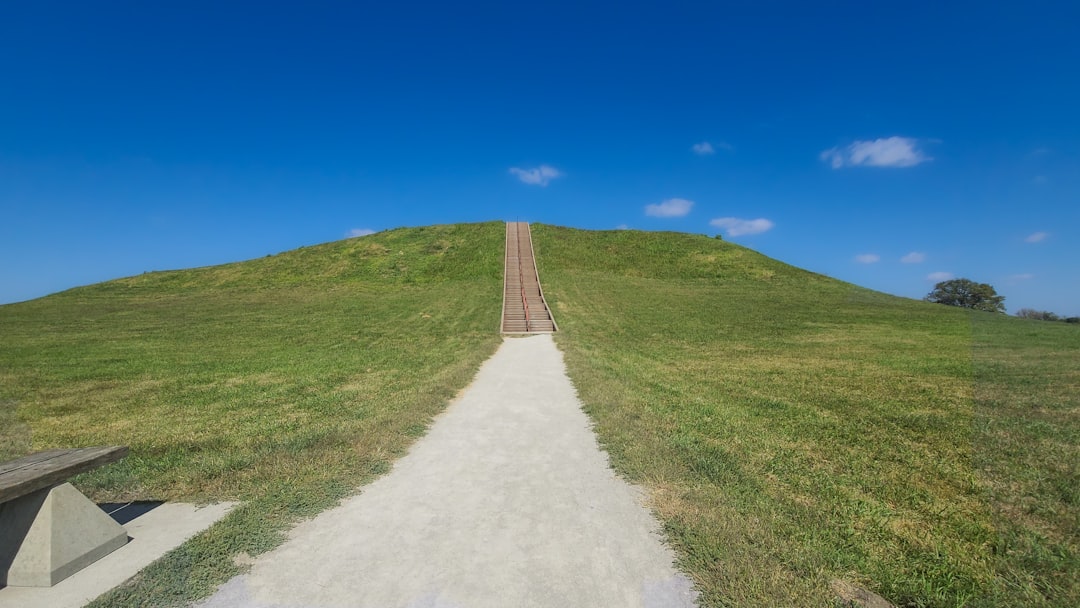
The whispers of a forgotten metropolis echo across the fertile plains of Illinois, a testament to a civilization that once thrived and then vanished. Cahokia Mounds, a UNESCO World Heritage Site, stands as a silent sentinel to a once-bustling urban center that dominated the Mississippi River Valley for centuries. Uncovering the history of Cahokia Mounds is a journey into the heart of a complex and sophisticated society, a people whose ingenuity and social organization left an indelible mark on the North American continent. This exploration delves into the rise and fall of this remarkable city, piecing together the fragments of its past through archaeological evidence and ongoing research.
The story of Cahokia is not one that began with its magnificent mounds. Long before the iconic structures rose from the earth, the region was inhabited by various Indigenous peoples. However, it was the emergence of the Mississippian culture, around 800 CE, that laid the groundwork for the city’s eventual grandeur. This period marked a significant shift in societal organization and technological development in the Eastern Woodlands.
The Seeds of Change: Agriculture and Social Stratification
The adoption of intensive maize agriculture was a pivotal factor in the development of settled communities and the subsequent rise of complex societies. This agricultural revolution allowed for surplus food production, which in turn supported a larger, more sedentary population. As communities grew, so too did the need for organization and leadership. Archaeological evidence suggests that by the late Archaic period (around 1000 BCE), there were already signs of increasing social complexity, with some individuals holding more prestige or power than others. This nascent social stratification would become a hallmark of the Mississippian culture. The development of sophisticated pottery styles, the increased use of stone tools, and the emergence of burial practices that differentiated individuals based on status all point to a society that was beginning to organize itself in more hierarchical ways. The fertile river valleys, particularly the confluence of the Mississippi, Missouri, and Illinois rivers, provided an ideal environment for agriculture and the development of large settlements.
The Early Mississippian Period: Laying the Foundation
The Early Mississippian period, roughly spanning from 800 to 1050 CE, witnessed the gradual formation of the cultural traits that would define Cahokia. During this time, smaller, more dispersed settlements began to coalesce. Villages started to feature more organized layouts, often with a central plaza and a modest platform mound. These early mounds, while not as monumental as those that would come later, were significant because they indicated a growing capacity for communal labor and a developing ideology that emphasized the importance of elevated structures for ceremonial or elite purposes. The craftsmanship in pottery and lithics (stone tools) became more refined, suggesting a growing specialization of labor. Trade networks also began to expand, bringing in exotic materials like copper from the Great Lakes and shell from the Gulf Coast, further indicating the increasing interconnectedness and sophistication of these early Mississippian communities.
Cahokia Mounds State Historic Site, a UNESCO World Heritage Site, offers a fascinating glimpse into the pre-Columbian Mississippian culture that thrived in North America. For those interested in understanding how ancient civilizations shaped the world we know today, a related article can be found at this link. It explores the evolution of world maps and the impact of various cultures on geographical understanding throughout history, providing context to the significance of sites like Cahokia.
The Zenith of Cahokia: A Thriving Metropolis and Center of Power
The period between 1050 and 1350 CE, often referred to as the Late Mississippian or Stirling/Moorehead phases, marked the absolute zenith of Cahokia’s power and influence. This was the era when the city truly emerged as a vast urban center, a hub of trade, religion, and political authority that exerted considerable influence over a wide geographic area. The sheer scale of Cahokia during this time is astonishing, with estimates of its population ranging from 10,000 to 20,000 people, a figure comparable to many European cities of the time.
Monks Mound: The Heart of the City
Dominating the landscape of Cahokia is Monks Mound, an immense platform mound that is the largest prehistoric earthwork in the Americas. Constructed in stages over several centuries, its colossal size and architectural complexity speak volumes about the organizational capacity and labor mobilization of the Cahokian people. Monks Mound measures approximately 1,000 feet north-south, 700 feet east-west, and stands about 100 feet tall, with a base covering over 14 acres. At its summit, evidence suggests the presence of a large, perhaps palatial, structure, likely the residence of the paramount chief or ruler, and a focal point for ceremonies and governance. The sheer engineering feat involved in its construction, without the use of wheeled vehicles or draft animals, is a testament to their skill and dedication. It is believed that hundreds of thousands of basketfuls of earth were moved to create this monumental structure, a task that would have required a highly organized labor force drawn from across the region.
The Grand Plaza and Surrounding Mounds: A Sacred and Civic Landscape
Surrounding Monks Mound was a vast central plaza, a cleared and leveled area that served as a communal gathering space for markets, ceremonies, and public events. This plaza was an integral part of the city’s design, reflecting a deliberate urban planning approach. Radiating outwards from the plaza and Monks Mound were dozens of other mounds of varying sizes and shapes. These included platform mounds, conical burial mounds, and ridge-top mounds, each likely serving specific ceremonial, residential, or mortuary functions. Woodhenges, large circular arrangements of posts, have also been discovered, suggesting a sophisticated understanding of astronomy and celestial events. These woodhenges likely served as solar calendars, marking solstices and equinoxes, and were crucial for agricultural timing and religious observances. The careful placement and alignment of these mounds and structures indicate a deeply ingrained cosmological belief system and a desire to create a sacred and ordered landscape.
A Network of Influence: Trade and the Mississippian Sphere
Cahokia was not an isolated entity; it was the nexus of a vast trade network that stretched for hundreds, if not thousands, of miles. Goods flowed into Cahokia from afar, including copper from the Lake Superior region, mica from the Appalachians, shell from the Gulf Coast and the Atlantic Ocean, and obsidian from the Rocky Mountains. In return, Cahokian goods, such as finely crafted pottery, stone tools, and agricultural products, were distributed throughout the Mississippi Valley and beyond. This extensive trade network facilitated the exchange of not only material goods but also ideas, beliefs, and cultural practices, contributing to the formation of a distinct Mississippian culture that shared commonalities across a wide geographic area. The economic power derived from controlling these trade routes undoubtedly contributed to Cahokia’s political dominance.
Life in the Urban Center: Society, Economy, and Daily Existence

The daily lives of the inhabitants of Cahokia were shaped by the city’s urban environment, its hierarchical social structure, and its reliance on agriculture and trade. Archaeological excavations have provided invaluable insights into the various aspects of their existence, from the food they ate to the homes they lived in and the beliefs they held.
Social Hierarchy: Elites and Commoners
Cahokia was a stratified society, with a clear distinction between an elite class and the common populace. The paramount chief, likely residing atop Monks Mound, wielded significant authority. Below the chief were other elites, including priests, warriors, and administrators, who controlled resources and managed the affairs of the city. The majority of the population consisted of commoners – farmers, artisans, and laborers – who sustained the city through their work. Evidence for this hierarchy is found in burial practices, with elites interred with elaborate grave goods, including precious materials and finely crafted artifacts, while commoners received simpler burials. The construction of such monumental architecture also points to a system where labor was conscripted and organized, suggesting a clear power dynamic.
Subsistence and Diet: The Bounty of the Land
Agriculture formed the backbone of Cahokia’s economy. Maize, beans, and squash were staple crops, providing a reliable food source. These crops were supplemented by hunting deer, waterfowl, and other game, as well as fishing in the abundant rivers. Archaeological evidence, including analysis of faunal remains and plant seeds, reveals a diverse diet. Pottery shards often bear the residue of cooked foods, offering clues to their culinary practices. The surplus generated by agriculture allowed for specialization among the population, freeing some individuals to pursue crafts and other non-agricultural activities.
Craftsmanship and Technology: Masters of Their Domain
The artisans of Cahokia were skilled in a variety of crafts. They produced finely crafted pottery, often decorated with intricate designs, and excelled in lithic technology, creating tools and weapons from stone. Copper was worked into ornaments and ceremonial objects, and shell was used for beads and other decorative items. Evidence of their building techniques, from the construction of wattle-and-daub houses to the immense earthworks, demonstrates a sophisticated understanding of engineering and resource management. The presence of specialized workshops within the city further indicates a developed division of labor.
The Decline and Abandonment: Mysteries of a Vanishing City
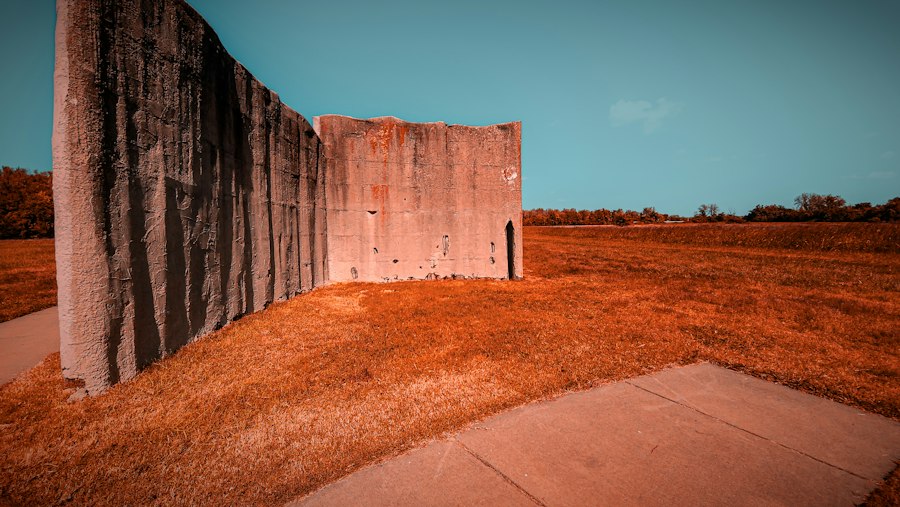
Around 1350 CE, Cahokia began a rapid and ultimately complete decline, leading to its eventual abandonment. The reasons for this dramatic collapse have been a subject of intense debate among archaeologists and historians for decades, with various theories attempting to explain the enigma of its disappearance.
Environmental Factors: Stress on the Landscape
One prominent theory suggests that environmental pressures played a significant role in Cahokia’s downfall. Evidence points to periods of increased flooding and soil erosion, which could have damaged agricultural lands and disrupted the city’s food supply. Deforestation for construction, fuel, and agricultural clearing may have exacerbated these environmental problems. Some researchers also propose that the intensive agriculture practiced by the Cahokians may have depleted the soil’s fertility over time, making it increasingly difficult to sustain such a large population. A combination of these factors could have led to widespread famine and social unrest, weakening the city’s ability to function.
Social and Political Upheaval: Internal Strife and External Pressures
Internal social and political instability is another plausible explanation for Cahokia’s decline. As the population grew and resources became strained, internal conflicts may have intensified. Competition for leadership, coupled with dissatisfaction among the common populace, could have led to social unrest and the breakdown of centralized authority. Furthermore, external pressures from neighboring groups, perhaps driven by their own resource scarcity or competition, could have contributed to Cahokia’s vulnerability. The defensive palisades and stockades found around parts of the city suggest that warfare or the threat of it was a real concern. The loss of control over crucial trade routes could have also severely weakened Cahokia’s economic and political standing.
The Impact of Disease: A Silent Killer
The introduction of new diseases, to which the Indigenous populations had little immunity, is another factor that may have contributed to the decline of Cahokia. While direct evidence of widespread epidemic diseases at Cahokia is difficult to find archaeologically, the impact of disease on other Indigenous societies across the Americas following European contact suggests its potential role. A significant population decline due to disease could have drastically weakened the city’s labor force and its ability to maintain its complex infrastructure.
The Cahokia Mounds State Historic Site, a UNESCO World Heritage site, offers a fascinating glimpse into the advanced civilization that thrived in North America over a thousand years ago. Visitors can explore the impressive earthen mounds and learn about the social and political structures of the Mississippian culture. For those interested in how ancient societies managed communication and trade, a related article discusses modern strategies for securing cislunar communication lines, which can provide insights into the importance of connectivity in both historical and contemporary contexts. You can read more about it in this article.
Legacy and Rediscovery: Unearthing the Truth of Cahokia
| Metrics | Data |
|---|---|
| Location | Collinsville, Illinois, United States |
| Area | 2,200 acres |
| Established | 1925 |
| Visitor Center | Yes |
| UNESCO World Heritage Site | Yes |
Despite its eventual abandonment, the legacy of Cahokia endured, and its rediscovery in modern times has provided invaluable insights into the history of North America. The ongoing efforts of archaeologists and researchers continue to shed light on the remarkable achievements of this ancient civilization.
The Dawn of Archaeological Investigation: Early Explorations and Interpretations
The first systematic archaeological investigations at Cahokia began in the late 19th and early 20th centuries. Early explorers and archaeologists were awestruck by the sheer scale of the mounds, initially attributing them to unknown European or even Asian civilizations. However, through meticulous excavation and comparative analysis of artifacts, it became increasingly clear that these monumental structures were the work of Indigenous peoples. Early interpretations, however, were often colored by prevailing Eurocentric biases, sometimes underestimating the sophistication and complexity of these societies.
Modern Archaeology and Scientific Advancement: Revealing the Intricacies
Contemporary archaeological research at Cahokia has been revolutionized by advances in technology and scientific methodologies. Techniques such as LiDAR (Light Detection and Ranging) have allowed researchers to map the landscape with unprecedented detail, revealing previously unknown mounds and features. Radiocarbon dating has provided a more precise chronological framework for the city’s development and decline. Geoarchaeological studies have shed light on environmental conditions and agricultural practices. DNA analysis is beginning to offer insights into kinship patterns and population movements. These scientific tools, combined with rigorous analytical methods, are painting a much clearer and more nuanced picture of Cahokian society.
Cahokia’s Enduring Significance: A Window into Pre-Columbian America
Cahokia Mounds stands as a vital testament to the ingenuity, social organization, and cultural achievements of pre-Columbian North America. It challenges simplistic notions of Indigenous history and reveals a complex urban civilization that rivaled its European contemporaries in many aspects. The ongoing study of Cahokia not only enriches our understanding of the past but also serves as a crucial reminder of the deep historical roots of Indigenous peoples on the continent. Its designation as a UNESCO World Heritage Site underscores its global importance, urging continued preservation and research for generations to come. Uncovering the history of Cahokia Mounds is an ongoing endeavor, a continuous process of discovery that promises to reveal even more about this lost metropolis.

A City Bigger Than London Once Stood in America. Then It Vanished.
FAQs
What is Cahokia Mounds State Historic Site?
Cahokia Mounds State Historic Site is a pre-Columbian Native American city located in Illinois, USA. It was the largest and most influential urban settlement of the Mississippian culture, and at its peak, it was home to about 20,000 people.
What can visitors see at Cahokia Mounds State Historic Site?
Visitors to Cahokia Mounds State Historic Site can explore the remains of the ancient city, including the mounds, plazas, and other archaeological features. There is also a museum on site that displays artifacts and provides information about the history and culture of the Mississippian people.
When was Cahokia Mounds State Historic Site designated a UNESCO World Heritage Site?
Cahokia Mounds State Historic Site was designated a UNESCO World Heritage Site in 1982. It is one of only 23 World Heritage Sites in the United States.
What is the significance of Cahokia Mounds State Historic Site?
Cahokia Mounds State Historic Site is significant because it provides valuable insights into the social, political, and religious practices of the Mississippian culture. It also demonstrates the sophisticated engineering and architectural skills of the ancient inhabitants.
How can I visit Cahokia Mounds State Historic Site?
Cahokia Mounds State Historic Site is open to the public and can be visited year-round. The site is located in Collinsville, Illinois, just a short drive from St. Louis, Missouri. Visitors can explore the grounds, visit the museum, and participate in guided tours to learn more about this ancient civilization.