For centuries, a towering enigma has stood silently in the heart of Delhi, India – the Iron Pillar. This remarkable artifact, dating back to the 4th century CE, is a testament to the advanced metallurgical skills of ancient Indian artisans. What sets this pillar apart, however, is its extraordinary resistance to corrosion. While iron typically rusts and deteriorates over time, this monumental structure has defied the ravages of nearly two millennia, exhibiting a minimal and superficial layer of rust. This unprecedented resilience has captivated scientists, historians, and engineers alike, prompting a persistent quest to unravel the secrets behind its remarkable longevity. The Iron Pillar’s endurance is not merely a curiosity; it offers invaluable insights into the material science of the past and holds the potential for revolutionary advancements in modern metallurgy and corrosion prevention. Uncovering its secrets is a journey into ancient ingenuity, chemical interactions, and the persistent challenge of preventing decay.
The Iron Pillar stands as a solitary sentinel in the complex of the Qutub Minar, a UNESCO World Heritage site. Its imposing height, approximately 7.2 meters above ground, and its substantial weight, estimated to be over six tons, speak volumes about the engineering prowess of its creators. The inscription etched into its surface provides the primary historical clue, identifying it as a monument erected by King Chandragupta II of the Gupta Empire, who reigned from 375 to 415 CE. This dating places the pillar firmly within the so-called “Golden Age of India,” a period renowned for its cultural and scientific achievements.
Historical Context and Gupta Dynasty Engineering
The Gupta period was a time of significant advancements in various fields, including mathematics, astronomy, medicine, and metallurgy. The empire fostered an environment of intellectual curiosity and innovation, leading to the development of sophisticated techniques and technologies. The creation of the Iron Pillar stands as a prime example of this era’s exceptional craftsmanship. The sheer scale of the undertaking – smelting and forging such a massive iron column – would have required a deep understanding of ore extraction, furnace technology, and forging processes. The dedication of such resources to a seemingly non-military monument also suggests a society that valued symbolic expression and religious devotion.
The Inscription: A Glimpse into History
The dedicatory inscription, written in Brahmi script, is a crucial piece of evidence. It details the pillar’s erection in honor of Lord Vishnu and its construction at the command of Emperor Chandragupta. The inscription provides an invaluable anchor for dating the pillar and situating it within its historical and religious context. Beyond its calendrical and dynastic information, the inscription also hints at the ambition and pride of the Gupta rulers, who sought to immortalize their reign through such enduring structures. Scholars continue to decipher and analyze the nuances of this inscription, seeking further insights into the socio-political landscape of the time.
Transportation and Erection Challenges
The logistics of transporting and erecting such a colossal iron structure in the 4th century CE present another layer of mystery. Evidence suggests that the pillar was not originally erected at its current location. Its presence within the Qutub Minar complex, a much later construction, implies a relocation at some point in history. The methods employed for moving and lifting such a massive object with the limited mechanical technology available in that era are a subject of intense speculation. Hypotheses range from the use of elaborate scaffolding and sophisticated lever systems to the dismantling and reassembly of the pillar, though the latter is less likely given its monolithic construction. The successful erection speaks to a profound understanding of structural mechanics and practical engineering.
The Iron Pillar of Delhi has long fascinated researchers due to its remarkable resistance to corrosion, which has puzzled scientists for centuries. This ancient structure, made of wrought iron, showcases an impressive level of durability that challenges modern understanding of metallurgy. For those interested in the broader implications of materials science and its applications in extreme environments, a related article discusses the challenges of securing long-term human presence on the Moon, highlighting the importance of advanced materials in space exploration. You can read more about this topic in the article found here: Securing Long-Term Human Presence on the Moon.
The Marvel of Iron Pillar Metallurgy
The true marvel of the Iron Pillar lies not just in its age or its scale, but in its remarkable resistance to corrosion. While most iron objects from antiquity are heavily corroded, showing signs of significant degradation, the Delhi Iron Pillar remains remarkably intact. This anomaly has led to extensive scientific investigations, focusing on the very composition and manufacturing process of the pillar.
Compositional Analysis: Unveiling the Secrets
Early analyses revealed that the pillar is not made of pure iron but rather a meteoric iron alloy. However, more refined studies have indicated that it is primarily made from wrought iron with a unique composition. The key to its durability appears to lie in the specific percentage of phosphorus present in the iron, along with trace amounts of other elements like silicon and sulfur. Unlike most iron, this specific alloy seems to have facilitated the formation of a protective passive layer, a consistent and adhesion-rich oxide film that acts as a barrier against further corrosion.
The Role of Phosphorus
The presence of a significant and consistently distributed percentage of phosphorus (around 0.1% to 1%) is widely considered the primary factor driving the pillar’s corrosion resistance. In typical iron metallurgy, phosphorus can be detrimental, leading to embrittlement and increased susceptibility to corrosion. However, in the context of the Iron Pillar, the phosphorus appears to have played a crucial role in forming a stable, protective oxide layer. This layer, primarily composed of iron oxides and oxihydroxides, adheres strongly to the underlying metal, preventing moisture and oxygen from reaching the deeper layers of iron.
Trace Elements and Their Influence
Beyond phosphorus, other trace elements have also been investigated for their potential role. The presence of elements like silicon, sulfur, and even manganese, in specific proportions, may have further contributed to the formation of a dense, passive oxide film. These elements could have influenced the crystal structure of the iron and the oxides formed, enhancing their protective properties. Understanding the precise interplay of these elements requires sophisticated analytical techniques and a deep understanding of solid-state chemistry.
The Forging Process: Ancient Craftsmanship at its Peak
The manufacturing process of the Iron Pillar is as fascinating as its composition. It is believed to have been forged using a sophisticated bloomer-furnace technique, where iron ore was smelted in a low-temperature furnace, producing a bloom of impure iron. This bloom was then repeatedly hammered and folded while hot, expelling slag and impurities and introducing carbon and phosphorus into the matrix. This labor-intensive process, known as forge welding or scarphing, would have been crucial in homogenizing the iron and ensuring a uniform distribution of the elements responsible for its corrosion resistance.
Bloomery Furnace Technology
The use of bloomeries, furnaces that smelt iron from ore without fully liquefying it, was common in ancient times. However, the scale and apparent control demonstrated in producing the Iron Pillar suggest a highly refined bloomer-process. The ability to achieve consistent temperatures and manage the flow of air would have been critical in controlling the resulting iron’s composition and structure. The development of such advanced furnace technology without modern scientific understanding of thermodynamics is a testament to empirical knowledge gained over generations.
Hammering and Folding Techniques
The repeated hammering and folding of the iron bloom during the forging process played a vital role in its final structure and properties. This process not only removed slag but also allowed for the diffusion of carbon and phosphorus throughout the iron matrix. The extensive manual labor involved in such a task highlights the significant societal investment and the skilled workforce dedicated to its creation. The resulting microstructure, with its fine grain size and uniform distribution of alloying elements, is key to the pillar’s remarkable endurance.
The Science Behind the Resilience: A Protective Patina
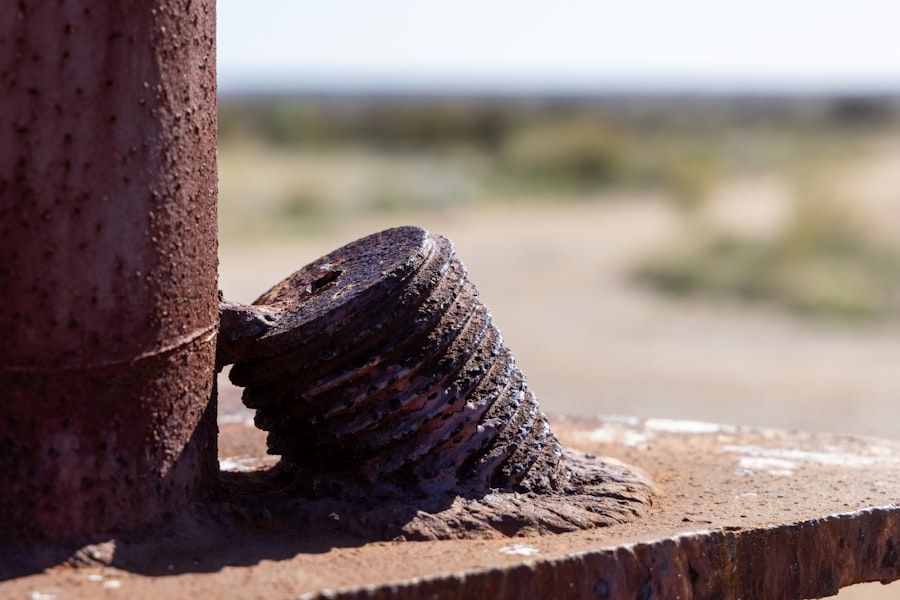
The longevity of the Iron Pillar is not an act of magic but a sophisticated display of natural passivation processes, albeit on an unprecedented scale. Scientists have long studied the layered structure of the pillar’s surface to understand how it has resisted degradation for so long. The formation of a dense, protective rust layer, or patina, is the key.
The Nature of the Passive Layer
The characteristic reddish-brown surface of the Iron Pillar is not simply rust in the conventional sense; it is a complex, multi-layered passive film. This film is primarily composed of iron oxides and iron oxyhydroxides. Crucially, this layer is highly adherent to the underlying metal and remarkably dense, forming an effective barrier against further ingress of oxygen and moisture. The continuous and uniform nature of this layer is what differentiates it from the flaky, porous rust typically seen on modern iron structures.
Iron Oxides and Oxyhydroxides
The primary components of this protective layer are various forms of iron oxides, such as magnetite (Fe3O4) and hematite (Fe2O3), along with iron oxyhydroxides like goethite (FeO(OH)). These compounds are formed through the oxidation of iron in the presence of moisture and air. However, the unique composition of the pillar’s iron, particularly the high phosphorus content, influences the formation and stability of these oxide layers, promoting the development of a robust and protective patina.
The Role of the Environment
The specific environmental conditions at the pillar’s location have also played a role. The relatively dry climate of Delhi, at least historically, would have contributed to slower rates of corrosion. Furthermore, the pollution levels in the surrounding environment over centuries may have also contributed, with certain atmospheric pollutants potentially reacting with the iron surface to form protective compounds. However, the internal composition remains the most significant factor.
Microscopic Examination and Layer Analysis
Detailed microscopic examination of samples taken from the pillar has revealed the intricate structure of this protective patina. Scientists have observed distinct layers, each with its specific composition and properties. These studies have allowed for a deeper understanding of the chronological formation of the rust layers and the mechanisms by which they have shielded the underlying iron.
Electron Microscopy and Spectroscopic Techniques
Advanced techniques like Scanning Electron Microscopy (SEM) and Energy Dispersive X-ray Spectroscopy (EDX) have been instrumental in analyzing the microstructure and elemental composition of the patina. These methods allow for high-resolution imaging and elemental mapping, revealing the distribution of phosphorus, iron, and other elements within the rust layers. Transmission Electron Microscopy (TEM) has also been used to study the crystalline structure of the oxide phases.
Understanding Layer Formation and Diffusion Barriers
By analyzing the different layers, researchers have been able to model the diffusion of oxygen and moisture through the patina. The dense crystalline structure of the oxides, combined with the presence of phosphorus, effectively hinders the diffusion process, slowing down corrosion significantly. This understanding is critical for developing modern corrosion-resistant materials.
Modern Attempts to Replicate and Preserve
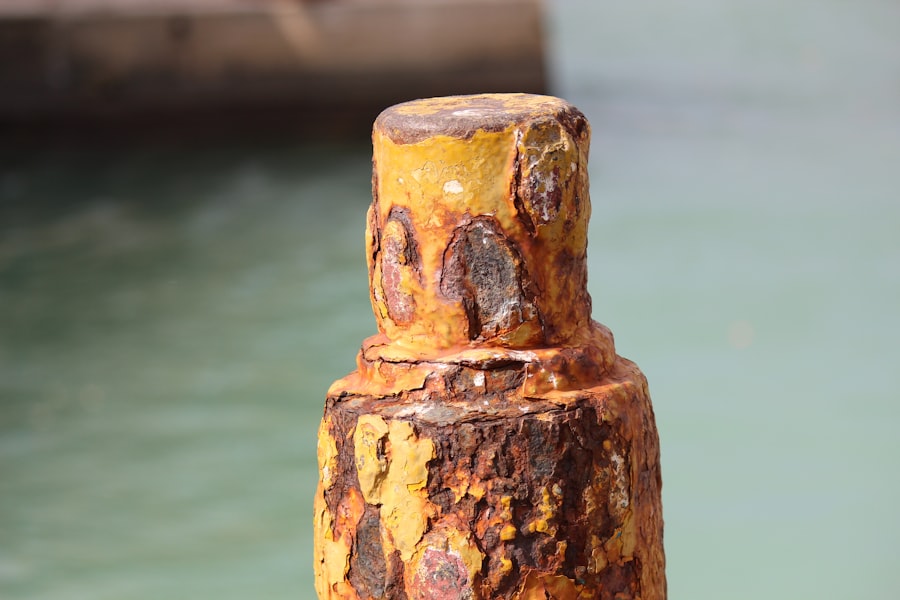
The enduring legacy of the Iron Pillar has inspired numerous scientific endeavors to understand and replicate its unique properties. From attempts to reproduce its metallurgical secrets to the ongoing efforts to preserve the original artifact, the pillar continues to be a focal point of research and conservation.
Metallurgical Research and Modern Alloys
Scientists have embarked on extensive research to replicate the ancient Indian iron-making process and the specific composition that grants the pillar its remarkable resistance. These efforts aim to develop new alloys and manufacturing techniques for modern applications, offering more durable and sustainable materials.
Simulating Ancient Smelting and Forging
Researchers have attempted to recreate the bloomer-furnace technology and forging techniques used by the Gupta-era smiths. By experimenting with different ore compositions and heating profiles, they aim to understand how the specific characteristics of the pillar’s iron were achieved. This involves both laboratory simulations and archaeological investigations of ancient smelting sites.
Developing Corrosion-Resistant Alloys
The ultimate goal of this research is to develop modern alloys that can match or even surpass the corrosion resistance of the Iron Pillar. This could have far-reaching implications for infrastructure, transportation, and various industrial applications, leading to longer-lasting structures and reduced maintenance costs. Imagine bridges, pipelines, and even vehicle components that last for centuries with minimal degradation.
Preservation Efforts and Scientific Interventions
The Iron Pillar itself is a valuable historical artifact and requires careful preservation. While its natural resilience has protected it for millennia, modern environmental factors and the sheer volume of visitors necessitate ongoing conservation efforts.
Non-Invasive Diagnostic Studies
Modern conservation science prioritizes non-invasive methods to study and preserve historical artifacts. Techniques like thermography, X-ray fluorescence, and infrared spectroscopy are employed to assess the condition of the pillar without causing any damage to its surface. These methods can detect subtle changes in temperature, elemental composition, and structural integrity.
Targeted Conservation Treatments
Based on diagnostic studies, targeted conservation treatments are developed to address any signs of deterioration. These treatments are designed to be reversible and minimally intrusive, aiming to stabilize the existing patina and prevent further degradation. This might involve the application of specific protective coatings or treatments to consolidate fragile areas. The challenge lies in balancing modern scientific intervention with the preservation of the authentic historical fabric of the pillar.
The Iron Pillar of Delhi has long fascinated researchers due to its remarkable resistance to corrosion, leading to various theories about the ancient metallurgy techniques used to create it. A related article discusses the broader implications of such technological advancements in ancient civilizations and how they compare to modern practices. For those interested in exploring this topic further, you can read more about it in this insightful piece on economic scenarios that could impact our understanding of historical technologies here.
Unanswered Questions and Future Directions
| Location | Corrosion Level | Material Composition |
|---|---|---|
| Delhi, India | High | Iron with traces of phosphorus |
| Qutub Minar Complex | Low | Iron with high levels of carbon |
| Other Historical Sites | Varies | Iron with impurities |
Despite centuries of investigation, the Iron Pillar continues to hold its secrets close. While significant progress has been made in understanding its composition and the science behind its resilience, several questions remain unanswered, guiding future research endeavors.
the Exact “Recipe” of the Alloy
While the general composition and the role of phosphorus are understood, the precise “recipe” or the exact combination and distribution of all elements that contributed to the pillar’s super-durability are still debated. Was there a specific mineral source for the iron ore? Were there particular fluxes or additives used in the smelting process that are not immediately apparent? Pinpointing these details would provide a more complete understanding of ancient metallurgical mastery.
Regional Ore Sourcing Hypotheses
Current research suggests that the iron ore used for the pillar might have originated from specific regions known for their unique mineral compositions. Exploring these hypotheses through archaeometallurgical analysis of ancient ore deposits and comparative studies of other ancient iron artifacts could shed light on the sourcing of this remarkable material.
The Significance of Unrecorded Practices
It is possible that certain practices or knowledge were held by ancient blacksmiths that have not been recorded in historical texts. These lost arts of metallurgy, passed down through generations, might hold the key to certain aspects of the pillar’s construction and durability. Reconstructing these potential practices through detailed forensic analysis of the pillar is a significant challenge.
the Role of Environmental Factors and Long-Term Exposure
While the internal composition is crucial, the long-term interaction of the pillar with its specific environment over almost two millennia is also a complex area of study. How did the changing atmospheric conditions, humidity levels, and any microbial activity on the surface influence the patina formation and its protective capabilities? Understanding this interaction could provide insights into material behavior in diverse environmental contexts.
Microbial Influence on Patina Formation
Recent research has begun to explore the potential role of microbes in the formation and maintenance of the protective patina. Certain microorganisms can influence the precipitation of minerals and the formation of protective layers. Investigating this biological aspect could reveal another layer of complexity in the pillar’s enduring preservation.
Reconstructing Past Environmental Conditions
Detailed paleoclimatic reconstruction of the Delhi region over the last two millennia could provide a more nuanced understanding of the environmental pressures the pillar has endured. This, in conjunction with material science analysis, could help to delineate the exact contribution of environmental factors to the pillar’s exceptional preservation.
Implications for Future Material Science and Engineering
The Iron Pillar’s enduring mystery serves as a powerful reminder of the advanced knowledge possessed by ancient civilizations. The ongoing quest to decipher its secrets has profound implications for future material science and engineering. The pursuit of replication and preservation not only honors the past but also paves the way for a more sustainable and durable future. The knowledge gained from this ancient wonder continues to inspire innovation, pushing the boundaries of what is possible in the realm of materials science and engineering, offering the promise of building structures and technologies that can withstand the test of time. The Iron Pillar, a silent testament to ancient brilliance, continues to whisper its metallurgical secrets to those willing to listen, promising a future built on the foundations of remarkable historical ingenuity.

The Greatest Technology Humanity Ever Lost
FAQs
What is the Iron Pillar corrosion mystery?
The Iron Pillar is a 7-meter tall iron column located in Delhi, India, dating back to the 4th century. It is known for its resistance to corrosion, despite being exposed to the elements for over 1,600 years.
What makes the Iron Pillar resistant to corrosion?
The resistance to corrosion of the Iron Pillar is attributed to the purity and composition of the iron used in its construction, as well as the presence of a protective passive layer of iron hydrogen phosphate on its surface.
What scientific studies have been conducted on the Iron Pillar?
Several scientific studies have been conducted on the Iron Pillar to understand its corrosion resistance, including analyses of its composition, microstructure, and the nature of the passive layer formed on its surface.
What are the implications of the Iron Pillar’s corrosion resistance?
The corrosion resistance of the Iron Pillar has implications for materials science and engineering, as it provides insights into ancient metalworking techniques and the development of corrosion-resistant materials.
What are the ongoing research efforts related to the Iron Pillar?
Ongoing research efforts related to the Iron Pillar focus on further understanding the mechanisms behind its corrosion resistance, as well as exploring potential applications for modern materials and engineering practices.