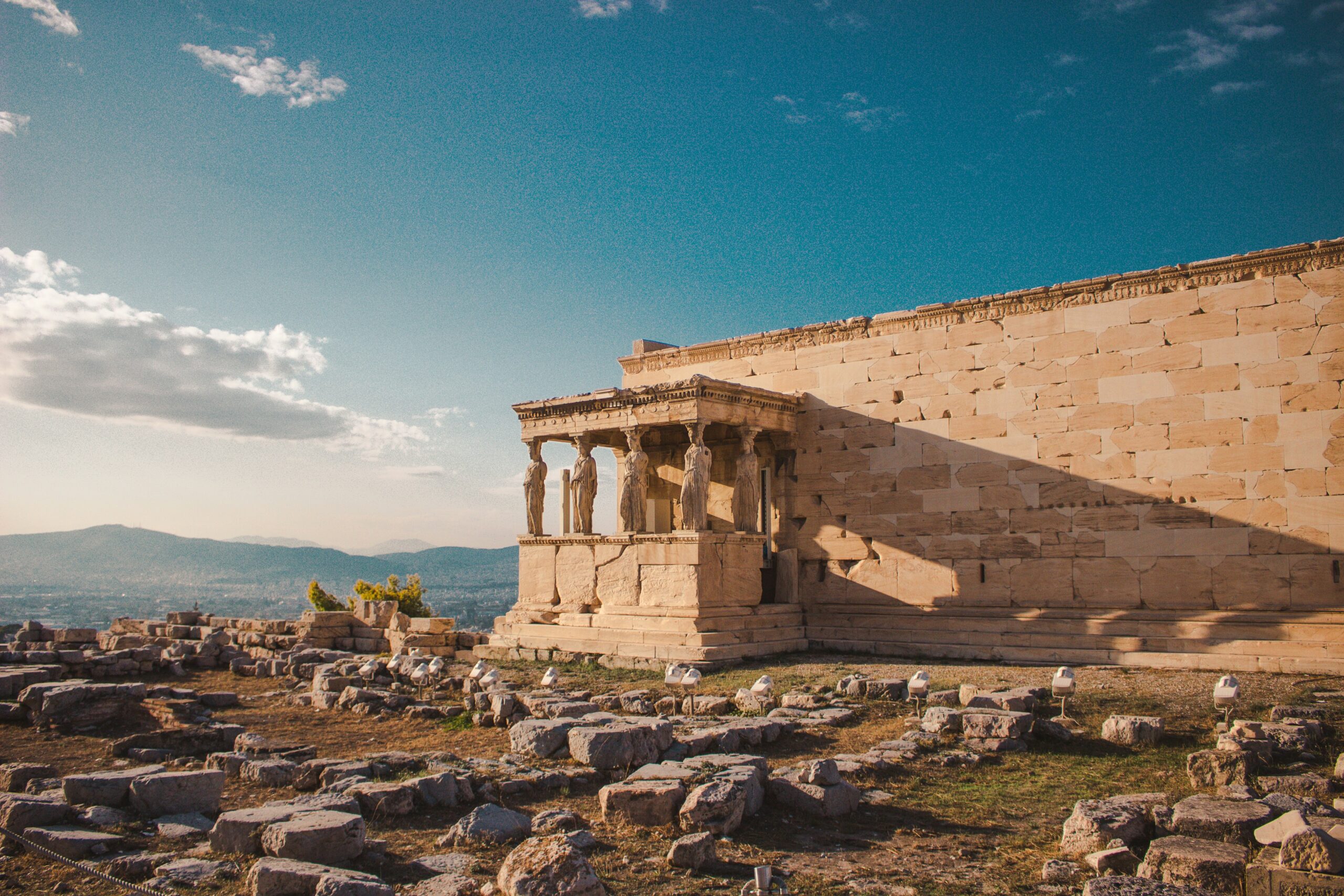
The allure of lost cities has captivated imaginations for millennia, but few hold the mystique and historical significance of those that lie hidden beneath the soil of ancient Greece. For centuries, myths and legends whispered of metropolises consumed by the earth, their treasures and secrets lost to the sands of time. Today, archaeologists, driven by an insatiable curiosity and armed with ever-advancing technology, are slowly but surely piecing together the fragmented narratives of these forgotten hubs of civilization. The quest to uncover the lost cities of ancient Greece is not merely an academic pursuit; it is a profound journey into the very foundations of Western culture, a rediscovery of the ingenuity, artistry, and daily lives of the people who shaped our world.
The challenge of unearthing these submerged histories is immense. Greece, a land sculpted by earthquakes, volcanic activity, and the relentless march of nature, has a complex geological and historical tapestry. Entire settlements have been swallowed by the sea, buried by landslides, or simply abandoned and faded from collective memory, their locations becoming speculative whispers on the wind. Yet, the rewards are immeasurable. Each newly discovered artifact, each exposed structure, offers a tangible link to a past that too often exists only in the epics of Homer and fragmented accounts of classical historians.
The initial impetus for many archaeological investigations into lost cities often stems from ancient texts. These weren’t history books in the modern sense, but rather a blend of epic poems, philosophical treatises, and mythological accounts that, over time, began to be interpreted as potentially containing kernels of historical truth.
Homer’s Echoes: The Iliad and the Odyssey
The foundational texts of Western literature, Homer’s Iliad and Odyssey, are rich with descriptions of cities, battles, and the heroic deeds of legendary figures. While often dismissed as pure fantasy, scholars have long sought to find archaeological correlates for these epic narratives. The tantalizing possibility that Troy, a city central to the Iliad, might be a real place fueled expeditions for centuries, eventually leading to Heinrich Schliemann’s groundbreaking, though sometimes controversial, excavations. The Odyssey, with its tales of voyages and encounters with fantastical lands, also hints at the existence of sophisticated societies beyond the known horizons of the Mycenaean world.
Plato’s Atlantis: A Philosophical Mirage or a Distant Memory?
Plato’s dialogues, particularly Timaeus and Critias, contain the famous allegory of Atlantis. While widely understood as a philosophical myth to illustrate his theories of ideal states, the detailed descriptions of its advanced civilization, powerful navy, and dramatic destruction have led some to speculate about its possible historical basis, however remote. Could Plato have drawn inspiration, however indirectly, from submerged coastal settlements or catastrophic geological events that were still dimly remembered? The enduring fascination with Atlantis serves as a potent reminder of humanity’s deep-seated desire to believe in lost golden ages.
Pausanias’ Guidebook: A Classical Gazetteer
The second-century AD traveler and geographer Pausanias, in his Description of Greece, provides invaluable contemporary descriptions of numerous ancient sites, many of which were already ruins in his time. His meticulous accounts serve as an early form of archaeological gazetteer, often guiding expeditions to locations that would otherwise have remained hidden. Pausanias documented temples, theaters, stadia, and even the layouts of cities, offering precise details that have been crucial in relocating and identifying long-forgotten settlements.
Exploring the lost cities of ancient Greece offers a fascinating glimpse into the past, revealing the intricate societies that once thrived in this region. For those interested in understanding how historical contexts shape modern civilizations, a related article discusses contemporary issues in trade relations, which can be seen as a reflection of the economic dynamics that have persisted through the ages. You can read more about this topic in the article titled “Charting the Future of US-Mexico Trade Relations” available at this link.
The Aegean’s Embrace: Submerged Histories and Coastal Secrets
The Aegean Sea, a cradle of ancient civilizations, has also become a silent guardian of many lost cities. Tectonic shifts, rising sea levels, and the sheer passage of millennia have submerged coastal settlements, transforming them into underwater archaeological sites.
The Sunken City of Pavlopetri: A Glimpse into the Bronze Age
Off the coast of Laconia in southern Greece lies Pavlopetri, a Bronze Age settlement that isarguably the oldest submerged city in the world, dating back to around 2800-1000 BC. Discovered in the 1960s, its well-preserved layout, complete with streets, buildings, courtyards, and even a tomb, offers an unparalleled insight into the urban planning and domestic life of the inhabitants. Divers can explore what were once bustling workshops, homes, and public spaces, a silent testament to a vibrant community that was ultimately claimed by the sea.
The Mystery of Helike: A City Vanished Overnight
The ancient city of Helike, a prominent member of the Ionian League, met a calamitous end in 373 BC. According to ancient accounts, a devastating earthquake, accompanied by a tsunami and subsequent inundation, wiped the city off the face of the earth in a single night. For centuries, its exact location remained unknown, a cautionary tale of nature’s power. Recent archaeological investigations, however, have strong evidence pointing towards a site near the modern village of modern-day Giocheimi, where submerged ruins have been identified, offering a poignant memorial to a city tragically lost.
Coastal Erosion and Archaeological Detectives
Beyond dramatic sinking events, gradual coastal erosion has also played a role in obscuring ancient settlements. Over centuries, shorelines shift, and erosion can wear away the edges of ancient cities or bury them under layers of sand and sediment. Archaeologists working along the Greek coastline are constantly at work, meticulously scanning for anomalies that might indicate submerged or partially buried structures.
The Mountain’s Shadow: Inland Fortresses and Forgotten Sanctuaries
Not all lost cities succumbed to the sea. Many were nestled in mountainous terrain, their defenses designed to withstand the challenges of their environment, only to be later abandoned, their stone structures slowly absorbed by the wilderness.
The Citadel of Gla: A Mycenaean Enigma
On the Boeotian plain, an imposing mound once concealed the monumental ruins of Gla, a massive Cyclopean fortress dating to the Late Bronze Age. Its sheer scale, with walls reaching up to 10 meters in thickness in some places, suggests it was a significant administrative or defensive center for the Mycenaean civilization. The complexity of its internal structure, with numerous rooms and courtyards, hints at a sophisticated organizational system. The recent revival of excavation and study at Gla is shedding new light on the scale and power of Mycenaean polities beyond the more famous sites like Mycenae and Tiryns.
Mystras: A Byzantine Ghost Town
While not as ancient as some of the other examples, Mystras, a fortified city in the Peloponnese, serves as a powerful illustration of a city slowly fading into obscurity. Once a vibrant center of Byzantine culture, art, and power, it was eventually abandoned in the 19th century. Today, Mystras stands as a breathtaking ghost town, its churches, palaces, and monasteries preserved in a state of haunting beauty, inviting visitors to wander through its silent streets and imagine its past glories, a city lost to modernity but rediscovered by its evocative remnants.
The “Lost” Cities of Arcadia: Seeking Ancient Settlements
The rugged and often inaccessible regions of Arcadia in the Peloponnese have long been rumored to hold the remains of numerous ancient settlements, many of which are only known today through scattered references in ancient literature or through the discovery of isolated artifacts. The area’s challenging geography has made comprehensive archaeological surveys difficult, contributing to the perception of these places as “lost” cities waiting to be found.
Technologies of Revelation: Modern Tools Unveiling the Past
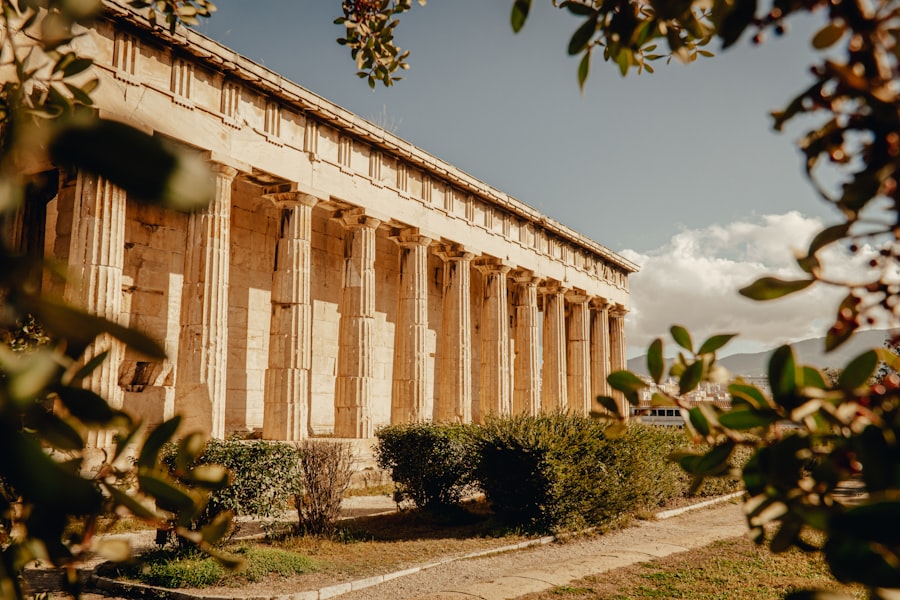
The romantic, often back-breaking, work of digging through the earth has been revolutionized by a suite of advanced technologies. These tools allow archaeologists to peer beneath the surface without disturbing the delicate stratigraphy of a site, making discoveries more precise and less destructive.
Ground-Penetrating Radar (GPR): Seeing Through the Soil
Ground-Penetrating Radar (GPR) is a vital non-invasive technique that sends radio waves into the ground. By analyzing the reflections of these waves, archaeologists can create detailed subsurface maps that reveal anomalies such as walls, foundations, and even buried structures. This technology is particularly effective in identifying the outlines of ancient settlements that may be hidden just a few meters below the surface.
Satellite Imagery and LiDAR: Mapping the Landscape
High-resolution satellite imagery, combined with Light Detection and Ranging (LiDAR) technology, has proven instrumental in identifying previously unknown archaeological sites, particularly in areas with dense vegetation or challenging terrain. LiDAR, which uses laser pulses to create precise 3D maps of the landscape, can reveal subtle earthworks, ancient road networks, and the outlines of buried structures that would be invisible to the naked eye.
Underwater Archaeology: Exploring the Deep
For submerged cities, specialized underwater archaeological techniques are essential. This involves trained divers, remotely operated vehicles (ROVs), and advanced sonar systems to map and excavate sites beneath the waves. The challenges are immense, from currents and visibility to the preservation of delicate materials in a marine environment, but the rewards are unparalleled for understanding lost coastal civilizations.
The exploration of lost cities of ancient Greece reveals fascinating insights into the advanced civilizations that once thrived in the region. These cities, often buried under layers of history, provide a glimpse into the architectural and cultural achievements of their time. For those interested in the technological advancements of ancient societies, a related article discusses the intriguing Piri Reis map and its implications for our understanding of ancient navigation and cartography. You can read more about this captivating topic in the article here.
The Ongoing Quest: Future Discoveries and Enduring Mysteries
“`html
| City | Location | Reason for Loss |
|---|---|---|
| Troy | Modern-day Turkey | Destroyed in the Trojan War |
| Mycenae | Peloponnese, Greece | Decline due to warfare and natural disasters |
| Helike | Corinthia, Greece | Destroyed by earthquake and tsunami |
“`
The uncovering of lost cities in ancient Greece is a continuous process, a perpetual dance between the known and the unknown. Each discovery opens new avenues of inquiry, and many mysteries remain, fueling the ongoing quest for knowledge.
The Importance of Interdisciplinary Collaboration
The successful identification and excavation of lost cities often depend on the collaboration of experts from various fields. Geologists, geophysicists, historians, anthropologists, and conservators all play crucial roles in interpreting the evidence and understanding the context of these ancient remains. This interdisciplinary approach is vital for a holistic understanding of these forgotten settlements.
The Ethical Considerations of Excavation and Preservation
As more of these lost cities are uncovered, the ethical considerations surrounding their excavation, protection, and accessibility become increasingly important. Archaeologists must balance the need for scientific study with the responsibility to preserve these fragile sites for future generations. Issues of cultural heritage, tourism, and the potential impact of development on these ancient landscapes are all part of this complex equation.
The Future of Lost City Exploration in Greece
The rich archaeological landscape of Greece still holds countless secrets. Ongoing research, fueled by technological advancements and a deeper understanding of historical texts, promises further revelations. The lost cities of ancient Greece are not just relics of the past; they are vital components of our collective human story, their rediscovery enriching our understanding of where we came from and the enduring legacy of human ingenuity and civilization. The quest continues, with each unearthed stone and recovered artifact whispering tales of lives lived and empires that once shone brightly before being veiled by time and the elements.

The Lost City That Was Never Really Lost
FAQs
What are the lost cities of ancient Greece?
The lost cities of ancient Greece refer to ancient Greek cities that have been abandoned, destroyed, or lost over time. These cities were once thriving centers of culture, trade, and civilization.
How many lost cities of ancient Greece are there?
There is no exact number of lost cities of ancient Greece, as new discoveries are still being made. However, some well-known lost cities include Helike, Heracleion, and Pavlopetri.
Why were these cities lost?
The reasons for the loss of these ancient Greek cities vary. Some were destroyed by natural disasters such as earthquakes or tsunamis, while others were abandoned due to changes in trade routes or political instability. Additionally, some cities were simply forgotten over time.
What can we learn from the study of lost cities of ancient Greece?
Studying the lost cities of ancient Greece can provide valuable insights into ancient Greek civilization, architecture, urban planning, and daily life. It can also help us understand the impact of natural disasters and societal changes on ancient societies.
Are there ongoing efforts to uncover and study more lost cities of ancient Greece?
Yes, there are ongoing archaeological efforts to uncover and study more lost cities of ancient Greece. Advances in technology and techniques have allowed researchers to make new discoveries and gain a deeper understanding of these ancient civilizations.