The gentle hum of insects, the whisper of wind through ancient grasses, and the scent of damp earth – these are the sensory echoes that accompany any attempt to understand the Neolithic era. This pivotal period in human history, stretching roughly from 10,000 BCE to 4,500 BCE, witnessed a profound transformation in human society. It was a time when our ancestors transitioned from nomadic hunter-gatherer lifestyles to settled agricultural communities, laying the groundwork for the civilizations that would follow. Yet, despite the passage of millennia, vast swathes of this transformative epoch remain shrouded in mystery, challenging archaeologists and historians to continuously unearth and interpret its lost secrets. The ongoing quest to understand the Neolithic era is not merely an academic pursuit; it is a journey into the very origins of human ingenuity, social organization, and our complex relationship with the natural world.
The most defining characteristic of the Neolithic revolution was the systematic cultivation of plants and the domestication of animals. This monumental shift from foraging to farming fundamentally altered human existence, impacting everything from diet and settlement patterns to social structures and technological development. The precise origins and spread of agriculture remain a subject of intense scholarly debate, with multiple centers of independent innovation proposed across the globe.
The Fertile Crescent: A Cradle of Cultivation
The Fertile Crescent, a crescent-shaped region encompassing parts of modern-day Iraq, Syria, Lebanon, Israel, and Jordan, is widely recognized as one of the earliest and most significant hearths of agriculture. Here, approximately 11,000 years ago, early humans began to domesticate wild grains like emmer wheat and barley, alongside pulses such as lentils and peas.
Evidence of Early Cultivation
Archaeological sites in the Fertile Crescent, such as Jericho and Çatalhöyük, provide compelling evidence of this transition. Excavations have revealed the presence of grinding stones, sickles, and storage pits, all indicative of a settled lifestyle centered around food production. Analysis of ancient plant remains (paleoethnobotany) has confirmed the domestication of key crops, showing genetic changes that made them more amenable to human cultivation and consumption. The selective breeding of desirable traits, such as larger grain size and non-shattering seed heads, was a slow but deliberate process that gradually transformed wild grasses into the staples of our diet.
The Ripple Effect of Sedentary Life
The surplus of food generated by agriculture allowed for a more stable and predictable existence. This stability, in turn, facilitated the development of permanent settlements. Villages grew, populations increased, and the need for more sophisticated social organization arose. This was a fundamental departure from the mobile existence of hunter-gatherers, where resource scarcity often dictated movement.
Beyond the Crescent: Independent Innovations
While the Fertile Crescent is a prominent example, evidence suggests that agriculture also emerged independently in other regions, adapting to local flora and fauna.
East Asian Agricultural Centers
In East Asia, particularly in the Yellow River and Yangtze River valleys, independent agricultural systems developed. Rice cultivation became paramount in the Yangtze region, while millet dominated in the Yellow River basin. These crops, native to these areas, provided the foundation for the development of complex societies in China and Southeast Asia.
Mesoamerican Innovations
Further afield, in Mesoamerica, indigenous peoples independently developed agriculture with crops like maize (corn), beans, and squash. These “three sisters” formed the basis of sustenance for civilizations like the Maya and Aztec, demonstrating the remarkable adaptability of human innovation in diverse environments.
The hidden history of the Neolithic period reveals fascinating insights into the lives of early agricultural societies and their cultural practices. For those interested in exploring more about ancient civilizations and their untold stories, a related article titled “Unveiling Ancient Scribe Secrets: Hidden Writings” delves into the mysteries of ancient scripts and the significance of written communication in shaping human history. You can read the article here: Unveiling Ancient Scribe Secrets: Hidden Writings.
The Rise of Permanent Settlements: Villages, Towns, and Beyond
The agricultural revolution was intrinsically linked to the development of permanent settlements. As communities began to cultivate the land, they needed to remain in one place to tend their crops and manage their livestock. This led to the emergence of villages, which gradually grew in size and complexity, laying the groundwork for towns and eventually cities.
Early Neolithic Villages: Foundations of Community
The earliest Neolithic villages were often characterized by simple dwellings constructed from readily available materials like mudbrick, thatch, and wood. These structures were typically clustered together, suggesting a sense of communal living and shared responsibility.
The Architecture of Abundance
Excavations of these early settlements reveal a surprising degree of planning and organization. Dwellings might share walls, indicating a tight-knit community. Communal structures, such as granaries and hearths, suggest collective efforts in food storage and processing. The layout of villages, while seemingly organic, often reflects an understanding of resource management and defense. For instance, access to water sources and defensible positions were likely key considerations in their placement.
Social Dynamics in Early Settlements
The transition to settled life also brought about changes in social dynamics. The accumulation of resources and the presence of a surplus likely led to the emergence of more hierarchical social structures. Certain individuals or families may have gained greater influence through their control of land, labor, or stored goods. Evidence of specialized labor, such as pottery production or toolmaking, further suggests a developing division of roles within these communities.
The Dawn of Monumental Architecture: Göbekli Tepe and Beyond
While much of early Neolithic architecture was utilitarian, some sites reveal a profound shift towards monumental construction, hinting at complex belief systems and social organization.
Göbekli Tepe: A Prehistoric Enigma
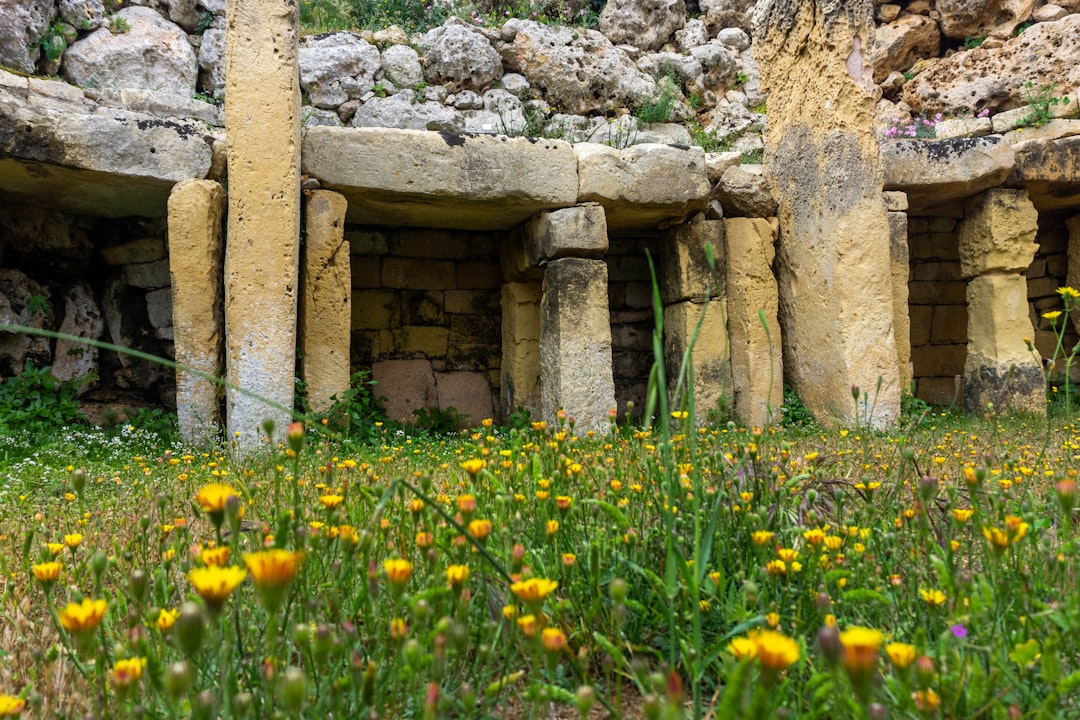
Perhaps the most astonishing example of early Neolithic monumental architecture is Göbekli Tepe in southeastern Turkey. Dating back over 11,000 years, this site predates Stonehenge by millennia and consists of massive stone pillars, many intricately carved with animal reliefs.
The Purpose and Builders of Göbekli Tepe
The purpose of Göbekli Tepe remains a tantalizing mystery. The sheer scale of the effort required to quarry, transport, and erect these massive stones suggests a highly organized society with a strong leadership structure and a shared purpose, likely religious or ceremonial. The absence of evidence for permanent habitation at the site itself further fuels speculation about its function as a pilgrimage destination or a ritual center. The sophisticated iconography, depicting a range of animals and abstract symbols, offers glimpses into the cosmology and worldview of these early peoples.
Rethinking the Neolithic Timeline
The existence of such a complex site at such an early date has challenged long-held assumptions about the Neolithic revolution, suggesting that sophisticated social organization and monumental building may have preceded widespread agriculture, or at least developed in parallel with its early stages.
The Rise of Towns: Towards Greater Complexity
As Neolithic settlements grew and prospered, some began to evolve into larger, more complex centers that could be considered proto-towns or early towns.
Çatalhöyük: A Flourishing Neolithic Metropolis
Çatalhöyük, located in modern-day Turkey, is a prime example of a large and thriving Neolithic settlement. Flourishing around 7,500 BCE, this site comprised densely packed mudbrick houses, accessed via rooftops.
The Urban Landscape of Çatalhöyük
The unique architecture of Çatalhöyük, with its interconnected dwellings and lack of streets, suggests a highly communal and perhaps defensive way of life. The elaborate burial practices within the houses and the rich artistic expressions found throughout the settlement offer insights into their spiritual beliefs and social hierarchies. The presence of specialized workshops indicates a division of labor and the production of goods for trade and consumption.
Unraveling the Social Fabric of Çatalhöyük
The ongoing excavations at Çatalhöyük continue to reveal layers of social complexity, from evidence of ritualistic practices to the possible emergence of distinct social roles. The meticulous excavation and analysis of artifacts are slowly piecing together the daily lives, beliefs, and interactions of the people who inhabited this remarkable ancient settlement.
Technological Advancements: Shaping the Neolithic World
The Neolithic era was not just about new ways of getting food and living together; it was also a period of significant technological innovation that enabled and enhanced these societal changes. The development of new tools and techniques profoundly impacted human capabilities and aspirations.
The Mastery of Stone: Polished Tools and Beyond
While the Paleolithic era saw the widespread use of chipped stone tools, the Neolithic is characterized by the development of polished stone tools. This seemingly simple advancement had profound implications.
Grinding and Polishing: Precision and Efficiency
The process of grinding and polishing stone, often using sandstone or other abrasive materials, allowed for the creation of tools with much sharper and more durable edges. This was particularly important for woodworking and agriculture.
Axes and Adzes for Land Clearing
Polished stone axes and adzes were instrumental in clearing forests for agriculture and constructing more permanent dwellings. The ability to efficiently fell trees and shape wood opened up new possibilities for building and crafting.
Sickles and Grinding Stones for Harvest and Processing
The development of polished stone sickles with sharp blades greatly improved the efficiency of harvesting grain. Similarly, polished grinding stones made the processing of harvested grains into flour a far more manageable task, contributing to the stability of food supplies.
The Dawn of Pottery: Vessels of Innovation
The invention and widespread adoption of pottery was a transformative technological leap during the Neolithic.
Firing Clay: From Earthenware to Everyday Use
The ability to shape clay and fire it to create durable, waterproof vessels revolutionized food storage, cooking, and transportation.
Storage and Preservation
Pottery allowed for the efficient storage of grains, liquids, and other foodstuffs, protecting them from pests and spoilage. This was crucial for managing surplus food generated by agriculture and for surviving leaner periods.
Culinary Transformations
The introduction of cooking pots enabled new methods of food preparation. Boiling and stewing became viable options, allowing for the extraction of more nutrients from food and the creation of a more varied and palatable diet. This also likely contributed to improved health and a reduction in foodborne illnesses.
Artistic Expression and Cultural Identity
Beyond their utilitarian functions, pottery often served as a medium for artistic expression. Decorative motifs, patterns, and styles varied significantly between different Neolithic cultures, providing valuable insights into their aesthetics, beliefs, and social identities.
Early Metallurgy: A Glimpse of Future Possibilities
While the Neolithic is primarily defined by stone and ceramic technologies, evidence of early metallurgy begins to emerge in its later stages.
The Discovery of Copper
The manipulation of native copper, a relatively soft metal found in its pure form, marked the first steps towards metallurgy.
Early Copper Working Techniques
Early metalworkers learned to hammer and shape copper into tools, ornaments, and small decorative objects. This was a labor-intensive process, and the resulting objects were often not as durable or as effective as their stone counterparts, but it represented a significant conceptual breakthrough.
The Significance of Early Metallurgy
The mastery of metal, however rudimentary, held immense symbolic and practical importance. It demonstrated a new level of human ingenuity and control over materials, hinting at the transformative potential of metalworking that would define subsequent ages.
Social Structures and Belief Systems: The Intangible Legacies

Beyond the tangible evidence of tools, settlements, and food production, the Neolithic era also laid the foundation for complex social structures and intricate belief systems. While direct evidence for these intangible aspects is often harder to decipher, archaeological finds provide tantalizing clues.
The Emergence of Hierarchy and Specialization
The agricultural surplus and settled lifestyle facilitated a greater division of labor. Not everyone needed to be directly involved in food production, allowing for the development of specialized roles.
Craft Specialists and Traders
The production of pottery, textiles, and finely crafted tools suggests the presence of skilled artisans. The exchange of goods between settlements, evidenced by the presence of non-local materials, points to the development of trade networks and the emergence of individuals involved in these activities.
The Role of Leadership and Governance
The coordination of large-scale projects, such as the construction of monumental structures or the management of communal resources, implies the existence of some form of leadership or governance. Whether this was based on kinship, religious authority, or accumulated wealth remains a subject of ongoing investigation.
Ritual, Religion, and the Cosmos
The Neolithic peoples exhibited a profound connection to the natural world and developed sophisticated belief systems to understand and interact with it.
Evidence of Ritual Practices
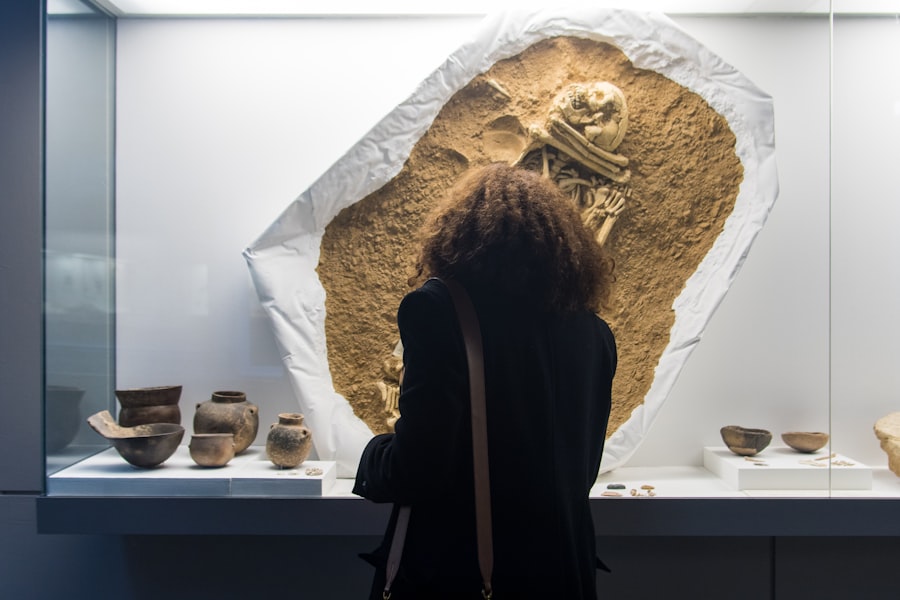
Burial practices, often accompanied by grave goods, suggest beliefs about the afterlife and a respect for the deceased. The presence of elaborate shrines or ceremonial spaces in some settlements indicates organized religious activities.
Figurines and Iconography: Glimpses into the Divine
Numerous clay figurines have been unearthed, often depicting human or animal forms. The interpretation of these figures is debated, but they likely played a role in ritualistic practices, perhaps representing deities, ancestors, or fertility symbols. The carved reliefs on megalithic structures also offer a visual language of their beliefs and mythologies.
The Sky and the Earth: Calendars and Cosmology
The cyclical nature of agricultural seasons likely led to the development of early forms of calendrical observation. The precise alignment of certain megalithic structures with celestial events, such as solstices and equinoxes, suggests a deep understanding of astronomy and its integration into their spiritual worldview.
The Ancestral Voice: Oral Traditions and Memory
While direct evidence of oral traditions from the Neolithic era is lost to time, the enduring nature of myths and stories in later societies suggests that these early communities likely possessed rich oral histories. These traditions would have been crucial for transmitting knowledge, social norms, and cultural identity across generations, filling the gaps left by the material record.
The hidden history of the Neolithic period reveals fascinating insights into early human societies and their development. For those interested in exploring how ancient cultures navigated and mapped their world, a related article delves into the intriguing topic of ancient cartography and its significance in understanding our past. You can read more about this captivating subject in the article on ancient cartography, which uncovers the forbidden knowledge that shaped early civilizations.
Unanswered Questions and Future Directions: The Enduring Enigma
| Neolithic Site | Location | Estimated Age | Significance |
|---|---|---|---|
| Göbekli Tepe | Turkey | 10,000 BCE | Oldest known religious structure |
| Skara Brae | Scotland | 3100 BCE | Well-preserved Neolithic village |
| Catalhoyuk | Turkey | 7500 BCE | Early urban settlement |
| Avebury | England | 2600 BCE | Stone circle and henge monument |
Despite centuries of dedicated research, the Neolithic era continues to present a myriad of unanswered questions and fertile ground for future exploration. The challenges are numerous, from the gradual degradation of organic materials to the interpretation of ambiguous archaeological evidence.
The Enigma of Language and Communication
One of the most significant lost secrets of the Neolithic era is the nature of their languages. Without written records, understanding their linguistic diversity, evolution, and the nuances of their communication remains largely speculative.
Deciphering the Past Through Linguistics
While direct linguistic decipherment is impossible, comparative linguistics and the study of place names in later historical periods might offer indirect clues about ancient migrations and cultural interactions.
The Spread and Interaction of Neolithic Cultures
The precise pathways and dynamics of the spread of Neolithic technologies and ideas across vast geographical areas are still being pieced together.
Challenging Diffusionist Models
Modern archaeological research often challenges simplistic diffusionist models, suggesting that innovation and adaptation occurred at multiple centers and that interactions were complex and reciprocal. Understanding the extent and nature of trade, conflict, and cultural exchange between different Neolithic groups is a crucial ongoing endeavor.
The Impact of Climate and Environment
The Neolithic revolution was undoubtedly influenced by and, in turn, influenced the environment. Understanding these interactions is vital.
Paleoenvironmental Reconstruction
Detailed paleoenvironmental reconstructions, utilizing pollen analysis, ice core data, and sediment studies, are crucial for understanding the climatic conditions that favored or hindered the development of agriculture and settlement.
Human-Environmental Relationships
Examining the archaeological evidence for resource management, land use, and environmental modification provides insights into how Neolithic societies perceived and interacted with their natural surroundings, and the long-term consequences of these relationships.
The Future of Neolithic Research: New Technologies and Interdisciplinary Approaches
The ongoing quest to uncover the lost secrets of the Neolithic era is being propelled forward by advancements in scientific technology and a growing emphasis on interdisciplinary collaboration.
Advanced Dating Techniques and DNA Analysis
Radiocarbon dating, accelerator mass spectrometry, and increasingly sophisticated DNA analysis are revolutionizing our understanding of human migrations, kinship structures, and the genetic origins of domesticated plants and animals.
Geophysical Survey and Remote Sensing
Techniques like ground-penetrating radar and aerial lidar are allowing archaeologists to identify and map buried structures and landscape modifications without extensive excavation, revealing the scale and complexity of Neolithic settlements and land use.
Computational Modeling and Big Data Analysis
The application of computational modeling and big data analysis allows researchers to process and interpret vast datasets from multiple sites and disciplines, identifying patterns and connections that might otherwise remain hidden.
The Neolithic era, though ancient, is not a static artifact of the past. It is a dynamic and evolving field of study, constantly revealing new insights that reshape our understanding of human history. Each unearthed artifact, each meticulously analyzed sample, brings us closer to understanding the ingenuity, resilience, and enduring legacy of our Neolithic ancestors, whose innovations continue to echo in the foundations of our modern world. The lost secrets of this transformative era are gradually being uncovered, offering a profound glimpse into the very genesis of human civilization.

The World Beyond Göbekli Tepe Is Far Bigger Than We Thought
FAQs
What is the Neolithic period?
The Neolithic period, also known as the New Stone Age, was a time in prehistory when humans began to settle in one place, domesticate plants and animals, and develop agriculture and pottery. It is generally considered to have begun around 10,000 BCE and ended around 4,500 BCE.
What are some key developments of the Neolithic period?
During the Neolithic period, humans transitioned from a nomadic lifestyle to a more settled existence, leading to the development of permanent settlements, the domestication of plants and animals, the invention of pottery, and the development of agriculture and animal husbandry.
What are some lesser-known aspects of the Neolithic period?
Some lesser-known aspects of the Neolithic period include the development of complex social structures, the construction of megalithic monuments such as Stonehenge, the creation of intricate artwork and jewelry, and the emergence of early forms of writing and symbolic communication.
How did the Neolithic period impact human society?
The Neolithic period marked a significant shift in human society, leading to the development of more complex and organized communities, the establishment of trade networks, the emergence of specialized labor, and the creation of religious and spiritual beliefs.
What are some examples of hidden history from the Neolithic period?
Some examples of hidden history from the Neolithic period include the discovery of ancient burial sites, the use of advanced agricultural techniques, the development of early forms of technology and craftsmanship, and the evidence of long-distance travel and cultural exchange.