
The concept of a “Mud Flood” has gained traction in recent years, particularly in online communities, as a proposed historical catastrophe that reshaped the urban landscape, filled lower stories of buildings, and obliterated evidence of a previous, advanced civilization. This article aims to explore the physical signatures attributed to such an event, examining the architectural anomalies, geological observations, and historical interpretations that fuel the theory. It’s imperative to approach this subject with a critical lens, dissecting claims and referencing established scientific and historical methodologies.
A central pillar of the Mud Flood hypothesis rests upon the observation of buildings that appear to have their lower levels partially or entirely submerged below the current ground level. Proponents argue that this isn’t merely a consequence of urban infill or subsidence, but rather evidence of a sudden, widespread depositional event.
Ground-Level Entrances Below Grade
Many older European and American cities feature structures where what would traditionally be considered a ground-floor entrance now sits significantly below the modern street level. Examples include:
- Subterranean Windows: Windows, clearly designed for light and air, are often seen at or even below the current pavement, indicating a former ground level that was much lower. These windows often reveal basements that feel disproportionately grand for mere storage, hinting at residential or commercial use.
- Basements with Elaborate Features: Some alleged “basements” possess features like vaulted ceilings, intricate stonework, fireplaces, and even ornate doorways that seem incongruous with a utilitarian subterranean space. These details suggest an original intention for above-ground habitation or public access.
- Sequential Ground Levels: In some instances, it’s possible to discern multiple historical ground levels within a single structure, where successive layers of earth and debris have accumulated, effectively burying lower stories over time. This layered effect is often cited as a direct consequence of deposition.
The “Buried City” Phenomenon
Beyond individual buildings, the Mud Flood theory suggests entire sections of cities have been buried, leading to what some consider “underground cities” or “subterranean networks.”
- Excavated Lower Stories: Historical records and modern excavations occasionally reveal entire lower stories of buildings unexpectedly, bringing to light architectural styles and street layouts that predate documented urban development. These discoveries are interpreted not as intentional underground construction, but as the unveiling of previously buried structures.
- Underground Passageways and Tunnels: While some underground networks are demonstrably utilitarian (sewer systems, metro lines), the Mud Flood theory points to other less explicable subterranean passages that appear to connect previously above-ground structures, further suggesting a buried past.
Uniformity of Burial Across Regions
A defining aspect of the Mud Flood theory is the claim of a geographically widespread, even global, uniformity in these buried structures. Proponents highlight similar architectural anomalies across continents, from European capitals to North American cities, suggesting a synchronized global event rather than isolated local phenomena. This perceived uniformity acts as a powerful argument for a singular, catastrophic cause.
The concept of the mud flood, which suggests a historical event that buried entire cities under layers of sediment, has garnered attention in various discussions about urban development and infrastructure. A related article that explores the implications of infrastructure advancements in a contemporary context is available at Mexico’s Infrastructure Boosts Nearshoring Opportunities. This piece highlights how modern infrastructure projects can reshape economic landscapes, drawing parallels to how past events, like the mud flood, have influenced the development of cities and their resilience over time.
Geological Evidence: Sedimentary Deposits and Soil Analysis
If a massive mud flood occurred, it would leave indelible marks in the geological record. The theory posits that specific types of sedimentary deposits and soil compositions are direct evidence of such an event.
Unconsolidated Sediments and Silty Layers
Geological surveys and construction excavations frequently encounter layers of unconsolidated sediments, specifically silty or clayey deposits, sometimes interspersed with debris, at varying depths below the modern surface.
- Lack of Stratification: Unlike typical fluvial or aeolian deposits that often exhibit clear stratification over long periods, some layers attributed to the Mud Flood are characterized by a more homogenous mix of fine-grained particles, consistent with a rapid, high-energy deposition.
- Inclusion of Anthropogenic Debris: The presence of bricks, pottery shards, metal fragments, and other human-made artifacts within these buried layers, especially at seemingly incongruous depths, is interpreted as further evidence of a sudden inundation that incorporated existing cultural material.
Anomalous Soil Composition
Soil samples from deeper layers often reveal compositions that are inconsistent with long-term, natural soil formation processes in those specific locales.
- Absence of Organic Matter: Deep soil layers in areas where significant above-ground biological activity would have occurred often show a surprising lack of organic matter, suggesting a rapid deposition that entombed rather than slowly organicized the existing surface.
- Magnetic Susceptibility Anomalies: Some researchers have explored changes in magnetic susceptibility within these layers, arguing that specific magnetic signatures could be indicative of high-temperature events associated with catastrophic geological processes, or even extraterrestrial impacts that could trigger mud floods.
Relationship to Catastrophic Geology
The Mud Flood theory often draws parallels with established catastrophic geological events, such as:
- Mass Wasting Events: Large-scale landslides, mudslides, and debris flows are known to rapidly bury landscapes. However, the purported global scale of the Mud Flood distinguishes it from localized mass wasting.
- Mega-Floods: The geological record contains evidence of ancient mega-floods, such as those that carved the Channeled Scablands of Washington State. While these events involved immense water volumes and transported vast quantities of sediment, their scale and mechanisms are carefully studied and generally associated with specific glacial outburst scenarios. The Mud Flood theory suggests a similar, yet globally synchronous, mechanism.
Historical Reinterpretation: The Erasure of a Past Civilization
Beyond physical signatures, the Mud Flood theory asserts a deliberate or accidental historical erasure, where the evidence of a previous civilization and the event itself were systematically underplayed or rewritten.
Discrepancies in Historical Narratives
Proponents point to gaps, inconsistencies, and seemingly abrupt changes in historical records, particularly concerning urban development and architectural styles.
- Sudden Architectural Shifts: The rapid transition from intricate, monumental architecture to simpler, more utilitarian styles in certain historical periods is sometimes viewed as evidence of a societal reset following a catastrophic event. The inability to fully replicate or understand older construction techniques further fuels this idea.
- Absence of Explanations for “Buried Basements”: Mainstream historical accounts often fail to explicitly address the phenomenon of buried lower stories, attributing them generally to urban infill or gradual subsidence. Mud Flood proponents see this lack of detailed explanation as a deliberate omission or neglect of crucial evidence.
The Problem of Orphaned Structures
In some historical contexts, certain monumental structures appear to have no clear historical antecedents or logical progression within the documented architectural timeline of a region.
- Advanced Construction Techniques: Buildings exhibiting highly refined stonework, precise joinery, and seemingly advanced engineering techniques without obvious precursors are sometimes deemed “orphaned structures.” The Mud Flood theory suggests these belong to a prior, more sophisticated civilization that was subsequently buried.
- Allegations of Re-purposing: It is further suggested that many “foundational” buildings in established historical narratives were, in fact, pre-existing structures unearthed and repurposed by subsequent generations, who then claimed original construction.
The Role of Fabrication and Misattribution
A more controversial aspect of the theory involves allegations of deliberate fabrication or misattribution of historical narratives and photographic evidence.
- Altered Photographs: Online discussions frequently feature analyses of historical photographs, suggesting alterations or strategic cropping to obscure evidence of buried buildings or discrepancies in ground levels.
- Rewritten Historical Accounts: The theory posits that official historical records were consciously or unconsciously rewritten to suppress the memory of the catastrophe and its preceding civilization, perhaps to maintain a desired narrative of linear progress or to simplify a complex past.
The Global Scope: Interconnected Phenomena

A crucial element of the Mud Flood hypothesis is its global reach. It suggests that the architectural anomalies and geological signatures are not isolated occurrences but rather manifestations of a single, worldwide event.
Synchronicity of “Burial” Events
Proponents identify what they perceive as a synchronicity in the appearance of buried building levels across disparate geographical locations, implying a common origin for the depositional event.
- Global Examples: Cities from St. Petersburg to San Francisco, from Berlin to Boston, are cited as exhibiting similar patterns of buried architecture, drawing a vast, interconnected web of evidence.
- Lack of Localized Explanations: The argument is often made that while local explanations (e.g., specific floods, urban development patterns) might account for isolated instances of buried structures, they fail to explain the high frequency and similar characteristics observed worldwide.
The Hypothetical Cause: Cataclysmic Global Event
For a truly global mud flood to occur, a cataclysmic event of immense magnitude would be required. Various hypotheses are put forth:
- Earth Changes/Pole Shifts: Some theories link the Mud Flood to dramatic geophysical events such as rapid pole shifts or crustal displacement, which could trigger widespread seismic activity, tsunamis, and massive liquefaction events, releasing vast quantities of subterranean mud and water.
- Celestial Impacts: Another hypothesis suggests a significant celestial impact event (e.g., meteor shower, comet impact) could generate seismic shockwaves and environmental devastation on a global scale, leading to widespread mudflows and atmospheric deposition.
- Volcanic Mega-Eruptions: While localized, supervolcano eruptions can cause significant ash and mudflows (lahars), a sustained and globally synchronized series of mega-eruptions would be required to explain the alleged worldwide mud flood.
The concept of the mud flood has intrigued many researchers, drawing connections to various historical events and geological phenomena. A related article that delves into the complexities of regional instability and its implications is available at Iraq’s Fragmentation: A Looming Crisis, which explores how environmental factors can contribute to societal upheaval. Understanding these interactions may shed light on the physical signature of the mud flood and its potential impact on civilizations throughout history.
Critical Evaluation and Alternative Explanations
| Metric | Description | Typical Measurement | Units |
|---|---|---|---|
| Burial Depth | Depth at which buildings or structures are partially buried by sediment | 1 – 3 | meters |
| Layer Thickness | Thickness of the mud flood sediment layer covering structures | 0.5 – 2 | meters |
| Particle Size | Average grain size of sediment particles in mud flood deposits | 0.01 – 0.1 | millimeters |
| Organic Content | Percentage of organic material found within mud flood sediments | 2 – 10 | percent (%) |
| Compaction Level | Degree of sediment compaction in mud flood layers | Medium to High | qualitative |
| Structural Damage | Extent of damage to buildings due to sediment pressure | Cracks, partial burial, foundation shifts | qualitative |
| Age of Sediment | Estimated time since mud flood sediment was deposited | 100 – 200 years | years |
While the observations put forth by Mud Flood proponents are often compelling, it is crucial to temper speculation with established scientific and historical methodologies. Many of the alleged “physical signatures” can often be explained by conventional understanding.
Urban Development and Infill
The most common mainstream explanation for buried ground levels in older cities is the natural process of urban development and infill over centuries.
- Gradual Accumulation: Streets are often raised over time due to successive layers of paving, utility installation (water, sewer, gas lines), and the deposition of refuse and debris. This gradual accumulation can lead to existing ground floors appearing partially submerged.
- Planned Grade Changes: In many cities, the original topography was significantly altered by deliberate grading projects to create flatter, more usable land for construction and transportation, leading to the burial of lower lying areas or portions of buildings.
- Subsidence: The natural settling of buildings into soft soils, particularly in areas with high water tables or reclaimed land, can cause foundations to sink, making upper stories appear lower relative to the ground.
Geological Processes and Local Flooding
Many of the geological observations can be explained by localized, well-documented processes.
- Fluvial Deposits: Rivers naturally deposit layers of silt and sand during flood events. Areas historically prone to riverine flooding often show stacked layers of sediment, sometimes containing human artifacts, without requiring a global catastrophe.
- Aeolian Deposits: Wind-blown sand and dust can bury structures over long periods, particularly in arid or semi-arid regions.
- Localized Mass Wasting: Localized landslides and mudslides, while destructive, are specific events and do not necessitate a global explanation.
Historical Interpretation and Architectural Evolution
Historical records, when thoroughly investigated, often provide context for architectural changes and structural alterations.
- Architectural Styles and Techniques: Architectural styles evolve, and what appears “advanced” in one period may simply reflect the pinnacle of known technology for that time, rather than evidence of a lost super-civilization. New techniques are often built upon earlier ones, not necessarily replacing them entirely after a catastrophe.
- Economic and Social Factors: Changes in building materials, construction methods, and urban planning are often driven by economic conditions, available resources, and social needs, rather than solely by catastrophic events. For example, rebuilding after a fire or war might lead to simpler, faster construction.
- Documentation and Preservation: The incompleteness of historical records is a common challenge, but gaps do not automatically equate to a deliberate cover-up. Fires, wars, and natural decay have destroyed countless historical documents, making comprehensive reconstruction difficult.
The Mud Flood theory, as a proposed physical signature of a forgotten past, compels investigation due to its intriguing observations and the questions it raises about our understanding of history and the geological record. However, like any alternative historical interpretation, it requires rigorous scrutiny, the corroboration of evidence from multiple disciplines, and a careful distinction between anomaly and systematic pattern. The task for future research lies in disentangling the demonstrable geological and archaeological phenomena from the more speculative aspects of a globally synchronous, cataclysmic event.
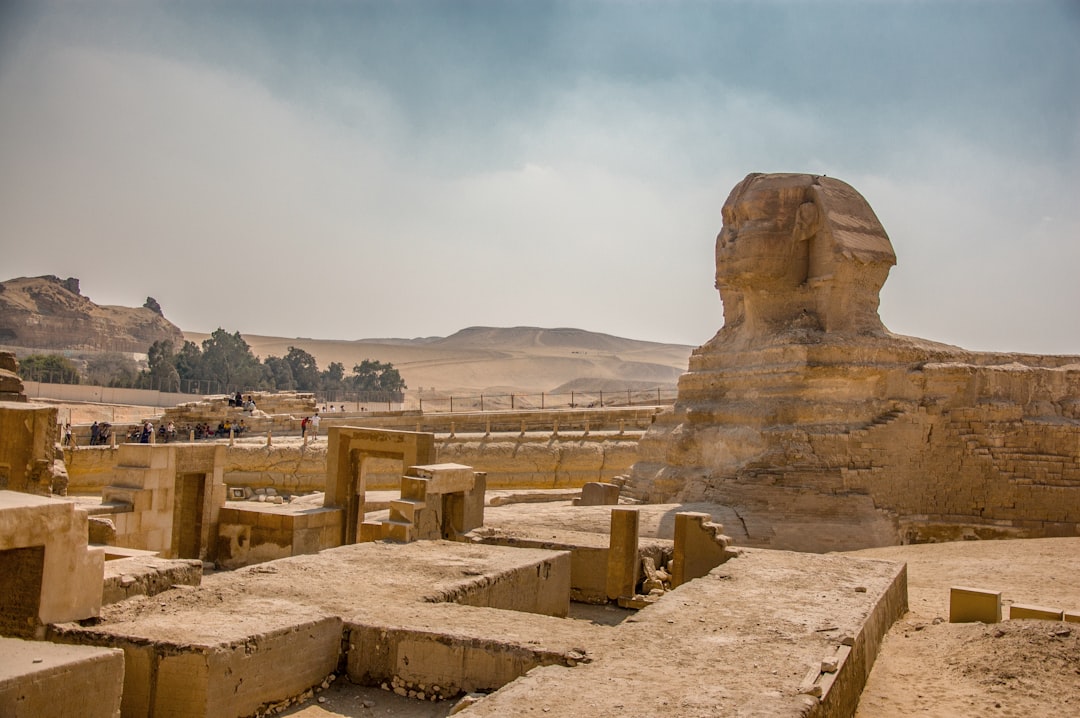
WATCH NOW ▶️ WARNING: They Erased The World Before Us
FAQs
What is the mud flood theory?
The mud flood theory suggests that a catastrophic event involving a massive flood of mud occurred in the past, covering entire cities and altering historical architecture. Proponents believe this event has been hidden or overlooked in mainstream history.
What evidence is cited as the physical signature of the mud flood?
Supporters point to architectural anomalies such as partially buried lower floors of buildings, windows and doors below current ground level, and layers of sediment or mud found in urban areas as physical signatures indicating a past mud flood event.
Are there specific locations where the mud flood’s physical signature is most evident?
Yes, many examples are cited in cities with older architecture, particularly in parts of Europe, Russia, and the United States, where buildings appear to have lower levels buried beneath current street levels.
How do mainstream historians and geologists view the mud flood theory?
Most mainstream experts consider the mud flood theory to be a fringe or pseudoscientific idea. They attribute the buried building features to natural sedimentation, urban development, or architectural design rather than a global catastrophic mud flood.
Can the physical signatures attributed to the mud flood be explained by other natural or human processes?
Yes, many of the physical features cited can be explained by gradual sediment buildup, changes in street levels over time, flooding events, or construction practices such as raising street levels to prevent water damage.