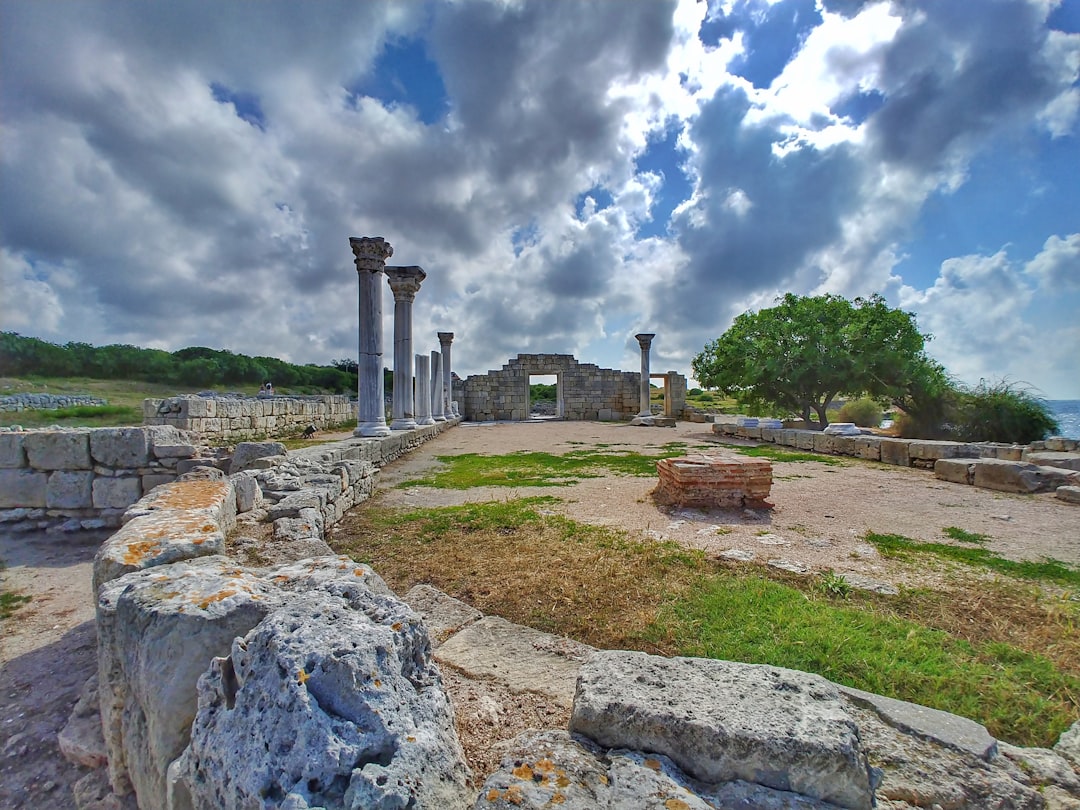
Centuries have passed since the stones of ancient temples were laid, yet a palpable energy seems to emanate from these monumental structures. They stand as silent witnesses to the ebb and flow of human civilization, their weathered facades hinting at profound secrets waiting to be unearthed. This article delves into the enduring fascination with these sacred sites, exploring their architectural marvels, the spiritual resonance they hold, and the scientific inquiries seeking to decipher their mysteries.
Ancient temples are more than just piles of stones; they are intricate tapestries woven from spiritual beliefs, societal aspirations, and advanced engineering for their time. Their enduring appeal lies in their sheer scale, their intricate artistry, and the profound sense of history they embody. These structures, often built with an understanding of cosmology and astronomy that still impresses modern scholars, served as vital centers of community life, spiritual devotion, and the recording of knowledge.
Architectural Grandeur and Symbolic Resonance
The builders of ancient temples were not merely constructing buildings; they were crafting vessels for the divine. The scale of structures like the pyramids of Giza or the temples of Angkor Wat suggests a monumental effort born from deep conviction.
The Language of Stone: Materiality and Meaning
The choice of materials was rarely arbitrary. Granite, sandstone, marble, and other stones were often selected for their durability, their symbolic associations, or their perceived energetic properties. For instance, certain stones might have been believed to channel celestial energies or possess healing qualities. The methods of quarrying, transporting, and shaping these massive blocks, often without the aid of modern machinery, speak volumes about the ingenuity and organizational capacity of these ancient societies. Consider the megalithic structures of Stonehenge or the Cyclopean walls of Mycenae; these are not random arrangements but deliberate constructions imbued with purpose.
Celestial Alignments and Cosmic Order
A recurring theme in ancient temple architecture is the precise alignment of structures with celestial events. Solstices, equinoxes, and the movements of planets were meticulously observed and incorporated into temple designs. The temples at Karnak in Egypt, for example, are famously aligned with the rising sun on the summer solstice. Similarly, Mayan observatories like El Caracol at Chichen Itza demonstrate a sophisticated understanding of astronomical cycles. This practice was not merely decorative; it reflected a worldview where the earthly realm was inextricably linked to the cosmic order, and temples served as conduits between the two.
The Power of Sacred Geometry
The use of specific geometric shapes and proportions within temple layouts is another layer of complexity. The golden ratio, fractal patterns, and other geometric principles have been observed in the designs of ancient sacred sites across the globe. These mathematical relationships, often considered harmonious and aesthetically pleasing, may have been believed to possess a deeper spiritual significance, resonating with the fundamental laws of the universe. The intricate grid patterns of some Roman temples, for example, suggest a deliberate application of geometric principles in their foundational planning.
Temples as Centers of Ritual and Community
Beyond their physical presence, ancient temples were vibrant hubs of human activity. They were places where the sacred and the mundane intersected, where the community gathered for worship, celebration, and the transmission of cultural knowledge.
The Hearth of Devotion: Practices and Beliefs
The specific rituals performed within these temples varied widely, reflecting the diverse pantheons and spiritual philosophies of different cultures. From elaborate sacrifices and processions to quiet meditation and prayer, these practices were designed to appease deities, seek blessings, and maintain cosmic balance. The stories etched into temple walls, the iconography of their statues, and the layout of their inner sanctums all provide clues to the beliefs and practices of the people who built and worshipped there. The stories of the gods and heroes depicted in the reliefs of Greek temples like the Parthenon offer a window into their spiritual landscape.
The Agora of the Divine: Social and Political Functions
Temples often served as more than just places of worship. They were also centers of economic activity, repositories of knowledge, and sometimes even crucial sites for political decision-making or royal coronations. The vast temple complexes of Mesopotamia, for instance, often included administrative buildings, libraries, and marketplaces, demonstrating their multifaceted role in society. In ancient Rome, temples were integral to the civic infrastructure, hosting important public ceremonies and embodying the power of the state.
The exploration of ancient temples and their significance in various cultures is a fascinating topic that often intersects with the study of historical artifacts and architectural techniques. For those interested in delving deeper into the complexities of ancient structures and their roles in society, a related article can be found at this link. This article discusses the broader implications of ancient teachings and how they relate to the construction and purpose of temples throughout history.
Decoding the Echoes: Scientific Investigations into Temple Energies
The enduring mystique of ancient temples has spurred numerous scientific investigations, employing cutting-edge technology to probe their physical properties and potentially identify the sources of their perceived energies. These endeavors often bridge the gap between archaeology, physics, and geology, seeking empirical evidence for phenomena that have long been observed by intuition and tradition.
Geophysical Surveys and Structural Integrity
Modern technology allows researchers to peer beneath the surface, mapping subterranean structures and assessing the stability of ancient edifices without invasive excavation. These techniques are crucial for understanding the construction methods and the long-term impact of environmental factors on these millennia-old structures.
Ground-Penetrating Radar (GPR): Unveiling the Hidden
GPR utilizes radio waves to create subsurface profiles of archaeological sites. For temples, this technology can reveal buried foundations, forgotten chambers, or evidence of past construction phases that are not visible on the surface. It is like sending tiny seismic probes to listen to the heartbeat within the earth.
Magnetic and Electrical Resistivity Surveys: Mapping Subsurface Anomalies
These surveys measure variations in the Earth’s magnetic field or its electrical resistance, which can indicate the presence of different materials or buried features. Anomalies might suggest the locations of ancient hearths, water features, or even deposits of specific minerals that could have played a role in the temple’s original construction or purpose.
Seismic Surveys: Understanding Geological Foundations
By analyzing how seismic waves travel through the ground, researchers can gain insights into the underlying geology and the stability of the temple’s foundation. This is particularly important for understanding how these massive structures have withstood earthquakes and other geological events over millennia.
Measuring Energetic Frequencies: A New Frontier
The concept of “energy” emanating from ancient sites is a complex one, often discussed in more esoteric circles. However, scientific research is beginning to explore whether there are measurable physical phenomena that could contribute to this perception.
Acoustic Properties and Resonance: The Temple as an Instrument
Some researchers propose that the architecture of ancient temples may have been deliberately designed to amplify or modify sound. The specific shapes of chambers, the materials used, and the presence of certain acoustic features could create resonant frequencies that have a profound effect on the human auditory and even sensory systems. Echoes in these spaces can linger, and some theorize that deliberate design could create a form of sonic architecture.
Electromagnetism and Geomagnetism: Earth’s Natural Forces
Ancient sites are often located in areas with specific geological or geomagnetic properties. Researchers are investigating whether these natural electromagnetic fields might interact with the materials of the temples or influence the human body in ways that contribute to the perception of special energies. The Earth itself has a magnetic field, and certain locations might naturally amplify these forces.
Bioenergetic Fields: Unexplained Phenomena
More controversial are investigations into purported bioenergetic fields or subtle energies. While scientific consensus on these phenomena is still developing, some studies have attempted to measure variations in electromagnetic radiation or other subtle energy fields in and around ancient temples. These investigations often employ sensitive equipment designed to detect minute fluctuations in energy.
The Human Element: Experiencing the Timeless Frequency
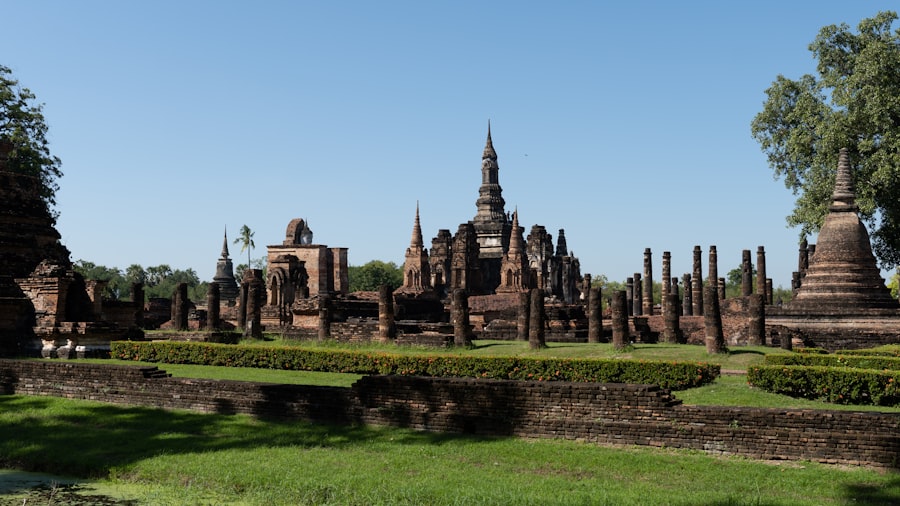
Ultimately, the mystery of ancient temples is deeply intertwined with the human experience. Beyond scientific measurements, the profound sense of connection and awe felt by visitors speaks to something intangible, a resonance that transcends mere bricks and mortar.
The Psychology of Sacred Spaces
The very act of entering a space designed for reverence can trigger a shift in human consciousness. The scale, the silence, the historical weight, and the often-serene atmosphere can induce feelings of peace, introspection, and a sense of belonging to something larger than oneself.
Presence and Place: The Immersive Environment
The careful design of ancient temples, from the approach to the inner sanctum, creates a carefully orchestrated experience. The journey itself, the play of light and shadow, and the texture of the materials all contribute to an immersive environment that engages multiple senses and invites contemplation. Think of traversing a long, dimly lit hallway that gradually opens into a vast, sunlit courtyard; the transition is designed to build anticipation and impact.
Collective Memory and Cultural Resonance
These sites are inextricably linked to the collective memory of humanity. They represent enduring symbols of our ancestors’ aspirations, their struggles, and their deep connection to the spiritual realm. Visiting these places can act as a powerful reminder of our shared human story and the continuity of cultural traditions.
The Intangible Affect: A Sense of the Sacred
For many, the experience of an ancient temple is characterized by a palpable sense of the sacred. This feeling, while difficult to quantify, is a powerful aspect of their allure and underscores the enduring human need for spiritual connection and meaning. It is akin to standing on the edge of a vast ocean; the scale and immensity inspire a deep emotional response.
Preserving the Legacy: Protecting Ancient Temples for Future Generations

The enduring power of ancient temples also brings with it the responsibility of their preservation. These invaluable sites are vulnerable to the ravages of time, natural disasters, and the impact of human activity. Protecting them is crucial for ensuring that their stories and their mysteries continue to resonate.
Challenges to Preservation: Time, Nature, and Humanity
The very materials that have allowed these structures to endure for millennia are also susceptible to decay. Weathering, erosion, and seismic activity pose constant threats.
Environmental Factors: Weathering and Erosion
Rain, wind, and temperature fluctuations can gradually wear away at stone and mortar. In coastal areas, salt spray can accelerate the deterioration of porous materials.
Natural Disasters: Earthquakes and Floods
Ancient temples are often located in geologically active regions, making them vulnerable to earthquakes. Flooding can also cause structural damage and erode foundations.
Human Impact: Tourism and Development
While tourism can provide economic benefits and raise awareness, uncontrolled visitor numbers can lead to physical damage through wear and tear. Urban development encroaching on historical sites can also pose a threat.
Conservation Strategies: Ensuring Continuity
Modern conservation techniques employ a multidisciplinary approach to safeguard these precious relics.
Stabilization and Reinforcement: Strengthening the Bones
Technicians meticulously assess and repair damaged structures, often using materials and techniques that are compatible with the original construction. This might involve reinforcing foundations, stabilizing crumbling walls, or repairing intricate carvings.
Environmental Monitoring and Control: Managing the Microclimate
For enclosed spaces or particularly sensitive artifacts, environmental controls can be implemented to regulate humidity and temperature, preventing further decay.
Sustainable Tourism Management: Balancing Access and Preservation
Developing responsible tourism practices is essential. This includes limiting visitor numbers in sensitive areas, educating tourists on appropriate behavior, and ensuring that visitor facilities do not detract from the historical integrity of the site.
Exploring the mysteries of ancient temples often leads to fascinating discoveries about the civilizations that built them. A related article discusses the geological evidence found in subglacial Antarctica, shedding light on how ancient cultures may have interacted with their environments. This intriguing connection can be found in the article, which delves into the implications of geological formations on historical human activity. For more insights, you can read the full article here.
The Enduring Questions: What Do Ancient Temples Truly Hold?
| Region | Number of Ancient Temples | Average Age (Years) | Most Common Architectural Style | Frequency of Visits (per year) |
|---|---|---|---|---|
| South Asia | 1,200 | 1,500 | Dravidian | 5,000,000 |
| East Asia | 900 | 1,200 | Pagoda | 3,200,000 |
| Middle East | 700 | 2,000 | Mesopotamian | 1,800,000 |
| Europe | 500 | 1,800 | Romanesque | 2,500,000 |
| Central America | 350 | 1,000 | Mayan | 1,200,000 |
Despite extensive research and the progress made in understanding their construction and purpose, ancient temples continue to hold a profound sense of mystery. They are more than just historical artifacts; they are enigmas that invite ongoing exploration and contemplation.
The Unseen Threads: Connecting Past and Present
What is it about these places that continues to captivate us after so many centuries? Is it simply the grandeur of their architecture, or is there an underlying frequency, a timeless resonance that speaks to us on a deeper level?
The Metaphor of the Anchor: Grounding in a Transient World
Ancient temples might be seen as anchors in the turbulent sea of human history. They provide a tangible link to our past, offering a sense of grounding and continuity in an ever-changing world. Their enduring presence reminds us of the long arc of human endeavor and the cyclical nature of civilizations.
The Echo of the Infinite: Aspirations and the Divine
These structures were often built with the aspiration to touch the divine, to create a bridge between the earthly and the celestial. They represent humanity’s enduring quest for meaning, for connection to something greater than ourselves, and for understanding our place in the cosmos.
The Unfolding Tapestry: A Journey of Discovery
The study of ancient temples is an ongoing journey of discovery. Each artifact unearthed, each architectural detail analyzed, and each scientific measurement taken adds another thread to the rich tapestry of our understanding. The enduring mysteries of these sacred sites ensure that they will continue to inspire wonder, curiosity, and a lifelong pursuit of knowledge for generations to come. They are not static relics but living testaments to the ingenuity, spirituality, and enduring human spirit that continue to echo through time.
FAQs
What does the term “frequency” refer to in the context of ancient temples?
In the context of ancient temples, “frequency” often refers to the vibrational energy or sound frequencies that these structures are believed to emit or resonate with, which some theories suggest were used for spiritual or healing purposes.
Were ancient temples designed with specific frequencies in mind?
Some researchers and historians propose that ancient temples were architecturally designed to enhance or produce certain sound frequencies, using materials and shapes that amplify vibrations, although definitive scientific evidence is still a subject of study.
How did ancient cultures use frequency in their temple rituals?
Many ancient cultures incorporated chanting, drumming, or musical instruments in temple rituals, which produced specific sound frequencies believed to facilitate meditation, healing, or communication with the divine.
Can the frequency of ancient temples be measured today?
Yes, modern technology such as acoustic analysis and frequency measurement tools can be used to study the sound properties and resonances within ancient temples, helping researchers understand their acoustic design.
Why is the study of frequency in ancient temples important?
Studying frequency in ancient temples helps us gain insight into the technological and spiritual knowledge of ancient civilizations, revealing how they may have used sound and vibration to enhance religious experiences and architectural design.