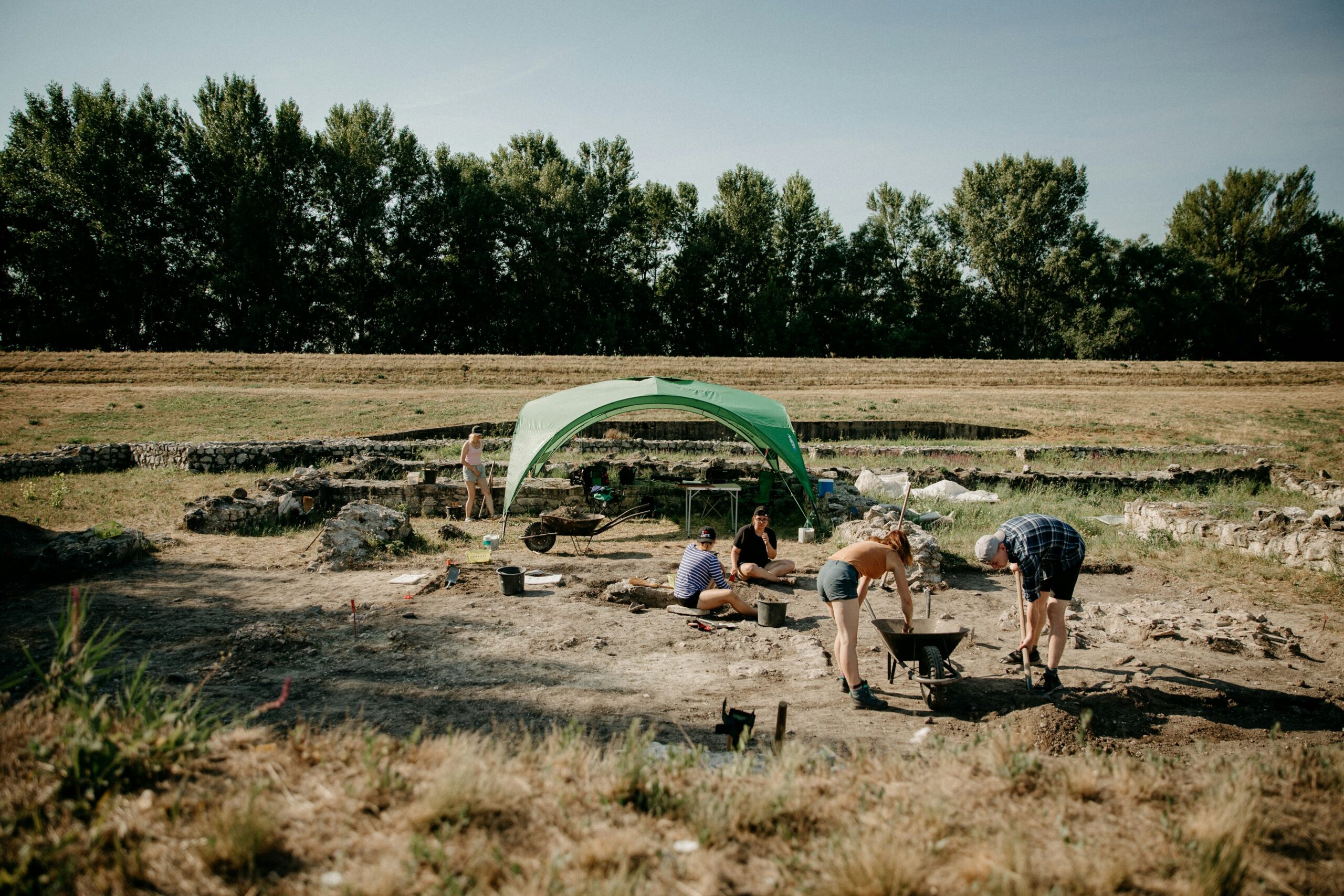
The sands of Egypt have long held secrets, whispering tales of pharaohs, gods, and an civilization that continues to captivate the world. For centuries, archaeologists have dedicated themselves to deciphering these ancient narratives, unearthing not just artifacts, but the very foundations of human history. The pursuit of understanding ancient Egypt is a monumental undertaking, a continuous unraveling of mysteries that requires a blend of scientific rigor, meticulous excavation, and an unwavering passion for the past.
The fascination with ancient Egypt predates modern archaeology. Travelers and scholars from antiquity, including the Greek historian Herodotus, marveled at the colossal pyramids and intricate temples, attempting to interpret their purpose and the lives of those who built them. However, it was the Napoleonic expedition in the late 18th century that truly ignited a systematic, albeit often destructive, interest in Egyptian antiquities.
Napoleon’s Campaign and the Birth of Egyptology
Napoleon Bonaparte’s military campaign in Egypt was accompanied by a legion of scientists, scholars, and artists tasked with documenting the country’s natural wonders and ancient heritage. This ambitious undertaking resulted in the monumental Description de l’Égypte, a multi-volume work that brought the wonders of ancient Egypt to a wider European audience. While some of the methods employed by the expedition were questionable by today’s standards, including the removal of significant artifacts, it undeniably sparked a global interest in the field that would become known as Egyptology.
The Rosetta Stone: A Key to Understanding
Perhaps the most significant discovery stemming from this era was the Rosetta Stone. Unearthed by French soldiers in 1799, this granodiorite slab bore inscriptions in three scripts: hieroglyphic, Demotic, and ancient Greek. For centuries, the meaning of Egyptian hieroglyphs had been lost, rendering a vast portion of the civilization’s written record inaccessible. The presence of the Greek inscription, which scholars could understand, provided the crucial key for decipherment.
The Genius of Jean-François Champollion
The painstaking work of unlocking the secrets of hieroglyphs was a protracted and complex process. While many scholars contributed, it was the brilliant French linguist Jean-François Champollion who, in 1822, announced his groundbreaking decipherment. By meticulously comparing the scripts on the Rosetta Stone and other inscriptions, Champollion cracked the code, opening a floodgate of information about Egyptian history, religion, and daily life. His achievement was a turning point, transforming archaeology from a pursuit of curiosities into a scientific discipline capable of understanding ancient civilizations in their own terms.
Before the rise of ancient Egypt, the study of archaeology reveals fascinating insights into earlier civilizations that laid the groundwork for future cultures. One such intriguing exploration can be found in the article titled “Exploring the Forbidden Room: Ancient City Ruins,” which delves into the remnants of ancient urban centers that predate the Egyptian empire. This article highlights the significance of these ruins in understanding the social, economic, and cultural dynamics of early human societies. To read more about these captivating archaeological findings, visit Exploring the Forbidden Room: Ancient City Ruins.
Excavating the Sacred and the Royal: Temples and Tombs
The allure of ancient Egypt lies not only in its grand monuments but also in the intimate glimpse it offers into the lives and beliefs of its people. Archaeologists have focused intensely on uncovering and preserving the sacred spaces and the elaborate burial grounds that served as testaments to their spiritual and regal aspirations.
The Majestic Temples: Centers of Worship and Power
The colossal temples of Luxor, Karnak, and Abu Simbel stand as enduring symbols of Egyptian religious devotion and royal authority. Their massive scale, intricate carvings, and astronomical alignments speak to a sophisticated understanding of engineering, architecture, and cosmology. Excavations within these sites have revealed altars, chapels, obelisks, and statues that provide invaluable insights into the pantheon of Egyptian gods, the rituals performed, and the pharaohs’ divine connection to the gods.
Decoding the Hieroglyphs on Temple Walls
The walls of these temples are adorned with a rich tapestry of hieroglyphic inscriptions and detailed reliefs. These inscriptions are not merely decorative; they are historical records, religious texts, and accounts of royal decrees and military victories. Archaeologists meticulously document and translate these inscriptions to reconstruct the history of the temples, the reigns of the pharaohs who commissioned them, and the evolution of religious practices over millennia. The narrative of the pharaoh’s journey to the afterlife, their battles against chaos, and their role as intermediaries between the gods and humanity are vividly depicted.
The Enigmatic Tombs: Residences for Eternity
The tombs of ancient Egypt, from the humble predynastic burials to the elaborate royal sarcophagi in the Valley of the Kings, are windows into their profound belief in an afterlife. The Egyptians meticulously prepared for death, believing it to be a transition to another existence, and their tombs were designed as eternal homes, equipped with everything the deceased would need.
The Pyramids: Monuments to Immortality
The iconic pyramids of Giza, Sneferu’s Bent Pyramid, and the Step Pyramid of Djoser are testaments to the ingenuity and ambition of the Old Kingdom. Their construction required immense logistical planning, sophisticated quarrying techniques, and a deep understanding of geometry and astronomy. Archaeological investigations within and around these pyramids have revealed hidden chambers, burial shafts, and the surrounding mortuary complexes, offering clues about the royal administration, the labor force involved, and the rituals associated with royal burial.
Unraveling the Secrets of the Great Pyramid
The Great Pyramid of Giza, the tomb of Pharaoh Khufu, has been a subject of intense archaeological scrutiny for centuries. While its primary purpose as a tomb is widely accepted, the exact methods of its construction and the presence of certain chambers continue to fuel debate and inspire new research. Ongoing efforts focus on non-invasive techniques, such as ground-penetrating radar and muon tomography, to explore internal structures and potential hidden passages, further refining our understanding of its construction and intended purpose.
The Treasures of Tutankhamun: A Glimpse into Royal Wealth
The discovery of Tutankhamun’s largely intact tomb in 1922 by Howard Carter remains one of the most sensational archaeological finds in history. The tomb, filled with an astonishing array of treasures – gold masks, intricate jewelry, chariots, furniture, and sarcophagi – provided an unprecedented glimpse into the wealth and artistry of the New Kingdom royal court. The careful excavation and documentation of these artifacts have offered invaluable insights into the burial practices, religious beliefs, and daily life of a pharaoh, albeit a relatively minor one.
The Importance of Context in Tutankhamun’s Tomb
The significance of Tutankhamun’s tomb extends beyond its material wealth. The precise placement of every object within the tomb, the inscriptions on its walls, and the sarcophagi themselves all contribute to a comprehensive understanding of ancient Egyptian funerary beliefs and practices. The meticulous recording of the excavation process, including the state of preservation of organic materials and the spatial relationships between artifacts, allows archaeologists to reconstruct the rituals performed during the burial and the symbolic meaning attached to each item.
Daily Life Unearthed: Beyond the Pharaohs and Temples
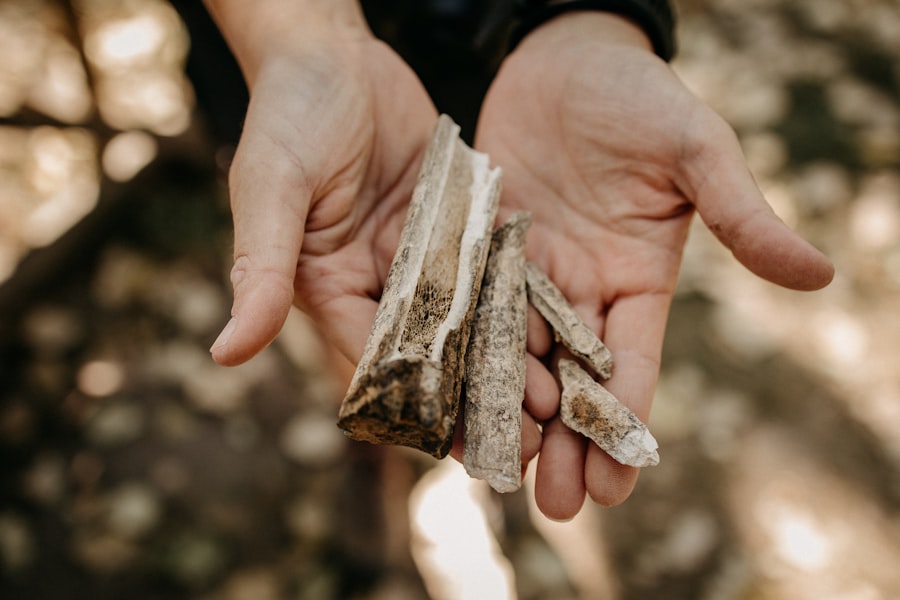
While the grand monuments and royal tombs often dominate public imagination, archaeology in ancient Egypt also delves into the lives of ordinary people. Excavations of villages, settlements, and workshops reveal the fabric of everyday existence, providing a more complete picture of this complex society.
Uncovering the Homes and Lives of Commoners
Archaeologists have excavated numerous settlements, from ancient villages like Deir el-Medina, the village of the tomb builders, to larger urban centers. These sites reveal the layout of houses, the tools used for crafts and agriculture, pottery, and evidence of their diets and social structures. By examining the refuse piles, the remnants of meals, and the tools of their trade, archaeologists can reconstruct the routines, challenges, and pleasures of life for the farmers, artisans, and laborers who formed the backbone of Egyptian society.
Deir el-Medina: A Window into the Lives of Artisans
The village of Deir el-Medina, located on the west bank of the Nile opposite Luxor, is a remarkable example of an archaeological site that provides unparalleled insight into the lives of a specific community. This village housed the skilled artisans and laborers responsible for constructing and decorating the royal tombs in the Valley of the Kings. Excavations here have uncovered houses, their contents, and importantly, numerous ostraca (inscribed pottery shards and limestone flakes) that offer a personal glimpse into their daily concerns, disputes, medical treatments, and even their artistic endeavors.
The Economic Engine: Agriculture, Trade, and Craftsmanship
Ancient Egypt was a sophisticated society with a complex economy. Archaeological evidence helps to understand how this economy functioned, from the vital agricultural practices that sustained the population to the extensive trade networks and the remarkable craftsmanship that characterized Egyptian society.
The Nile: The Lifeline of an Empire
The Nile River was the central artery of ancient Egypt, dictating its agricultural cycles, transportation routes, and settlement patterns. Archaeological research has explored the remnants of irrigation systems, agricultural tools, and the distribution of food surpluses, illustrating the profound impact of the river on Egyptian civilization. Evidence of grain storage facilities and the analysis of ancient pollen reveal the types of crops cultivated and the agricultural techniques employed.
Understanding Ancient Egyptian Farming Techniques
Through the study of ancient texts and the physical remains of agricultural tools and practices, archaeologists have pieced together a detailed understanding of how the Egyptians farmed. This includes their use of floodplains for fertile silt deposition, their sophisticated irrigation systems involving canals and basins, and their crop rotation practices. The discovery of depictions of farming activities in tomb paintings and reliefs further enhances this understanding.
Evidence of Trade and Exchange
The presence of goods from distant lands within Egyptian archaeological contexts indicates extensive trade networks. Artifacts like precious stones, timber, and exotic animals found in tombs and settlements point to exchanges with regions as far as Punt, Nubia, and the Levant. The identification of specific trade routes and the analysis of goods exchanged help to illuminate Egypt’s economic relationships with its neighbors and its position within the broader ancient world.
The Scientific Revolution in Archaeology: New Technologies and Methodologies
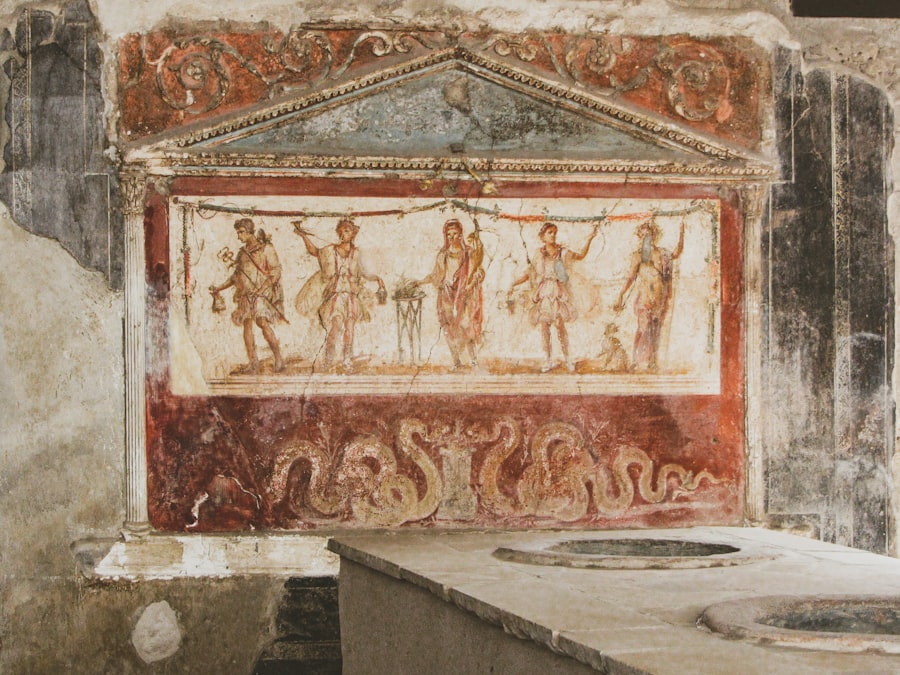
Modern archaeology in Egypt has been transformed by the advent of advanced scientific technologies. These tools allow for more precise dating, non-invasive exploration, and a deeper understanding of the materials and processes involved in ancient Egyptian life.
Radiocarbon Dating and Chronological Precision
Radiocarbon dating, a scientific method that measures the decay of radioactive carbon isotopes in organic materials, has revolutionized our ability to establish accurate timelines for ancient Egyptian history. By dating organic remains found in tombs, settlements, and artifacts, archaeologists can provide more precise chronological frameworks, refining our understanding of the rise and fall of dynasties and the evolution of cultural practices.
Refining the Timeline of Dynastic Egypt
Before radiocarbon dating, the chronology of ancient Egypt was largely based on king lists and historical inscriptions, which could be subject to interpretation and inaccuracies. The application of radiocarbon dating to a wide range of organic samples from different periods has helped to calibrate and confirm these traditional chronologies, offering a more robust and scientifically supported timeline of Egyptian history, from the Predynastic period to the Ptolemaic era.
Geophysical Surveys: Peering Beneath the Sands
Geophysical survey techniques, such as ground-penetrating radar (GPR), magnetometry, and electrical resistivity, allow archaeologists to detect subsurface anomalies without disturbing the ground. These non-invasive methods can reveal buried structures, tombs, and even entire settlements, guiding excavation efforts and minimizing the destructive impact of fieldwork.
Mapping Hidden Structures and Lost Cities
GPR has been instrumental in identifying previously unknown structures, including potential tomb shafts and subterranean chambers, particularly in areas where surface evidence is scarce. Magnetometry can detect variations in the Earth’s magnetic field caused by buried features like kilns, hearths, and rammed earth structures. These technologies enable archaeologists to build detailed maps of buried landscapes, revealing the extent and organization of ancient sites before even beginning to dig.
DNA Analysis: Unlocking Genetic Histories
The analysis of ancient DNA, extracted from human and animal remains, is providing unprecedented insights into the genetic makeup, migrations, and health of ancient Egyptian populations. This research can shed light on relationships between different populations, the impact of disease, and the genetic origins of domesticated animals.
Tracing Ancestry and Migration Patterns
By comparing ancient Egyptian DNA with that of modern populations and other ancient groups, scientists can trace ancestry and migration patterns. This research has helped to understand the connections between ancient Egyptians and their neighbors in Africa and the Near East, challenging previous assumptions and offering a more nuanced view of the demographic history of the region.
Archaeology offers fascinating insights into human history, and one intriguing area of study is the civilizations that existed before ancient Egypt. For example, the Sumerians, who inhabited Mesopotamia, developed one of the earliest known writing systems and made significant advancements in agriculture and urban planning. Their contributions laid the groundwork for future societies, including those in Egypt. To explore more about how government policies can impact archaeological findings and heritage, you can read this informative article on the subject. It highlights the importance of protecting our historical treasures while navigating modern legal frameworks. You can find it here: government policies and archaeology.
The Ethical Imperative: Preservation and Respect for Cultural Heritage
| Region | Time Period | Notable Findings |
|---|---|---|
| Mesopotamia | 10,000-3,000 BCE | Ubaid pottery, Uruk period |
| Indus Valley | 3,300-1,300 BCE | Mohenjo-daro, Harappa |
| Ancient China | 7,000-2,000 BCE | Yangshao culture, Longshan culture |
| Ancient Greece | 3,000-1,000 BCE | Mycenaean civilization, Minoan civilization |
As the field of archaeology matures, so too does the understanding of its ethical responsibilities. The preservation of ancient Egyptian sites and artifacts, and the respectful engagement with descendant communities, are paramount concerns.
The Challenge of Looting and Illicit Trafficking
The immense value of ancient Egyptian artifacts makes them targets for looting and illicit trafficking. Archaeological sites are constantly under threat, and the removal of artifacts outside of proper scientific contexts leads to an irreversible loss of historical information. Efforts to combat this involve collaboration between archaeologists, law enforcement, and international organizations.
Protecting Sites and Prosecuting Criminals
Combating looting requires a multi-faceted approach. This includes working with local communities to raise awareness of the importance of heritage protection, implementing advanced security measures at archaeological sites, and advocating for stronger laws and stricter enforcement against those involved in the illicit trade of antiquities. International cooperation is crucial in repatriating stolen artifacts and dismantling trafficking networks.
The Role of Museums and Public Engagement
Museums play a vital role in showcasing the wonders of ancient Egypt to the public, fostering education and appreciation for this rich heritage. However, debates surrounding the repatriation of artifacts held in foreign institutions continue to shape the discourse on cultural ownership and responsibility.
Towards Responsible Stewardship of Global Heritage
The question of where ancient artifacts should be housed is a complex one. While museums have historically played a crucial role in preserving and exhibiting these objects, there is a growing recognition of the importance of cultural patrimony and the rights of descendant nations. Responsible stewardship involves open dialogue, collaboration, and the exploration of solutions that honor both the preservation of artifacts and the cultural heritage of their origin.
Collaboration and Capacity Building with Egypt
Modern archaeology in Egypt increasingly emphasizes collaboration with Egyptian scholars and institutions. This approach fosters local expertise, ensures that the benefits of archaeological work accrue to Egypt, and promotes the long-term preservation of its cultural heritage by those who have the most vested interest.
Empowering Egyptian Archaeologists and Researchers
Investing in the training and education of Egyptian archaeologists and researchers is crucial for the sustainable management and interpretation of their country’s vast archaeological resources. By supporting local institutions and fostering partnerships, international archaeological missions can ensure that the legacy of ancient Egypt is understood and preserved by future generations of Egyptians themselves. The ongoing excavation, research, and preservation efforts in Egypt represent a dynamic and evolving field, constantly pushing the boundaries of our knowledge and deepening our appreciation for one of humanity’s most extraordinary civilizations. The mysteries of ancient Egypt, though slowly yielding to scientific inquiry, continue to inspire awe and fuel the enduring quest to understand our shared human past.

260 Ancient Graves Were Hiding in This “Empty” Desert
FAQs
What is archaeology?
Archaeology is the study of human history and prehistory through the excavation and analysis of artifacts, structures, and other physical remains.
What time period does archaeology cover before ancient Egypt?
Archaeology covers the time period before ancient Egypt, which includes the Paleolithic, Mesolithic, and Neolithic periods, as well as the Bronze Age and Iron Age.
What are some key findings from archaeology before ancient Egypt?
Some key findings from archaeology before ancient Egypt include the discovery of early human tools, cave paintings, burial sites, and evidence of early agricultural practices and domestication of animals.
How does archaeology contribute to our understanding of prehistoric societies?
Archaeology contributes to our understanding of prehistoric societies by providing insights into their daily lives, social structures, technological advancements, and cultural practices through the analysis of artifacts and remains.
What are some challenges in studying archaeology before ancient Egypt?
Some challenges in studying archaeology before ancient Egypt include the preservation of artifacts and sites, deciphering ancient languages and symbols, and interpreting the significance of cultural practices and rituals.