The ancient world whispers its secrets through weathered stones and buried artifacts, offering tantalizing glimpses into the lives of those who came before. In the fertile crescent of southeastern Turkey lies a region of profound archaeological significance: Taş Tepeler. This vast, sprawling landscape, dotted with telltale mounds, has for millennia guarded its treasures from the casual observer. However, a groundbreaking documentary, “Uncovering the Mysteries of Taş Tepeler: Archaeology Documentary,” promises to peel back the layers of time and reveal the astonishing stories held within this enigmatic archaeological frontier. This article delves into the core themes and discoveries explored within the documentary, highlighting its impact on our understanding of early human civilization.
The documentary meticulously guides viewers through the revolutionary discoveries that have reshaped our understanding of prehistoric human capabilities. For decades, the prevailing narrative posited that complex societies, with their capacity for monumental construction, arose only after the advent of agriculture, with settled populations and surplus resources. “Uncovering the Mysteries of Taş Tepeler” challenges this long-held assumption head-on.
Göbeklitepe: The Temple that Rewrote History
The film places significant emphasis on Göbeklitepe, a site that has rightly earned the moniker “the world’s first temple.” The documentary meticulously details the ongoing excavation and analysis of this extraordinary Neolithic complex. Viewers are treated to stunning visuals of the massive T-shaped obelisks, many weighing several tons and adorned with intricate carvings of animals, abstract symbols, and even human figures.
The Astonishing Scale of Construction
The documentary highlights the sheer audacity of the undertaking. These structures were not built by a sedentary, agrarian society with domesticated animals and advanced tools. Instead, they were erected by hunter-gatherer communities, a notion that sent shockwaves through the archaeological world upon Göbeklitepe’s initial discovery and subsequent dating. The film emphasizes the immense manpower, organizational skills, and sophisticated knowledge of engineering and astronomy that must have been required to quarry, transport, and erect these colossal pillars.
The Enigmatic Purpose: Ritual and Symbolism
Beyond the physical feat of construction, the documentary delves into the profound questions surrounding the purpose of Göbeklitepe. The absence of evidence for domestic dwellings, hearths, or any significant signs of permanent settlement suggests a primary function as a ritualistic or ceremonial center. Experts featured in the film discuss various theories, from astronomical observatories to sites of shamanistic practices, communal gatherings, and the veneration of celestial bodies or animal spirits. The intricate carvings themselves are presented not as mere decoration but as a complex visual language, potentially depicting creation myths, ancestral stories, or spiritual beliefs that have long been lost to us.
Karahan Tepe and the Expanding Picture
While Göbeklitepe often commands the spotlight, the documentary wisely broadens its scope to include other significant sites within Taş Tepeler, such as Karahan Tepe. This site, with its distinct architectural features and unique carvings, further enriches the narrative of this prehistoric period.
Distinctive Ritual Spaces
The film showcases the unique aspects of Karahan Tepe, revealing evidence of what appear to be smaller, more intimate ritual spaces. These areas, some with stone benches and carved elements, suggest a diversity of practices within the broader ceremonial landscape. The documentary explores how Karahan Tepe might have complemented or interacted with Göbeklitepe, painting a more nuanced picture of the social and religious organization of these early communities.
New Interpretations of Symbolism
The carvings at Karahan Tepe, while sharing some thematic elements with Göbeklitepe, also introduce new symbols and motifs. The documentary’s experts offer fresh interpretations, suggesting that these variations might reflect regional differences, evolving belief systems, or even distinct groups contributing to the broader ceremonial complex. This highlights the dynamic and evolving nature of these early societies.
The Taş Tepeler archaeology documentary sheds light on the fascinating discoveries made in ancient Anatolia, revealing the rich history and cultural significance of the region. For those interested in further exploring historical cartography, a related article discusses the recent confirmation by the U.S. military regarding the authenticity of the Piri Reis map, which offers intriguing insights into early navigation and geography. You can read more about this captivating topic in the article available at this link.
The Hunter-Gatherer Revolution: Redefining Prehistory
The very existence of Taş Tepeler, and particularly Göbeklitepe, forces a radical re-evaluation of the capabilities and social structures of hunter-gatherer societies. The documentary dedicates significant segments to exploring this “hunter-gatherer revolution.”
Beyond Subsistence: The Rise of Complex Social Organization
The film challenges the simplistic portrayal of hunter-gatherers as purely subsistence-driven groups with rudimentary social structures. The monumental constructions at Taş Tepeler imply a level of social cohesion, cooperation, and hierarchical organization that was previously unthinkable for pre-agricultural societies.
Leadership and Collective Action
The documentary posits that the construction of these massive sites would have required strong leadership, effective communication, and the ability to mobilize and sustain large workforces over extended periods. This suggests the presence of individuals or groups who could command authority, organize labor, and manage resources, even without the established structures of a settled agricultural society.
Shared Beliefs and Identity
The consistent artistic styles and recurring motifs across different sites within Taş Tepeler point towards a shared cultural identity and a common set of beliefs that bound these disparate groups together. The documentary explores how these shared rituals and constructions may have served to reinforce social bonds, solidify group identity, and transmit knowledge and traditions across generations.
The Role of Religion in Societal Development
One of the most compelling arguments presented in the documentary is the central role of religion and ritual in driving societal development. It proposes that the desire to appease deities, honor ancestors, or perform complex ceremonies may have been the primary motivators behind the monumental construction projects, rather than immediate practical needs.
Spiritual Motivation as a Catalyst
The film suggests that a shared spiritual impetus could have provided the necessary social glue and collective purpose to inspire such ambitious undertakings. The construction of sacred sites would have been a unifying force, fostering a sense of community and shared endeavor that transcended individual needs.
The “Religion First” Hypothesis
This “religion first” hypothesis, as presented in the documentary, offers a powerful alternative to the traditional “agriculture first” model. It suggests that complex social organization and the development of advanced cognitive abilities may have been driven by the need to manage and engage with the spiritual realm, leading to the development of complex societal structures that later facilitated the adoption of agriculture.
Decoding the Iconography: A Visual Language of the Past

The intricate carvings found at Taş Tepeler are not merely decorative; they are a sophisticated visual language that offers invaluable insights into the beliefs, cosmology, and worldview of these ancient peoples. “Uncovering the Mysteries of Taş Tepeler” dedicates considerable attention to decoding this enigmatic iconography.
The Taş Tepeler archaeology documentary offers a fascinating glimpse into ancient civilizations and their cultural practices. For those interested in the broader implications of historical sites on modern geopolitics, a related article discusses the complexities of territorial disputes in the region. You can explore this topic further in the article on navigating border disputes, which highlights how archaeological findings can influence contemporary issues. To read more about this intricate relationship, visit navigating border disputes.
The Menagerie of Symbols: Animals and Their Significance
The documentary meticulously analyzes the diverse array of animals depicted in the carvings, from powerful predators like lions and snakes to birds and other creatures. Experts discuss the potential symbolic meanings attributed to these animals, drawing parallels with known mythologies and cultural interpretations from around the world.
Totemic Beliefs and Spiritual Connections
The frequent depiction of animals, particularly in dominant poses, suggests a possible connection to totemic beliefs or a deep reverence for the natural world. The film explores the idea that these animals may have represented ancestral spirits, divine entities, or powerful forces of nature that held significant meaning for the communities.
Symbolic Narratives and Cosmological Understanding
The documentary probes the possibility that the arrangement and juxtaposition of different animals within the carvings tell stories or depict elements of their cosmology. The presence of seemingly abstract symbols alongside animal figures further deepens the mystery, suggesting a complex system of communication and a nuanced understanding of their place in the universe.
Abstract Glyphs and Their Potential Meanings
Beyond the animal imagery, Taş Tepeler sites also feature a fascinating array of abstract glyphs and symbols. The documentary explores the challenges and possibilities associated with deciphering these enigmatic markings.
Towards a Prehistoric Script?
The presence of recurring, organized patterns of these glyphs has led some researchers to speculate whether they represent an early form of proto-writing or symbolic notation. The film discusses the ongoing efforts to identify patterns, establish potential meanings, and explore the possibility of a rudimentary communication system.
Connecting the Dots: Symbolism and Ritual
The documentary emphasizes the interconnectedness of the animal imagery and the abstract symbols. It suggests that these elements likely worked in conjunction to convey complex meanings within the context of their rituals and belief systems, forming a cohesive visual narrative that has largely eluded modern interpretation.
The Impact on Modern Understanding: Reshaping Our Past
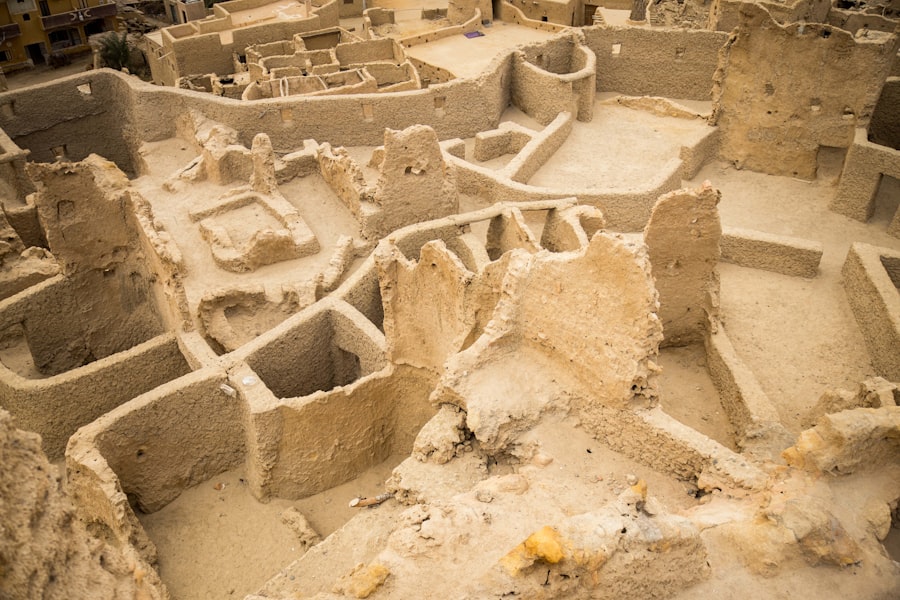
The discoveries at Taş Tepeler, as vividly presented in the documentary, have had a profound and far-reaching impact on our understanding of human history. They have not only rewritten textbooks but also challenged deeply ingrained assumptions about human progress and the drivers of civilization.
A New Timeline for Human Ingenuity
The documentary effectively communicates how Taş Tepeler has pushed back the timeline for monumental construction and complex social organization by millennia. This forces a reassessment of the evolutionary trajectory of human intelligence and social capabilities.
The Neolithic Revolution Revisited
The film argues that the narrative of the Neolithic Revolution, traditionally centered on the adoption of agriculture, needs to be expanded to include the significant societal developments that preceded it. Taş Tepeler suggests that human ingenuity and the capacity for complex social structures may have been present long before the advent of settled farming.
Challenging Evolutionary Determinism
By showcasing the sophisticated achievements of hunter-gatherer societies, the documentary challenges any notions of a linear, predetermined path of human development. It highlights the adaptability and diverse potential of human societies to achieve complex cultural and social milestones through different routes.
The Enduring Power of Belief and Community
The documentary underscores the potent role of shared beliefs, communal effort, and spiritual endeavors in shaping human societies, even in their earliest stages.
The Social Glue of Shared Rituals
The film illustrates how collective engagement in elaborate rituals and the construction of monumental sacred sites could have provided a powerful unifying force, fostering social cohesion and a sense of shared identity.
A Testament to Human Aspirations
Ultimately, “Uncovering the Mysteries of Taş Tepeler” presents these ancient sites as a testament to the enduring human aspiration to connect with something larger than oneself, to leave a lasting mark on the world, and to grapple with the fundamental questions of existence, even in the most remote periods of our past. The documentary serves as a powerful reminder that the story of humanity is far more complex, and far more ancient, than we ever imagined.
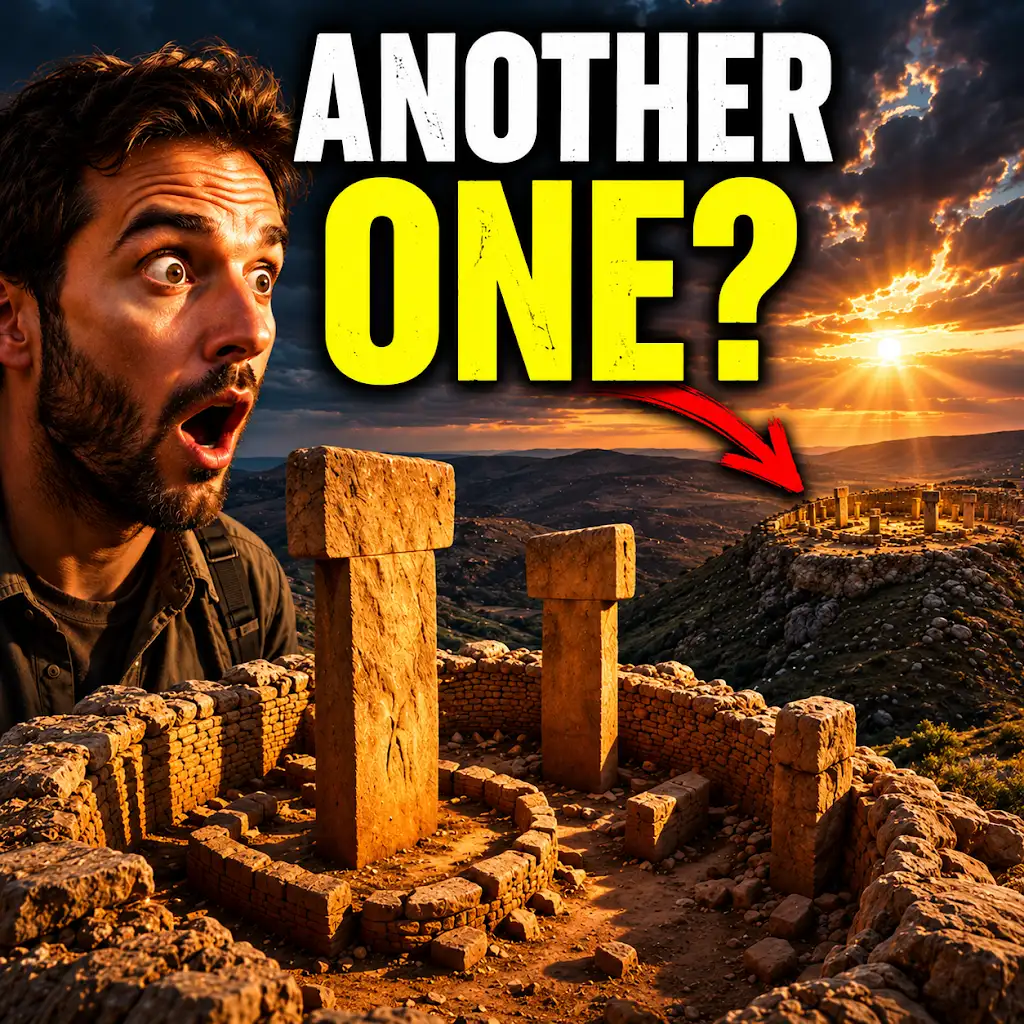
The World Beyond Göbekli Tepe Is Far Bigger Than We Thought
FAQs
What is the Taş Tepeler archaeology documentary about?
The Taş Tepeler archaeology documentary explores the ancient history and archaeological findings of the Taş Tepeler region, shedding light on the civilization that once thrived there.
Who produced the Taş Tepeler archaeology documentary?
The documentary was produced by a team of archaeologists, historians, and filmmakers who collaborated to bring the rich history of the Taş Tepeler region to the screen.
What are some of the key discoveries featured in the Taş Tepeler archaeology documentary?
The documentary showcases a range of key discoveries, including ancient artifacts, architectural remains, and insights into the daily lives of the people who inhabited the Taş Tepeler region.
Where can the Taş Tepeler archaeology documentary be viewed?
The documentary is available for viewing on various streaming platforms, as well as through select screenings at museums, archaeological sites, and educational institutions.
What impact has the Taş Tepeler archaeology documentary had on the field of archaeology?
The documentary has sparked renewed interest in the Taş Tepeler region among archaeologists, historians, and the general public, leading to further research and exploration of the area’s rich archaeological heritage.