
The dust of millennia settles, obscuring the vibrant hues of forgotten empires and the intricate details of long-vanished civilizations. Yet, for those driven by an insatiable curiosity, the ancient world remains a boundless frontier, a tantalizing puzzle waiting to be pieced together. Archaeologists, historians, and enthusiasts alike dedicate their lives to coaxing secrets from the earth, deciphering cryptic texts, and reconstructing the lives of peoples who shaped our present in ways we are only beginning to comprehend. This ongoing pursuit of knowledge is a testament to humanity’s enduring fascination with its own origins and the monumental achievements of those who came before.
The Fertile Crescent, a crescent-shaped region encompassing parts of modern-day Iraq, Syria, Lebanon, Jordan, and Israel, is widely recognized as the cradle of civilization. Here, between the Tigris and Euphrates rivers, the very foundations of organized society were laid, revolutionizing human existence. The transition from nomadic hunter-gatherer lifestyles to settled agricultural communities marked a profound shift, enabling the development of complex social structures, specialized labor, and the emergence of the first cities.
The Birth of the City: Sumerian Innovations
The Sumerians, flourishing in southern Mesopotamia from around the 4th millennium BCE, were pioneers in urban development. Their city-states, such as Uruk, Ur, and Lagash, were not merely collections of houses but sophisticated centers of administration, religion, and commerce. These cities were characterized by monumental architecture, most notably the ziggurats – towering, stepped pyramids that served as religious temples, connecting the earthly realm to the divine.
Ziggurats: Pyramids of the Gods
These imposing structures, built from sun-dried mud bricks, were more than just religious edifices. They symbolized the power and wealth of the ruling priests and kings, serving as focal points for civic life and important economic hubs. Archaeological excavations have revealed elaborate temple complexes within and around the ziggurats, adorned with intricate carvings and filled with votive offerings, providing invaluable insights into Sumerian religious beliefs and practices. The scale and ambition of these constructions speak volumes about the organizational capabilities and engineering prowess of the Sumerians.
The Invention of Writing: Cuneiform and its Impact
Perhaps the most transformative Sumerian innovation was the development of cuneiform, one of the earliest known forms of writing. Initially pictographic, it evolved into a system of wedge-shaped marks impressed onto clay tablets. This revolutionary invention allowed for the recording of laws, economic transactions, literary works, and historical accounts. The decipherment of cuneiform has unlocked a treasure trove of information, allowing us to understand Sumerian society, its governance, its myths, and its intellectual achievements.
Decoding the Wedge: The Rosetta Stone of Mesopotamia
The process of deciphering cuneiform was a painstaking endeavor, spanning centuries and involving the efforts of many scholars. The discovery of bilingual and trilingual inscriptions, such as the Behistun Inscription, which featured Old Persian, Elamite, and Babylonian cuneiform, proved crucial. These multilingual texts, akin to the Rosetta Stone for Egyptian hieroglyphs, provided the keys to unlocking the phonetic and syllabic values of the cuneiform signs, opening a window into a lost world.
The Rise and Fall of Empires: Akkadians, Babylonians, and Assyrians
Following the decline of Sumerian city-states, Mesopotamia was dominated by a succession of powerful empires. The Akkadians, under Sargon the Great, forged the first unified empire in the region. Later, the Babylonians, renowned for their legal code and astronomical advancements, rose to prominence, with Hammurabi’s Code being a landmark achievement in legal history. The Assyrians, known for their military might and vast empire, dominated the Near East for centuries, leaving behind a legacy of impressive administrative structures and formidable fortifications.
Hammurabi’s Code: Justice in Ancient Babylon
Hammurabi’s Code, inscribed on a stele discovered in Susa, is one of the oldest deciphered writings of significant length in the world. It comprises 282 laws, covering a wide range of civil and criminal offenses. While seemingly harsh by modern standards, its underlying principle of “an eye for an eye, a tooth for a tooth” represented a significant step towards a codified system of justice, providing a framework for social order and dispute resolution.
Exploring the mysteries of ancient civilizations often leads us to significant archaeological sites like Göbekli Tepe, but the world beyond this remarkable location is equally fascinating. For instance, the recent article on how Mexico has surpassed China as the top trading partner of the United States sheds light on the evolving dynamics of global trade and cultural exchange. This shift not only impacts economic relationships but also reflects the interconnectedness of nations, much like the ancient trade routes that once flourished alongside monumental sites. To read more about this intriguing development, visit the article here: Mexico Surpasses China as Top Trading Partner.
Echoes of the Pharaohs: The Enigmatic World of Ancient Egypt
Along the fertile banks of the Nile River, a civilization of unparalleled longevity and grandeur arose, leaving behind a legacy that continues to captivate the imagination. Ancient Egypt, spanning over three millennia, developed a unique culture characterized by its elaborate religious beliefs, monumental architecture, and sophisticated artistic traditions. The pharaohs, considered divine rulers, presided over a society deeply intertwined with the rhythms of the Nile and the mysteries of the afterlife.
Pyramids: Monuments to Eternity
The pyramids of Egypt, particularly those at Giza, stand as enduring testaments to the ingenuity and ambition of the ancient Egyptians. These colossal tombs, built for pharaohs and their consorts, are among the most recognizable structures in the world. Their construction, involving the quarrying, transportation, and precise placement of millions of stone blocks, remains a subject of intense study and debate.
Engineering Marvels: The Secrets of Pyramid Construction
The precise methods employed in pyramid construction are still debated, but archaeological evidence points to sophisticated engineering techniques. Ramp systems, levers, and a highly organized workforce were likely utilized. The alignment of the pyramids with cardinal directions and astronomical phenomena suggests a deep understanding of geometry and celestial movements, further adding to their mystique. The sheer scale of labor and logistical coordination required to build these monuments is awe-inspiring.
Hieroglyphs: The Sacred Script of the Nile
Egyptian hieroglyphs, a system of intricate pictorial symbols, served as the primary script for religious texts, royal decrees, and monumental inscriptions. The decipherment of hieroglyphs, famously achieved through the discovery of the Rosetta Stone, unlocked a vast repository of knowledge about Egyptian history, religion, and daily life.
The Rosetta Stone: A Linguistic Key
The discovery of the Rosetta Stone in 1799 by French soldiers was a pivotal moment in Egyptology. This basalt slab bore the same decree inscribed in three scripts: hieroglyphic, Demotic (a later Egyptian script), and ancient Greek. Scholars, most notably Jean-François Champollion, meticulously compared the Greek text with the Egyptian scripts, gradually unraveling the complex system of hieroglyphs, revealing their phonetic and ideographic nature.
The Afterlife: A Central Tenet of Egyptian Belief
The ancient Egyptians possessed a profound belief in the afterlife, which heavily influenced their art, architecture, and funerary practices. Elaborate tombs, filled with provisions for the deceased’s journey into the next world, and the practice of mummification, were all designed to ensure a successful transition and eternal life.
Mummification: Preserving the Body for Eternity
The intricate process of mummification involved the removal of internal organs, dehydration of the body, and wrapping in linen bandages. This practice was not merely cosmetic; it was believed to be essential for the survival of the soul (ka and ba) in the afterlife. The preservation of the body was thought to provide a vessel for the spirit to return to.
The Pharaohs: God-Kings of Egypt
The pharaohs of ancient Egypt held absolute power, not only as political leaders but also as divine intermediaries between the gods and the people. Their reigns were marked by grand building projects, military campaigns, and a complex system of religious devotion. The iconic imagery of the pharaoh, often depicted with regal regalia and divine symbols, reinforces their esteemed status.
Divine Kingship: The Role of the Pharaoh
The concept of divine kingship was central to Egyptian society. Pharaohs were seen as earthly manifestations of gods, responsible for maintaining ma’at – the cosmic order of truth, justice, and harmony. Their actions, both political and religious, were believed to have a direct impact on the well-being of the kingdom and the favor of the gods.
The Cradle of Democracy: Unearthing the Secrets of Ancient Greece
Ancient Greece, a collection of independent city-states that flourished from around the 8th to the 6th century BCE, laid the groundwork for many of the intellectual and political traditions that shape the Western world. From its philosophical inquiries and scientific advancements to its artistic achievements and democratic ideals, Greece left an indelible mark on human history.
The Polis: The Heart of Greek Society
The Greek city-state, or polis, was the fundamental unit of political and social organization. These independent entities, like Athens, Sparta, and Corinth, developed distinct forms of governance, social structures, and cultural identities. The concept of citizenship, with its rights and responsibilities, was central to the polis.
Athenian Democracy: A Radical Experiment
Athens, in particular, is celebrated for its development of democracy, a system of government where citizens participated directly in decision-making. While limited to adult male citizens, this radical experiment in self-governance profoundly influenced later political thought. The assembly, council, and courts were all key institutions in Athenian democracy.
Philosophy and Reason: The Birth of Critical Thought
Ancient Greek philosophers like Socrates, Plato, and Aristotle embarked on profound intellectual journeys, questioning the nature of reality, ethics, and knowledge. Their inquiries laid the foundations for Western philosophy, logic, and scientific reasoning, encouraging a spirit of critical inquiry that continues to resonate.
The Socratic Method: Questioning for Truth
Socrates, through his dialectical method of questioning, sought to expose ignorance and lead individuals to a deeper understanding of truth and virtue. His relentless pursuit of knowledge, even at the cost of his own life, exemplifies the Greek intellectual spirit.
Art and Architecture: Harmony and Proportion
Greek art and architecture are characterized by their pursuit of ideal forms, harmony, and proportion. The Parthenon in Athens, with its Doric columns and intricate friezes, is a prime example of classical Greek architecture, embodying principles of balance and aesthetic beauty.
The Golden Ratio: An Enduring Aesthetic Principle
The Greeks’ fascination with mathematical relationships extended to their art and architecture, with the Golden Ratio often appearing in their designs. This proportion, approximately 1.618, was believed to represent aesthetic perfection and was employed in everything from the layout of temples to the sculpting of statues.
Mythology and Religion: Stories of Gods and Heroes
Greek mythology, a rich tapestry of stories about gods, goddesses, heroes, and monsters, provided explanations for natural phenomena and moral lessons. These myths, passed down through oral tradition and immortalized in literature by poets like Homer, offer insights into the values and beliefs of ancient Greek society.
The Olympian Pantheon: Gods of Mount Olympus
The twelve Olympian gods, led by Zeus, were central figures in Greek religion. These anthropomorphic deities, with their human-like emotions and often turbulent relationships, embodied different aspects of the natural world and human experience.
Empires of the East: The Mystique of Ancient China
Stretching across vast territories and enduring for millennia, ancient China developed a complex and sophisticated civilization with a rich philosophical heritage, remarkable technological advancements, and enduring artistic traditions. Its imperial dynasties, from the Qin to the Han, shaped the destiny of East Asia and left an enduring legacy that continues to influence the world.
The Qin Dynasty: Unification and the Terracotta Army
The Qin Dynasty (221–206 BCE) achieved a monumental feat by unifying China for the first time, establishing a centralized imperial system that would endure for centuries. Emperor Qin Shi Huang, a figure of immense power and ambition, commissioned the construction of the Great Wall and his own elaborate tomb, guarded by the astonishing Terracotta Army.
The Terracotta Army: An Eternal Guard
The discovery of thousands of life-sized terracotta warriors, chariots, and horses guarding the tomb of Qin Shi Huang in 1974 was a revelation. This vast subterranean army, each soldier uniquely rendered, provides an unparalleled glimpse into the military might and artistic skill of the Qin era. It stands as a testament to the emperor’s desire for eternal protection.
The Han Dynasty: The Golden Age of Imperial China
The Han Dynasty (206 BCE–220 CE) is often considered a golden age in Chinese history, marked by significant advancements in technology, culture, and governance. The Silk Road flourished under Han rule, facilitating trade and cultural exchange between East and West.
The Silk Road: A Conduit of Commerce and Culture
The legendary Silk Road, a network of trade routes connecting China with the Mediterranean world, was instrumental in the Han Dynasty’s prosperity. This ancient artery of commerce not only facilitated the exchange of goods like silk, spices, and precious metals but also fostered the diffusion of ideas, religions, and technologies, profoundly shaping the development of both East and West.
The Great Wall: A Monumental Defense
The Great Wall of China, a series of fortifications built over centuries, stands as one of the most iconic and ambitious construction projects in human history. Initially conceived to defend against nomadic incursions, its formidable scale and strategic importance are undeniable.
Engineering the Impenetrable: The Construction of the Wall
The construction of the Great Wall involved immense human labor and sophisticated engineering for its time. Different dynasties employed varying materials and techniques, from rammed earth to stone and brick, adapting to the challenging terrain. Its sheer scale and longevity are a testament to the organizational capabilities of ancient Chinese empires.
Philosophy and Governance: Confucianism and Taoism
Ancient China was shaped by profound philosophical traditions, most notably Confucianism and Taoism. Confucianism emphasized social harmony, ethics, and good governance, while Taoism advocated for living in accordance with the natural order of the universe.
The Analects: The Teachings of Confucius
The Analects of Confucius, a collection of sayings and dialogues, formed the bedrock of Chinese ethical and political thought for centuries. Its emphasis on filial piety, righteousness, and benevolent rule profoundly influenced the development of Chinese society and its governance.
The discovery of Göbekli Tepe has sparked significant interest in ancient civilizations and their societal structures, leading researchers to explore other archaeological sites that may offer insights into early human life. One such article discusses the implications of land ownership and its historical context, which can be related to the way ancient societies managed their resources. For a deeper understanding of how these themes intersect with modern issues, you can read more about the safety of real estate from government seizure in this informative piece. Check it out here: real estate safety.
Beyond the Known: Unveiling the Mysteries of Lost Civilizations
| Site | Location | Age | Significance |
|---|---|---|---|
| Çatalhöyük | Turkey | 7500-5700 BCE | One of the world’s oldest known urban centers |
| Jericho | West Bank | 9000 BCE | One of the earliest known walled cities |
| Stonehenge | United Kingdom | 3100-1600 BCE | Prehistoric monument aligned with the movements of the sun |
| Chavín de Huántar | Peru | 1200-500 BCE | Important ceremonial and religious center |
While Mesopotamia, Egypt, Greece, and China represent some of the most well-documented ancient civilizations, countless others have vanished, leaving behind tantalizing fragments and enigmatic ruins. The ongoing exploration of these lost worlds continues to rewrite our understanding of human history, revealing the diversity and ingenuity of ancient peoples.
The Indus Valley Civilization: An Urban Enigma
The Indus Valley Civilization, flourishing in what is now Pakistan and northwest India from around 3300 to 1300 BCE, was one of the world’s earliest urban cultures. Its meticulously planned cities, such as Mohenjo-Daro and Harappa, featured sophisticated sanitation systems, grid-like street layouts, and advanced pottery and metallurgy.
The Undeciphered Script: A Language of the Past
One of the most significant mysteries surrounding the Indus Valley Civilization is its undeciphered script. Found on seals and pottery, these short inscriptions have resisted all attempts at translation, leaving scholars unable to fully comprehend their language, literature, or administrative systems. This linguistic barrier adds to the allure and enigma of this advanced ancient society.
The Maya: The Rise and Fall of a Mesoamerican Powerhouse
The Maya civilization, which reached its peak between 250 and 900 CE in Mesoamerica, developed a sophisticated writing system, complex calendar, and impressive astronomical knowledge. Their magnificent city-states, adorned with towering pyramids and intricate stelae, offer a glimpse into their advanced culture.
The Mayan Calendar: Precision in Timekeeping
The Maya developed an extraordinarily accurate calendar system, incorporating multiple cycles that tracked astronomical events with remarkable precision. Their understanding of celestial movements allowed them to predict eclipses and design complex agricultural and ceremonial calendars, showcasing their advanced scientific acumen.
The Easter Island Moai: Sentinels of the Pacific
The colossal stone statues, or Moai, of Easter Island are some of the most enigmatic archaeological wonders on Earth. Carved from volcanic rock, these towering figures stand as silent sentinels, their purpose and the methods of their transport and erection still debated by scholars.
The Rapa Nui People: Masters of Sculpture and Engineering
The creation and placement of the Moai represent a remarkable feat of engineering and organization by the Rapa Nui people. The quarrying of the stone, the carving of the figures, and their transportation across the island, often over rough terrain, continue to puzzle researchers, highlighting the ingenuity and resourcefulness of this isolated island society.
The pursuit of uncovering the mysteries of the ancient world is a dynamic and ever-evolving endeavor. Each excavation, each deciphered inscription, each re-examined artifact, adds another layer to our understanding of humanity’s shared past. These ancient civilizations, though separated by vast stretches of time and space, offer profound lessons about human ingenuity, societal development, and the enduring quest for meaning. By continuing to explore and interpret their legacies, we not only gain a deeper appreciation for our ancestors but also glean invaluable insights that can inform our present and shape our future. The ancient world, in its silent grandeur, continues to beckon, promising further revelations for those willing to listen to its whispered secrets.
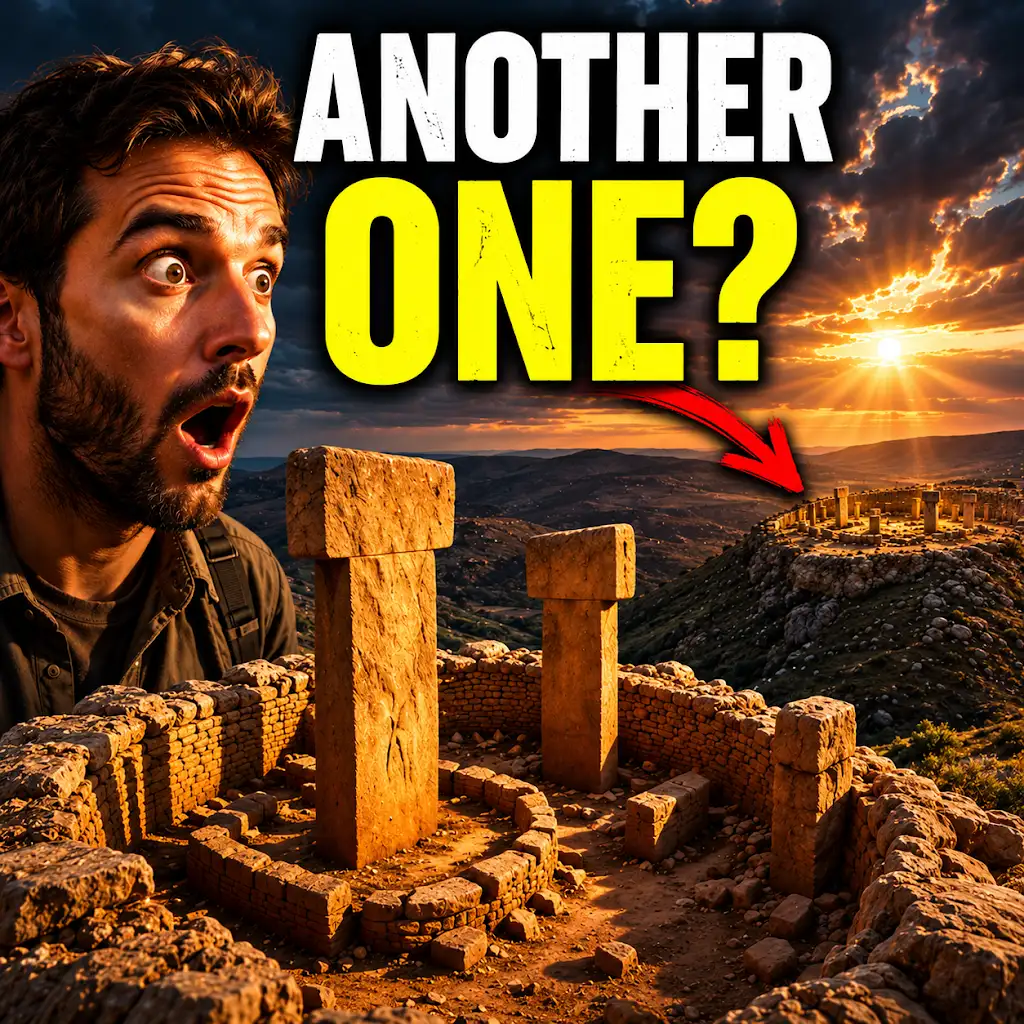
The World Beyond Göbekli Tepe Is Far Bigger Than We Thought
FAQs
What is the significance of Göbekli Tepe?
Göbekli Tepe is an ancient archaeological site in Turkey, dating back to around 9600 BCE. It is considered one of the oldest known religious structures in the world and has provided valuable insights into the development of early human civilization.
What is the world beyond Göbekli Tepe?
The world beyond Göbekli Tepe refers to the broader context of ancient civilizations and archaeological sites that existed around the same time as Göbekli Tepe. This includes other Neolithic sites, such as Çatalhöyük and Jericho, as well as the development of agriculture and early forms of social organization.
What other ancient civilizations existed around the time of Göbekli Tepe?
Around the time of Göbekli Tepe, other ancient civilizations were emerging in various parts of the world. These included the Mesopotamian civilization in present-day Iraq, the ancient Egyptian civilization along the Nile River, and the Indus Valley civilization in present-day Pakistan and northwest India.
What can we learn from studying the world beyond Göbekli Tepe?
Studying the world beyond Göbekli Tepe can provide insights into the development of early human societies, the transition from hunter-gatherer lifestyles to settled agricultural communities, the emergence of complex social structures, and the evolution of religious and cultural practices.
How does the world beyond Göbekli Tepe contribute to our understanding of human history?
Exploring the world beyond Göbekli Tepe helps to piece together the puzzle of early human history and the factors that led to the rise of complex civilizations. It sheds light on the cultural, technological, and social advancements that laid the foundation for the modern world.