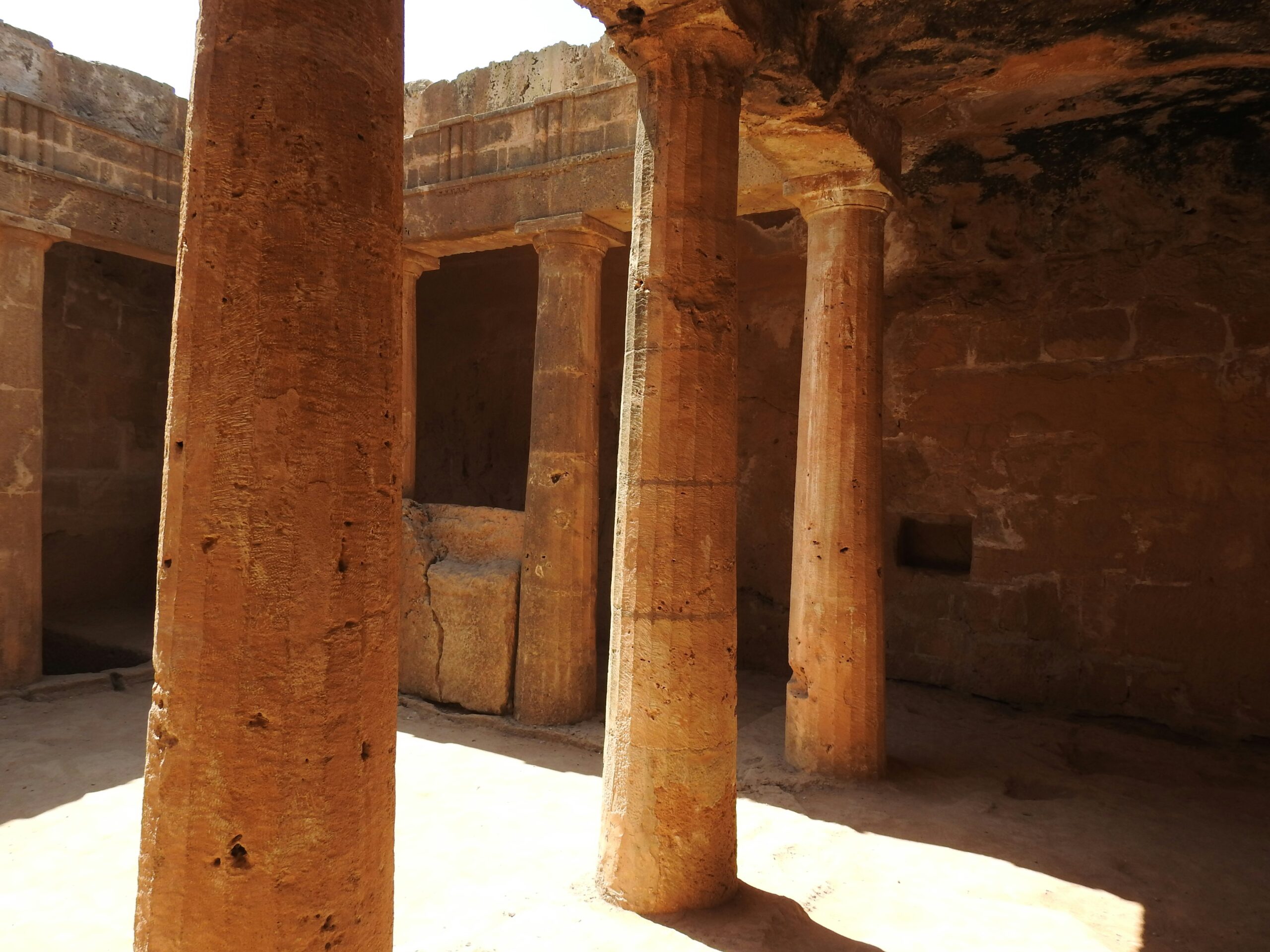
Karahantepe, a sprawling archaeological site nestled in the southeastern Anatolian plains of Turkey, has long captivated researchers with its enigmatic structures and tantalizing glimpses into a forgotten past. While its more famous neighbor, Göbeklitepe, has largely dominated headlines, Karahantepe is steadily revealing its own profound secrets, none more perplexing than its distinctive T-shaped pillars. These monumental stone figures, etched with intricate carvings and arranged in seemingly deliberate formations, stand as silent witnesses to a sophisticated society that predates established notions of complex civilization. Uncovering the mystery of Karahantepe’s T-shaped pillars is not merely an archaeological endeavor; it is a journey into the very origins of human belief, social organization, and symbolic expression.
The existence of Karahantepe has been known for some time, with initial surveys conducted in the late 20th century. However, it was the systematic excavations, commencing in the early 21st century under the direction of a dedicated team of archaeologists, that truly brought the site’s significance to light. The sheer scale of the discovery was immediately apparent, revealing a complex of monumental architecture spread across a considerable area.
Early Surveys and the Recognition of Potential
Prior to the major excavation efforts, preliminary surveys hinted at the presence of significant prehistoric activity. Surface finds of worked stone and unusual geological formations suggested that this area might hold important archaeological deposits. These early observations, though limited, were enough to spark interest and lay the groundwork for more intensive investigation.
The Turning Point: Systematic Excavations and the Unveiling of Structures
The commencement of systematic excavations marked a pivotal moment. Archaeologists began to carefully unearth the buried remains of structures, revealing the meticulously crafted stonework that defines Karahantepe. The sheer volume and preservation of these remains were astonishing, providing a rich tapestry of evidence for analysis. This phase of the excavation was characterized by meticulous documentation and the careful removal of overburden, gradually exposing the grandeur of the ancient settlement.
The Significance of the T-Shaped Pillars in the Initial Findings
From the very outset, the T-shaped pillars emerged as the most striking and enigmatic features of Karahantepe. Their size, their distinctive form, and the presence of detailed carvings immediately set them apart from other known prehistoric artifacts. Their deliberate placement and the architectural context in which they were found suggested a profound purpose, sparking a wave of questions about their meaning and function.
The T-shaped pillars of Karahantepe have garnered significant attention in archaeological discussions, particularly in relation to ancient civilizations and their architectural innovations. For those interested in exploring how such historical structures might influence modern strategies, a related article delves into the implications of ancient knowledge on contemporary endeavors, specifically in the context of space exploration. You can read more about this intriguing connection in the article available at this link.
The Defining Characteristics of Karahantepe’s T-Shaped Pillars
The T-shaped pillars at Karahantepe are not simply random stone formations; they are deliberate, carefully crafted artifacts that embody a unique artistic and symbolic language. Their recurring form and the detailed iconography they bear offer crucial clues to their creators’ worldview and social structures.
The Form and Scale of the Pillars
The dominant feature of these pillars is their T-shape, resembling an inverted human form with a broad head and a narrower, elongated body. They vary in size, with some reaching impressive heights, indicating a significant investment of labor and resources for their creation and erection. The stone used is typically limestone, quarried from nearby sources, and shaped with remarkable precision.
Variations in Size and Proportion
While the T-shape is consistent, there are observable variations in the dimensions and proportions of the pillars. Some are more slender, while others are broader and more imposing. These variations may reflect different categories of pillars, specific symbolic meanings, or simply the natural limitations of the available stone and quarrying techniques.
The “Head” and “Body” Interpretations
The anthropomorphic interpretation of the T-shape is prevalent among researchers. The broader upper section is often interpreted as a head, while the narrower lower section represents the body or perhaps a pedestal. This human-like representation is a crucial aspect of their symbolic resonance.
The Enigmatic Carvings and Iconography
The surfaces of many T-shaped pillars are adorned with intricate carvings. These are not merely decorative; they depict a complex repertoire of symbols and motifs that have been the subject of intense scholarly debate. Understanding this iconography is paramount to deciphering the purpose of the pillars.
Depictions of Animals: Symbolic Meanings
A recurring theme in the carvings is the depiction of various animals, including snakes, birds, scorpions, bulls, and foxes. These animals are often rendered in a stylized but recognizable manner. Their presence is unlikely to be purely zoological; they almost certainly carry symbolic weight, reflecting the beliefs and cosmology of the people who created them.
Snakes and Their Interpretations
Snakes, with their shedding skin and subterranean habits, are often associated with rebirth, transformation, and the underworld in many ancient cultures. Their frequent appearance at Karahantepe suggests a significant role in their symbolic system.
Avian Motifs and Celestial Connections
Birds, capable of flight, are frequently linked to the sky, the heavens, and perhaps divine messengers. Their inclusion might point towards celestial observations or beliefs about the spirit world.
Other Fauna and Their Potential Significance
The representation of other animals like bulls, scorpions, and foxes likely carries specific meanings within the local cultural context, which may still be elusive to modern understanding.
Abstract Symbols and Geometric Patterns
In addition to animal depictions, the pillars also feature abstract symbols and geometric patterns. These could represent cosmological concepts, social structures, or even a form of proto-writing. Their meaning remains largely undeciphered, presenting a significant challenge for researchers.
The Arrangement and Architectural Context
The T-shaped pillars are not found in isolation but are integral parts of larger architectural complexes. Their placement within these structures provides vital clues about their intended function and the social organization of the people who erected them.
Enclosed Spaces and Courtyards
Many pillars are found within or around enclosed spaces, such as circular or oval enclosures. These enclosures suggest areas of communal gathering, ritualistic performance, or significant social events.
The Pillars as Central Elements
Within these enclosures, the T-shaped pillars often occupy prominent positions, suggesting they were central to the activities that took place there. They might have served as focal points, markers, or even as representations of deities or ancestral figures.
The Pre-BCE 10,000 Context: Rewriting Prehistory

The most revolutionary aspect of Karahantepe, and indeed Göbeklitepe, is their age. These sites predate the advent of agriculture, pottery, and settled village life by millennia. This challenging of established timelines forces a radical reevaluation of when and how complex human societies emerged.
Challenging the Neolithic Revolution Paradigm
The traditional view of human history posits that the Neolithic Revolution, marked by the domestication of plants and animals, was the catalyst for settled life and the development of complex social structures. Karahantepe, with its monumental architecture and symbolic art, demonstrates that sophisticated societal organization and symbolic expression existed before the widespread adoption of agriculture.
Evidence of Advanced Planning and Organization
The sheer scale of construction at Karahantepe, requiring the quarrying, shaping, and transportation of massive stone blocks, speaks volumes about the organizational capabilities of these early people. This was not the work of small, nomadic bands but of coordinated groups with a shared purpose.
The “Temples Before Cities” Hypothesis
The discovery of sites like Karahantepe has led to the compelling hypothesis that monumental religious or ritualistic structures may have preceded the development of permanent settlements and cities. These shared centers of belief and practice might have been the glue that held early societies together.
The Hunter-Gatherer-Builder Society
The builders of Karahantepe were primarily hunter-gatherers, living off the land and its resources. Yet, they possessed the social cohesion, technical skills, and symbolic drive to undertake monumental construction projects. This redefines our understanding of what hunter-gatherer societies were capable of.
Social Stratification and Specialization
The construction of such sites likely necessitated a degree of social stratification and labor specialization. Certain individuals or groups may have been responsible for quarrying, others for carving, and yet others for organizing the assembly and erection of the pillars.
The Role of Shared Beliefs in Uniting Communities
The presence of elaborate symbolic art and monumental structures strongly suggests that shared beliefs and ideologies played a crucial role in uniting these dispersed hunter-gatherer groups. These sites may have served as gathering places for various bands to share rituals, exchange knowledge, and solidify social bonds.
Theories on the Function and Meaning of the T-Shaped Pillars

The ultimate purpose of Karahantepe’s T-shaped pillars remains a profound enigma, a puzzle with many missing pieces. Scholars have proposed a variety of theories, each attempting to unravel the layers of meaning embedded within these ancient monoliths.
Religious or Ritualistic Interpretations
The most widely accepted theory is that the pillars served a religious or ritualistic purpose. Their placement in monumental enclosures and the symbolic nature of their carvings strongly support this idea.
Representation of Deities or Ancestral Spirits
The anthropomorphic nature of the T-shape, coupled with the animal iconography, leads to the interpretation that the pillars might represent deities, spirits, or revered ancestors. They could have been objects of worship, focal points for rituals, or a means of communicating with the divine.
The “Human Form” as a Universal Symbol
The human form is a fundamental symbol across cultures, and its representation in these ancient pillars suggests a deep-seated human need to connect with the anthropomorphic aspects of the divine or the spiritual.
Totemic or Clan Symbols
Alternatively, the pillars might have represented totemic symbols or clan affiliations, serving to unify groups through shared identity and spiritual connection.
Shamanistic Practices and Trance States
The symbolic imagery, particularly the depictions of snakes and other potent animals, has led some researchers to suggest a connection to shamanistic practices. The pillars might have been used in rituals designed to induce trance states or facilitate communication with the spirit world.
Social and Cosmological Markers
Beyond purely religious functions, the pillars may have also played roles in social organization and understanding the cosmos.
Astronomical Alignments and Calendrical Functions
The precise orientation of some structures and the potential significance of certain carved motifs have led to speculation about astronomical alignments and calendrical functions. The pillars might have been used to track celestial movements, mark seasons, or guide agricultural practices (even if not fully agricultural societies, understanding seasonal changes would be crucial for hunter-gatherers).
Observing Celestial Cycles
The careful placement of structures and the symbolic representations could indicate a sophisticated understanding of celestial cycles and their importance for survival and ritual.
Markers of Time and Seasons
The ability to mark time and seasons would have been vital for hunter-gatherer societies, dictating hunting patterns, migration routes, and resource availability.
Territorial Markers or Social Boundaries
The monumental nature of the pillars could also suggest their use as territorial markers, signifying the presence and influence of a particular community or group. They might have served as visual cues for social boundaries or important gathering places.
Symbolic Representations of the Natural World
The abundant animal carvings suggest that the natural world, and its intricate relationships, were central to the worldview of the people of Karahantepe.
The Interconnectedness of Life
The juxtaposition of different animal species and abstract symbols might represent a belief in the interconnectedness of all life, a holistic understanding of the cosmos where humans, animals, and the spiritual realm are intrinsically linked.
The Power and Danger of Nature
The choice of certain animals, like scorpions and snakes, could also reflect an awareness and respect for the power and potential danger inherent in the natural world, and the need to appease or understand these forces.
The T-shaped pillars of Karahantepe have sparked significant interest among archaeologists and historians, as they provide valuable insights into the ancient cultures of the region. These remarkable structures are part of a larger narrative that includes various aspects of human civilization, including the complexities of territorial disputes that have persisted throughout history. For a deeper understanding of how such disputes have shaped societies, you can explore this related article on navigating border disputes, which highlights the challenges faced by communities over time. To read more about it, visit navigating border disputes.
Ongoing Research and Future Discoveries
| Feature | Measurement |
|---|---|
| Number of T-shaped pillars | More than 50 |
| Height of the pillars | Average 5 meters |
| Weight of the pillars | Average 10-20 tons |
| Material | Limestone |
| Age | Estimated to be around 11,000 years old |
The excavation and interpretation of Karahantepe are ongoing processes, with each new discovery adding another layer to the mystery and pushing the boundaries of our understanding. The site holds immense potential for further revelations.
The Promise of New Excavation Areas
While significant progress has been made, vast portions of Karahantepe remain unexplored. Future excavations are likely to uncover more structures, more pillars, and potentially new types of artifacts that will shed further light on this ancient society.
Uncovering the Full Extent of the Site
The current understanding of Karahantepe’s layout is based on excavated areas. Future work will aim to map the full extent of the site, revealing its complete architectural plan and its relationship to the surrounding landscape.
Discovering New Forms of Art and Symbolism
There is always the possibility of encountering new artistic styles, symbols, or iconographic themes that will broaden our understanding of their symbolic language and belief systems.
Technological Advancements in Archaeological Analysis
Modern archaeological techniques are revolutionizing the study of sites like Karahantepe. Advanced imaging technologies, DNA analysis, and isotopic studies are providing unprecedented insights.
LiDAR and Remote Sensing
Technologies like LiDAR (Light Detection and Ranging) are invaluable for mapping the landscape and identifying buried structures without invasive digging, revealing the larger context of the site.
Archaeobotanical and Zooarchaeological Studies
The analysis of ancient plant and animal remains can provide crucial information about diet, subsistence strategies, and the environment in which these people lived.
Material Analysis and Provenance Studies
Detailed analysis of the stone used for the pillars and other artifacts can help determine quarry sources and understand trade networks, if any existed.
International Collaboration and Interdisciplinary Approaches
Unraveling the mysteries of Karahantepe requires a collaborative effort involving archaeologists, anthropologists, art historians, linguists, and other specialists from around the globe.
The Value of Diverse Perspectives
Bringing together researchers with different expertise and backgrounds is crucial for interpreting the complex evidence and formulating comprehensive theories.
The Search for Parallels and Connections
Comparing Karahantepe’s findings with other prehistoric sites in Anatolia and beyond can help identify patterns, influences, and shared cultural developments.
The T-shaped pillars of Karahantepe stand as an enduring testament to the ingenuity, spirituality, and social complexity of our ancient ancestors. As research continues and new discoveries emerge, the whispers of this long-lost civilization grow louder, promising to reshape our understanding of human history and the deep roots of our shared cultural heritage. Uncovering their mystery is not just an academic pursuit; it is an essential step in understanding who we are and where we come from.

The World Beyond Göbekli Tepe Is Far Bigger Than We Thought
FAQs
What are the T-shaped pillars at Karahantepe?
The T-shaped pillars at Karahantepe are large stone pillars with a T-shaped cross-section. They are found in the ancient site of Karahantepe, located in southeastern Turkey.
When were the T-shaped pillars at Karahantepe discovered?
The T-shaped pillars at Karahantepe were discovered in 1997 during archaeological excavations at the site. The discovery has since provided valuable insights into the ancient history of the region.
What is the significance of the T-shaped pillars at Karahantepe?
The T-shaped pillars at Karahantepe are significant because they are believed to be part of a ritual complex or religious structure dating back to the Neolithic period. They provide evidence of the religious and cultural practices of the ancient inhabitants of the region.
How tall are the T-shaped pillars at Karahantepe?
The T-shaped pillars at Karahantepe range in height from 3 to 5 meters (10 to 16 feet). They are carved from limestone and are decorated with intricate carvings and reliefs.
What is the current status of the T-shaped pillars at Karahantepe?
The T-shaped pillars at Karahantepe are currently being studied and preserved by archaeologists and researchers. The site is also open to visitors who are interested in learning about the ancient history and culture of the region.