The enigmatic geoglyphs of the Nazca Desert in Peru, etched into the arid plains centuries ago, have captivated archaeologists and laypeople alike. While the sheer scale and artistry of these figures are undeniable, a persistent question has long hovered over their creation: how were they made? For decades, the prevailing theory has centered on the removal of the dark, iron-oxide-coated pebbles that litter the desert surface, revealing the lighter soil beneath. However, new research and careful observation are beginning to unveil a more nuanced and potentially more sophisticated picture of the Nazca stone removal technique, suggesting that the creation of these colossal designs was not simply a matter of scraping away surface material. This exploration delves into the current understanding of this ancient craft, examining the geological context, the proposed methodologies, and the lingering questions that continue to drive scientific inquiry.
The Desert Canvas: Geology and the Nazca Palette
The Nazca Desert, a vast expanse of hyperarid land in southern Peru, provides the unparalleled backdrop for the geoglyphs. This unique environment, characterized by minimal rainfall and strong winds, has been instrumental in preserving these ancient earthworks for over a millennium. Understanding the geological makeup of the Nazca plateau is crucial to comprehending the creation of the geoglyphs. The surface of the desert is covered by a layer of dark, iron-rich gravel and pebbles, varying in size from small grains to larger stones. This dark layer, often referred to as “desert varnish,” is a result of the slow oxidation of iron and manganese present in the soil, exacerbated by the arid conditions. Beneath this dark stratum lies a lighter-colored, calcium carbonate-rich soil, the contrast of which is essential for the visibility of the geoglyphs.
The effectiveness of the geoglyphs as aerial art depends entirely on this stark contrast. The Nazca people, or their predecessors, ingeniously exploited this natural phenomenon. The dark desert pavement acts as a pigment, and the lighter soil beneath serves as the canvas. The technique, therefore, hinges on the precise removal of this dark surface layer without disturbing the underlying soil or creating excessive spoil heaps, which would have compromised the visual integrity of the designs when viewed from a distance. The sheer scale of the geoglyphs, with some stretching for hundreds of meters, implies a systematic and organized approach to their creation, requiring an understanding of measurement, surveying, and efficient labor. The desert’s aridity also plays a crucial role in the longevity of the geoglyphs. Without significant rainfall to erode the exposed soil or wash away the dark pebbles, the designs have remained remarkably intact, offering a tangible link to the past.
The Desert Pavement: A Unique Substrate
The nature of the desert pavement itself is a key factor in the Nazca stone removal technique. This layer of dark pebbles is not a random scattering but often forms a cohesive, albeit loose, mat over the bedrock. The composition of these pebbles is primarily basalt, a dark volcanic rock, rich in iron. This iron content is what gives them their characteristic dark hue, particularly after prolonged exposure to the elements and the formation of desert varnish. The thickness of this pavement layer varies across the Nazca plateau, but it is generally consistent enough to allow for the creation of well-defined lines. The stability of this pavement is also important. While loose enough to be moved, it is also dense enough to resist immediate erosion by wind. This inherent characteristic of the Nazca landscape provided the ideal conditions for the geoglyphs to be etched and endure.
Underlying Soil: The Lighter Canvas
Beneath the dark desert pavement lies the critical contrasting layer: the lighter-colored subsoil. This soil is typically a calcium carbonate-rich sediment, giving it a pale, almost white appearance when exposed. The depth of this lighter layer is also a crucial consideration for the creation of the geoglyphs. If the removal of the dark pebbles were too shallow, the underlying soil might not be sufficiently distinct to create a clear image from above. Conversely, digging too deeply would have introduced irregularities and potentially weakened the structural integrity of the earthwork, leading to faster erosion. The Nazca people had to strike a precise balance, removing just enough of the dark surface to reveal the bright canvas without over-excavating. The consistency of this underlying soil across the geoglyph fields suggests a degree of geological uniformity that facilitated the process.
The Nazca stone removal technique, which involves the careful extraction of stones to reveal ancient geoglyphs, highlights the importance of preserving cultural heritage while also addressing environmental concerns. This technique can be paralleled with the ongoing deforestation crisis, as both issues underscore the delicate balance between human activity and the preservation of natural and historical landscapes. For more insights on the environmental implications of human actions, you can read about the broader context in the article on the deforestation crisis at this link.
Methodologies of Removal: Theories and Evidence
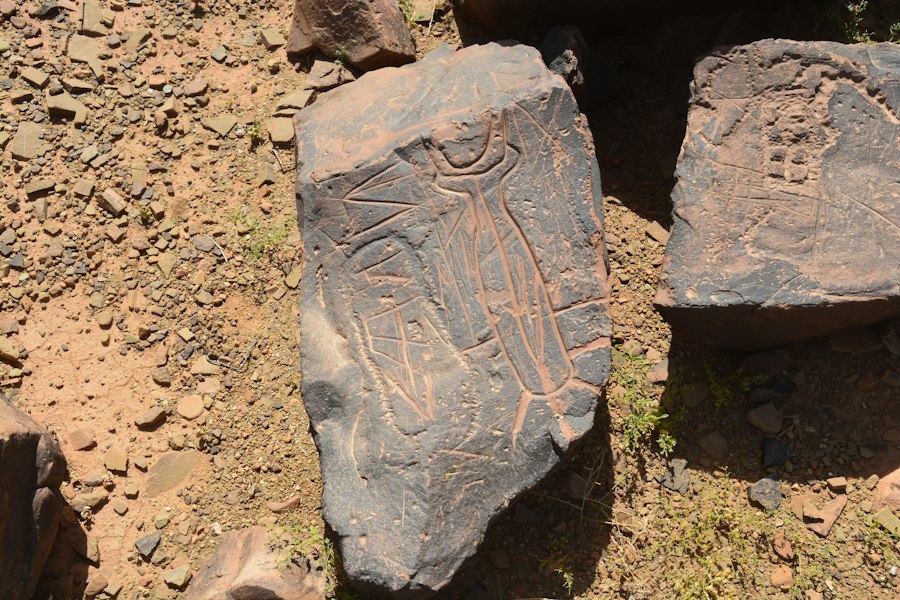
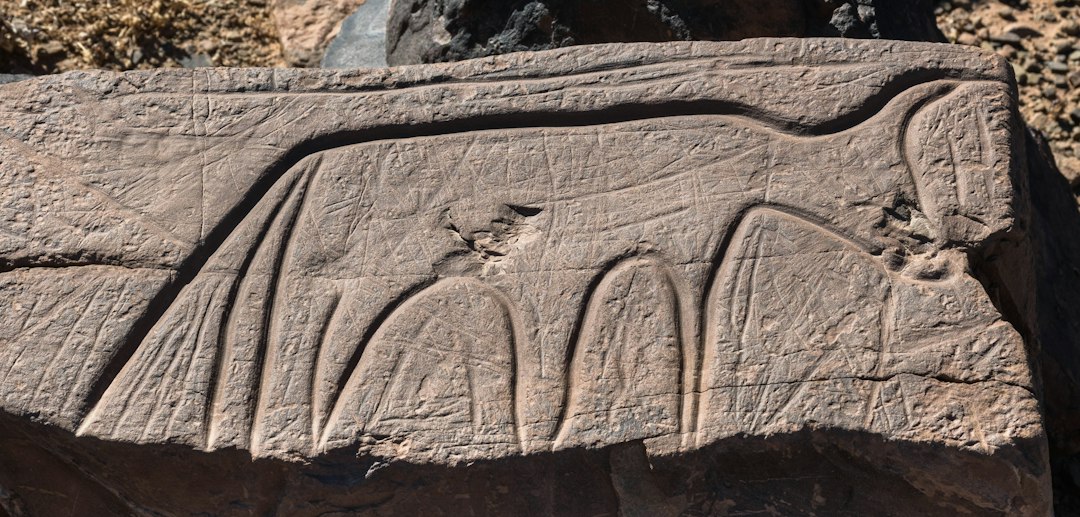
The precise methods employed by the Nazca people to remove the dark gravel have been a subject of considerable debate. While the general principle of scraping away the surface is widely accepted, the specific tools and techniques remain a matter of ongoing research and speculation. Several theories have been proposed, each supported by varying degrees of indirect evidence. These theories range from simple hand tools to more complex systems involving rudimentary scaffolding or even a form of controlled erosion. The lack of direct archaeological evidence, such as preserved tools specifically designed for this purpose, makes definitive conclusions challenging. However, by analyzing the geoglyphs themselves, their context, and the available geological data, researchers continue to piece together a plausible understanding of their construction.
The sheer scale of the geoglyphs, some spanning kilometers, necessitates an efficient and systematic approach. The assumption that the Nazca people simply “scraped” away the stones might oversimplify the process. It is more likely that a combination of methods was employed, adapted to the specific terrain and the desired precision of the design. The creation of straight lines, intricate curves, and geometric shapes suggests a level of planning and execution that goes beyond mere brute force. The organization of labor, likely involving communal effort, would have been essential for such a monumental undertaking. The geoglyphs are not just random markings; they are carefully planned and executed designs, indicating a sophisticated understanding of spatial relationships and visual impact.
The Role of Simple Tools: Sticks and Hands
The most straightforward theory suggests that the Nazca people utilized simple tools, such as wooden sticks, bones, or even their bare hands, to dislodge and move the surface pebbles. This method would have been labor-intensive, requiring significant manpower and time. However, it is a plausible explanation for the creation of the smaller geoglyphs or the initial clearing of areas. The relatively soft nature of the underlying soil would have allowed for effective removal of the overlying gravel with such basic implements. The consistent width of many of the geoglyph lines supports the idea of a controlled scraping action, where a tool of a particular width was consistently moved along a designated path. The absence of large quantities of excavated soil suggests that the removed pebbles were likely dispersed to the sides, forming low berms that have since weathered into the surrounding landscape.
Evidence of Rakes and Scrapers
While direct evidence of tools is scarce, some researchers propose the use of more sophisticated implements, such as wooden rakes or scrapers. These tools, potentially with sharpened edges, could have been used to efficiently gather and move larger quantities of gravel. The consistency of the geoglyph lines and the relatively clean edges suggest a more precise method than simple hand-gathering. If such tools were made of wood, their preservation in the arid Nazca environment would have been difficult, especially for tools used in direct contact with the abrasive desert surface. However, the possibility of their existence remains a strong contender for explaining the efficiency of the construction process.
The Possibility of Water or Controlled Erosion
Another, albeit less widely accepted, theory suggests that water might have played a role in the creation of the geoglyphs, perhaps in a controlled manner to loosen the gravel or facilitate its removal. However, the hyperarid nature of the Nazca Desert makes this theory challenging to substantiate, as significant water sources would have been required. A variation on this idea involves using wind erosion, perhaps by creating temporary barriers to funnel wind and direct its erosive power. However, the precision of the Nazca designs makes this scenario less likely as a primary construction method. The deliberate and precise nature of the lines suggests an active rather than passive process of creation.
Project Management and Labor Organization: A Collective Endeavor
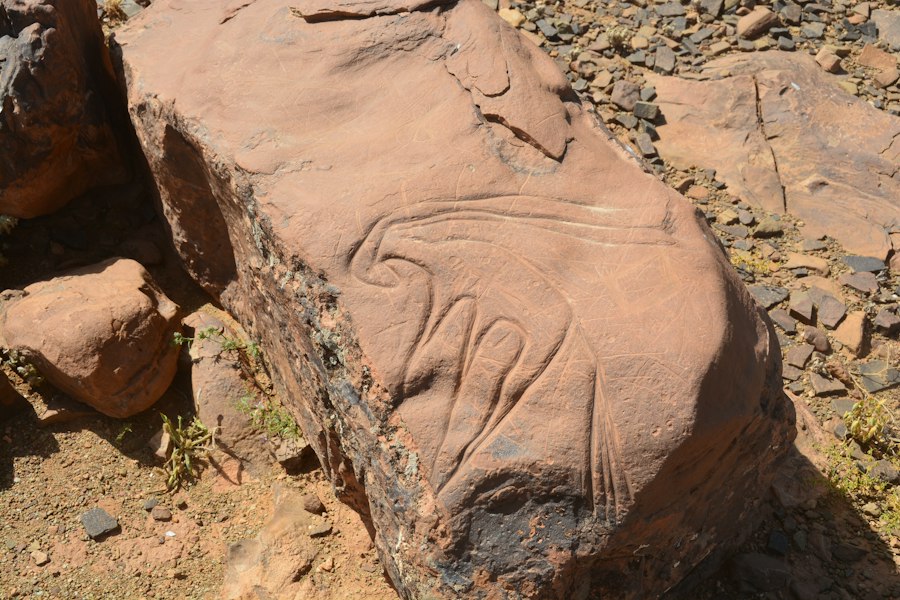
The creation of the Nazca geoglyphs was undoubtedly a monumental undertaking that required a high degree of organization and a significant labor force. It is highly improbable that these colossal designs were the work of a few individuals working in isolation. The sheer scale, complexity, and widespread distribution of the geoglyphs across hundreds of square kilometers strongly suggest a coordinated effort involving a considerable portion of the Nazca population. Understanding how this labor was organized, what motivated such a massive project, and how the designs were communicated across such a vast area are crucial aspects of deciphering the Nazca stone removal technique.
The social structure of the Nazca culture likely played a pivotal role in facilitating such large-scale communal projects. Societies capable of constructing complex irrigation systems, ceremonial centers, and elaborate burial sites would have possessed the organizational capacity for the geoglyphs. The motivations behind such an endeavor remain a subject of ongoing debate, with theories ranging from astronomical observation and religious rituals to agricultural calendars and symbolic representations of deities or spirits. Regardless of the precise motivation, the geoglyphs represent a profound investment of human effort and societal commitment.
The Role of Leaders and Planners
The existence of elaborate designs, some with intricate interconnections and precise alignments, implies the presence of skilled planners and leaders. These individuals would have been responsible for conceptualizing the designs, translating them from a smaller scale to the massive canvas of the desert, and overseeing the execution of the work. The transmission of these designs to the workers on the ground is a fascinating aspect of this puzzle. It is theorized that Nazca society possessed knowledge of surveying and measurement techniques, possibly using ropes, stakes, and observational methods to delineate the lines and shapes. The consistent width and curvature of many of the geoglyphs suggest a well-defined system for transferring the design onto the ground.
Communal Labor and Social Cohesion
The Nazca geoglyphs were likely created through a system of communal labor, a common feature in many ancient societies. This would have involved periods of intensive work, perhaps coinciding with specific seasons or religious observances. The shared undertaking of such a massive project would have served to strengthen social bonds, foster a sense of collective identity, and reinforce societal values. The immense effort required to create and maintain these geoglyphs suggests a strong sense of shared purpose and commitment within the Nazca community. The symbolic or religious significance of the geoglyphs would have provided the ideological justification for such a demanding collective endeavor.
The Transfer of Knowledge: From Concept to Creation
One of the most intriguing aspects of the Nazca stone removal technique is the transfer of knowledge from the conceptualization of the designs to their execution on the ground. How were these elaborate figures, invisible in their entirety from ground level, accurately laid out? Various theories exist, including the use of scaled-down models, sighting stakes, and rudimentary surveying techniques. It is also possible that the Nazca people had an intimate understanding of the landscape and its features, using natural landmarks to guide their work. The consistent quality of the geoglyphs across different locations suggests a standardized method for transferring designs, ensuring a degree of uniformity in their execution.
Preservation and Maintenance: Enduring the Sands of Time
The remarkable preservation of the Nazca geoglyphs is a testament to both the ingenuity of their creators and the unique environmental conditions of the Nazca Desert. However, even in this hyperarid environment, the geoglyphs are not immutable. Wind erosion, subtle seismic activity, and the occasional passage of time can all contribute to their degradation. The Nazca people likely understood the need for ongoing maintenance to ensure the continued visibility and integrity of their colossal designs. Understanding the factors that contribute to their preservation and the potential maintenance practices employed by the Nazca provides further insight into the long-term vision behind their creation.
The inherent stability of the Nazca plateau, with its minimal rainfall and wind patterns, has been crucial. The dark desert pavement, once removed, exposes a stable subsoil that is relatively resistant to erosion. However, the constant action of the wind, though less intense than in other arid regions, can still contribute to the gradual displacement of loose pebbles and the blurring of lines over centuries. The Nazca people, being intimately familiar with their environment, would have been aware of these processes and may have implemented strategies to counteract them.
The Role of the Arid Environment
The hyperarid climate of the Nazca Desert is the primary reason for the geoglyphs’ extraordinary preservation. With an average annual rainfall of less than one millimeter, there is virtually no water to erode the exposed soil or wash away the dislodged pebbles. This lack of moisture also prevents the growth of vegetation, which could otherwise disrupt the designs. The strong solar radiation, however, can contribute to the formation of desert varnish on the exposed soil, potentially altering the color contrast over very long periods. The stable geological conditions of the plateau also contribute to their longevity, with minimal seismic activity that could cause significant displacement.
Evidence of Ongoing Maintenance
While direct archaeological evidence of maintenance is scarce, it is highly probable that the Nazca people engaged in regular upkeep of their geoglyphs. This could have involved re-establishing the clear lines by removing any accumulating debris or re-exposing the lighter soil where the dark pebbles had begun to shift back. The consistent width and clarity of many of the geoglyphs suggest a continuous effort to maintain their visual impact. The Nazca society, with its deep reverence for these figures, would have likely considered their maintenance a sacred duty, ensuring their continued connection to the spiritual or cosmological forces they represented. The presence of numerous smaller geoglyphs and figures, some seemingly less elaborate than the more famous ones, could also represent ongoing experimental phases or simpler iterations of maintenance and creation.
Modern Challenges to Preservation
In the modern era, the Nazca geoglyphs face new challenges to their preservation, primarily from human activity. The construction of roads, agricultural expansion, and the sheer volume of tourism, though often well-intentioned, can lead to accidental damage. The fragility of the desert ecosystem means that even minor disturbances can have lasting impacts. Efforts are underway by Peruvian authorities and international organizations to protect these ancient wonders, including fencing off sensitive areas and promoting responsible tourism. The very popularity of the geoglyphs, while vital for cultural heritage, poses a constant threat that requires careful management and ongoing vigilance. Understanding the Nazca stone removal technique is not just about deciphering ancient practices but also about appreciating the delicate balance required for their continued existence.
The Nazca stone removal technique used for creating geoglyphs has intrigued researchers and archaeologists for decades, as it showcases the ingenuity of ancient civilizations in shaping their landscapes. This method not only highlights the artistic expression of the Nazca people but also raises questions about the cultural significance of these massive designs. For those interested in the broader implications of shifting production practices, a related article discusses how companies are increasingly moving their operations from China to Mexico, reflecting a significant change in global manufacturing dynamics. You can read more about this trend in the article here.
Unanswered Questions and Future Directions in Research
| Aspect | Description | Metric/Value | Notes |
|---|---|---|---|
| Geoglyph Location | Nazca Desert, Peru | 14°41′S 75°07′W | Coordinates of the Nazca Lines area |
| Technique Used | Stone Removal | Surface stone clearing | Removal of dark stones to reveal lighter soil beneath |
| Stone Size | Surface stones removed | 2-5 cm diameter | Small stones forming the dark surface layer |
| Geoglyph Dimensions | Typical line width | 30-50 cm | Width of cleared lines |
| Geoglyph Length | Longest lines | Up to 20 km | Some lines stretch for several kilometers |
| Depth of Stone Removal | Depth of cleared layer | 5-10 cm | Depth to expose lighter soil |
| Preservation Factors | Environmental conditions | Low rainfall, stable climate | Helps maintain geoglyph visibility |
| Estimated Age | Creation period | 500 BCE – 500 CE | Approximate dating of Nazca Lines |
| Tools Used | Stone removal implements | Simple wooden or stone tools | Likely used for scraping and clearing |
Despite decades of intensive study, the Nazca geoglyphs continue to present a tantalizing array of unanswered questions. The precise tools used, the exact motivations behind their creation, and the full extent of their astronomical or calendrical significance remain subjects of ongoing debate and research. Future investigations will likely involve a combination of advanced archaeological techniques, interdisciplinary collaborations, and potentially new theoretical frameworks to unlock the remaining mysteries. The quest to fully understand the Nazca stone removal technique is a dynamic and evolving field.
The development of new technologies offers exciting possibilities for future research. High-resolution satellite imagery, LiDAR (Light Detection and Ranging) technology, and sophisticated dating methods could provide unprecedented insights into the construction process and the timeline of the geoglyphs’ creation. Computational modeling might also play a role in simulating the proposed removal techniques and assessing their feasibility. Furthermore, comparative studies with other geoglyph traditions around the world could shed light on commonalities and variations in their construction and cultural significance.
The Mystery of the Missing Tools
The persistent absence of definitive archaeological evidence for the tools used in the creation of the geoglyphs remains a significant hurdle. Future excavations in areas adjacent to the geoglyph fields, or in known Nazca settlements, might yield more clues. The careful examination of soil composition and disturbance patterns could also indirectly point towards the types of tools employed. The possibility that tools were made from perishable materials like wood or reeds, which would have largely disintegrated over time, makes this a particularly challenging aspect of the investigation. However, the potential for discovering more durable remnants, such as stone implements modified for scraping, cannot be entirely discounted.
Decoding the Meaning and Purpose
While many theories exist regarding the purpose of the Nazca geoglyphs, a definitive consensus has yet to be reached. The ongoing analysis of their alignments with celestial bodies, their potential connection to agricultural cycles, and their symbolic representations of deities or spirits continues to inform our understanding. Future research may involve more sophisticated astronomical analysis, drawing on advanced computational tools to test hypotheses about their calendrical or astronomical functions. The interpretation of the zoomorphic and anthropomorphic figures, often seen as representations of animals, plants, or mythical beings, will also likely evolve with further ethnographic and iconographic studies. The Nazca stone removal technique, in its purest sense, is intrinsically linked to the meaning and purpose embedded within these magnificent earthworks.
Emerging Technologies and Interdisciplinary Approaches
The application of cutting-edge technologies is poised to revolutionize our understanding of the Nazca geoglyphs. LiDAR, for instance, can penetrate the desert canopy and reveal subtle topographic features, potentially identifying evidence of construction pathways or spoil disposal areas that are not visible from the surface. Advanced remote sensing techniques can also help map and analyze the geoglyphs with unprecedented detail. Furthermore, interdisciplinary collaborations involving archaeologists, geologists, astronomers, anthropologists, and even engineers will be crucial for a holistic understanding of this ancient phenomenon. By combining expertise from various fields, researchers can tackle the complex questions surrounding the Nazca stone removal technique and the broader cultural context of these extraordinary creations. The continuous exploration of the Nazca stone removal technique promises to further illuminate this remarkable ancient civilization.
AI Found New Nazca Drawings—Could People See Them from the Ground?
FAQs
What is the Nazca stone removal technique geoglyph?
The Nazca stone removal technique geoglyph is a type of geoglyph found in the Nazca Desert in southern Peru. It involves removing the dark surface stones to reveal the lighter-colored earth underneath, creating intricate designs and shapes that can only be fully appreciated from above.
How were the Nazca stone removal technique geoglyphs created?
The Nazca stone removal technique geoglyphs were created by the ancient Nazca people between 500 BC and 500 AD. They used simple tools such as sticks and stones to remove the surface stones and expose the lighter-colored earth beneath, creating the designs that are visible today.
What is the purpose of the Nazca stone removal technique geoglyphs?
The purpose of the Nazca stone removal technique geoglyphs is still a topic of debate among archaeologists and historians. Some theories suggest that they were used for religious or ceremonial purposes, while others believe they served as markers for water sources or astronomical calendars.
How were the Nazca stone removal technique geoglyphs preserved for so long?
The Nazca stone removal technique geoglyphs have been remarkably well-preserved due to the dry and stable climate of the Nazca Desert. The lack of rain and wind erosion, as well as the remote location of the geoglyphs, have helped protect them from significant damage over the centuries.
Can visitors see the Nazca stone removal technique geoglyphs in person?
Yes, visitors can see the Nazca stone removal technique geoglyphs in person by taking a flight over the Nazca Desert. Several tour companies offer small plane tours that provide an aerial view of the geoglyphs, allowing visitors to appreciate their intricate designs and sheer size.