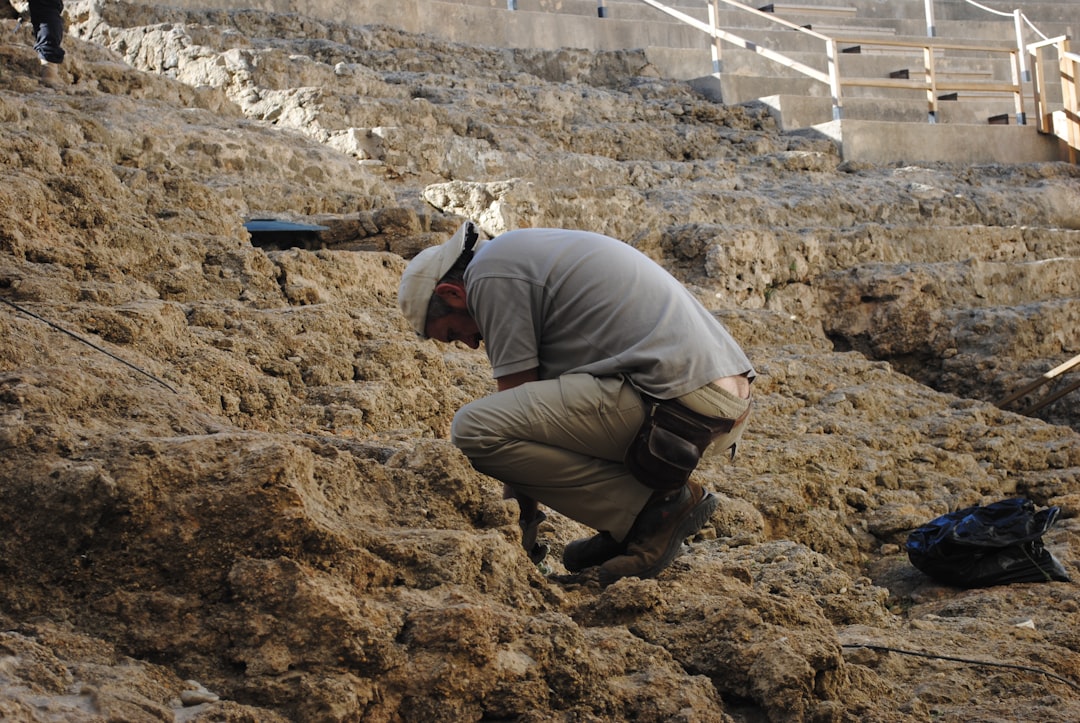
The flickering screen cast a pale glow on the expectant faces, a silent testament to the allure of history and the relentless pursuit of its secrets. Tonight, a select audience gathered for a special screening of “Uncovering the Past: Ancient DNA Archaeology,” a documentary poised to redefine our understanding of human migration, evolution, and the very fabric of our ancestral connections. This groundbreaking film delves into the revolutionary field of ancient DNA archaeology, showcasing how the genetic blueprints of long-dead individuals are being painstakingly extracted and analyzed, offering an unprecedented window into bygone eras. The documentary doesn’t merely present dry scientific findings; it weaves a compelling narrative, taking viewers on a journey alongside dedicated archaeologists and geneticists as they unearth clues from the earth and the very molecules of life.
The very concept of piecing together the lives of individuals who lived millennia ago might seem like pure science fiction. Yet, “Uncovering the Past” masterfully demystifies this complex process, revealing that the answer to understanding our deep past lies not just in stone tools and pottery shards, but in the microscopic world of DNA. This section of the documentary lays the foundational understanding for the audience, emphasizing how DNA, a molecule that carries the genetic instructions for all known living organisms, can persist in ancient remains for thousands, and sometimes even tens of thousands, of years. The film highlights the initial skepticism and challenges faced by pioneers in the field, who were often met with doubt regarding the feasibility of recovering viable genetic material from such ancient sources.
The Fragile Thread of Inheritance: DNA Preservation
The film vividly illustrates the precarious nature of DNA preservation. Viewers are introduced to the various environments where ancient DNA can be found, from the bone fragments of our ancestors buried in arid deserts to the frozen corpses preserved in Siberian permafrost. It explains how factors like temperature, humidity, and the presence of microbial activity can significantly impact the integrity of the genetic material. The documentary showcases specific examples, such as the discovery of remarkably well-preserved DNA from Neanderthal fossils found in caves, a testament to the unique conditions that can safeguard this precious biological archive. The sheer tenacity of this genetic code, surviving the ravages of time and environmental decay, is presented as nothing short of miraculous.
Beyond the Skeleton: What DNA Tells Us
“Uncovering the Past” moves beyond simply identifying species or sexes. It illuminates how ancient DNA analysis can reveal a wealth of information about individuals and populations that traditional archaeological methods cannot. This includes details about their physical characteristics, such as eye and hair color, susceptibility to certain diseases, and even dietary habits. The documentary emphasizes the revolutionary insights gained from understanding ancestral admixture, tracing the movements and interactions of different human populations across continents and millennia. It paints a picture of a constantly shifting human landscape, with groups migrating, intermingling, and leaving their genetic legacy for future generations.
In the fascinating realm of ancient DNA archaeology, a recent documentary sheds light on groundbreaking discoveries that challenge our understanding of early human civilizations. For those interested in exploring more about the intersection of ancient technologies and archaeological findings, an insightful article titled “Forbidden Ancient Technology: Secrets Unearthed” delves into the mysteries surrounding ancient innovations and their implications for modern science. You can read the article here: Forbidden Ancient Technology: Secrets Unearthed.
From Bone to Blueprint: The Cutting-Edge Methodology
The documentary dedicates a significant portion to showcasing the sophisticated techniques employed in ancient DNA archaeology. Viewers are taken behind the scenes, witnessing the meticulous process of sample collection, laboratory extraction, and the intricate bioinformatics required to reconstruct fragmented genetic sequences. This is not a simple affair; it requires specialized clean rooms to prevent contamination, highly sensitive equipment, and a deep understanding of molecular biology and computational science. The film balances the scientific rigor with engaging visuals, making the complex processes accessible and fascinating.
The Art of Extraction: Isolating the Ancient Genetic Code
The audience is introduced to the challenges inherent in extracting DNA from ancient specimens. The documentary explains how the DNA degrades over time, becoming fragmented and contaminated with modern DNA from researchers, excavators, and environmental microbes. Viewers witness the delicate procedures involved in carefully drilling into fossilized bone or teeth, precisely targeting the areas where DNA is most likely to be preserved. The film then showcases the chemical processes used to liberate the ancient DNA from the mineral matrix of the bone, a crucial step that requires extreme precision to avoid further degradation. The emphasis is on the painstaking care and specialized knowledge required at every stage.
Reconstructing the Past: The Power of Sequencing and Bioinformatics
Once extracted, the ancient DNA fragments are incredibly short. The documentary explains the revolutionary role of DNA sequencing technologies, which can read the order of the molecular building blocks. However, the challenge remains: piecing together these short fragments like a jigsaw puzzle, but with millions of tiny, often incomplete, pieces. This is where bioinformatics comes into play. Viewers are shown how powerful computational tools are used to compare the ancient DNA sequences with modern human genomes and those of other ancient hominins. This complex computational analysis allows researchers to reconstruct the full genome, identify mutations, and ultimately understand the genetic relationships between ancient populations. The film highlights the iterative nature of this process, where initial findings often lead to new questions and further rounds of analysis.
Rewriting Human History: Revelations from the Genetic Record
“Uncovering the Past” doesn’t shy away from the profound implications of ancient DNA findings. It presents compelling case studies that have fundamentally altered our understanding of human history, challenging long-held theories and providing definitive answers to persistent questions. The documentary effectively communicates how this genetic data is not just an academic pursuit but a powerful tool for rewriting narratives that have been shaped by limited evidence.
In the fascinating realm of ancient DNA archaeology, recent discoveries have shed light on the genetic makeup of early human populations, revealing insights into their migration patterns and interactions with other species. A related article discusses the seismic profiling of the Antarctic ice cap, which offers a unique perspective on how climate changes have influenced human history and prehistory. For those interested in exploring this connection further, you can read more about it in the article on unveiling the Antarctic ice cap.
The Story of Our Ancestors: Tracing Migrations and Interactions
One of the most impactful revelations from ancient DNA archaeology concerns human migration. The film illustrates how genetic markers can act like timestamps and geographical indicators, allowing researchers to trace the epic journeys of our ancestors out of Africa and across the globe. Viewers witness how DNA analysis has provided concrete evidence for previously hypothesized migration routes, revealing the timing and scale of these movements. The documentary also highlights instances of surprising interactions between different hominin groups, such as the well-documented interbreeding between early modern humans and Neanderthals. This genetic evidence reveals a more complex and nuanced picture of our evolutionary past than previously imagined.
Unraveling the Mysteries of Extinct Relatives: Neanderthals and Denisovans
The documentary dedicates significant attention to the genetic revelations concerning our extinct hominin relatives, Neanderthals and Denisovans. Viewers are enthralled by the ability to read the genomes of these ancient cousins, revealing their distinct genetic profiles and their interactions with modern humans. The film explains how the presence of Neanderthal and Denisovan DNA in the genomes of people living today is a direct consequence of ancient interbreeding. This genetic legacy, though often small, has had tangible effects on our immune systems and other biological traits. The documentary emphasizes how these discoveries have moved us from viewing Neanderthals as brutish, primitive beings to understanding them as complex individuals with their own unique cultures and adaptations.
Understanding Disease and Adaptation: The Genetic Legacy of the Past
The film also explores how ancient DNA can illuminate our understanding of human adaptation and disease resistance. By analyzing the genomes of individuals who lived through periods of significant environmental change or disease outbreaks, researchers can identify genetic variants that conferred survival advantages. This provides invaluable insights into the evolutionary pressures that have shaped human populations and can even inform our understanding of modern health challenges. The documentary shows how studying the genetic basis of past adaptations can offer clues about our resilience and vulnerabilities in the face of new diseases and environmental shifts.
Ethical Considerations and Future Frontiers
As with any powerful scientific advancement, “Uncovering the Past” also addresses the ethical considerations surrounding ancient DNA research. The film engages in a thoughtful discussion about the responsible handling of ancestral remains and the importance of respecting the cultural heritage of indigenous communities. It emphasizes the need for collaboration and consultation with descendant populations, ensuring that the research benefits all involved and is conducted with cultural sensitivity.
Respecting the Ancestors: Indigenous Voices and Scientific Responsibility
The documentary underscores the critical importance of ethical engagement with indigenous communities. It highlights instances where collaborations have led to deeper understanding and mutual respect, while also acknowledging past missteps. The film advocates for a paradigm shift in archaeological practice, where descendant communities are not just consulted but actively involved in the research process. This includes issues of data ownership, interpretation, and the respectful curation of ancestral remains. The documentary poses important questions about who has the right to study and interpret the past, and how such research can be conducted in a manner that honors the legacy of those who came before.
The Horizon of Discovery: What Lies Ahead
“Uncovering the Past” concludes by looking towards the future of ancient DNA archaeology. The film suggests that as technology continues to advance, the potential for discovery is virtually limitless. Researchers are exploring new avenues, such as analyzing environmental DNA from ancient sediments to reconstruct past ecosystems and even attempting to retrieve DNA from ancient artifacts. The documentary inspires awe and anticipation for what further secrets will be unlocked as scientists continue to push the boundaries of this transformative field. It leaves the audience with a sense of wonder about the vast, uncharted territories of human history that are now becoming accessible through the silent, yet eloquent, language of our genes. The final moments of the film are a powerful reminder that the past is not just a collection of dusty artifacts; it is a living, breathing narrative encoded within us, waiting to be understood.
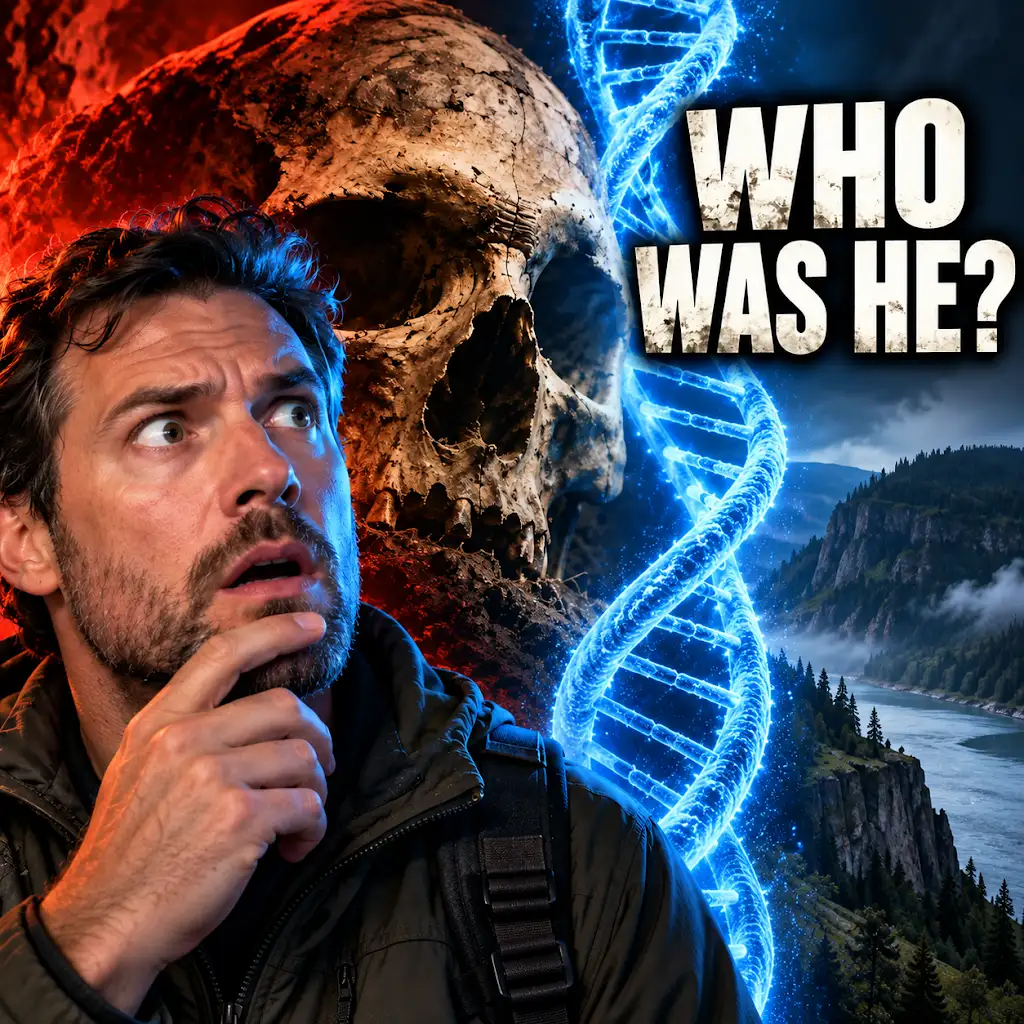
Kennewick Man’s Skull Said One Thing. DNA Said Another.
FAQs
What is ancient DNA archaeology?
Ancient DNA archaeology is a field of study that involves extracting and analyzing genetic material from ancient human remains to learn more about the genetic history of past populations.
How is ancient DNA extracted from archaeological sites?
Ancient DNA is typically extracted from bones, teeth, or other preserved biological material found at archaeological sites. Scientists use specialized techniques to isolate and sequence the ancient DNA.
What can ancient DNA tell us about the past?
Ancient DNA can provide insights into the genetic relationships between ancient populations, migration patterns, and evolutionary history. It can also help researchers understand how ancient populations interacted and evolved over time.
What are some examples of discoveries made through ancient DNA archaeology?
Some examples of discoveries made through ancient DNA archaeology include identifying previously unknown human species, tracing the movements of ancient populations, and uncovering genetic adaptations to environmental changes.
How is ancient DNA archaeology documented and shared with the public?
Ancient DNA archaeology findings are often documented in scientific journals, presented at conferences, and featured in documentaries and other media. Researchers also work to make their findings accessible to the public through educational outreach programs and museum exhibits.