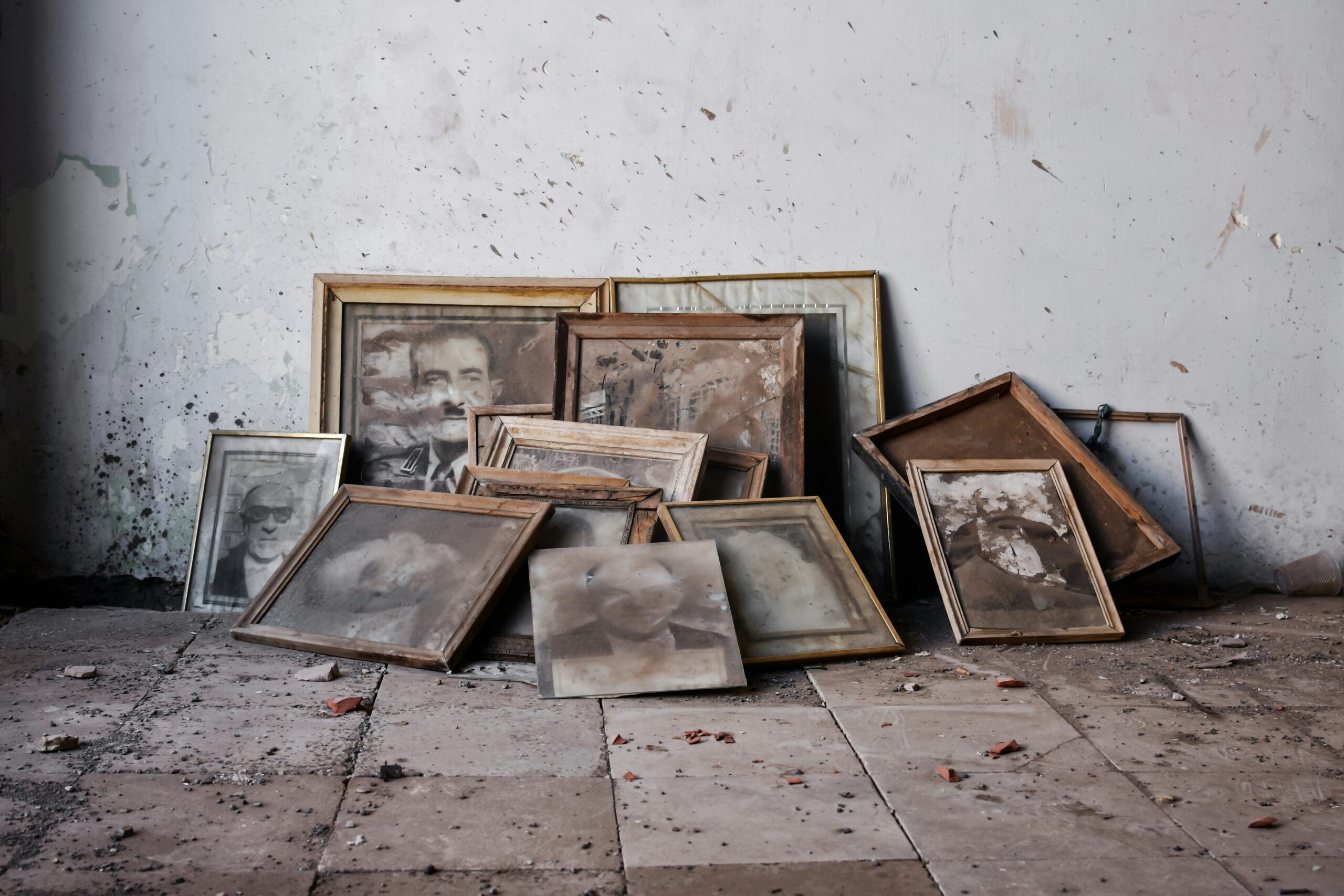
The flickering glow of the television screen cast a familiar, yet increasingly profound, light across the living room. On it, a documentary unfolded, not of staged reenactments or speculative theories, but of a meticulous, painstaking uncovering of the past. This was no mere entertainment; it was an evidence-based history documentary, a genre that was rapidly redefining how audiences engaged with historical narratives. Its power lay in its unwavering commitment to truth, built not on anecdote or artistic license, but on the solid bedrock of verifiable evidence.
The rise of these documentaries signaled a shift in public appetite. Audiences, bombarded by a constant stream of information and misinformation, craved authenticity. They sought narratives grounded in facts, presented with a clarity that allowed them to participate in the discovery process, rather than passively receive a pre-digested interpretation. Evidence-based history documentaries offered precisely this: a journey into the past that was as intellectually rigorous as it was visually compelling. They brought history out of dusty archives and into the digital forefront, making the detective work of historians accessible and engaging for a global audience.
At its core, an evidence-based history documentary hinges on a set of fundamental principles that differentiate it from more traditional or speculative approaches to historical storytelling. These documentaries do not merely present a story; they construct one, brick by verifiable brick. The foundation of this construction is the evidence itself, meticulously gathered, analyzed, and presented.
Primary Sources: The Direct Voice of the Past
The most crucial pillar is the reliance on primary sources. These are the raw materials of history – documents, artifacts, and eyewitness accounts that originate from the period being studied.
Archival Documents and Records
Within this category, governmental records, personal letters, diaries, legal documents, and business ledgers serve as invaluable windows into past events and societal structures. A documentary might meticulously present excerpts from a soldier’s diary contrasting with official military communiques, revealing discrepancies and offering a more nuanced understanding of a conflict. The visual presentation of these documents, often shown in high resolution, transforms them from abstract concepts into tangible evidence of human experience.
Artifacts and Material Culture
The tangible remains of the past, from pottery shards and tools to clothing and architectural fragments, offer insights that written records sometimes cannot. An evidence-based documentary would not simply mention an artifact but would integrate it into the narrative. For instance, an examination of Roman pottery found at a dig site could inform discussions about trade routes, dietary habits, and the social stratification of the time. The scientific analysis of these artifacts, such as carbon dating or material composition analysis, would be shown, demonstrating the methods used to extract historical information.
Oral Histories and Testimonies
While subjective, carefully collected oral histories from individuals who lived through significant events can provide unique perspectives. Evidence-based documentaries treat these with caution, often corroborating them with other evidence or acknowledging their inherent limitations. The interview process itself, the way questions are framed, and the reactions of the interviewee can become part of the narrative, highlighting the memory and interpretation of events.
Secondary Sources: Expert Interpretation and Context
While primary sources are the bedrock, secondary sources play a vital role in providing context, interpretation, and scholarly consensus.
Scholarly Books and Peer-Reviewed Articles
These represent the distilled knowledge of professional historians and academics. Evidence-based documentaries draw upon the research published in these reputable sources, citing them implicitly or explicitly. The filmmakers are not reinventing the wheel; they are leveraging decades of scholarly investigation.
Expert Interviews
Inviting contemporary historians, archaeologists, archivists, and other relevant experts to discuss their findings and interpretations is a hallmark of these documentaries. These interviews are not designed to present opinions but rather to explain the evidence and its significance, guiding the audience through complex historical arguments. The credentials and affiliations of the experts lend further credibility to the presented information.
Scientific and Technological Applications
Modern technology has revolutionized the ability to uncover and analyze historical evidence. Evidence-based documentaries often showcase these advancements, making the scientific process itself a compelling part of the story.
Forensics and DNA Analysis
In cases involving historical mysteries or the identification of remains, forensic techniques and DNA analysis can provide definitive answers. A documentary might detail the process of excavating a mass grave, collecting DNA samples, and comparing them to modern relatives or known historical figures, offering conclusive evidence where mere speculation once existed.
Geophysical Survey and Remote Sensing
Tools like ground-penetrating radar (GPR) and satellite imagery allow historians and archaeologists to detect buried structures or anomalies without disturbing the archaeological site. Witnessing the visualization of hidden remains beneath the earth, or the interpretation of aerial photographs revealing ancient landscapes, adds a layer of scientific wonder and concrete discovery.
For those interested in the intersection of history and archaeology, the article “Exploring the Forbidden Room: Ancient City Ruins” provides a fascinating look into the remnants of past civilizations and how they contribute to our understanding of historical narratives. This piece complements the themes discussed in the Evidence-Based History documentary by showcasing how tangible artifacts and ruins can serve as crucial evidence in reconstructing historical events. To read more about these ancient discoveries, visit the article here: Exploring the Forbidden Room: Ancient City Ruins.
The Art of Presentation: Bringing Evidence to Life
Gathering evidence is only half the battle. The true genius of an evidence-based history documentary lies in its ability to present this evidence in a compelling and accessible manner, transforming dry facts into a captivating narrative.
Visualizing the Abstract
One of the greatest challenges in historical filmmaking is making the intangible tangible. Evidence-based documentaries excel at this through a variety of techniques.
CGI and Reenactments (Used Responsibly)
While some documentaries rely heavily on dramatic reenactments, evidence-based ones use them judiciously. Computer-generated imagery (CGI) is employed not for gratuitous spectacle, but to reconstruct environments, events, or objects for which no direct visual record exists, always with a disclaimer or visual cue indicating its reconstructive nature. This might involve recreating a lost Roman villa based on archaeological findings or visualizing the movement of armies on a battlefield based on cartographic evidence.
Animated Infographics and Maps
Complex data and spatial relationships are often best communicated through clear, concise infographics and animated maps. The movement of trade goods, the spread of empires, or the demographic shifts over time can be powerfully illustrated, making abstract concepts understandable and the historical narrative more dynamic.
High-Resolution Photography and Videography
The meticulous filming of artifacts, documents, and archaeological sites in high definition allows viewers to scrutinize the evidence themselves. Close-ups of faded ink on parchment, the texture of ancient stone, or the intricate details of a bronze artifact can foster a sense of direct engagement with the past.
In exploring the fascinating intersection of history and technology, the evidence-based history documentary sheds light on how ancient civilizations utilized innovative methods for resource management. A related article that delves deeper into this topic is available at Uncovering Ancient Secrets of Wind Harvesting, which discusses the ingenious techniques employed by past societies to harness natural elements for their benefit. This connection between historical practices and modern understanding enriches our appreciation of human ingenuity throughout the ages.
The Role of Narration and Expert Commentary
The spoken word in an evidence-based documentary is carefully calibrated. Narration guides the audience, but it rarely dictates a single interpretation. Instead, it often poses questions, links pieces of evidence, and sets the stage for expert analysis.
Fact-Driven Narration
The narrator’s voice is typically measured and objective, focusing on presenting the discovered evidence and the logical deductions made from it. The language used is precise, avoiding hyperbole or sensationalism, reflecting the scholarly nature of the content.
Insightful Expert Interviews
As mentioned earlier, experts are not just talking heads. Their interviews are edited to flow within the narrative, explaining the significance of a particular artifact, the challenges of deciphering a manuscript, or the implications of a recent archaeological discovery. These segments are crucial for providing the audience with the context and understanding needed to appreciate the evidence.
Case Studies: Where Evidence Meets Narrative
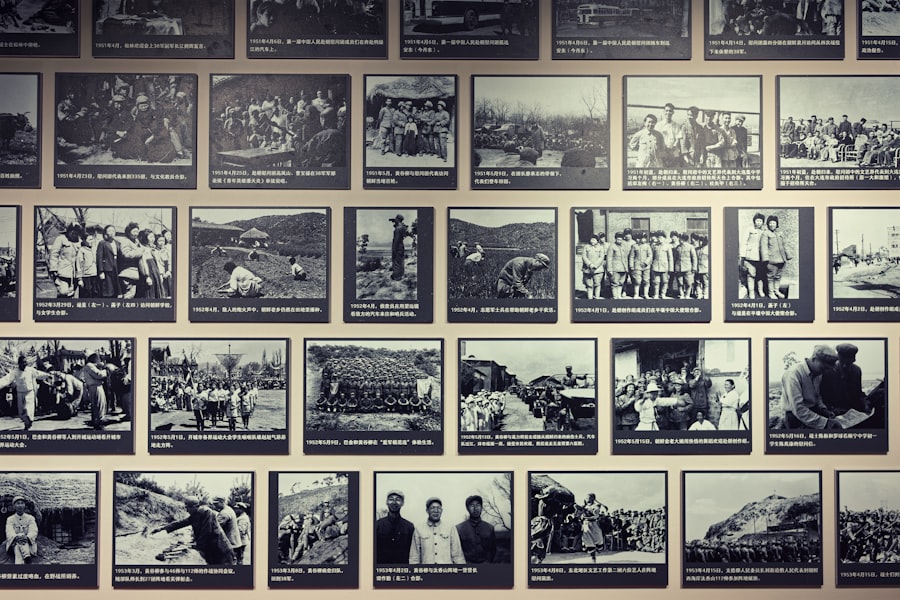
The efficacy of the evidence-based approach is best illustrated through real-world examples. These documentaries often tackle specific historical questions or mysteries, demonstrating the power of methodical investigation.
Deciphering Ancient Mysteries
Many historical documentaries focus on unlocking the secrets of civilizations long gone. The evidence-based approach is particularly vital here.
The Rosetta Stone and Hieroglyphics
A documentary might meticulously trace the discovery of the Rosetta Stone, showcasing images of the stone itself and the different scripts. It would then detail the painstaking work of scholars like Jean-François Champollion, explaining the comparative analysis of the Greek text with the Egyptian hieroglyphs. The process of decipherment, shown through the evolution of Champollion’s notes and the gradual unveiling of meaning, becomes a compelling narrative of intellectual triumph.
The Construction of Ancient Megaliths
Questions surrounding the construction of Stonehenge, the Egyptian pyramids, or the Nazca Lines are often ripe for speculation. An evidence-based documentary would move beyond wild theories, presenting archaeological evidence of quarrying, transportation techniques (such as ramps and levers), and the astronomical alignments that suggest purpose. It would showcase the tools used, the labor force distribution, and the geological analysis of the stonework to propose credible explanations.
Unraveling Historical Controversies
Evidence-based history documentaries also shine a light on periods of intense historical debate, offering clarity through meticulous examination of available facts.
The Assassination of JFK
When examining events like the assassination of John F. Kennedy, an evidence-based approach would meticulously present the Warren Commission report, analyze photographic and film evidence (the Zapruder film, for example), and incorporate expert testimony from ballistics specialists and autopsy surgeons. It would also address and analyze conflicting theories, systematically debunking or supporting them with concrete evidence.
The Fate of the Roanoke Colony
The mystery of the “Lost Colony” of Roanoke can be explored through archaeological findings, linguistic analysis of fragmented clues, and historical accounts from Indigenous peoples. A documentary might present the archeological digs, showing the artifacts unearthed that indicate a settlement and subsequent abandonment. It would also compare and contrast various historical theories, evaluating each based on the physical and textual evidence available.
The Ethical Imperative and the Future of Historical Documentation

The commitment to evidence carries with it a profound ethical responsibility. Evidence-based history documentaries are not just about presenting facts; they are about conveying them accurately and responsibly, acknowledging the limitations of the available evidence and fostering critical thinking.
Avoiding Bias and Misinterpretation
A key ethical consideration is the conscious effort to minimize bias. This involves presenting a balanced range of evidence, acknowledging dissenting scholarly opinions when they are supported by evidence, and being transparent about the methodology used.
The Dangers of Presentism
Filmmakers must actively guard against “presentism” – judging past actions and beliefs by present-day standards. An evidence-based approach explores the context of the past, seeking to understand why people acted as they did, rather than simply condemning them based on modern moral frameworks. This requires careful exploration of primary sources that reveal the societal norms and understandings of the time.
Acknowledging Gaps in Evidence
No historical record is complete. Evidence-based documentaries are forthright about what is not known. They acknowledge gaps in the evidence, areas of scholarly debate, and the inherent subjectivity that can still exist even in well-documented events. This honesty builds trust with the audience and encourages them to think critically about the limitations of historical knowledge.
The Role in Education and Public Discourse
Evidence-based history documentaries have a significant role to play in educating the public and fostering more informed discourse.
Promoting Historical Literacy
By showcasing the process of historical investigation, these documentaries demystify history and make it more accessible. They empower viewers to become more discerning consumers of historical information, capable of questioning unsubstantiated claims and seeking out credible sources.
Countering Historical Revisionism and Conspiracy Theories
In an era where misinformation can spread rapidly, evidence-based documentaries serve as a crucial bulwark. They provide well-researched, fact-checked narratives that can counter the influence of revisionist histories and unfounded conspiracy theories, reminding audiences of the power of verifiable evidence.
The Evolving Landscape
The future of evidence-based history documentaries is bright, driven by technological advancements and a growing demand for authenticity. The integration of virtual reality (VR) and augmented reality (AR) could offer even more immersive ways to explore historical sites and interact with evidence. Interactive digital platforms will allow audiences to delve deeper into primary sources and scholarly research.
This evolution promises a more dynamic and participatory approach to history, where the audience is not just a spectator but an active participant in the discovery of the past. The commitment to rigorous evidence, however, will remain the unwavering compass guiding this journey, ensuring that the stories we tell about ourselves and our ancestors are grounded in truth and illuminated by the enduring power of facts. The evidence-based history documentary, therefore, is more than just a genre; it is a vital tool for understanding our world, past and present.

The Lost City That Was Never Really Lost
FAQs
What is an evidence-based history documentary?
An evidence-based history documentary is a documentary film or series that is grounded in historical evidence and research. It aims to present historical events, figures, and phenomena based on factual evidence and scholarly research rather than speculation or fictionalized accounts.
How are evidence-based history documentaries different from other historical documentaries?
Evidence-based history documentaries distinguish themselves from other historical documentaries by their commitment to presenting historical information based on verifiable evidence and scholarly research. They prioritize accuracy and factual representation over dramatization or fictional storytelling.
What are the benefits of evidence-based history documentaries?
Evidence-based history documentaries provide viewers with a more accurate and nuanced understanding of historical events and figures. By relying on evidence and research, these documentaries can offer a more comprehensive and reliable portrayal of history, helping to dispel myths and misconceptions.
How are evidence-based history documentaries researched and produced?
Evidence-based history documentaries are typically researched and produced by historians, scholars, and experts in the field. They involve extensive research in primary and secondary sources, including archival materials, historical documents, and scholarly publications. The production process often includes consultation with experts to ensure accuracy and authenticity.
What are some examples of evidence-based history documentaries?
Examples of evidence-based history documentaries include “The Civil War” by Ken Burns, “The World at War” by Jeremy Isaacs, and “The Vietnam War” also by Ken Burns. These documentaries are known for their meticulous research and reliance on historical evidence to present a comprehensive and accurate portrayal of historical events.