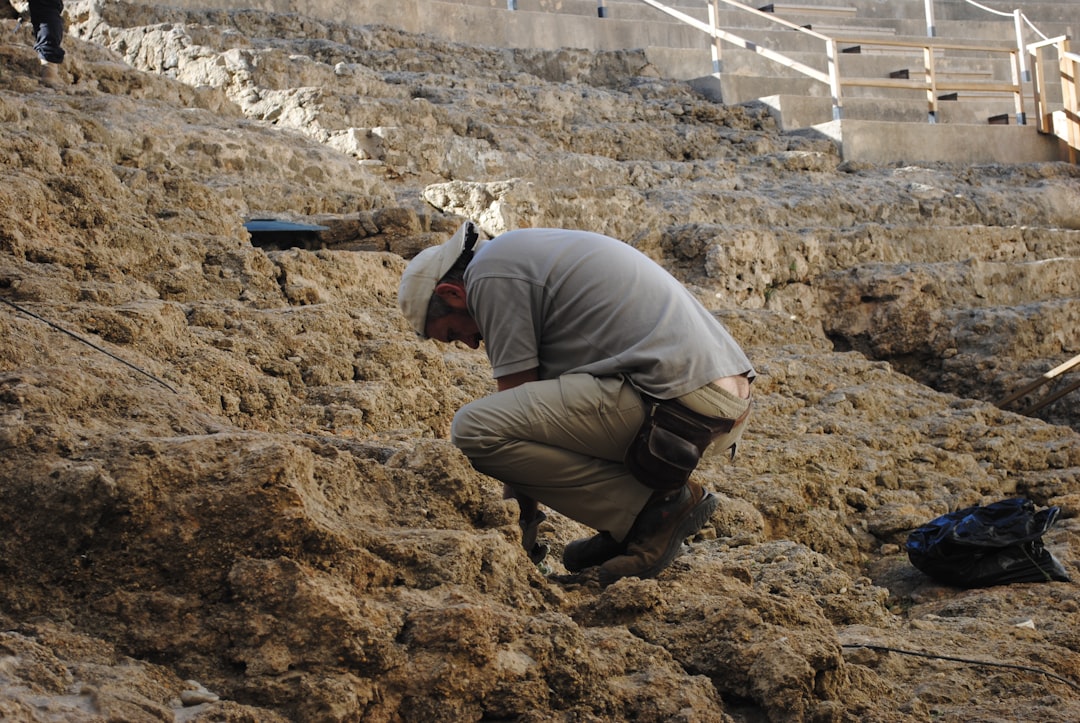
The world is a vast tapestry woven with threads of human activity, stretching back through millennia. While written records offer glimpses into certain periods and peoples, they are often incomplete, biased, or simply non-existent for large swathes of our collective story. It is here that historical archaeology steps onto the scene, a discipline dedicated to unearthing the tangible remnants of human life, particularly from periods where written records coexist with, but are not the sole source of, historical understanding. Unlike its prehistoric counterpart, which grapples with societies completely devoid of written accounts, historical archaeology bridges the gap, using the physical evidence of the past to illuminate, correct, and expand upon the narratives already told by documents. This powerful synergy between the artifact and the archive allows for a richer, more nuanced comprehension of human societies, their beliefs, their struggles, and their triumphs.
What is Historical Archaeology?
Historical archaeology, also known as historical documentary archaeology or archival archaeology, is a subfield of archaeology that focuses on human past from the time period when written records began to exist. This means it typically deals with the last few thousand years of human history, a period that includes ancient civilizations, medieval societies, and more recent historical periods like the colonial era, industrial revolution, and even into the 20th century. The defining characteristic of historical archaeology is its reliance on a dual methodology: the excavation and analysis of material culture (the physical remains of past human activity) and the rigorous interrogation of written sources. This blend is crucial, as each informs and enriches the other.
The Interplay of Material Culture and Written Records
The fundamental principle of historical archaeology lies in the complementary nature of its data sources. Material culture – pottery shards, tools, architectural remnants, personal adornments, even the refuse of daily life – provides direct, albeit often fragmented, evidence of what people did, used, and discarded. These artifacts are mute witnesses to human actions, offering insights into diet, technology, social status, trade networks, and ritual practices. Written records, on the other hand, offer narratives, explanations, laws, personal accounts, and official pronouncements. They can provide names, dates, intentions, and justifications. However, written records are not always accurate. They can be propagandistic, biased by social hierarchy, or simply misinformed. The physical evidence unearthed by archaeologists can corroborate, contradict, or simply fill in the silent spaces left by the written word. A colonial-era diary might speak of abundance, but archaeological excavations of a plantation might reveal a diet heavily reliant on meager rations. Conversely, a ship’s manifest might list provisions, but archaeological evidence of butchered animal bones can reveal the actual dietary practices and the social differentiation in who consumed which parts.
Distinguishing Historical Archaeology from Prehistoric Archaeology
The primary distinction between historical and prehistoric archaeology lies in the presence or absence of written records. Prehistoric archaeology deals with human societies before the invention of writing. Archaeologists in this field reconstruct past lifeways solely through the analysis of material remains. Historical archaeology, therefore, operates within a broader and often more complex evidentiary landscape. The integration of documentary evidence allows historical archaeologists to ask different kinds of questions and to approach the past with a different set of analytical tools. For instance, when excavating a prehistoric settlement, archaeologists might infer social organization from house sizes and burial practices. In a historical context, they might combine such inferences with written records detailing land ownership, legal statutes, or correspondence between individuals to build a more comprehensive picture of social stratification and power dynamics.
The Scope and Chronological Boundaries
The chronological boundaries of historical archaeology are fluid and depend on the availability of written records in a particular region. In regions with early writing systems, such as Mesopotamia or Egypt, historical archaeology might extend back thousands of years. In areas where writing developed more recently, like parts of North America or Australia, historical archaeology might focus on periods as recent as the 19th or even 20th centuries. This flexibility allows historical archaeologists to investigate a vast array of human experiences, from the construction of Roman villas to the daily lives of factory workers during the Industrial Revolution, or the experiences of indigenous peoples interacting with colonial powers.
Historical archaeology offers a fascinating lens through which we can examine the past, revealing insights about cultural practices, social structures, and economic systems. For those interested in the intersection of history and contemporary issues, a related article discusses the impact of Chinese electric vehicles on the U.S. market, highlighting how modern economic dynamics can reflect historical trends in trade and innovation. To explore this topic further, you can read the article here: Chinese EVs: Threat to U.S. Market.
The Methodology of Historical Archaeology
The practice of historical archaeology is a meticulous process that begins long before any trowel touches the earth. It is a discipline built on careful planning, systematic excavation, and rigorous analysis, all informed by a deep understanding of both material and documentary evidence.
Site Identification and Survey
The process of uncovering the past begins with identifying potential archaeological sites. For historical archaeology, this often involves more than just recognizing the possibility of past human habitation. Researchers will consult historical maps, land deeds, probate records, family histories, and even oral traditions to pinpoint locations of interest. Surveys, both visual and geophysical, are then employed to assess the extent and nature of buried remains. Visual surveys might involve walking transects across a landscape, looking for surface concentrations of artifacts (like pottery sherds or building debris) or subtle topographic anomalies that suggest buried structures. Geophysical techniques, such as ground-penetrating radar (GPR) and magnetometry, can reveal subsurface features like walls, hearths, and ditches without disturbing the ground, allowing archaeologists to prioritize areas for excavation.
Excavation Techniques and Recording
Once a site is selected for excavation, specialized techniques are employed to systematically recover the material evidence. Excavations are typically conducted in stratigraphic layers, meaning the soil is removed in the order it was deposited, much like peeling back the layers of an onion. Each layer, or stratum, represents a distinct period of deposition or activity. Artifacts found within each stratum are meticulously recorded, noting their exact location (using meticulous grid systems and elevation measurements), their context (what they were found with), and their stratigraphic association. Detailed notes, photographs, and drawings are essential for documenting the excavation process and ensuring that the spatial relationships between artifacts and features are preserved for later analysis.
Stratigraphy: The Foundation of Excavation
Stratigraphy is the cornerstone of archaeological excavation. It is the study of the layered deposition of soil and other materials. According to the geological principle of superposition, in an undisturbed sequence of sedimentary rocks (or archaeological layers), the oldest layers will be at the bottom and the youngest layers will be at the top. Archaeologists use this principle to establish the sequence of events at a site. By carefully excavating layer by layer and recording the contents of each, they can reconstruct the chronology of human occupation and activity. This allows them to understand how a site evolved over time, which structures were built and abandoned, and the relative dating of artifacts.
Feature and Artifact Recovery
Features are non-portable elements of a site, such as hearths, postholes, wells, or foundations. These provide crucial information about human behavior and the organization of space. Artifacts, on the other hand, are portable objects made or modified by humans, such as tools, pottery, coins, or personal items. Both features and artifacts are meticulously excavated, recorded, and bagged for laboratory analysis. The association between artifacts and features is particularly important. For example, finding cooking pots within a hearth provides strong evidence of food preparation.
Laboratory Analysis and Interpretation
After excavation, the recovered materials are brought to the laboratory for in-depth analysis. This is where the true work of interpretation begins. Artifacts are cleaned, conserved, and cataloged. Specialized scientists may be involved, such as ceramicists analyzing pottery types, zooarchaeologists studying animal bones, or paleobotanists examining plant remains. The goal is to identify, classify, and date the artifacts, and to extract as much information as possible about their use and origin.
Material Culture Analysis
The analysis of material culture is central to historical archaeology. This involves studying the form, function, and distribution of artifacts. For example, the style and provenance of ceramic fragments can indicate trade connections and social status. The types of tools found can reveal technological capabilities and subsistence strategies. Even seemingly mundane objects like buttons or nails can provide significant insights into manufacturing processes, economic systems, and the daily lives of people in the past.
Documentary Research and Cross-Referencing
Simultaneously, historical archaeologists engage in extensive documentary research. They delve into archives, libraries, and historical societies, seeking out any written records that might relate to their site or region. This can include government documents, personal letters, diaries, newspapers, estate inventories, church records, and even visual materials like photographs and maps. The crucial step is then to cross-reference the evidence from the archaeological record with the information gleaned from documents. Do the material remains support or contradict the written accounts? Do they reveal aspects of life that the documents omit entirely?
Types of Sites in Historical Archaeology
The scope of historical archaeology is incredibly broad, encompassing a diverse range of human endeavors and inhabiting a multitude of environments. The sites investigated are as varied as the human experience itself, each offering a unique window into a specific facet of the past.
Domestic and Residential Sites
Perhaps the most common type of historical archaeological site are domestic and residential locations. These can range from the grand estates of wealthy landowners to the humble cottages of laborers, from the bustling households of urban centers to the isolated farmsteads of rural communities. Excavations at these sites reveal the intimate details of daily life: the layout of homes, the types of food consumed (inferred from hearths, food storage areas, and animal/plant remains), the furniture and possessions people owned, and the social dynamics within households. The analysis of pottery, glassware, personal adornments, and even discarded waste provides a tangible record of domestic routines, economic status, and cultural practices.
Industrial and Commercial Sites
The Industrial Revolution and the subsequent expansion of global trade have left an indelible mark on the archaeological record. Historical archaeologists investigate factories, workshops, mines, docks, marketplaces, and warehouses. These sites offer insights into manufacturing processes, technological innovation, labor conditions, economic systems, and the impact of industrialization on society and the environment. Artifacts from these sites might include machinery parts, tools, raw materials, finished products, and the detritus of production. Documentary evidence, such as company records, labor reports, and newspaper articles about industrial development, are invaluable for understanding the context of these material remains.
Military and Defensive Sites
Forts, battlefields, encampments, and defensive structures represent another significant area of historical archaeological research. These sites provide evidence of conflict, military organization, and the strategies employed in warfare. Excavations can reveal the layout of fortifications, the types of weapons and armor used, the diet and health of soldiers, and the impact of military activity on the surrounding landscape. Material remains might include weaponry, ammunition, military accoutrements, and evidence of temporary shelters. Written records, such as military orders, campaigns, and veteran accounts, are crucial for interpreting the spatial and temporal dimensions of these sites.
Religious and Ceremonial Sites
Churches, temples, monasteries, shrines, and burial grounds are examined by historical archaeologists to understand the religious beliefs, practices, and social structures of past societies. Excavations can reveal architectural styles, ritual objects, burial customs, and the economic resources dedicated to religious institutions. The interpretation of iconography on religious artifacts and the arrangement of burials often intersect with theological texts and historical accounts of religious movements.
Transportation and Infrastructure Sites
Canals, roads, bridges, railway lines, ports, and shipwrecks are all part of the historical archaeological landscape. These sites illuminate the development of infrastructure, trade routes, and patterns of human movement. The study of shipwrecks, in particular, offers a unique frozen-in-time glimpse into maritime trade, shipbuilding technology, and the lives of seafarers. Analyzing the cargo, construction of the vessel, and any personal effects recovered can provide a wealth of information about economic history and social life.
The Significance of Historical Archaeology
The value of historical archaeology extends far beyond the mere accumulation of old objects. It is a discipline that actively shapes our understanding of the past and informs our present. By giving voice to the voiceless and filling in the gaps left by conventional historical narratives, it offers a more inclusive and comprehensive view of human experience.
Reconstructing Everyday Life
While history books often focus on the deeds of kings, queens, and generals, historical archaeology brings to the fore the lives of ordinary people. The artifacts unearthed from domestic sites, workplaces, and public spaces – from humble cooking pots to discarded personal items – paint a vivid picture of daily routines, social customs, dietary habits, and personal struggles that are often absent from written records. This focus on the everyday is vital for understanding the lived experiences of the majority of past populations, offering a more grounded and relatable connection to our ancestors.
Challenging and Correcting Historical Narratives
Written histories are often shaped by the perspectives of those in power. They can be biased, incomplete, or intentionally misleading. Historical archaeology provides an independent and often contradictory source of evidence that can challenge and correct these established narratives. For example, archaeological evidence from the sites of enslaved peoples or indigenous communities might reveal different realities of oppression, resistance, or cultural resilience than those presented in colonial documents. The material record can offer a more objective counterpoint to biased accounts, leading to a more nuanced and accurate understanding of historical events.
Understanding Cultural Change and Transformation
Human societies are not static; they are constantly evolving. Historical archaeology is uniquely positioned to track these transformations. By examining the gradual or abrupt changes in material culture and architectural styles over time, archaeologists can identify shifts in technology, economy, social organization, and belief systems. The introduction of new goods through trade, the adoption of new manufacturing techniques, or the impact of major social or political events can all be traced through the archaeological record, providing a tangible timeline of cultural change.
Preserving and Interpreting Cultural Heritage
Historical archaeology plays a crucial role in identifying, preserving, and interpreting cultural heritage sites and artifacts. Many historical sites are vulnerable to destruction from development, environmental degradation, or looting. Archaeological research provides the necessary data for advocating for preservation, informing conservation efforts, and developing engaging public interpretation programs. By understanding the significance of these sites and the stories they tell, we can ensure that valuable aspects of our shared past are protected for future generations. This also involves making the findings accessible not just to academics but to the broader public, fostering a wider appreciation for history and archaeology.
Historical archaeology offers a fascinating glimpse into the past by examining material remains and their contexts, shedding light on the lives of people who came before us. For those interested in understanding how historical events shape contemporary society, a related article discusses the implications of emergency economic powers on citizens today. You can read more about this topic in the article here, which highlights the connections between past and present governance.
The Future of Historical Archaeology
As technology advances and new analytical methods emerge, historical archaeology continues to evolve, pushing the boundaries of what is possible in understanding the past. The discipline is embracing innovative techniques and interdisciplinary collaborations to unearth even deeper and more complex stories.
Advanced Technologies in Survey and Analysis
The application of cutting-edge technologies is revolutionizing historical archaeology. Remote sensing techniques, such as LiDAR (Light Detection and Ranging), can create highly detailed topographic maps of landscapes, revealing subtle features like ancient earthworks or building foundations that are invisible to the naked eye. Drones equipped with cameras and sensors are providing aerial perspectives for site mapping and monitoring. In the laboratory, advances in DNA analysis, isotopic analysis, and chemical residue analysis are allowing for unprecedented insights into diet, migration patterns, disease, and even social status from skeletal remains and artifact residues.
Interdisciplinary Approaches and Global Perspectives
Historical archaeology is increasingly embracing interdisciplinary approaches, collaborating with historians, anthropologists, geographers, chemists, geneticists, and other specialists. This cross-pollination of ideas and expertise leads to more comprehensive interpretations. Furthermore, the field is expanding its global reach, with archaeologists working in an ever-wider range of regions and engaging with diverse cultural contexts. This global perspective is essential for understanding the interconnectedness of human history and the broad spectrum of human experiences across different continents and societies.
Engaging the Public and Digital Archaeology
There is a growing emphasis on public engagement and making archaeological findings accessible to a wider audience. Digital platforms, virtual reality reconstructions, interactive websites, and social media are all being utilized to share discoveries and educate the public about the importance of historical archaeology. The development of digital archives and databases also facilitates collaboration among researchers and makes vast amounts of data accessible for broader analysis and discovery. This democratization of knowledge ensures that the stories uncovered through archaeology resonate with communities and contribute to a shared understanding of our collective past. Historical archaeology, therefore, is not just about digging up the past; it is about making it understandable, relevant, and accessible for the present and the future. It is a dynamic and evolving field that continues to unlock the rich and complex tapestry of human history, one artifact, one document, and one meticulously recorded layer at a time.

The Lost City That Was Never Really Lost
FAQs

What is historical archaeology?
Historical archaeology is the study of the material remains of past societies that also left behind written records. It focuses on the period after the advent of written history.
What does historical archaeology aim to achieve?
Historical archaeology aims to provide a more comprehensive understanding of historical periods by combining archaeological evidence with historical documents and other sources.
What are some common research methods used in historical archaeology?
Common research methods in historical archaeology include excavation, surveying, artifact analysis, and the use of historical documents and maps to contextualize findings.
What are some key areas of study within historical archaeology?
Key areas of study within historical archaeology include colonialism, industrialization, urbanization, slavery, immigration, and the development of capitalism.
How does historical archaeology contribute to our understanding of the past?
Historical archaeology contributes to our understanding of the past by providing insights into the daily lives, social structures, and cultural practices of past societies that may not be fully captured in written records.