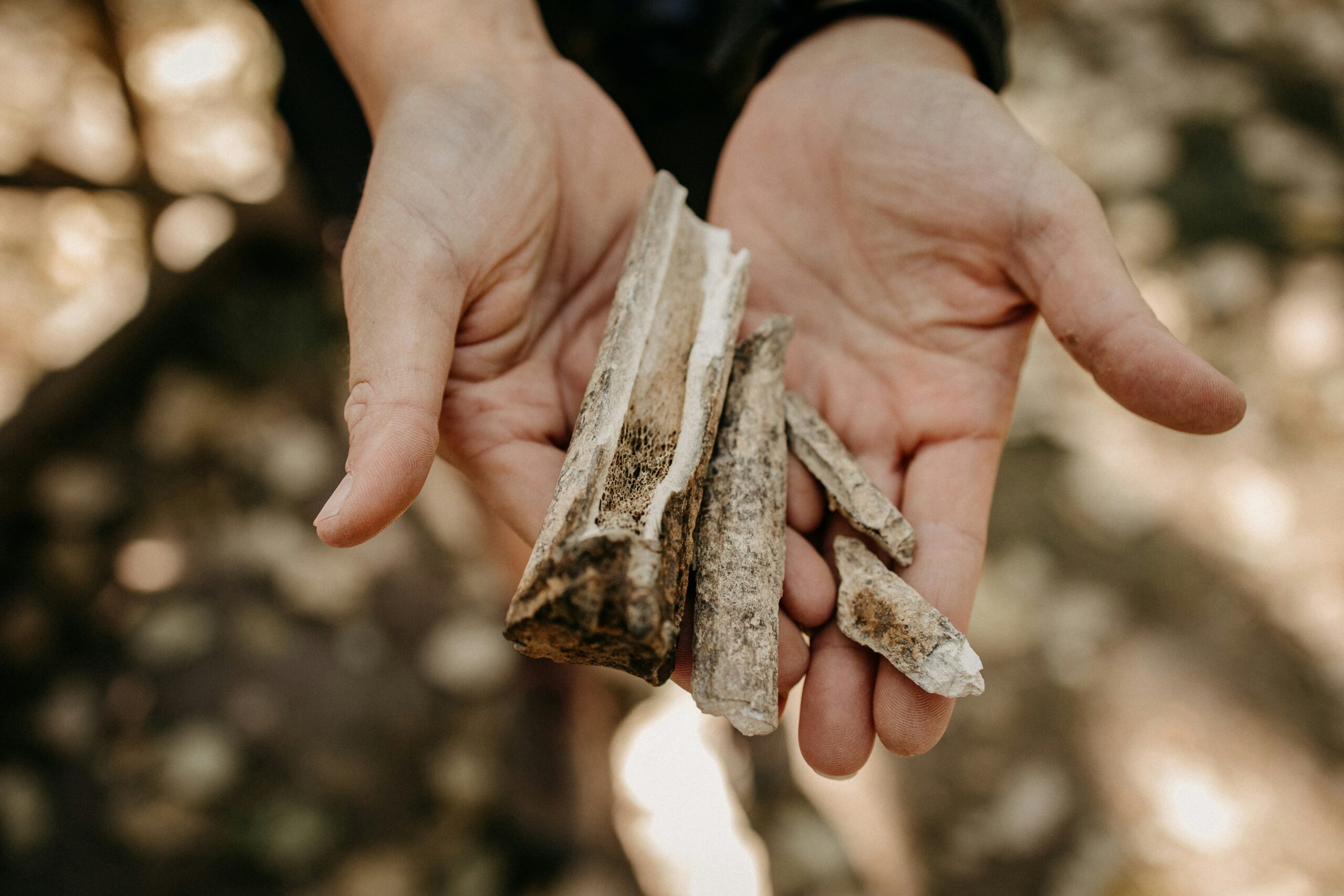
Uncovering the Past: The Science of Archaeology
Archaeology, at its core, is a discipline dedicated to the systematic study of human history and prehistory through the recovery and analysis of material remains. It is not merely about digging up old objects; it is a complex scientific endeavor that employs a diverse array of methodologies and technologies to reconstruct the lives, societies, and environments of those who came before us. From the earliest hominins to the remnants of industrial revolutions, archaeology offers a unique lens through which to understand the vast tapestry of human experience, revealing forgotten cultures, tracing the evolution of technologies, and unraveling the mysteries of our collective past. This field bridges the gap between written records and the silent testimony of artifacts, providing invaluable insights into the development of human civilization.
The journey of an archaeologist often begins with a question, a curiosity about a specific period, culture, or phenomenon. This initial spark then blossoms into a structured research design, laying the groundwork for all subsequent activities. The process is rigorous, methodical, and inherently multidisciplinary, drawing upon knowledge from history, anthropology, geology, biology, and chemistry, among other fields.
Defining the Research Question and Scope
Every archaeological investigation commences with the articulation of a clear and focused research question. This could be anything from understanding dietary practices of early agriculturalists in the Fertile Crescent to examining the social stratification of Roman Britain. The scope of the research is then defined – is it a localized study of a single site, a regional survey, or a broader comparative analysis? The specificity of the question and the defined scope will dictate the methodologies employed and the types of evidence sought. For instance, a question about trade networks will necessitate the examination of exotic materials and their distribution, while a question about settlement patterns will focus on the distribution and size of archaeological sites across a landscape.
Historical Context and Existing Knowledge
Before any shovel breaks ground, a thorough review of existing literature and historical records is paramount. Archaeologists meticulously study previous excavations, academic publications, and, where available, written historical accounts that pertain to the area of interest. This ensures that the new research builds upon, rather than duplicates, prior knowledge, and helps to identify gaps in our understanding. Understanding the historical context of a region is crucial; what was the known political landscape, the dominant social structures, and the prevalent technologies during the period under investigation? This background information helps archaeologists make informed decisions about where to look and what to expect to find, guiding their survey and excavation strategies.
Ethical Considerations and Preservation
A cornerstone of modern archaeology is a profound commitment to ethical practice and the preservation of cultural heritage. Archaeologists operate under strict ethical guidelines that emphasize respect for descendant communities, responsible stewardship of archaeological sites and artifacts, and the long-term conservation of cultural resources. This includes obtaining necessary permits, engaging with local stakeholders, and ensuring that excavations are conducted in a manner that minimizes disturbance to the archaeological record. The principle of “leave no trace” is often invoked, though in archaeology, it transforms into a careful documentation and recovery process that aims to preserve information once sites are disturbed. Ethical considerations extend beyond the excavation itself, encompassing the long-term curation and accessibility of collected materials and data for future research and public engagement.
Archaeology is a fascinating field that involves the study of human history through the excavation and analysis of artifacts, structures, and other cultural remains. A related article that delves into the intriguing theories surrounding lost civilizations is available at this link: The Lost Continent of Antarctica: Theory. This article explores the possibility of ancient civilizations existing in regions that are now submerged, offering a unique perspective on how archaeology can challenge our understanding of history.
The Art and Science of Fieldwork
Fieldwork is the tangible manifestation of archaeological research, the hands-on process of uncovering the past. It is a demanding yet immensely rewarding phase, requiring meticulous planning, patient execution, and a keen eye for detail. Archaeologists employ a range of techniques to locate, document, and excavate sites, each tailored to the specific archaeological context and research objectives.
Non-Invasive Survey Techniques
Before any excavation begins, archaeologists often utilize non-invasive survey techniques to identify potential sites and gain an understanding of the subsurface landscape without disturbing it. These methods are crucial for efficient site discovery and for minimizing the impact of archaeological research.
Remote Sensing: Aerial and Satellite Imagery
Aerial and satellite imagery provides a bird’s-eye view of the landscape, allowing archaeologists to identify patterns, features, and anomalies that might indicate the presence of archaeological sites. Subtle variations in vegetation, soil color, or crop growth can reveal buried structures, ancient field systems, or burial mounds that are otherwise invisible from the ground. Different spectral bands of light can highlight specific soil compositions or vegetation types, offering insights into past land use and human activity.
Geophysical Survey Methods: Magnetometry and Ground-Penetrating Radar (GPR)
Geophysical survey methods employ specialized equipment to detect buried archaeological features without excavation. Magnetometry measures variations in the Earth’s magnetic field caused by buried materials, such as burnt hearths, ditches filled with organic material, or iron objects. Ground-penetrating radar (GPR) uses radio waves to create a subsurface image, revealing anomalies like walls, burials, or cavities. These techniques are invaluable for mapping the extent of a site before excavation, identifying areas of particular interest, and optimizing the placement of excavation units.
Pedestrian Survey and Transect Walks
Pedestrian surveys, often referred to as transect walks, involve systematically walking across a landscape in linear patterns, meticulously scanning the ground for surface artifacts such as pottery sherds, stone tools, or building debris. The density and distribution of these surface finds can indicate the presence, size, and nature of buried sites. Detailed mapping and recording of artifact locations are crucial, providing a preliminary understanding of the archaeological potential of an area.
Excavation: Unearthing the Evidence
Excavation is the process of recovering artifacts and features from the ground, carefully controlled and meticulously documented. It is a destructive process, meaning that once an area is excavated, it cannot be returned to its original state. Therefore, archaeologists treat excavation as a form of data acquisition, where every layer of soil and every recovered object holds vital information.
Stratigraphic Excavation: The Principle of Superposition
Stratigraphy is a fundamental principle in archaeology, based on the Law of Superposition, which states that in undisturbed layers of sediment, the oldest deposits are at the bottom and the youngest are at the top. Archaeologists excavate in layers (strata), carefully documenting the sequence of deposition. Each stratum represents a distinct period of time and human activity, and understanding their sequence is crucial for establishing chronological order and interpreting the context of the artifacts found within them.
Grid Systems and Provenience Recording
To accurately record the location of all discoveries, archaeologists establish grid systems across the excavation area. This grid divides the site into manageable squares or units, allowing for precise three-dimensional recording of every artifact, feature, and soil sample. “Provenience” refers to the exact horizontal and vertical location of an object within the archaeological context. Meticulous recording of provenience is essential for reconstructing the spatial relationships between artifacts and features, which in turn informs our understanding of past behaviors and activities.
Feature Identification and Documentation
Features are non-portable elements of the archaeological record that have been modified by human activity. This can include hearths, postholes, ditches, walls, and burials. Archaeologists carefully excavate and document features, recording their shape, size, construction materials, and association with surrounding strata and artifacts. Detailed drawings, photographs, and written descriptions are all critical components of feature documentation.
Environmental Archaeology: Reconstructing Past Landscapes
Understanding the environment in which past societies lived is as crucial as understanding their material culture. Environmental archaeology uses scientific techniques to reconstruct past ecosystems, climate, and land use patterns.
Paleoenvironmental Reconstruction: Pollen Analysis and Faunal Remains
Pollen analysis involves studying fossilized pollen grains preserved in sediments to reconstruct past vegetation. Different plant species produce distinct pollen types, allowing scientists to track changes in flora over time, indicating shifts in climate and human impact on the environment. The analysis of faunal remains (animal bones) provides insights into diet, hunting practices, and the domestication of animals.
Archaeobotany: Seeds, Charred Remains, and Starch Grains
Archaeobotany focuses on the study of plant remains. Seeds, fruits, grains, and charcoal found at archaeological sites can reveal the types of plants that were exploited for food, fuel, and construction. Charred remains are particularly important as they preserve materials that would otherwise have decomposed. The analysis of microscopic starch grains on stone tools can even indicate the processing of specific plants.
The Laboratory: Analysis and Interpretation

Once fieldwork is complete, the artifacts and data return to the laboratory for in-depth analysis and interpretation. This is where the scientific rigor of archaeology truly comes to the fore, transforming raw field data into meaningful narratives about the past.
Artifact Classification and Typology
The first step in laboratory analysis is often the classification and categorization of artifacts. Archaeologists group similar artifacts together based on their material, form, function, and manufacturing technique. This process of typology is crucial for identifying patterns, tracing trade routes, and understanding technological development. For example, classifying pottery styles from different regions can reveal cultural connections or the spread of specific technologies.
Material Analysis: Dating and Provenance
A variety of scientific techniques are employed to analyze the materials of artifacts, providing crucial information about their age, origin, and composition.
Radiocarbon Dating ( ${ }^{14}$C Dating)
Radiocarbon dating is a widely used method for dating organic materials, such as bone, wood, and charcoal, from the last 50,000 years. It relies on the principle that living organisms absorb carbon from the atmosphere, including a small amount of radioactive carbon-14. After death, the ${ }^{14}$C decays at a known rate, allowing scientists to calculate the time elapsed since the organism died.
Thermoluminescence and Optically Stimulated Luminescence (OSL) Dating
Thermoluminescence (TL) and OSL dating are used to date inorganic materials, such as pottery, fired clay, and sediments. These techniques measure the stored energy within mineral grains that has accumulated from natural background radiation over time. When heated (TL) or exposed to light (OSL), this stored energy is released as light, and the amount of light emitted is proportional to the time since the material was last exposed to heat or sunlight.
Isotopic Analysis: Tracing Diet and Migration
Isotopic analysis of bone and tooth enamel can reveal information about an individual’s diet and geographic origins. By examining the ratios of stable isotopes of elements like carbon, nitrogen, and strontium, archaeologists can determine the types of food consumed and whether an individual spent their life in a particular region or migrated from elsewhere. This has been instrumental in understanding human diets and mobility patterns throughout prehistory.
Bioarchaeology: Unveiling Human Remains
Bioarchaeology is the study of human skeletal remains recovered from archaeological sites. It provides invaluable insights into the health, diet, activities, and social lives of past populations.
Skeletal Analysis: Age, Sex, and Health
Through the examination of skeletal morphology, bioarchaeologists can determine the age and sex of individuals, as well as identify signs of disease, trauma, and nutritional deficiencies. This allows for the reconstruction of population demographics, health profiles, and the prevalence of certain ailments within a community.
Paleopathology: Evidence of Disease and Injury
Paleopathology is the study of ancient diseases and injuries. Examining skeletal lesions, healed fractures, and evidence of infections can reveal the types of health challenges faced by past populations and how they adapted to them. This can shed light on the impact of environmental factors, lifestyle, and the development of diseases over time.
Reconstruction and Interpretation: Telling the Story of the Past

The ultimate goal of archaeological fieldwork and laboratory analysis is the reconstruction and interpretation of past human societies and behaviors. This is a complex process that involves synthesizing diverse lines of evidence to build coherent narratives about how people lived, interacted, and shaped their world.
Understanding Social Organization and Inequality
Archaeological evidence, such as the distribution of housing, burial practices, and the types and quantities of goods recovered, can reveal information about the social organization of past societies. Evidence of differential wealth, status, and power can indicate social stratification and inequality. For example, differences in the size and richness of burials can point to hierarchical social structures.
Reconstructing Subsistence Strategies and Diet
The analysis of faunal and floral remains, alongside the study of agricultural tools and techniques evident in the archaeological record, allows for the reconstruction of past subsistence strategies – how people acquired food. This includes understanding the reliance on hunting, fishing, gathering, and agriculture, as well as the specific crops cultivated and animals domesticated. Examining dietary patterns derived from isotopic analysis further refines this understanding.
Investigating Technological Innovation and Diffusion
The study of artifacts, particularly tools, weapons, and manufactured goods, provides a direct window into the technological capabilities of past societies. Archaeologists track the development of new technologies, the adoption of existing ones, and the diffusion of innovations across different cultures. This can reveal the ingenuity of human populations and the interconnectedness of ancient societies.
Reconstructing Belief Systems and Ritual Practices
While often challenging, archaeology can offer insights into the belief systems and ritual practices of past peoples. Burial rituals, the presence of religious iconography, the layout of sacred spaces, and the deposition of offerings can all provide clues about spiritual beliefs and ceremonial activities. The interpretation of symbolic meaning in artifacts requires careful consideration of cultural context and comparative studies.
Archaeology is a fascinating field that uncovers the mysteries of past civilizations through careful excavation and analysis of artifacts. One intriguing aspect of this discipline is how ancient techniques, such as metalworking, have influenced modern craftsmanship. For instance, the art of crafting Damascus steel, known for its distinctive patterns and strength, has roots that can be traced back to ancient times. To learn more about this remarkable technique and its historical significance, you can read a related article on the subject here. Understanding these connections not only enriches our appreciation of archaeology but also highlights the enduring legacy of ancient skills in today’s world.
The Evolving Landscape of Archaeology
| Process | Description |
|---|---|
| Survey | Systematic examination of an area to identify archaeological sites and features. |
| Excavation | Careful digging and recording of artifacts, features, and other evidence of human activity. |
| Analysis | Study of artifacts, ecofacts, and other data to interpret the past and understand human behavior. |
| Publication | Sharing findings and interpretations through reports, articles, and other forms of communication. |
Archaeology is a dynamic and evolving field, continuously shaped by new discoveries, technological advancements, and theoretical frameworks. The discipline is increasingly embracing interdisciplinary approaches and acknowledging the importance of public engagement and cultural heritage preservation.
The Impact of New Technologies
As mentioned earlier, advances in remote sensing, geophysical survey, and dating techniques have revolutionized archaeological fieldwork and analysis. The integration of Geographic Information Systems (GIS) allows for sophisticated spatial analysis of site data and landscape evolution. Digital recording methods, including 3D scanning and photogrammetry, are transforming documentation and creating detailed digital archives of sites and artifacts.
Public Archaeology and Community Engagement
There is a growing recognition of the importance of involving the public in archaeological research and engaging with descendant and local communities. Public archaeology initiatives, volunteer programs, and collaborative projects aim to make archaeology more accessible and to foster a sense of shared responsibility for cultural heritage. This approach emphasizes the value of archaeology for contemporary society and ensures that the past is understood and preserved for future generations.
Theoretical Shifts and New Perspectives
Archaeology is not static in its theoretical underpinnings. Contemporary archaeological thought engages with a wide range of theoretical perspectives, including post-processual archaeology, feminist archaeology, and critical heritage studies, which challenge traditional narratives and emphasize the complexities of human experience and the social contexts of archaeological practice. These shifts encourage a more nuanced and inclusive understanding of the past.
The Future of Uncovering the Past
The future of archaeology promises further exciting discoveries and deeper insights into the human story. As technology continues to advance and our understanding of scientific methodologies expands, archaeologists will be able to investigate the past with even greater precision and detail. The ongoing commitment to ethical research, interdisciplinary collaboration, and public engagement ensures that archaeology will remain a vital and relevant discipline for years to come, continuing to illuminate the diverse and fascinating journey of humankind.

How Volcanic Glass Solved a 10,000-Year-Old Mystery
FAQs
What is archaeology?
Archaeology is the study of human history and prehistory through the excavation and analysis of artifacts, structures, and other physical remains.
How do archaeologists find sites to excavate?
Archaeologists use a variety of methods to find sites to excavate, including remote sensing techniques such as ground-penetrating radar, aerial photography, and satellite imagery. They also rely on historical records, local knowledge, and surveying techniques to identify potential sites.
What happens during an archaeological excavation?
During an archaeological excavation, archaeologists carefully remove layers of soil and debris to uncover artifacts, features, and structures. They record the location and context of each find, and collect samples for analysis. The goal is to understand the history and significance of the site.
How are artifacts and other finds analyzed and interpreted?
Artifacts and other finds are analyzed using a variety of scientific techniques, including radiocarbon dating, DNA analysis, and chemical analysis. Archaeologists also use comparative studies and historical research to interpret the significance of the finds within the broader context of human history.
What is the importance of archaeology?
Archaeology is important because it helps us understand the development of human societies, the impact of environmental and cultural changes, and the diversity of human experiences throughout history. It also helps us preserve and protect cultural heritage for future generations.