Uncovering the Past: What Articulated Skeletons Reveal
The silent sentinels of history, articulated skeletons, offer a profound and intimate connection to lives lived long ago. These carefully assembled skeletal remains, often painstakingly pieced together from fragmented discoveries, transcend mere biological curiosities. They are narrative vessels, each bone a chapter, each joint a turning point, whispering tales of evolution, disease, societal practices, and individual journeys. For researchers, archaeologists, and even the curious public, articulated skeletons are not just static displays; they are dynamic windows into the past, revealing a wealth of information that written records often fail to capture.
An articulated skeleton, in its most fundamental definition, is a collection of bones that have been preserved and, in many cases, reassembled in their anatomical order. This process of articulation, whether naturally occurring through fossilization or achieved through scientific reconstruction, is crucial for unlocking the wealth of information they hold. Without articulation, individual bones might offer isolated clues, but the interconnectedness of the skeletal system – how bones articulate, bear weight, and interact with muscles and ligaments – is lost.
The Science of Preservation: From Decay to Discovery
The journey from a deceased organism to an articulated skeleton is a complex interplay of natural processes and human intervention.
Natural Fossilization: The Earth’s Archives
In the realm of paleontology, fossilization is the primary mechanism by which articulated skeletons are preserved. This remarkable process, occurring over geological timescales, involves the gradual replacement of organic bone material with minerals from the surrounding environment. Groundwater, rich in dissolved minerals, percolates through the bone, depositing these minerals and effectively turning the bone into a stone replica. For articulation to be preserved naturally, the organism must be buried rapidly, protecting it from scavengers and environmental degradation. Sedimentary environments, such as riverbeds or lake bottoms, are ideal for this rapid burial. Over millions of years, geological pressures and chemical reactions further solidify these remains, creating the fossilized articulated skeletons that paleontologists unearth.
Taphonomy: The Story of Decay and Deposition
Understanding taphonomy, the study of how organisms decay and become fossilized, is essential for interpreting articulated skeletons. Taphonomic processes can significantly influence the condition and completeness of a skeleton. Scavenging by animals, for instance, can lead to disarticulation, scattering of bones, and even breakage. Weathering and erosion can further degrade exposed remains. Therefore, the state of articulation and completeness of a discovered skeleton provides valuable clues about its burial environment and post-mortem history. A fully articulated skeleton found in a specific geological stratum suggests a rapid and undisturbed burial, offering a more accurate snapshot of the organism at the time of death. Conversely, scattered bones might indicate post-mortem disturbance, requiring careful reconstruction and interpretation.
Scientific Reconstruction: Piecing Together the Past
In cases where natural articulation is not preserved, scientists employ meticulous techniques to reconstruct articulated skeletons. This is particularly common in bioarchaeology, where human remains are studied. Fragile or fragmented bones are carefully cleaned, stabilized, and then reassembled according to their anatomical relationships. This process often involves cataloging each individual bone, noting its condition, and then meticulously fitting it into its correct position within the skeletal framework. Advances in imaging technologies, such as CT scans and 3D modeling, have revolutionized this process, allowing for non-destructive analysis and virtual reconstruction, which can then guide physical assembly.
The Anatomical Blueprint: Insights from Bone Structure
The intricate structure of bones themselves provides a wealth of information about an organism’s life.
Bone Morphology and Function: A Symphony of Form and Purpose
The shape, size, and texture of bones are directly related to their function. For instance, the robust architecture of the femur in a bipedal creature speaks volumes about its ability to bear significant weight and withstand the forces of locomotion. The development of muscle attachment sites, visible as ridges and prominences on bones, reveals the strength and habitual movements of the individual. A well-developed deltoid tuberosity on the humerus, for example, suggests a life of strenuous arm use. By examining the overall morphology of an articulated skeleton, scientists can infer an organism’s primary modes of locomotion, its diet, and even its predatory or prey status.
Microscopic Clues: The Secrets Within Bone Tissue
Beyond gross morphology, the microscopic structure of bone also holds secrets. Histology, the study of tissues, can reveal details about an individual’s growth rate, health status, and age at death. Layers within bone, akin to tree rings, can indicate periods of stress or malnutrition during development. The presence of certain cellular structures or the degree of bone remodeling can also provide insights into disease processes or traumatic injuries. This level of detail allows for a far more nuanced understanding of an individual’s life history.
Articulated skeletons provide valuable insights into the health, lifestyle, and burial practices of ancient populations, allowing archaeologists to piece together aspects of daily life and social structures. A related article that explores another fascinating aspect of archaeology is titled “Uncovering Ancient City Fortification Secrets,” which delves into the defensive structures of ancient civilizations and what they reveal about societal organization and threats faced by these communities. For more information, you can read the article here: Uncovering Ancient City Fortification Secrets.
Echoes of Evolution: Articulated Skeletons as Evolutionary Timelines
Articulated skeletons are perhaps most profoundly understood as tangible evidence of evolution. From the earliest vertebrates to modern humans, the fossil record, composed largely of articulated skeletal remains, paints a clear picture of gradual change and adaptation over vast periods.
The Fossil Record: A Chronicle of Descent
The discovery of articulated fossil skeletons has been instrumental in tracing the lineage of life on Earth.
Transitional Fossils: Bridging the Gaps
Transitional fossils, often articulated skeletons, showcase a mosaic of traits found in both ancestral and descendant groups. Archaeopteryx, with its bird-like feathers and reptilian skeleton, provides a compelling link between dinosaurs and birds. Similarly, the articulated skeletons of early hominins like Australopithecus afarensis demonstrate a gradual shift towards bipedalism, a defining characteristic of the human lineage. These fossils are not mere curiosities; they are powerful rebuttals to notions of fixed species and solid evidence for the branching nature of evolution.
Comparative Anatomy: Homologous and Analogous Structures
The study of articulated skeletons across different species, known as comparative anatomy, reveals fundamental similarities and differences in skeletal structures. Homologous structures, like the forelimbs of humans, bats, and whales, share a common underlying skeletal plan inherited from a common ancestor, despite serving different functions. Conversely, analogous structures, such as the wings of birds and insects, evolve independently to serve a similar purpose (flight) but have different evolutionary origins and underlying skeletal arrangements. Articulated skeletons are essential for meticulously comparing these structures and deducing evolutionary relationships.
Understanding Adaptation: How Skeletons Shaped Survival
The skeletal form is intimately tied to an organism’s ability to survive and thrive in its environment.
Environmental Pressures and Skeletal Innovation
Changes in climate, habitat, and the availability of resources exert selective pressures that favor certain skeletal adaptations. The evolution of a more robust pelvis and longer legs in early hominins, for instance, facilitated efficient bipedal locomotion across open savannas, an adaptation crucial for survival in a changing African landscape. Similarly, the development of specialized dentition and jaw structures in herbivorous dinosaurs allowed them to process tough plant matter, enabling them to exploit vast ecological niches.
Locomotion and Lifestyle: The Skeletons That Moved Us
The evolution of different modes of locomotion is vividly illustrated by articulated skeletons. From the sprawling gait of early tetrapods to the agile flight of birds and the powerful swimming of marine mammals, the skeletal modifications are profound. The structure of the vertebral column, the arrangement of limb bones, and the presence of specialized appendages all reflect the lifestyle and movement strategies of an organism. Studying these variations in articulated skeletons allows us to reconstruct not only how ancient creatures moved but also the ecological roles they played.
Whispers of Health and Disease: Articulated Skeletons as Medical Histories
Beyond grand evolutionary narratives, articulated skeletons offer an unparalleled glimpse into the health and well-being of individuals and populations throughout history. They are living testaments to the diseases, injuries, and nutritional deficiencies that have plagued humanity and other species.
Pathologies and Trauma: The Scars of Life
The skeletal system bears the indelible marks of illness and injury.
Evidence of Infectious Diseases: The Lingering Impact
Certain infectious diseases leave characteristic lesions on bones. Tuberculosis, for example, can cause distinctive erosions and deformities in vertebrae and long bones. Leprosy can affect the facial bones and extremities. Syphilis can lead to characteristic lesions on the skull and long bones. By examining articulated skeletons for these tell-tale signs, bioarchaeologists can reconstruct the prevalence and impact of these diseases in past populations, providing crucial data for understanding disease evolution and the effectiveness of historical interventions (or lack thereof).
Trauma and Injury: Accidents and Violence
Fractures, dislocations, and evidence of surgical intervention or even violence are frequently preserved in articulated skeletons. The types of fractures can indicate whether an injury was sustained from a fall, a blow, or a struggle. The presence of healed fractures suggests survival and recovery, offering insights into the resilience of past individuals and the limited medical care available. Evidence of intentional dismemberment or specific patterns of trauma can also reveal information about warfare, ritualistic practices, or acts of violence within ancient societies.
Degenerative Conditions: The Toll of Aging and Wear
With age, the skeletal system naturally undergoes degenerative changes, such as osteoarthritis. The prevalence and severity of these conditions in articulated skeletons can provide insights into the aging patterns of past populations and the stresses placed on their bodies. Degenerative joint disease in a young individual, for instance, might point to repetitive strain from a specific occupation or an underlying metabolic condition.
Nutritional Deficiencies and Growth: The Impact of Diet
The skeleton is a sensitive indicator of an individual’s nutritional status throughout their life.
Paleopathology of Malnutrition: Stunted Growth and Weakened Bones
Deficiencies in essential nutrients, such as iron, calcium, and vitamin D, can lead to characteristic skeletal abnormalities. Anemia, often caused by iron deficiency, can result in porotic hyperostosis, a porous appearance of the skull. Rickets, a deficiency in vitamin D and calcium, causes softening and deformation of bones, leading to bowed limbs and spinal curvature. By analyzing articulated skeletons for these signs, researchers can infer dietary patterns, agricultural practices, and the overall health and subsistence strategies of past communities.
Growth Arrest Lines and Developmental Anomalies
The study of growth arrest lines (Harris lines) in long bones can reveal periods of significant stress or illness during childhood and adolescence, where bone growth temporarily halted. This provides a timeline of developmental challenges. Furthermore, congenital anomalies, or birth defects affecting the skeletal system, are also preserved, offering insights into the genetic and environmental factors that may have influenced development in past populations.
Unveiling Societal Practices: Articulated Skeletons as Cultural Records

Beyond biology and evolution, articulated skeletons are invaluable for understanding the diverse and often fascinating cultural practices of past societies. They can illuminate burial rituals, social hierarchies, dietary habits, and even beliefs about the afterlife.
Burial Rites and Rituals: A Glimpse into the Afterlife
The way individuals were interred speaks volumes about their society’s values and beliefs.
Position and Orientation: Symbolic Meanings
The position of a body within a burial – whether supine, prone, or contracted – and its orientation relative to cardinal directions can carry symbolic meaning. Specific orientations might reflect beliefs about the journey to the afterlife or the deceased’s social status. The inclusion of grave goods, such as tools, pottery, or jewelry, alongside the articulated skeleton, offers clues about the individual’s role in society and the goods deemed important for their continued existence or spiritual journey.
Intentional Modification: Body Alteration and Ritual Practices
Some cultures practiced intentional modification of the skeleton, either during life or after death. This can include cranial deformation, where the skull is reshaped to achieve a particular aesthetic or signify social status. Dental modifications, such as intentional filing or inlaying of teeth, were also practiced in various cultures for adornment or ritualistic purposes. Articulated skeletons provide direct evidence of these practices, allowing for their documentation and interpretation.
Social Stratification and Identity: The Bones of Hierarchy
The skeletal remains of individuals can reveal patterns of social stratification and help reconstruct aspects of their identity.
Differential Treatment in Burials: Status and Power
Variations in burial complexity, the richness of grave goods, and the location of burials can indicate social hierarchies. Elite individuals might be buried in elaborate tombs with extensive offerings, while commoners are interred in simpler graves. The analysis of articulated skeletons can also reveal differences in health and nutrition between social classes, with higher-status individuals potentially having better access to resources.
Occupational Markers and Lifestyle Clues
Repetitive stress patterns on bones can indicate strenuous physical labor associated with specific occupations. For example, the skeletal remains of agricultural laborers might show signs of spinal stress and joint degeneration due to constant manual work. Athletes or warriors might exhibit specific muscle development and skeletal adaptations related to their activities. By analyzing these occupational markers on articulated skeletons, researchers can reconstruct the diverse economic and social roles within past communities.
Articulated skeletons provide invaluable insights into the lives and health of past populations, revealing information about their diets, diseases, and even social structures. For instance, a recent article discusses how political fragmentation can influence archaeological findings, shedding light on the complexities of ancient societies. You can read more about this fascinating connection in the article here. Understanding these relationships helps archaeologists piece together the broader narrative of human history.
The Future of Skeletal Research: New Technologies, Deeper Insights
| Aspect | Insight |
|---|---|
| Age | Helps determine the age of the individual at the time of death |
| Sex | Can provide information about the sex of the individual |
| Health | Reveals evidence of diseases, injuries, and overall health status |
| Diet | Indicates the individual’s diet through analysis of teeth and bones |
| Activity | Shows evidence of physical activities and labor performed |
| Population demographics | Contributes to understanding the demographics of past populations |
The study of articulated skeletons is a dynamic field, constantly evolving with the advent of new technologies and analytical approaches. These advancements are pushing the boundaries of what we can learn from these silent witnesses.
Advanced Imaging and Analysis: Seeing the Invisible
Sophisticated imaging techniques are allowing for unprecedented levels of detail in skeletal analysis.
3D Reconstruction and Virtual Anthropology
3D scanning technologies allow for the creation of highly accurate digital models of articulated skeletons. These virtual reconstructions can be manipulated, measured, and analyzed non-destructively, preserving the original specimen. Virtual anthropology enables remote collaboration, detailed comparative studies, and the creation of digital archives that are accessible to a global research community. It also allows for the visualization of subtle details and the application of advanced biomechanical simulations.
Isotopic Analysis: Diet, Migration, and Environment
Stable isotope analysis, applied to bone and teeth, can reveal information about an individual’s diet, geographic origin, and even periods of migration. By analyzing the ratios of different isotopes (e.g., carbon, nitrogen, oxygen, strontium) preserved in the skeletal material, researchers can reconstruct the types of food consumed and the local geological environment the individual inhabited. This technique has revolutionized our understanding of ancient diets, trade networks, and human movement patterns.
Genetics and Paleogenomics: Unlocking the DNA Within
The extraction and analysis of ancient DNA (aDNA) from skeletal remains are opening new frontiers in skeletal research.
Ancient DNA and Ancestry: Tracing Lineages
Paleogenomics, the study of ancient DNA, allows researchers to reconstruct the genetic makeup of past individuals and populations. This can reveal information about genetic relationships, population movements, and the genetic basis of certain traits and diseases. By comparing ancient DNA with modern genomes, scientists can trace evolutionary histories and understand patterns of human migration and admixture over millennia.
Disease Genetics in the Past: Pathogens and Susceptibility
Ancient DNA can also be used to identify the presence of pathogens, such as bacteria and viruses, within skeletal remains. This allows for the direct identification of ancient diseases and provides insights into their evolution and virulence. Furthermore, by analyzing the host’s DNA, researchers can investigate genetic factors that may have influenced susceptibility or resistance to these ancient pathogens, offering a deeper understanding of the interplay between humans and disease over time.
In conclusion, articulated skeletons are far more than just collections of bones; they are rich tapestries of information, woven from the threads of evolution, health, culture, and individual experience. As scientific technologies continue to advance, the whispers of the past held within these skeletal remains will undoubtedly grow louder, offering ever more profound insights into the journey of life on Earth and the intricate stories of those who came before us. They stand as silent yet eloquent testaments, reminding us of our shared biological heritage and the enduring legacy of lives lived.
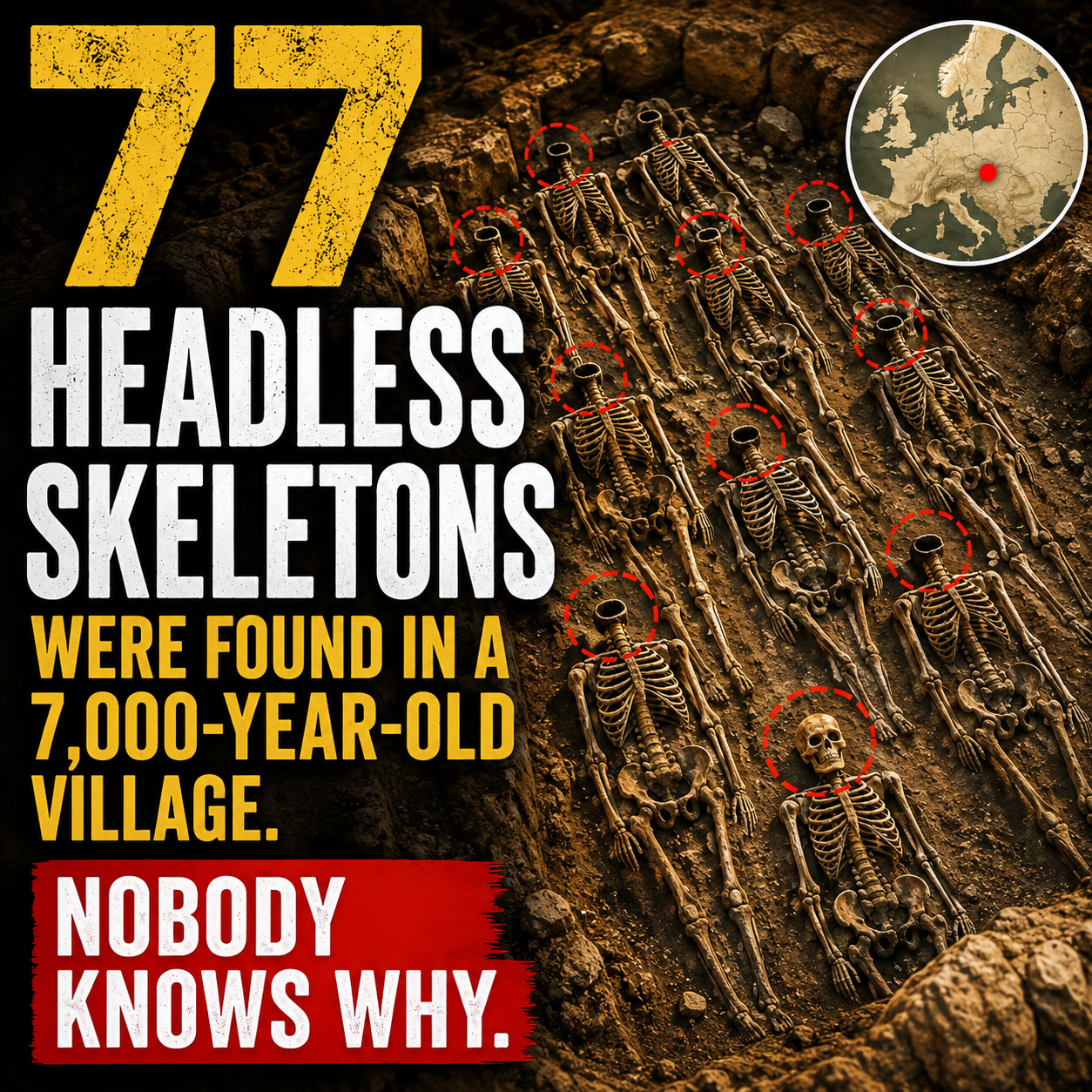
They Found 77 Skeletons Without Heads. The Heads Are Still Missing.
FAQs
1. What are articulated skeletons?
Articulated skeletons are skeletons that are found in their original anatomical position, with the bones still connected as they were in life.
2. What information can archaeologists gather from articulated skeletons?
Archaeologists can gather information about the individual’s age, sex, health, diet, and possible cause of death from articulated skeletons. They can also learn about burial practices and cultural beliefs.
3. How do articulated skeletons help archaeologists understand ancient societies?
Articulated skeletons provide insight into the daily lives, health, and social structures of ancient societies. They can reveal patterns of disease, evidence of trauma, and even evidence of social status and cultural practices.
4. What are some challenges in studying articulated skeletons?
Challenges in studying articulated skeletons include the delicate nature of the remains, potential damage during excavation, and the need for specialized training to properly analyze and interpret the skeletal evidence.
5. How do archaeologists ensure the ethical treatment of articulated skeletons?
Archaeologists follow ethical guidelines and laws to ensure the respectful treatment of articulated skeletons. This includes obtaining proper permissions for excavation, handling remains with care, and consulting with descendant communities when appropriate.