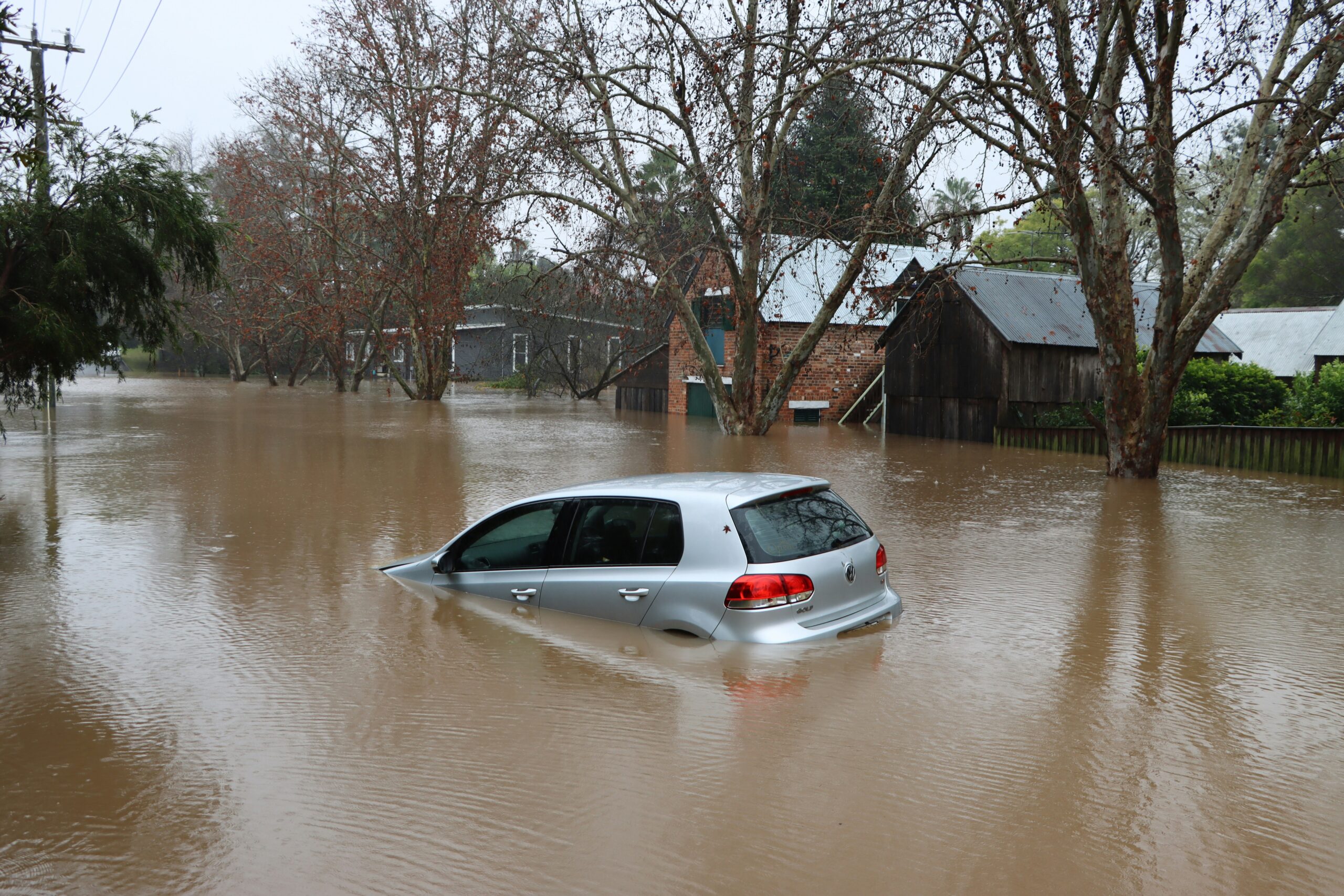
The echoes of a great deluge resonate through human history, woven into the very fabric of our oldest stories. From the epic of Gilgamesh to the biblical account of Noah, tales of catastrophic floods appear across cultures the world over, often featuring a lone survivor or a small group who are tasked with repopulating the Earth. For centuries, these narratives were largely dismissed as mere allegorical imaginings, flights of imaginative fancy reflecting a deep-seated human fear of nature’s destructive power. Yet, in recent decades, a fascinating scientific inquiry has begun to bridge the gap between myth and reality, seeking to uncover the tangible geological and climatic events that might have spawned these persistent and powerful flood narratives. This exploration into the science behind ancient flood myths reveals a complex interplay of geological evidence, climatic shifts, and the enduring human impulse to interpret and record cataclysmic events.
The sheer pervasiveness of flood myths is perhaps the most compelling starting point for scientific investigation. It is not an isolated phenomenon confined to a single region or cultural group; rather, it is a recurring motif found in traditions stretching from the Middle East to the Americas, from Australia to Asia. While the specifics of each tale vary, the core elements often remain remarkably similar: an immense flood that wipes out civilization, a righteous individual or family chosen for salvation, and the subsequent rebirth of humanity.
Global Distribution of Flood Stories
The anthropological record showcases an astonishing number of flood myths. Scholars have documented hundreds of distinct narratives from indigenous cultures worldwide. The ancient Mesopotamians, with their Atrahasis and Gilgamesh epics, provided some of the earliest written accounts. The Greek myth of Deucalion and Pyrrha tells of a flood sent by Zeus to punish humanity, with the couple surviving on a wooden chest. Indigenous peoples of the Americas have numerous deluge stories, such as the Iroquois tale of a great flood that reshaped the landscape and the Pawnee narrative of a world-ending flood that sent survivors to the sky. In Australia, Aboriginal Dreamtime stories often include accounts of ancestral beings who sent floods to carve out the land. This global distribution suggests that the genesis of these myths is unlikely to be a singular, isolated incident but rather a response to widespread, or at least frequently occurring, phenomena.
Common Thematic Elements
Despite their geographical separation, many flood myths share striking commonalities. The idea of a divine or supernatural force initiating the flood is prevalent, often as a punishment for human wickedness. The selection of a favored individual or group to survive, usually through the construction of a vessel, is another recurring motif. These survivors are often tasked with preserving life and repopulating the world. The release of birds as a means of testing the receding waters is also a common feature, notably in the Mesopotamian and biblical accounts. The presence of these shared themes across disparate cultures prompts the question: are these simply coincidental convergences of human imagination, or do they point to a shared experiential basis?
The Desire for Explanation
The enduring nature of these myths can also be understood as humanity’s inherent drive to explain the inexplicable and find order in chaos. A catastrophic flood, capable of devastating landscapes and erasing communities, would have been a terrifying and profoundly impactful event. In the absence of scientific understanding, myth-making provided a framework for comprehending such disasters, offering narratives that could imbue them with meaning and purpose, even if that purpose was divine judgment.
The exploration of ancient flood myths often intersects with the study of ancient technologies and their societal impacts. For a deeper understanding of how technological advancements influenced political control in ancient civilizations, you can refer to the article titled “The Influence of Ancient Technology on Political Control.” This article delves into the ways in which technology shaped governance and societal structures, providing context that may enhance our comprehension of the narratives surrounding ancient floods. You can read it here: The Influence of Ancient Technology on Political Control.
Geological Signatures of Cataclysm
The earth itself holds the evidence of past upheavals, and geologists have been instrumental in identifying potential triggers for widespread flooding that could have left a lasting impression on human memory. These natural phenomena, often operating on scales far grander than everyday experience, could have provided the raw material for the world-altering deluges described in myth.
Glacial Lake Outburst Floods (GLOFs)
One prominent geological hypothesis centers on Glacial Lake Outburst Floods (GLOFs). During the last glacial period and its aftermath, vast ice sheets covered significant portions of the Northern Hemisphere. As these ice sheets melted and retreated, they often dammed rivers with meltwater, forming enormous proglacial lakes. These natural dams, composed of ice or moraine debris, were inherently unstable. When they finally breached, the release of pent-up water was catastrophic, sending colossal floods downstream. The sheer volume of water and the speed of its release could have inundated vast plains, reshaping river valleys and leaving behind distinct geological traces, such as massive sediment deposits and erosion channels.
The Cordilleran Ice Sheet and North American GLOFs
In North America, the Cordilleran Ice Sheet played a significant role. As it retreated, it created numerous glacial lakes, some of which were immense. The Missoula floods, for instance, originating from glacial Lake Missoula in present-day Montana, repeatedly breached an ice dam and sent torrents of water across the Columbia River basin. These floods carved out the Channeled Scablands of eastern Washington, a landscape that clearly bears the marks of colossal water erosion. These events, occurring over thousands of years but with distinct catastrophic phases, could have profoundly impacted early human populations in the region, potentially inspiring flood narratives.
The Scandinavian Ice Sheet and European Events
Similarly, the Fennoscandian Ice Sheet in Europe created its own series of glacial lakes. The catastrophic drainage of these lakes, particularly events like the Storegga Slide tsunami, generated immense waves that sent water far inland. The Storegga Slide, a massive submarine landslide off the coast of Norway, triggered tsunamis of unprecedented scale, with evidence suggesting they inundated coastal areas of Scotland and the Faroe Islands. Such events, even if occurring millennia ago, could imprint upon the collective memory of coastal or riverine communities.
Tsunami Events and Coastal Catastrophes
Beyond GLOFs, other geological events can generate tsunamis capable of causing widespread devastation. Large earthquakes, volcanic eruptions both on land and underwater, and submarine landslides can all displace colossal amounts of water, sending powerful waves far inland. Coastal communities, highly vulnerable to such events, would have witnessed firsthand the destructive power of the sea unleashed.
The Impact of Megatsunamis
While ordinary tsunamis are devastating, there is evidence for even larger events, termed megatsunamis, which can be triggered by massive landslides or asteroid impacts. The impact of large asteroid fragments or meteoroids into the ocean could create waves orders of magnitude larger than those generated by earthquakes. While such events are exceedingly rare, they are capable of inundating continental shelves and causing extinction-level devastation. The psychological impact of surviving such an event, or hearing accounts of it from survivors, would undoubtedly be profound and could easily form the basis of a world-ending flood myth.
Volcanic Activity and Coastal Flooding
Volcanic eruptions can also contribute to coastal flooding through pyroclastic flows entering the sea, generating steam, or causing caldera collapses that displace water. The eruption of Krakatoa in 1883, for example, generated tsunamis that killed tens of thousands and were felt around the globe. While these are more recent events, ancient volcanic arcs and their powerful eruptions would have been a significant source of danger for early human populations in volcanically active regions.
Riverine Flooding and Alluvial Deposits
While the grand narratives often speak of the entire world being submerged, it is also possible that more localized, yet still devastating, riverine floods formed the basis for some myths. Rapid snowmelt in mountainous regions, prolonged heavy rainfall, or the sudden collapse of natural dams upstream could lead to catastrophic inundation of river valleys. These events, occurring repeatedly over long periods, would have been a constant threat to communities living along major waterways.
Paleochannels and Sediment Layers
Geologists study paleochannels – ancient riverbeds – and analyze sediment layers to reconstruct past flood events. Thick layers of alluvial sediment, deposited by powerful floods, can be found in river valleys worldwide. The dating of these sediments can help establish the frequency and magnitude of past floods, providing a tangible link to the potential environmental conditions that shaped ancient human societies.
Climate Change and Ancient Deluges

The climate of the Earth has not been static. Throughout history, periods of warming and cooling have dramatically altered landscapes and sea levels, creating conditions conducive to large-scale flooding. Understanding these climatic shifts provides another crucial lens through which to examine the origins of flood myths.
The End of the Last Glacial Period
The transition from the last glacial period to the Holocene (the current interglacial period) was marked by significant and rapid climate change. The melting of vast ice sheets led to a substantial rise in global sea levels. Coastal communities, once living on exposed land, would have experienced their homelands gradually, and in some cases, rapidly, being claimed by the rising ocean.
Rapid Sea Level Rise and Coastal Submergence
Evidence of rapid sea level rise during the deglaciation period is found in submerged coastlines, ancient shorelines now far inland, and the discovery of ancient human settlements underwater. The rate of sea level rise in some periods was significant enough to inundate large coastal areas within centuries, if not decades, a phenomenon that would have been perceived as a catastrophic, ever-advancing flood. This could have led to mass migrations and the loss of coastal territories, a memory that could easily be amplified and mythologized.
Abrupt Climate Shifts and Mega-Rainfall Events
Beyond gradual sea level rise, the Earth’s climate system is capable of exhibiting abrupt shifts, leading to periods of intense rainfall and devastating floods. These “mega-monsoon” events or extended periods of extreme precipitation could overwhelm river systems and cause widespread inundation even in regions not directly affected by glacial melt or tsunamis.
Evidence from Paleoclimate Data
Paleoclimate data, derived from ice cores, lake sediments, and tree rings, allows scientists to reconstruct past climatic conditions. These records have revealed periods of such intense rainfall that they could have easily triggered catastrophic floods, even in areas not typically prone to such events. For example, evidence suggests periods of extremely wet conditions in parts of the Middle East and Africa during the early Holocene, coinciding with the development of early human civilizations.
Interpreting Myth Through a Scientific Lens
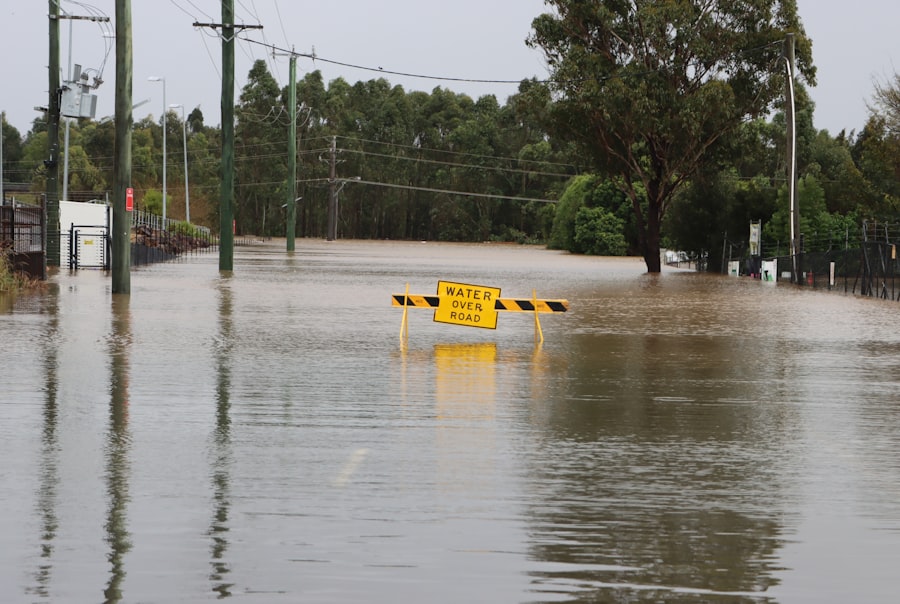
The challenge for scientists is not simply to find geological evidence of floods but to connect that evidence to the specific narratives that have been passed down through generations. This requires careful interdisciplinary work, blending geological and climatic data with linguistic, anthropological, and archaeological insights.
Correlating Geological Events with Mythological Timelines
One of the most significant hurdles is accurately dating ancient flood events and correlating them with the purported timelines of the myths. Many myths are orally transmitted for long periods before being written down, making precise dating difficult. However, by studying the geological and archaeological context in which a myth is found, researchers can sometimes identify periods when significant flood events occurred that might have influenced the local oral traditions.
The Black Sea Deluge Hypothesis
A notable example is the Black Sea deluge hypothesis. This theory suggests that around 7,600 years ago, the Mediterranean Sea breached the Bosporus strait, causing a rapid and massive influx of water into the previously freshwater Black Sea. This catastrophic flooding event could have inundated vast areas of fertile land around the Black Sea, displacing Bronze Age populations and potentially inspiring flood myths among communities in the surrounding regions, including those who likely influenced Mesopotamian narratives.
The Role of Oral Tradition and Amplification
Understanding how oral traditions are formed, transmitted, and amplified is crucial for interpreting flood myths. Events of great trauma and upheaval are often remembered and retold, with details sometimes embellished or altered over time to create a more compelling narrative. A series of devastating floods, or a single cataclysmic event, could have been progressively magnified and woven into the collective consciousness of a community, eventually leading to the mythic proportions seen in ancient stories.
The Human Memory of Catastrophe
Human beings have a remarkable capacity to remember and transmit significant events. A flood that devastated a community or wiped out a region would have been an unforgettable experience, passed down through generations as a cautionary tale or a foundational myth. The fear and awe inspired by such events would have lent themselves to dramatic storytelling, shaping the religious and cultural beliefs of societies.
The Social and Cultural Impact of Floods
Beyond the immediate physical destruction, ancient floods had profound social and cultural impacts. They could lead to the collapse of settlements, the disruption of trade routes, and the displacement of populations. The need for collective action, the search for new habitable lands, and the development of new survival strategies would have been powerful forces shaping human societies, and these experiences would naturally be reflected in their stories.
The exploration of ancient flood myths has intrigued scholars for centuries, as these stories often reflect significant historical events. A fascinating article discusses recent archaeological discoveries that shed light on ancient civilizations and their experiences with catastrophic floods. You can read more about this groundbreaking find in the context of ancient history in the article about archaeologists uncovering a sealed chamber in an ancient city, which highlights how such discoveries can provide insights into the cultural narratives surrounding these myths. For more details, visit this article.
Modern Scientific Tools and Future Discoveries
| Myth | Scientific Explanation |
|---|---|
| Noah’s Ark (Biblical) | The story may have been inspired by a catastrophic flood in the Black Sea region around 5600 BCE, which could have influenced the myth. |
| Great Flood (Mesopotamian) | There is evidence of a massive flood in Mesopotamia around 2900 BCE, which could have been the basis for this myth. |
| Deucalion and Pyrrha (Greek) | The myth may have been influenced by the flooding of the Black Sea or the Mediterranean around 5000 BCE. |
Advancements in scientific technology are continuously refining our ability to investigate ancient environments and geological events, opening new avenues for understanding flood myths.
Advanced Dating Techniques
Radiocarbon dating, dendrochronology (tree-ring dating), and luminescence dating are among the sophisticated techniques used to determine the age of sediments, ancient organic materials, and geological features. These tools allow scientists to create more precise timelines for past flood events, increasing the likelihood of finding correlations with the development and transmission of ancient myths.
Paleoseismic Studies and Earthquake Records
Paleoseismic studies, which investigate evidence of past earthquakes in geological formations, can help identify seismic activity that might have triggered tsunamis. Analyzing fault lines, sediment displacements, and fossil evidence of seismic events can provide crucial data about the frequency and magnitude of past earthquakes in regions where flood myths are prevalent.
Numerical Modeling and Simulation
Computer modeling and simulations are increasingly used to understand the dynamics of past flood events. Scientists can model the flow of water, the impact of tsunamis, and the extent of inundation based on geological data and ancient landscape reconstructions. These simulations can help visualize the potential scale of ancient floods and assess their plausibility as the basis for mythic narratives.
Reconstructing Ancient Environments
By integrating data from various scientific disciplines, including geology, climatology, and archaeology, researchers can reconstruct ancient environments with greater accuracy. This allows for a more comprehensive understanding of the natural forces that early humans faced, including the prevalence and potential impact of flood events in their specific geographical and temporal contexts.
The Enduring Power of Myth and Science
The exploration into the science of ancient flood myths is not about debunking these stories but about enriching our understanding of them. It reveals that these narratives, often dismissed as pure fantasy, may have their roots in very real, albeit awe-inspiring and terrifying, natural phenomena. The persistence of the flood myth across cultures speaks to the enduring power of human experience and our innate drive to make sense of the world around us.
Bridging the Gap Between Knowledge Systems
By employing scientific methodologies to investigate the origins of these ancient stories, we are not diminishing the cultural or spiritual significance of the myths. Instead, we are building a bridge between different systems of knowledge – the scientific and the narrative – allowing for a deeper appreciation of humanity’s long and complex relationship with the natural world. The geological evidence informs the stories, and the stories, in turn, provide a unique perspective on geological and climatic history that might otherwise be lost.
A Testament to Human Resilience and Adaptation
Ultimately, the study of flood myths highlights humanity’s resilience and adaptability in the face of overwhelming natural forces. These tales are not just about destruction but also about survival, renewal, and the enduring hope for a future after cataclysm. The scientific investigation into their origins adds another layer to this understanding, revealing the concrete environmental challenges that shaped these foundational narratives and the remarkable capacity of humans to record, interpret, and pass down their experiences through the ages. The echoes of the deluge, it seems, continue to speak to us, if only we are willing to listen to both the whispers of the past and the revelations of science.

Could Humanity Remember a World That No Longer Exists?
FAQs
What are ancient flood myths?
Ancient flood myths are stories from various cultures around the world that describe a catastrophic flood that destroyed the earth and its inhabitants. These myths often feature a hero figure who survives the flood and helps to repopulate the earth.
What is the science behind ancient flood myths?
The science behind ancient flood myths suggests that many of these stories may have been inspired by real-life catastrophic flooding events that occurred in ancient times. These events could have been caused by natural disasters such as tsunamis, glacial melting, or massive rainfall.
Are there any geological evidence supporting ancient flood myths?
Yes, there is geological evidence that supports the occurrence of catastrophic flooding events in various parts of the world. For example, sedimentary layers and fossil records indicate that large-scale flooding events have occurred in regions such as the Middle East, the Mediterranean, and North America.
Do ancient flood myths have any basis in scientific reality?
While ancient flood myths are often considered to be mythological in nature, there is evidence to suggest that some of these stories may have originated from real-life flooding events. The scientific study of ancient flood myths can provide valuable insights into the ways in which ancient cultures interpreted and responded to natural disasters.
What can we learn from studying the science behind ancient flood myths?
Studying the science behind ancient flood myths can help us better understand the ways in which ancient cultures interacted with their natural environments and coped with catastrophic events. It can also provide valuable information about the geological and climatological history of different regions around the world.