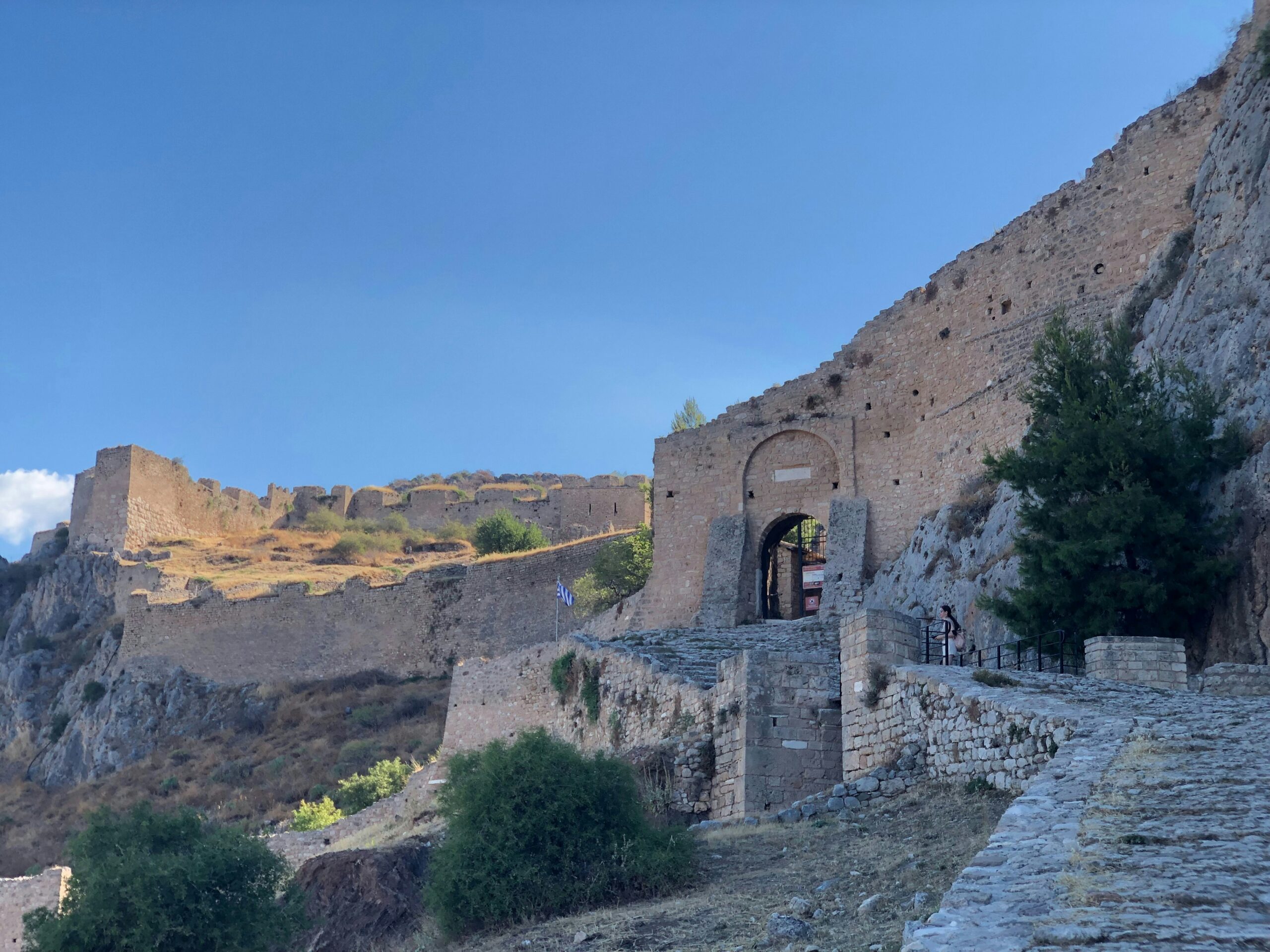
Uncovering the Secrets: Dating Archaeological Sites
Archaeologists, much like detectives of the past, are tasked with piecing together narratives from fragmented remnants of human activity. Central to this endeavor is the ability to accurately determine the age of the artifacts and features they unearth. Dating archaeological sites is a complex and multi-faceted process, relying on a diverse range of scientific techniques and careful contextual analysis. Without this chronological framework, the reconstructed stories of ancient peoples would remain jumbled and ultimately meaningless. The quest to pinpoint when people lived, worked, and died in a particular place is a fundamental challenge, and one that has driven the development of an impressive array of dating methodologies.
Before delving into the specific techniques, it is crucial to understand the two overarching categories of dating: relative and absolute. Relative dating establishes the age of a site or artifact in relation to other sites or artifacts, without providing a precise numerical age. Absolute dating, on the other hand, aims to assign a specific calendar date or range of dates to an object or event. Both are indispensable tools in the archaeologist’s arsenal, working in tandem to build a comprehensive understanding of the past.
Stratigraphy: The Layered Chronicle of Time
One of the most fundamental principles of relative dating is stratigraphy. This principle, borrowed from geology, observes that in undisturbed layers of earth, the oldest deposits are found at the bottom, and progressively younger deposits are found at higher levels. Imagine digging a hole; the soil you encounter first is likely the most recent, while the soil you reach deepest is the oldest. Archaeologists apply this concept to their excavations, meticulously documenting the sequence of layers, or strata, in which artifacts are found.
The Law of Superposition: A Foundation for Understanding
The Law of Superposition dictates that in a series of layered sedimentary rocks or soil, the oldest deposits are at the bottom and the youngest are at the top. This seemingly simple rule is a cornerstone of archaeological interpretation. By understanding the order in which different layers were deposited, archaeologists can infer the relative ages of the artifacts contained within them. An artifact found in a lower stratum is, by definition, older than an artifact found in a higher stratum in the same undisturbed sequence.
Typological Seriation: Tracing the Evolution of Material Culture
Typological seriation is another powerful relative dating technique that focuses on the styles and forms of artifacts. Archaeologists observe that certain artifact types, such as pottery styles, projectile points, or metal tools, tend to change over time. As technologies advance and cultural preferences evolve, these artifacts undergo transformations in their design, manufacturing techniques, and ornamentation. By identifying a sequence of these changing styles, archaeologists can arrange artifacts into a chronological order, often mirroring the stratigraphy. A particular pottery decoration, for instance, might be popular for a specific period, then replaced by a new trend. By recognizing these stylistic transitions, archaeologists can assign relative dates to assemblages of artifacts.
Biostratigraphy: Using Fossils as Time Markers
While more commonly employed in paleontology, biostratigraphy can also be a valuable tool in archaeological contexts, particularly when dealing with very ancient sites or those associated with prehistoric faunal remains. Biostratigraphy uses index fossils – organisms that lived for a short period but were geographically widespread – to date rock layers. In an archaeological context, this might involve the presence of specific extinct animal species that have been reliably dated through other means. If a particular extinct animal’s remains are found alongside human artifacts, those artifacts can be relatively dated to the period when that species was alive.
Dating archaeological sites is a crucial aspect of understanding human history and the development of civilizations. For those interested in exploring how modern economic trends can influence historical interpretations, a related article discusses the impact of nearshoring on inflation, which can indirectly affect funding and resources available for archaeological research. You can read more about this topic in the article found here: The Impact of Nearshoring on Inflation.
Radiometric Dating: Unlocking the Secrets of Atomic Decay
Absolute dating techniques, for the most part, rely on the predictable decay of radioactive isotopes. These methods provide numerical ages for materials, offering a more precise timeline for human history. Among the most widely used and impactful techniques are radiometric dating methods.
Radiocarbon Dating (C-14 Dating): The Gold Standard for Organic Remains
Radiocarbon dating is arguably the most famous and widely applied absolute dating method in archaeology. It is effective for dating organic materials – anything that was once alive, such as wood, charcoal, bone, textiles, and shells. The principle behind radiocarbon dating is the decay of carbon-14 (¹⁴C), a radioactive isotope of carbon. Living organisms constantly exchange carbon with their environment, incorporating ¹⁴C in a stable ratio. When an organism dies, this exchange ceases, and the ¹⁴C within its tissues begins to decay at a known rate, with a half-life of approximately 5,730 years.
The Process of Measurement: From Sample to Age
To perform radiocarbon dating, a sample of organic material is collected from the archaeological context. This sample is then meticulously cleaned to remove any contaminants. The ¹⁴C content of the sample is measured using sophisticated techniques like Accelerator Mass Spectrometry (AMS), which can directly count the number of ¹⁴C atoms. By comparing the ratio of ¹⁴C to stable carbon isotopes (¹²C and ¹³C) in the sample to the presumed ratio in the atmosphere at the time of the organism’s death, scientists can calculate the time elapsed since death.
Calibration: Bridging the Gap to Calendar Years
Initially, radiocarbon dates were presented as “radiocarbon years before present.” However, it was discovered that the concentration of atmospheric ¹⁴C has fluctuated over time due to various factors like solar activity and variations in Earth’s magnetic field. Therefore, calibration curves, derived from independent dating methods (such as dendrochronology), are used to convert raw radiocarbon dates into calendar years. This calibration process provides a more accurate and reliable representation of the age of the sample.
Potassium-Argon (K-Ar) and Argon-Argon (⁴⁰Ar/³⁹Ar) Dating: For Ancient Volcanic Contexts
Potassium-argon dating is a radiometric technique used to date rocks that contain potassium, particularly volcanic rocks. It relies on the decay of potassium-40 (⁴⁰K) into argon-40 (⁴⁰Ar). Both isotopes are incorporated into the rock when it cools from a molten state. By measuring the ratio of ⁴⁰Ar to ⁴⁰K in a sample, scientists can determine how long ago the rock solidified. This method is particularly useful for dating very ancient archaeological sites, often found in association with volcanic activity, such as early hominin sites in East Africa.
The Advantage of ⁴⁰Ar/³⁹Ar Dating: Precision and Reliability
Argon-argon dating is a refinement of the K-Ar method that offers greater precision and is less susceptible to issues with argon loss. In this technique, the sample is bombarded with neutrons, which converts some of the stable potassium isotope (³⁹K) into argon-39 (³⁹Ar). The ratio of ⁴⁰Ar to ³⁹Ar is then measured. This method allows for dating of much smaller samples and can detect argon loss that might have occurred over time, leading to more reliable dates for ancient materials.
Luminescence Dating: Harnessing the Power of Trapped Energy

Luminescence dating techniques are a powerful suite of absolute dating methods that measure the amount of light emitted by a material when it is heated or exposed to a specific wavelength of light. This emitted light is essentially a record of the trapped energy from natural radiation.
Thermoluminescence (TL) Dating: Dating Burnt Materials
Thermoluminescence dating is widely used for dating materials that have been heated, such as pottery, burnt flint, or heated sediments. When minerals, like quartz and feldspar, are exposed to natural background radiation, they accumulate energy. This energy is stored in defects within the crystal lattice as trapped electrons. When the material is heated to a sufficient temperature, these trapped electrons are released, emitting a measurable amount of light (thermoluminescence). The hotter the material was heated, the more energy is released, and the more thermoluminescence is emitted. By measuring the amount of stored energy and the rate of radiation accumulation in the surrounding environment, scientists can calculate how long ago the material was last heated.
Heating and Burning: A Resetting of the Clock
The crucial principle in TL dating is that heating a material to high temperatures effectively “resets the clock” by releasing accumulated trapped energy. For archaeological purposes, this is particularly useful for dating pottery, as the firing process during its creation would have reset the TL signal. Similarly, burnt flint artifacts or hearths also provide valuable TL dates.
Optically Stimulated Luminescence (OSL) Dating: Dating Sediments Buried by Light
Optically Stimulated Luminescence (OSL) dating is used to date sediments that have been exposed to sunlight. When sediments are deposited, for example, by wind or water, they are exposed to sunlight, which effectively resets their luminescence “clock.” As the sediments become buried, they are shielded from sunlight and accumulate radiation dose from the surrounding environment. When samples are analyzed in the lab, they are exposed to specific wavelengths of light (usually green or infrared), which causes the trapped electrons to be released, emitting light (OSL). The intensity of this OSL signal is proportional to the radiation dose received since the last exposure to sunlight.
Dating the Burial: Understanding Sediment Deposition
OSL dating is invaluable for dating archaeological sites where artifacts are found within layers of sediment that were not subjected to high temperatures. This includes sites where artifacts are found in alluvial deposits, sand dunes, or loess. By dating the sediment layers, archaeologists can infer the age of the associated artifacts and features.
Dendrochronology: The Art of Tree-Ring Dating

Dendrochronology, or tree-ring dating, is an absolute dating method that utilizes the annual growth rings of trees. Trees in temperate climates produce one growth ring each year, with a wider ring typically forming in years with favorable growing conditions (more rainfall and sunlight) and a narrower ring in years with less favorable conditions.
The Unique Patterns of Growth Rings
Each tree species has a characteristic pattern of wide and narrow rings, influenced by the prevailing climate over its lifespan. By comparing the patterns of tree rings from archaeological wood samples with established master chronologies (continuous sequences of tree-ring patterns from living and dead trees in a region), objects can be precisely dated.
Cross-dating: Matching the Patterns
The process of dendrochronology involves “cross-dating,” where the unique sequence of wide and narrow rings in a sample is matched to corresponding patterns in a master chronology. When a match is found, the exact calendar year of the outer ring of the archaeological sample can be determined. This makes dendrochronology one of the most precise dating methods available, capable of dating wood samples to the year.
Limitations and Applications: Wood’s Presence is Key
Dendrochronology is highly effective but has limitations. It requires the presence of suitable wood samples and a well-established master chronology for the region. It is particularly useful for dating structures built from wood, such as ancient houses, boats, and wooden artifacts.
Dating archaeological sites is a crucial aspect of understanding human history and cultural development. Researchers employ various techniques to establish timelines, which can reveal insights into past civilizations and their interactions. For a deeper exploration of how geopolitical factors can influence archaeological research and site preservation, you might find this article on navigating global tensions particularly enlightening. It discusses the broader implications of political dynamics on historical studies, which can be accessed here: navigating global tensions.
Other Dating Techniques: A Broader Spectrum of Chronological Tools
| Site Name | Location | Period | Dating Method |
|---|---|---|---|
| Göbekli Tepe | Turkey | Pre-Pottery Neolithic | Radiocarbon dating |
| Stonehenge | United Kingdom | Bronze Age | Optically Stimulated Luminescence dating |
| Machu Picchu | Peru | Inca civilization | Tree-ring dating |
Beyond the major methods discussed, a variety of other dating techniques provide valuable chronological information, often in specific contexts or when other methods are not applicable.
Paleomagnetism: Following the Earth’s Magnetic Shifts
Paleomagnetism is a dating technique that utilizes the Earth’s magnetic field. The Earth’s magnetic field has reversed its polarity multiple times throughout history, a phenomenon known as geomagnetic reversals. When certain materials, such as volcanic rocks or fine-grained sediments, solidify or are deposited, they acquire a magnetic orientation that reflects the prevailing magnetic field at that time. By comparing the magnetic signature of archaeological materials with the known record of geomagnetic reversals and fluctuations, it is possible to assign a date to the material.
Aligning with Earth’s Ancient Compass
This method is particularly useful for dating very old archaeological sites where other radiometric methods might be less effective or where precise dates are not as critical. It provides a broad chronological framework and can be used to correlate different archaeological sites based on their shared magnetic signatures.
Archaeomagnetism: A Localized Magnetic Record
Archaeomagnetism is a specialized form of paleomagnetism that focuses on dating archaeological features that were heated to high temperatures, such as hearths, kilns, and pottery. When these materials are heated, their magnetic minerals align with the Earth’s magnetic field at that time. Over time, the Earth’s magnetic field changes, and by measuring the current magnetic orientation of these heated materials and comparing it to regional archaeomagnetic data, archaeologists can determine the age of the heating event.
Hearth and Kiln: Time Capsules of Magnetic Memory
This technique is excellent for dating features that were directly exposed to fire and have retained their magnetic record. It can provide calendar dates for when hearths were used or when kilns were fired, offering valuable insights into the timing of human activities.
The Interplay of Methods: Building a Robust Chronological Framework
It is rare that a single dating technique can provide all the answers. The most robust chronological frameworks are built through the intelligent and integrated application of multiple dating methods. Archaeologists often employ a combination of relative and absolute dating techniques to corroborate their findings and build confidence in their chronological interpretations.
Corroboration and Cross-Checking: Ensuring Accuracy
When different dating methods applied to the same site or artifact yield consistent results, confidence in the accuracy of the dates increases significantly. For example, if stratigraphy suggests a particular sequence of occupations, and radiocarbon dates from different layers align with this sequence, it provides strong support for the archaeological interpretation. Conversely, discrepancies between different dating methods can prompt further investigation and refinement of interpretations.
Context is King: A Holistic Approach to Dating
Ultimately, dating archaeological sites is not just about numbers; it is about understanding the context in which artifacts and features are found. The geological setting, the associated faunal and floral remains, and the broader cultural landscape all play a crucial role in interpreting dating results. A date, no matter how precise, is only meaningful when understood within its archaeological context, allowing us to build a coherent and compelling narrative of the human past. The ongoing development and refinement of these dating techniques continue to push the boundaries of our understanding, allowing us to uncover ever-deeper secrets of our ancient heritage.

Scientists Found Earth’s Hidden Timestamp
FAQs
What is dating archaeological sites?
Dating archaeological sites is the process of determining the age of a site or artifact through various scientific methods, such as radiocarbon dating, dendrochronology, and thermoluminescence dating.
Why is dating archaeological sites important?
Dating archaeological sites is important because it helps archaeologists understand the timeline of human history and the development of different cultures. It also provides valuable information about the age and context of artifacts and structures.
What are some methods used to date archaeological sites?
Some methods used to date archaeological sites include radiocarbon dating, which measures the decay of carbon-14 in organic materials, dendrochronology, which uses tree rings to determine age, and thermoluminescence dating, which measures the accumulation of electrons in minerals.
What challenges are associated with dating archaeological sites?
Challenges associated with dating archaeological sites include the potential for contamination of samples, the limited availability of suitable materials for dating, and the complexity of interpreting the results within the broader archaeological context.
How does dating archaeological sites contribute to our understanding of history?
Dating archaeological sites contributes to our understanding of history by providing a chronological framework for human activities, allowing us to trace the development of different cultures and technologies, and helping to establish connections between different archaeological sites and civilizations.