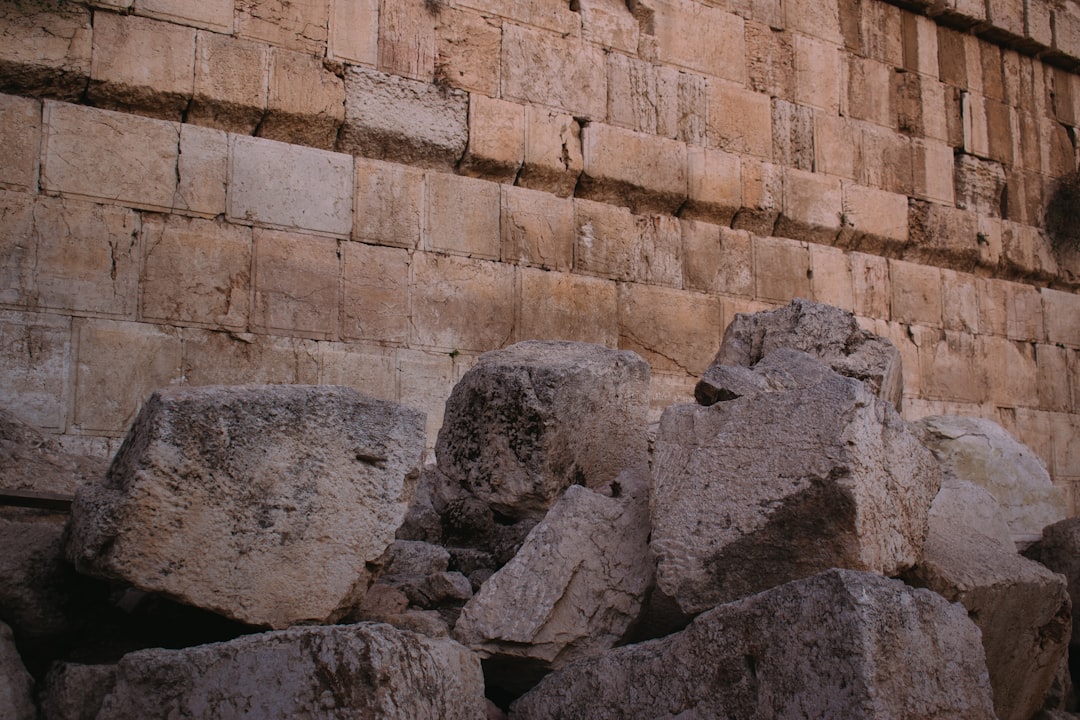
The silent sentinels of the past, ancient stone walls, stand as testaments to the ingenuity and perseverance of bygone civilizations. These monumental structures, crafted from raw earth and enduring rock, whisper tales of forgotten techniques and a profound understanding of the natural world. To uncover their secrets is to delve into a rich tapestry of human history, exploring not just the methods of construction, but the very mindset and capabilities of those who raised them. This exploration embarks on a journey to understand the artistry, engineering, and enduring legacy of ancient stone wall builders.
The foundation of any ancient stone wall lay in the selection and preparation of its building blocks. Without the advantages of modern quarrying and transportation, sourcing suitable stone was a monumental task in itself, demanding an intimate knowledge of local geology and a considerable expenditure of human and animal labor.
Identifying and Accessing Suitable Stone
The choice of stone was dictated by several factors: availability, durability, and workability. Builders were not simply picking up any rock. They sought materials that would withstand the ravages of time, weather, and the sheer weight of the structure.
Local Geology as a Master Guide
Ancient builders were deeply attuned to the geological landscape around them. They knew where to find beds of sandstone, granite, limestone, basalt, or slate, understanding the distinct properties of each. The presence of easily accessible outcrops or natural scree slopes often determined the location of settlements and fortifications. In mountainous regions, for instance, builders might utilize readily available granite, a notoriously hard but exceptionally durable stone. Coastal communities might rely on the more pliable limestone, which could be shaped with relative ease.
Ancient stone walls have long fascinated historians and archaeologists, particularly in how they were constructed without modern technology. A related article that delves into the mysteries of ancient structures is titled “Unraveling the Mystery of Stonehenge’s Acoustic Properties.” This piece explores not only the architectural techniques used in building such monumental sites but also the intriguing acoustic features that may have played a role in their construction and purpose. For more insights, you can read the article here: Unraveling the Mystery of Stonehenge’s Acoustic Properties.
Natural Erosion as a Free Quarry
Often, nature provided ready-made building materials. Riverbeds were a common source of rounded, naturally smoothed stones, ideal for certain types of construction, particularly for foundations and lower courses where stability was paramount. Cliffsides and exposed rock faces, shaped by millennia of wind and water erosion, offered accessible surfaces from which stones could be lever

The Walls That Shouldn’t Still Be Standing
FAQs
1. What materials were used to build ancient stone walls?
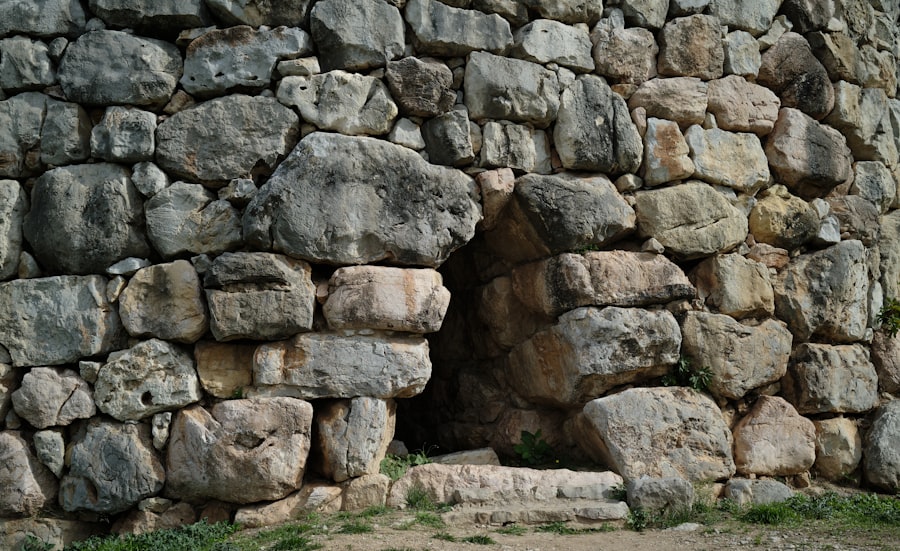
Ancient stone walls were typically built using large stones or rocks that were carefully selected and fitted together without the use of mortar.
2. What techniques were used to construct ancient stone walls?
Ancient builders used various techniques such as dry stone construction, where stones were stacked and fitted together without the use of mortar, and corbelling, where stones were gradually stacked inward to create a stable structure.
3. How were ancient stone walls able to withstand the test of time?
Ancient stone walls were built to withstand the test of time through careful selection of stones, precise fitting techniques, and the use of gravity to create stable structures. Additionally, the lack of mortar allowed for flexibility and resilience against natural forces.
4. What tools were used to build ancient stone walls?
Ancient builders used simple tools such as hammers, chisels, and levers to shape and move the stones. They also used wooden scaffolding and pulleys to lift and position the heavy stones.
5. What are some famous examples of ancient stone walls?
Famous examples of ancient stone walls include the Great Wall of China, the walls of the Inca city of Cusco in Peru, and the stone walls of the ancient city of Jericho in the West Bank. These structures showcase the impressive engineering and construction skills of ancient civilizations.