
The hushed earth of Cahokia, once the vibrant heart of a vast Mississippian civilization, guards its deepest secrets within the imposing presence of Mound 72. This elongated, ridgetop platform mound, a monumental undertaking by its ancient builders, has yielded an archaeological treasure trove, none more profound than the extraordinary burials discovered within its confines. These interments, a mosaic of individuals and their accompanying artifacts, offer an unparalleled glimpse into the social stratification, ritualistic practices, and complex belief systems that shaped this forgotten metropolis. Uncovering the secrets of Cahokia Mound 72 burials is not merely an academic pursuit; it is a journey into the very soul of a lost world.
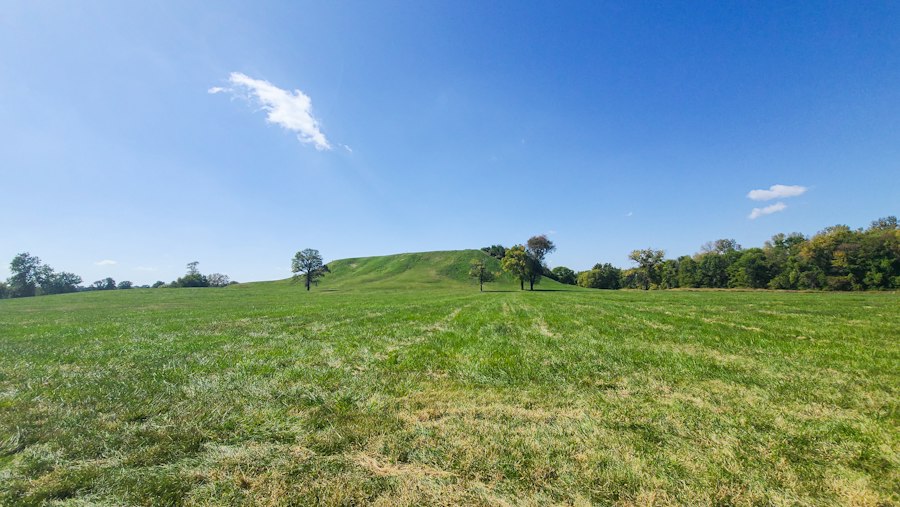
The sheer scale of Mound 72 itself speaks volumes about the power and organizational capacity of the Cahokian elite. This wasn’t a hastily constructed earthwork; it was a carefully planned and executed project, demanding immense labor and a deep understanding of its purpose. The mound’s distinct ridge shape, oriented along the cardinal directions, suggests a deliberate and perhaps cosmological significance. Its construction likely spanned generations, with successive layers of earth meticulously piled and compacted.
Engineering an Earthly Pyramid
The process of building Mound 72 involved quarrying and transporting vast quantities of soil, a feat that required a coordinated workforce and specialized tools. Researchers have identified distinct soil types within the mound, indicating that earth was sourced from various locations, including nearby borrow pits. The sheer volume of material moved is staggering, highlighting the dedication of the Cahokian people to their monumental architecture.
The Purpose Behind the Platform
While the exact ceremonial function of Mound 72 remains a subject of ongoing debate, its elevated position and its association with significant burials strongly suggest a role in elite rituals and perhaps ancestor veneration. The mound may have served as a stage for public ceremonies, a focal point for community gatherings, or a sacred space for the ruling class to connect with the spiritual realm. The careful alignment with celestial bodies further underscores its potential cosmological significance.
The Cahokia Mound 72 burials, which reveal significant insights into the social and ritual practices of the Mississippian culture, are a fascinating topic for those interested in ancient civilizations. For a broader understanding of how historical contexts can influence modern decision-making, you might find the article on the impact of artificial intelligence on space military decision-making particularly relevant. It explores how lessons from the past can inform current strategies in complex environments. You can read more about it here: Artificial Intelligence’s Impact on Space Military Decision-Making.
The Central Drama: The Great Burial and Its Entourage
At the heart of Mound 72’s revelations lies the “Great Burial,” a complex interment that immediately set it apart from any other discovery at the site. This burial, comprising a single male individual laid upon a bed of meticulously arranged shell beads, formed the nucleus of a much larger ritualistic event, surrounded by a diverse array of human sacrifices and grave goods.
The Gilded Man and His Beaded Blanket
The primary individual, often referred to as the “Great Man” or “Great Chief,” was interred on a prepared platform of shell bead “mosaics.” These mosaics, composed of thousands of individual beads meticulously arranged into intricate geometric patterns, represent an extraordinary display of craftsmanship and immense wealth. The sheer number of beads, estimated in the hundreds of thousands, implies a significant labor investment in their creation and a profound ability to amass such resources. The arrangement of these beads suggests a deliberate covering or a symbolic representation of something significant, perhaps the earth itself or a celestial map.
The Followers: A Grim Spectacle of Sacrifice
Surrounding the central burial were numerous other interments, many of which are interpreted as human sacrifices. These individuals, often found in mass graves or arranged in specific formations, represent a chilling testament to the power and authority of the Great Man. The sheer number of sacrifices – some estimates exceeding 200 individuals – points to a ritual of immense proportions, intended to accompany the leader into the afterlife and ensure his continued influence.
The Women and the Warrior Elite
Among the sacrificial victims were numerous individuals, including young women, who were likely attendants or concubines meant to serve the Great Man in the next world. Alongside them, researchers found evidence of high-ranking warriors, identifiable by their weaponry and adornments. Their presence suggests that the Great Burial was not just a personal event but a consolidation of power and a representation of the leader’s control over various aspects of Cahokian society.
The Severed Heads: A Stark Symbol of Power
A particularly disturbing discovery was the presence of numerous severed heads, often found clustered together. The precise meaning of this practice is debated, but it is widely believed to be a symbolic act of conquest or dominance, intended to display the leader’s subjugation of enemies or rivals. The sheer number of these disembodied heads adds another layer of solemnity and intensity to the ritual.
The Material Wealth: A Window into Cahokian Society
The grave goods accompanying the burials in Mound 72 are as remarkable as the human remains themselves, providing an unparalleled inventory of the material culture and economic networks of the Mississippian period. These artifacts reveal not only the wealth of the elite but also the extensive trade routes that connected Cahokia to distant regions.
The Tools of Power and Status
Among the most prominent artifacts were weapons and tools, signifying the military and practical might of the ruling class. Copper axes, intricately worked stone projectile points, and finely crafted flint knives were found in abundance, suggesting the leader’s capacity for warfare and hunting. These items were not merely functional; their craftsmanship and materials speak to a level of artistry and prestige.
Adornments of the Elite: Shell, Copper, and Stone
The Cahokian elite were adorned with a dazzling array of ornaments, reflecting their elevated status and access to rare materials. Elaborate shell bead necklaces, bracelets, and earspools were common, often fashioned from the freshwater mussels of the Mississippi River. Beyond local resources, the presence of marine shells from the Gulf Coast indicates long-distance trade. Copper was also a highly prized material, worked into intricate gorgets, pendants, and other decorative items. Semi-precious stones, such as mica and quartz, further attest to the availability of exotic materials through trade.
The Falcon Motif: A Recurring Symbol
A recurring motif found on various artifacts, particularly those associated with the Great Burial, is the falcon. This powerful bird, often depicted in flight or with outstretched wings, is believed to have held significant symbolic meaning for the Mississippians, possibly representing power, warfare, or the connection between the earthly and spiritual realms. The prevalence of this motif in such a prominent burial suggests its central importance to Cahokian cosmology and ideology.
The Imported Treasures: Echoes of Distant Lands
The discovery of artifacts originating from far beyond the immediate Cahokian region is a testament to the extensive trade networks that characterized the Mississippian world. Shells from the Gulf Coast, copper from the Great Lakes region, and obsidian from present-day Wyoming have all been identified within Mound 72. These imports not only highlight the economic reach of Cahokia but also suggest a complex system of exchange, diplomacy, and perhaps even tribute.
The Agricultural Foundation: Sustaining a Metropolis
While the burials focus on the elite, the success of Cahokia and the monumental efforts required to construct Mound 72 were ultimately underpinned by a sophisticated agricultural system. The fertile floodplain of the Mississippi River provided the resources necessary to sustain a large population and support specialized labor.
Maize: The Staple of Cahokian Life
Maize, or corn, was the primary crop cultivated by the Cahokians. Its high yield and nutritional value allowed for the surplus production needed to feed a growing urban population and support those engaged in non-agricultural pursuits, such as mound building and craft production. Evidence of maize cultivation, including carbonized kernels and plant remains, has been found throughout the Cahokian site.
Diversification and Sustainability
Beyond maize, the Cahokians likely cultivated a variety of other crops, including beans, squash, and sunflowers, to ensure a balanced diet and agricultural resilience. These diverse crops would have contributed to the overall sustainability of their food system. The intensive agricultural practices employed by the Cahokians allowed them to thrive in this riverine environment.
The fascinating discoveries at Cahokia Mound 72, particularly the elaborate burials that reveal insights into the social hierarchies and rituals of the Mississippian culture, have drawn significant attention from archaeologists and historians alike. These findings not only shed light on the complex societal structures of ancient North America but also resonate with other historical mysteries, such as the Piri Reis map. For those interested in exploring more about historical enigmas, you can read about the controversies surrounding this intriguing map in the article unraveling the Piri Reis map controversy.
Unraveling the Mysteries: Ongoing Research and Future Directions
| Feature | Data/Metric |
|---|---|
| Location | Cahokia Mounds State Historic Site, Illinois, USA |
| Excavation Year | 1967 |
| Number of Burials | 272 |
| Artifacts Found | High-status grave goods, copper ornaments, pottery, and more |
| Significance | Provides insights into the social and political structure of the ancient Mississippian culture |
The discoveries at Mound 72 have revolutionized our understanding of Cahokia, but many questions remain unanswered. Ongoing research and new analytical techniques continue to shed light on the lives and deaths of the individuals buried within this sacred mound.
Skeletal Analysis: Unveiling Lives and Demographics
Detailed skeletal analysis provides a wealth of information about the individuals themselves. Researchers can determine age, sex, diet, and even evidence of disease or trauma from the skeletal remains. This data helps to reconstruct the demographics of the burials, identify familial relationships, and understand the health and living conditions of the ancient Cahokians.
Isotopic Analysis: Tracing Origins and Diet
Advanced techniques such as stable isotope analysis offer insights into the geographical origins and dietary patterns of the individuals. By examining the ratios of certain isotopes in bone and teeth, researchers can determine where individuals spent their formative years and what kinds of foods constituted their diets. This can reveal migration patterns and the extent to which individuals were integrated into Cahokian society.
Future Excavations and Technological Advancements
The potential for future discoveries at Cahokia remains significant. As archaeological techniques and technologies continue to advance, new methods of excavation, documentation, and analysis will undoubtedly uncover even more secrets. Innovations in remote sensing, such as LiDAR, can reveal hidden earthworks and features, while advances in DNA analysis may offer further clues about the genetic relationships and origins of the Cahokian population. The story of Mound 72, and of Cahokia itself, is far from fully told. Each new discovery serves as a testament to the ingenuity, complexity, and enduring legacy of this remarkable Mississippian civilization.

A City Bigger Than London Once Stood in America. Then It Vanished.
FAQs
What is Cahokia Mound 72?
Cahokia Mound 72 is a pre-Columbian Native American archaeological site located in Illinois, USA. It is part of the larger Cahokia Mounds State Historic Site, which was once the largest and most influential urban settlement of the Mississippian culture.
What are the burials at Cahokia Mound 72?
The burials at Cahokia Mound 72 are a collection of more than 270 individuals, including men, women, and children, who were buried in a mass grave. The burials are believed to have taken place between 1000 and 1200 AD.
What is significant about the burials at Cahokia Mound 72?
The burials at Cahokia Mound 72 are significant because of the elaborate burial practices and grave goods found with the individuals. The presence of high-status grave goods, such as copper ornaments, shell beads, and pottery, suggests that the individuals buried at Mound 72 were of high social status.
What do the burials tell us about the society at Cahokia Mound 72?
The burials at Cahokia Mound 72 provide insight into the social structure and religious beliefs of the Mississippian culture. The presence of high-status grave goods and evidence of human sacrifice suggest a complex and stratified society with a powerful elite class.
What ongoing research is being conducted at Cahokia Mound 72?
Ongoing research at Cahokia Mound 72 includes efforts to analyze the skeletal remains and grave goods to better understand the individuals buried there, as well as to investigate the broader social and religious significance of the site within the Mississippian culture.