The Bronze Age, a transformative period in human history, stretches roughly from the 3rd to the 1st millennium BCE, marked by the revolutionary use of bronze – an alloy of copper and tin. This discovery unlocked a cascade of technological advancements, societal shifts, and cultural blossoming. Archaeology, with its meticulous excavation and interpretive prowess, serves as the primary lens through which we can uncover the secrets of this dynamic era. Through the careful unearthing of settlements, tombs, artifacts, and environmental records, archaeologists piece together fragmented narratives, revealing the daily lives, complex beliefs, and far-reaching interactions of Bronze Age peoples. This article delves into the multifaceted insights gained through archaeological endeavors, exploring the development of metallurgy, the emergence of complex societies, the evolution of trade networks, the rich tapestry of belief systems, and the enduring legacy of this pivotal age.
The most defining characteristic of the Bronze Age, the adoption of bronze for tools, weapons, and adornments, fundamentally reshaped human capabilities and interactions. The journey from stone to metal was not a sudden leap but a gradual process of discovery, experimentation, and refinement. Archaeology provides invaluable evidence for understanding this metallurgical revolution, tracing its origins, and comprehending its far-reaching consequences.
The Genesis of Bronze: From Copper to Alloy
The earliest use of metal by humans involved native copper, relatively soft and easily shaped. Archaeological sites from the Chalcolithic period (Copper Age), preceding the Bronze Age, reveal early experiments with copper smelting and casting. Evidence of fire-cracked rocks and slag heaps suggests rudimentary attempts to extract and work the metal. However, the discovery of bronze, a significantly harder and more durable material, marked a true paradigm shift.
Early Smelting Techniques and Ore Sourcing
Excavations have unearthed ancient furnaces and crucibles, providing tangible proof of the sophisticated smelting techniques developed. These were often simple pit furnaces, heated by bellows to achieve the necessary temperatures for melting copper ores. The identification of specific ore deposits through geological surveys and trace element analysis of metal artifacts allows archaeologists to map the locations of early mining activities. This reveals the initial, often localized, sourcing of copper.
The Crucial Addition of Tin: A Strategic Element
The true innovation, however, lay in the combination of copper with tin. The archaeological record demonstrates the slow realization that adding tin to molten copper created a superior alloy. This was not always an intentional discovery; it may have arisen from smelting ores that naturally contained both metals, or from accidental mixing of copper ingots with tin-containing materials. Nonetheless, once the benefits of bronze were understood, the demand for tin skyrocketed.
The Quest for Tin: Driving Early Trade Networks
The scarcity of tin in many regions where copper was abundant became a significant driver of long-distance trade. Archaeological evidence, such as the discovery of tin ingots and bronze artifacts made from alloys with specific tin ratios found far from known tin sources, points to the establishment of complex and extensive trade routes. These routes represent some of the earliest examples of sustained interregional economic activity.
The Impact of Bronze Tools and Weapons
The superior properties of bronze had a profound impact on all facets of Bronze Age life. Stronger, sharper tools revolutionized agriculture and craftsmanship, while more lethal weapons transformed warfare and power dynamics.
Agricultural Advancements: Cultivating Greater Yields
Bronze implements, such as sickle blades and plowshares, allowed for more efficient land cultivation. This led to increased agricultural productivity, supporting larger populations and fostering the growth of settled communities. Archaeological evidence, in the form of intact agricultural tools or impressions in fired clay, directly illustrates these advancements.
Craftsmanship and Specialization: The Artisan’s Advantage
The ability to cast bronze with intricate detail enabled the creation of more sophisticated tools for various crafts, from woodworking to jewelry making. Evidence of specialized workshops, replete with casting molds and unfinished items, highlights the increasing division of labor and the emergence of skilled artisans.
Military Innovations and the Rise of Elites
Bronze weaponry, including swords, daggers, and spearheads, provided a significant military advantage. This often led to the rise of warrior elites and the development of more organized forms of conflict. The discovery of weaponry in burial sites, particularly those associated with powerful individuals, speaks to the importance of military prowess and social status.
The archaeology of the Bronze Age reveals fascinating insights into the technological advancements and societal structures of ancient civilizations. A related article that delves into the impact of lost innovations and the catastrophic effects they had on societies is available at this link: Apocalyptic Ancient Tech: Catastrophic Effects of Lost Innovations. This article explores how the decline of certain technologies during the Bronze Age may have contributed to significant cultural shifts and the eventual collapse of various ancient societies.
The Emergence of Complex Societies: From Villages to City-States
The technological and economic advancements of the Bronze Age paved the way for the development of more complex social structures. Archaeological investigations have revealed a transition from small, egalitarian settlements to larger, hierarchical societies, often characterized by the presence of monumental architecture, organized administration, and social stratification.
Monumental Architecture: Symbols of Power and Community
The construction of large-scale structures, such as fortified settlements, palaces, and temples, serves as tangible evidence of organized labor and centralized authority. These buildings often required significant planning, resource allocation, and a workforce coordinated under a governing body.
Fortified Settlements: Defending Growing Populations
The presence of massive defensive walls and fortifications around many Bronze Age settlements indicates a growing concern for security and inter-community conflict. Excavations within these sites reveal evidence of planned urban layouts, with distinct residential, administrative, and perhaps religious areas.
Palaces and Administrative Centers: Hubs of Power and Economy
The discovery of palatial complexes, often lavishly decorated and containing numerous rooms, points to the existence of ruling elites who commanded considerable wealth and influence. Archaeological findings within these centers, such as large quantities of stored goods, administrative seals, and written records (where they exist), provide insights into economic management, taxation, and governance.
Social Stratification: Hierarchies in Life and Death
The archaeological record offers compelling evidence for social stratification during the Bronze Age. Differences in burial practices, grave goods, and housing quality reveal distinct social classes.
Elite Burials: Lavish Tributes to the Deceased
The most striking indicators of social hierarchy are found in burial sites. The tombs of prominent individuals are often richly furnished with precious metals, elaborate jewelry, imported goods, and finely crafted weapons. These lavish burials contrast sharply with the simpler interments of the common populace, underscoring the significant disparities in wealth and status.
Differential Housing and Material Culture: Glimpses into Daily Life
Archaeological excavations of settlements reveal variations in the size, construction materials, and furnishings of dwellings. Elite residences are often larger, more comfortably appointed, and located in more prestigious areas, while the homes of ordinary people are typically smaller and more basic, reflecting their differing economic standing.
The Rise of Urban Centers: Centers of Trade and Culture
The concentration of population and resources in specific locations led to the emergence of urban centers that served as focal points for trade, administration, and cultural exchange. These cities became crucibles for innovation and the development of more complex societal norms.
City Planning and Infrastructure: The Organization of Urban Life
Archaeological investigations of urban sites reveal evidence of organized city planning, including the construction of streets, drainage systems, and public spaces. The presence of infrastructure suggests a level of civic organization and a recognition of the need for communal services.
Specialized Craft Production in Urban Settings: The Heart of the Economy
Urban centers often became hubs for specialized craft production. The discovery of concentrated areas of workshops dedicated to pottery, metalworking, and other crafts within city limits highlights their economic importance and the concentration of skilled labor.
The Interconnected World: Bronze Age Trade Networks
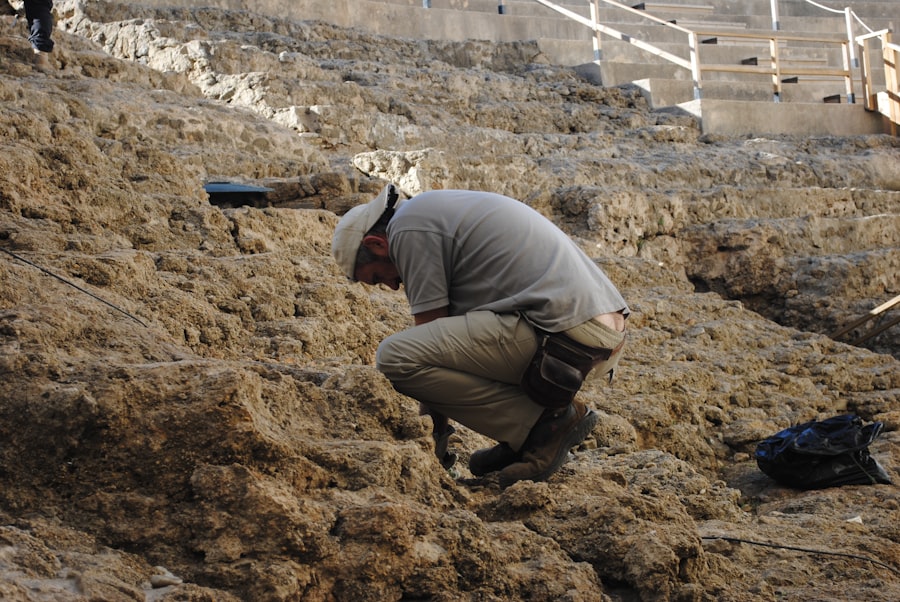
The demand for resources, particularly metals like copper and tin, and other desirable commodities spurred the development of extensive and complex trade networks during the Bronze Age. Archaeology is instrumental in tracing these routes, identifying traded goods, and understanding the nature of these economic relationships.
The Movement of Metals: The Lifeblood of the Bronze Age
The geographical distribution of copper and tin ores, often limited to specific regions, necessitated the long-distance transport of these essential materials. Archaeological discoveries of metal ingots, often standardized in shape and weight, found far from their original sources, are direct evidence of these trade movements.
Trace Element Analysis: Unmasking the Origins of Metal
By employing sophisticated analytical techniques like X-ray fluorescence (XRF) and inductively coupled plasma mass spectrometry (ICP-MS), archaeologists can analyze the trace element composition of bronze artifacts. This allows them to identify the specific geological origins of the copper and tin used, effectively tracing the provenance of the metal and the routes it traveled.
Maritime Trade Routes: Navigating the Seas for Commerce
The Mediterranean Sea, the Aegean, and the Black Sea, along with major rivers, served as vital arteries for Bronze Age trade. Archaeological evidence, such as shipwrecks, harbor remains, and the discovery of goods traded across these water bodies, including pottery, textiles, and foodstuffs, illuminates the importance of maritime commerce.
Beyond Metals: The Exchange of Goods and Ideas
Trade was not limited to raw materials. A wide array of finished goods, luxury items, and even foodstuffs were exchanged, enriching local economies and fostering cultural diffusion.
Imported Luxury Goods: Symbols of Status and Wealth
The presence of imported ceramics, precious stones, ivory, and other luxury items in archaeological contexts indicates their desirability and the economic capacity of certain individuals or communities to acquire them. These goods often served as markers of social status and elite power.
The Diffusion of Technologies and Artistic Styles: A Blending of Cultures
The exchange of goods was invariably accompanied by the exchange of ideas and technologies. Archaeological evidence can document the spread of new crafting techniques, artistic motifs, and even architectural styles across different regions, demonstrating a blending of cultural influences.
Trade as a Catalyst for Diplomacy and Conflict
The establishment of trade routes often fostered diplomatic relationships between different communities and even states. However, competition for resources and control of trade routes could also lead to conflict.
Treaties and Alliances: Securing Trade Interests
While direct archaeological evidence of treaties is rare, the consistent presence of goods from specific regions in another, coupled with the lack of widespread warfare, can suggest established trade agreements and diplomatic ties.
Evidence of Raids and Warfare Connected to Trade Control: The Darker Side of Commerce
Conversely, archaeological evidence of destruction layers, fortifications built to protect trade routes, and caches of weaponry can point to the conflicts that arose from the desire to control valuable trade interests.
The Tapestry of Belief: Bronze Age Religion and Ritual
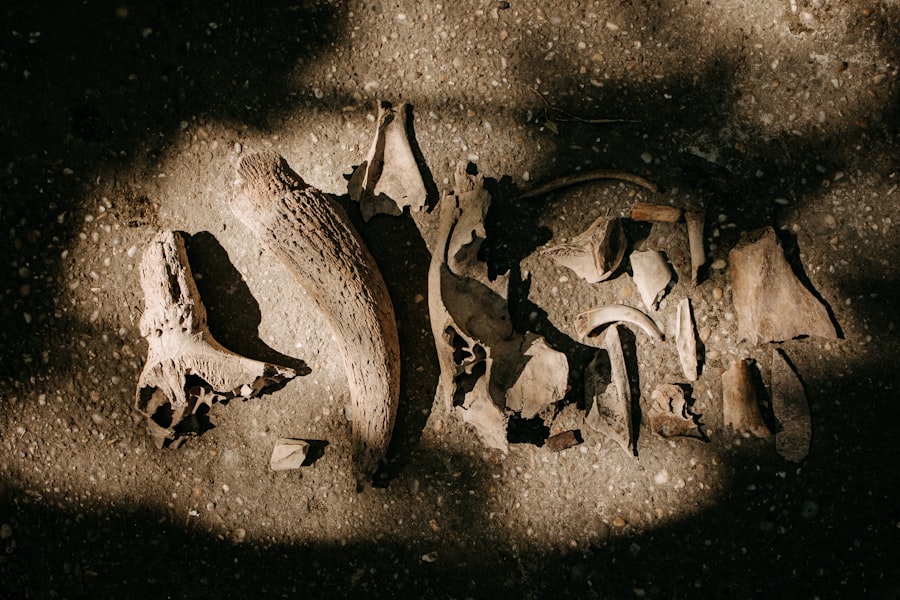
The lives of Bronze Age peoples were profoundly shaped by their beliefs about the world, the cosmos, and the afterlife. Archaeology provides crucial insights into their religious practices, deities, burial rituals, and cosmological understandings.
Temples and Sacred Sites: Honoring the Divine
The discovery of dedicated religious structures, ranging from small shrines to elaborate temples, reveals organized systems of worship. These sites often contain altars, votive offerings, and iconography that provide clues about the deities venerated and the nature of rituals performed.
Iconography and Symbolism: Visualizing the Divine
Artifacts such as statuettes, reliefs, and painted pottery often depict deities, mythological scenes, and symbolic motifs. Archaeologists meticulously study these visual representations to infer aspects of Bronze Age mythology, the attributes of their gods, and the narratives they held dear.
Votive Offerings: Personal Connections to the Sacred
The accumulation of votive offerings – objects deliberately left at sacred sites as gifts or prayers to deities – offers a direct glimpse into the personal devotions and concerns of Bronze Age individuals. These can range from miniature tools and weapons to figurines and food remnants.
Burial Practices: Journeys to the Afterlife
Burial customs are among the most informative aspects of Bronze Age archaeology, revealing beliefs about death, the afterlife, and the relationship between the living and the dead.
Tomb Types: Reflecting Social Status and Beliefs
The diversity of tomb types, from simple inhumation in pits to elaborate chamber tombs and megalithic structures, often reflects social distinctions and differing beliefs about the journey to the afterlife. The orientation of tombs and the arrangement of the deceased can also hold symbolic meaning.
Grave Goods: Provisions for the Deceased
The inclusion of grave goods in burials serves a crucial purpose: to accompany the deceased into the afterlife, mirroring the possessions and status they held in life. The type and quantity of these goods are invaluable for understanding social hierarchy, economic status, and the specific items believed necessary for the next world.
Ritualistic Practices at Burials: Commemorating and Appeasing
Archaeological evidence at burial sites, such as hearths, offering pits, and evidence of repeated interments, can suggest ongoing ritualistic practices aimed at commemorating the deceased, appeasing their spirits, or ensuring their well-being in the afterlife.
Shamanism and Magic: Interacting with the Spirit World
While often elusive, certain archaeological findings suggest practices related to shamanism and magic, attempts to influence the physical world through supernatural means.
Artifacts with Apparent Ritualistic or Magical Functions: Tools for the Unseen
The discovery of unusual artifacts – carved figures, amulets, special stones, or containers with residues of psychoactive substances – can hint at practices aimed at healing, protection, or divination. These are often interpreted within the context of broader cultural beliefs.
Animal Symbolism and Totemism: Connections to the Natural World
The prevalence of certain animal depictions in art and ritualistic contexts suggests the importance of animal symbolism, perhaps related to totemism or the belief that animals possessed spiritual powers or represented certain deities or ancestral spirits.
The archaeology of the Bronze Age reveals fascinating insights into early human civilizations and their technological advancements. A recent article discusses the impact of ancient innovations on modern society, highlighting how these developments laid the groundwork for contemporary advancements. For a deeper understanding of how ancient cultures shaped our present, you can explore the article on Guadalajara, Mexico’s Silicon Valley, which illustrates the connection between historical progress and modern technological hubs. To read more about this intriguing topic, visit this article.
The Enduring Legacy of the Bronze Age: Shaping the Future
| Site | Location | Discoveries |
|---|---|---|
| Troy | Turkey | Excavated city walls, pottery, and jewelry |
| Mycenae | Greece | Rich burials, including the Mask of Agamemnon |
| Knossos | Crete | Palace complex with colorful frescoes and advanced drainage system |
The innovations and societal transformations of the Bronze Age laid the groundwork for subsequent historical developments, influencing the trajectories of civilizations for millennia to come. Archaeology continues to reveal the depth and breadth of this enduring legacy.
The Foundations of Statehood and Governance: Early Bureaucracy and Administration
The emergence of centralized authority, complex administration, and organized resource management during the Bronze Age provided early models for later state formation. The development of writing systems (in some regions), while not universally present, further solidified these administrative structures.
The Dawn of Written Records: Codifying Power and Exchange
In regions like Mesopotamia and Egypt, the Bronze Age witnessed the development of sophisticated writing systems. Archaeological discoveries of cuneiform tablets and hieroglyphic inscriptions provide invaluable historical records detailing laws, economic transactions, religious texts, and royal decrees, offering direct insights into the functioning of early states.
Development of Legal Systems and Social Norms: Establishing Order
The increasing complexity of Bronze Age societies necessitated the development of more formalized legal systems and social norms to govern interactions and resolve disputes. Evidence from legal texts and the consistent patterns of social organization observed in archaeological sites points to this evolution.
The Spread of Technologies and Knowledge: A Globalized World
The Bronze Age marked a period of significant technological diffusion and knowledge sharing across vast distances. The adoption of bronze metallurgy itself, and the accompanying techniques, spread widely.
The Legacy of Metalworking: Continuing Innovation in an Iron Age
While the Iron Age eventually superseded bronze, the foundational knowledge and skills of metalworking developed during the Bronze Age were essential for this transition. The sophisticated casting techniques and understanding of alloys laid the groundwork for future metallurgical advancements.
The Transmission of Agricultural and Craft Techniques: Sustaining Societies
The exchange of agricultural practices, the understanding of irrigation, and the mastery of various craft techniques were crucial for the sustainability and growth of Bronze Age societies. These transmitted skills contributed to the enduring success of settled agricultural communities.
Cultural Influence and Identity: The Roots of Later Civilizations
The cultural achievements of the Bronze Age, including art, mythology, and religious beliefs, had a profound and lasting influence on the development of later civilizations. Many foundational elements of later cultures can be traced back to this pivotal era.
Artistic Traditions and Motifs: Echoes Through Time
The distinctive artistic styles, motifs, and iconographic elements of Bronze Age cultures continued to inspire and be incorporated into the art of later periods, demonstrating a continuous cultural thread.
Mythological and Religious Frameworks: Shaping Worldviews
The creation of epic tales, the veneration of certain deities, and the development of fundamental cosmological understandings during the Bronze Age provided the bedrock for the mythologies and religious systems of many subsequent cultures.
In conclusion, archaeology offers an unparalleled window into the Bronze Age. Through the meticulous excavation and interpretation of material remains, scholars are able to reconstruct the lives, beliefs, and achievements of these ancient peoples. From the transformative power of bronze metallurgy and the rise of complex societies to the intricate webs of trade and the profound expressions of belief, archaeology continuously uncovers the secrets of this dynamic and foundational era, revealing a world that, while distant in time, continues to resonate with its enduring influence on our own.

How an Entire Civilization Collapsed
FAQs
What is the Bronze Age?
The Bronze Age is a historical period characterized by the use of bronze, a metal alloy made primarily of copper and tin. It is typically considered to have occurred between 3300 BCE and 1200 BCE.
What are some key archaeological findings from the Bronze Age?
Archaeologists have uncovered a wide range of artifacts from the Bronze Age, including tools, weapons, pottery, jewelry, and artwork. Some notable findings include the burial sites of important individuals, such as the Egtved Girl in Denmark and the Tollund Man in Denmark.
How did people in the Bronze Age live?
During the Bronze Age, people lived in settlements and engaged in agriculture, animal husbandry, and trade. They also developed advanced metalworking techniques, constructed elaborate burial sites, and created intricate pottery and artwork.
What are some significant Bronze Age civilizations?
Several civilizations flourished during the Bronze Age, including the Minoans on the island of Crete, the Mycenaeans in mainland Greece, the Indus Valley Civilization in South Asia, and the Shang Dynasty in China.
What can the study of the Bronze Age tell us about ancient societies?
Studying the Bronze Age can provide insights into the technological advancements, social structures, religious beliefs, and cultural practices of ancient societies. It can also shed light on the interactions and exchanges between different civilizations during this period.