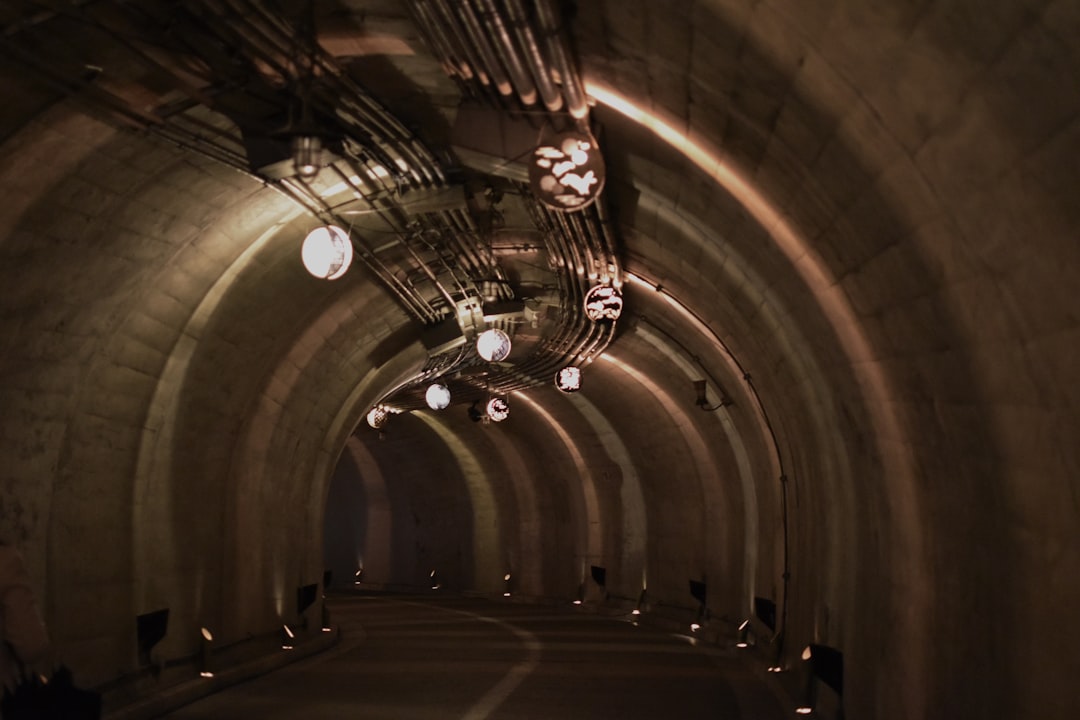
The silent stones of Ireland hold many whispers of the past, but few are as enigmatic as the souterrains. These subterranean structures, primarily found in the northern half of the country, have long puzzled archaeologists and historians. Among them, Tipperary’s souterrains stand as particularly intriguing testaments to ancient ingenuity. Recently, a series of acoustic tests have been conducted within one of these hidden complexes, offering a new layer of understanding to their purpose and design. This article delves into the findings of these acoustic investigations, aiming to uncover some of the secrets that Tipperary’s souterrains have held for centuries.
What is a Souterrain?
A souterrain, derived from the French for “underground,” is a man-made subterranean structure, typically consisting of one or more chambers or passages. In Ireland, these structures are most commonly found dating from the Iron Age and early medieval periods. They are characterized by their construction method, which often involves dry stone masonry, with capstones creating roofs and dividing walls. Their entrances are usually narrow and concealed, often leading to more expansive underground spaces. The exact function of souterrains remains a subject of considerable academic debate, with theories ranging from food storage and shelter to ritualistic use and defensive positions.
Prevalence and Distribution
While souterrains are scattered across the island, they exhibit a notable concentration in certain regions. The northern counties, including Antrim, Down, and Donegal, boast the highest numbers. However, significant examples have also been unearthed in Munster, including County Tipperary. The distribution patterns suggest a link to specific cultural or economic developments prevalent during the periods of their construction.
Theories of Purpose
For decades, scholars have posited various functions for these underground marvels. The most widely accepted theory suggests a utilitarian purpose, primarily for food storage. The cool, stable temperatures within souterrains would have been ideal for preserving grains, dairy products, and other perishables before the advent of modern refrigeration. Another prevalent theory points to their use as defensive shelters, offering refuge during times of conflict or raiding. The narrow entrances and complex layouts could have provided a measure of security against intruders. Furthermore, some researchers propose ritualistic or ceremonial roles, citing the potential for isolated, hidden spaces to be used for sacred practices or secret meetings. The lack of definitive artifactual evidence within many souterrains makes it challenging to conclusively prove any single theory.
Recent acoustic tests conducted on the Tipperary souterrain have revealed fascinating insights into the structure’s unique sound properties, which may shed light on its historical uses. These findings are reminiscent of the discussions surrounding ancient technologies, such as those explored in the article about Archimedes’ death ray, an ancient solar weapon that utilized mirrors to focus sunlight. For more information on this intriguing topic, you can read the article here: Archimedes’ Death Ray: Ancient Solar Weapon Explained.
Tipperary’s Souterrain: A Case Study
Location and Geological Context
County Tipperary, situated in the province of Munster, is home to several notable souterrain sites. The specific souterrain investigated for its acoustic properties is located in a rural area, nestled within rolling hills. The geological makeup of the region, characterized by limestone bedrock, likely played a role in the ease of excavation and the availability of suitable building materials. Understanding the local geology is crucial, as it informs the very fabric of these underground constructions. The earth itself, in a way, becomes a silent collaborator in the creation of these hidden spaces.
Recent studies on the acoustic properties of the Tipperary souterrain have opened new avenues for understanding ancient structures, particularly in relation to their function and significance in historical contexts. For those interested in the broader implications of environmental factors on ancient civilizations, an insightful article can be found that discusses the role of climate in the Bronze Age collapse. You can read more about this fascinating topic here. The intersection of archaeology and environmental science continues to reveal the complexities of our past, shedding light on how societies adapted to changing conditions.
Historical Significance
While the precise age of Tipperary’s souterrains can vary, they generally belong to a period where distinct societal structures and agricultural practices were in place. Their presence can be linked to the development of settled communities and a more organized approach to resource management. The historical context of the surrounding landscape, including evidence of ancient settlements and land use, provides a backdrop against which to interpret the souterrain’
FAQs
What is a souterrain and why is it significant in Tipperary?
A souterrain is an underground structure, often dating back to the early medieval period, used for storage or as a refuge. In Tipperary, Ireland, these souterrains are significant archaeological sites that provide insight into historical settlement patterns and ancient community life.
What are acoustic tests in the context of Tipperary souterrains?
Acoustic tests in Tipperary souterrains involve measuring and analyzing sound properties within these underground chambers. These tests help researchers understand how sound behaves in the confined spaces, which can reveal information about the souterrain’s construction, usage, and potential ceremonial functions.
Why are acoustic tests conducted in souterrains?
Acoustic tests are conducted to study the sound characteristics of souterrains, such as echo, reverberation, and sound amplification. This research can provide clues about how these spaces were used historically, including whether they had roles in communication, rituals, or other social activities.
What methods are used to perform acoustic tests in souterrains?
Researchers typically use sound recording equipment, speakers, and microphones to emit and capture sounds within the souterrain. They analyze the data using acoustic software to measure parameters like reverberation time, sound clarity, and frequency response, helping to map the acoustic profile of the space.
How can the results of acoustic tests benefit archaeological studies in Tipperary?
The results can enhance understanding of the souterrain’s design and function, offering new perspectives on how ancient communities interacted with these spaces. Acoustic data can also assist in preservation efforts and inform the development of educational or tourism programs that highlight the unique features of Tipperary’s souterrains.