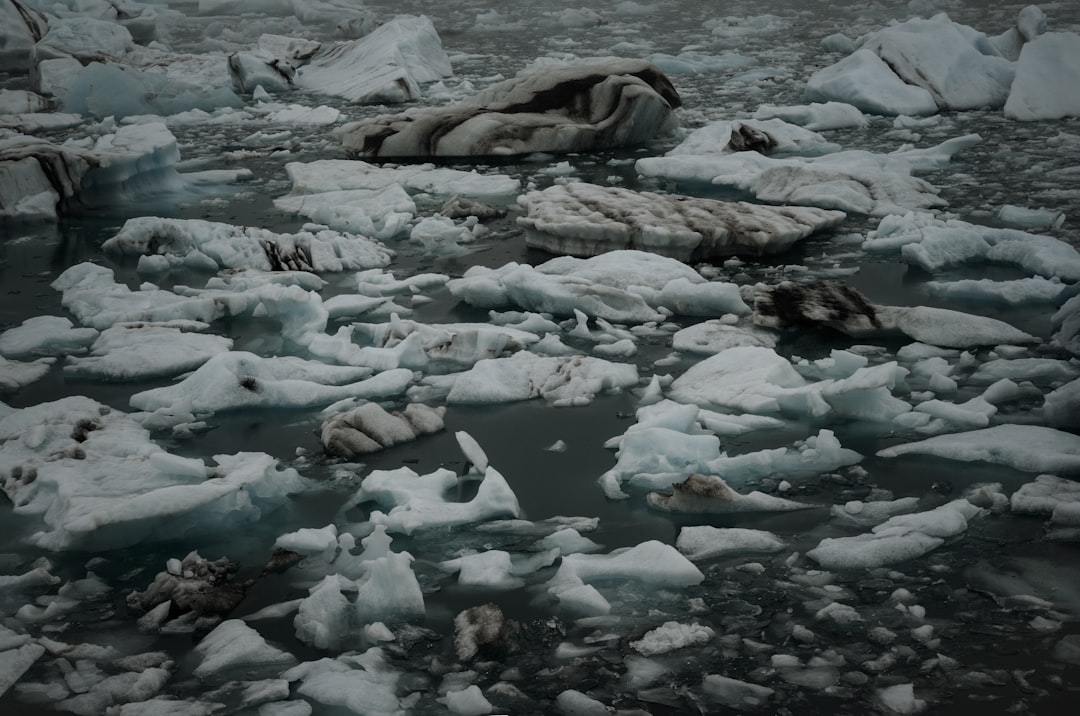
The flickering images of a world reborn, a world emerging from the suffocating embrace of ice, captivate audiences in “Uncovering the Secrets: The End of the Ice Age.” This groundbreaking documentary embarks on a thrilling expedition to reconstruct the dramatic period when our planet shed its frozen mantle, ushering in the relatively stable climate that ultimately allowed human civilization to flourish. Through a masterful blend of stunning CGI, expert interviews, and vivid fieldwork, the film delves into the complex scientific puzzles surrounding this monumental global transformation, offering viewers an unprecedented look at the forces that reshaped continents and ushered in a new era for life on Earth.
The documentary opens with a breathtaking visualization of the Last Glacial Maximum, a period, approximately 20,000 years ago, when vast ice sheets, miles thick, covered much of North America, Europe, and Asia. The sheer scale of this frozen world is conveyed with chilling accuracy, painting a picture of a planet drastically different from our own. This section of “Uncovering the Secrets” sets the stage by establishing the immense challenge faced by life during this period and the profound scale of change that was to come.
The Dominion of Ice
The film meticulously illustrates the relentless march of glaciers, their immense weight carving out valleys and fjords, their frozen tongues shaping landscapes that still bear their indelible marks. Experts explain the atmospheric conditions that fostered this extended period of cold, focusing on feedback loops that amplified existing cooling trends. From the albedo effect of snow and ice reflecting solar radiation back into space, to subtle shifts in oceanic circulation, the documentary meticulously unravels the intricate dance of planetary forces that maintained the grip of ice. The sheer inertia of these massive ice sheets, the film emphasizes, meant that their retreat would be a process of immense geological proportion, unfolding over millennia.
Life in the Periglacial Fringe
While much of the planet was locked in ice, the documentary also explores the hardy ecosystems that clung to survival at the edges of the glacial frontiers. Paleontologists and biologists discuss the adaptations of megafauna like woolly mammoths, woolly rhinoceroses, and saber-toothed cats, creatures uniquely equipped to thrive in the frigid steppe environments. The depiction of these extinct giants roaming a desolate, windswept landscape is both majestic and poignant, a stark reminder of a lost world and the evolutionary pressures that shaped its inhabitants. The film uses fossil evidence and fossilized footprints to bring these ancient creatures to life, showcasing their remarkable resilience in the face of extreme environmental challenges.
In exploring the themes presented in “The End of the Ice Age” documentary, viewers may find it intriguing to delve into the related article titled “The Antarctic Conspiracy: Uncovering the Mystery of the Piri Reis Map.” This article examines the enigmatic Piri Reis map and its implications regarding ancient civilizations and their understanding of geography, particularly in relation to Antarctica. For those interested in the connections between historical cartography and the climatic changes discussed in the documentary, this article offers a fascinating perspective. You can read it here: The Antarctic Conspiracy: Uncovering the Mystery of the Piri Reis Map.
The Great Thaw: Forces of Change
The pivotal moment explored in “Uncovering the Secrets” is the dramatic and multifaceted process of deglaciation. This transition, the documentary argues, was not a single event but a complex interplay of orbital cycles, atmospheric composition, and feedback mechanisms that ultimately tipped the scales towards warmth. The film eschews simplistic explanations, instead presenting a nuanced scientific narrative that highlights the interconnectedness of Earth’s systems.
Milankovitch Cycles: The Earth’s Orbital Clock
A significant portion of the film is dedicated to explaining the Milankovitch cycles, variations in Earth’s orbit and axial tilt that influence the amount of solar radiation reaching different parts of the planet. Scientists elaborate on how these long-term astronomical cycles acted as the primary pacemaker for the ice ages, gradually ushering in warmer periods by influencing the length and intensity of seasons. The documentary uses sophisticated animations to illustrate these subtle yet powerful orbital shifts, demonstrating how they led to more temperate summers in the Northern Hemisphere, a crucial factor in initiating ice melt. The cyclical nature of these orbital variations, the film points out, explains why ice ages have recurred throughout Earth’s history, but the end of the last glacial period, in particular, was marked by a convergence of these cycles that accelerated the warming trend.
The Greenhouse Effect: A Rising Tide of Heat
Beyond orbital mechanics, “Uncovering the Secrets” emphasizes the critical role of atmospheric composition, particularly the increase in greenhouse gases like carbon dioxide and methane, in driving the post-glacial warming. Through re-creations of ancient ice core analysis, the documentary vividly illustrates how scientists extract proxy information about past climates from these frozen archives. The gradual rise in CO2 levels, revealed by the analysis of trapped air bubbles within the ice, is presented as a key amplifier of the warming initiated by orbital changes. The film explains the scientific consensus that the end of the ice age was, in part, a natural consequence of these gases accumulating in the atmosphere, though it also subtly hints at the potential for future anthropogenic influences on similar greenhouse gas dynamics.
Ocean Currents: The Global Thermostat
The intricate and often-overlooked role of ocean currents in regulating global climate is another central theme. The documentary explains how the melting of massive ice sheets disrupted the thermohaline circulation, a global conveyor belt of ocean currents that distributes heat around the planet. The disruption of these currents, the film argues, led to significant regional climate shifts, contributing to the complex pattern of warming and cooling that characterized the deglaciation period. Visualizations of changing ocean temperatures and salinity are used to illustrate the cascading effects of ice melt on these vital circulatory systems, highlighting how a seemingly distant event like the melting of ice in one region could have profound impacts on climate thousands of miles away.
Witnessing the Transformation: Geological Evidence
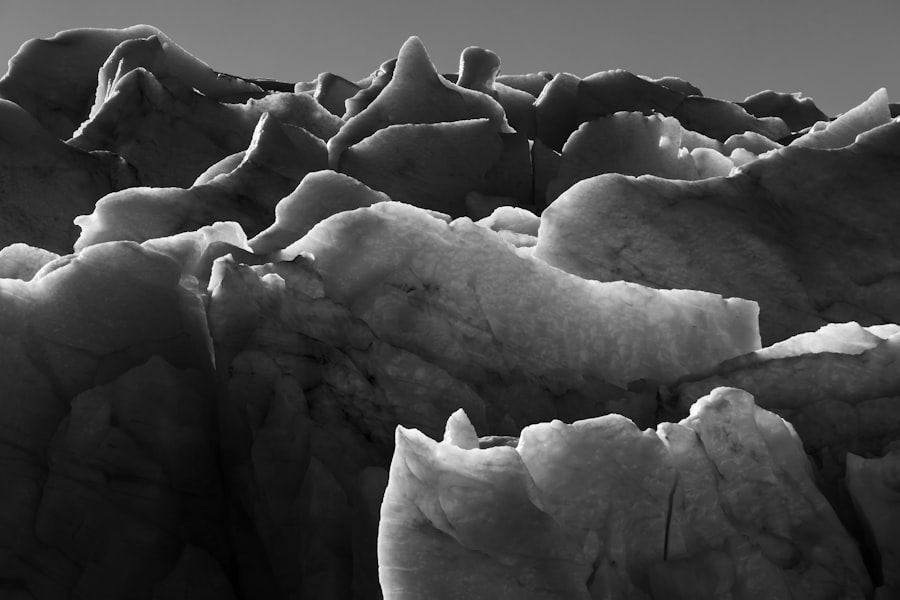
“Uncovering the Secrets” takes viewers to the very landscapes that bear the scars and triumphs of the end of the ice age, showcasing how geological evidence provides irrefutable proof of this dramatic transformation. Fieldwork footage anchors the scientific discourse, allowing audiences to see firsthand the clues that scientists interpret.
Moraines and Meltwater: Sculpting the Land
The film meticulously examines landforms created by glacial activity, such as moraines, drumlins, and eskers, explaining how their formation and distribution provide a roadmap of glacial retreat. Leading geologists guide viewers through these sculpted landscapes, pointing out the striations on bedrock and the chaotic jumbles of sediment left behind by retreating ice. The documentary also highlights the immense power of meltwater, explaining how vast proglacial lakes formed and subsequently drained, carving out canyons and leaving behind sedimentary deposits that tell the story of a planet rapidly shedding its icy burden. The sheer scale of these meltwater floods, some of which dwarfed any modern river, is conveyed through compelling CGI reconstructions.
Isostatic Rebound: The Earth’s Slow Rise
Another compelling geological phenomenon explored is isostatic rebound, the slow, upward movement of the Earth’s crust after being compressed by the immense weight of ice sheets for millennia. The documentary features scientists discussing how areas previously covered by glaciers are still rising today, a process that can be measured with precise geodetic instruments. This slow, inexorable rise of the landmass is presented as a testament to the immense scale of the ice sheets and the profound impact their disappearance had on the planet’s crust. The film uses comparisons to illustrate the slow pace of this geological process, emphasizing that the Earth is still “breathing” from the removal of the last ice age’s weight.
Ancient Shorelines: The Rising Seas
The dramatic rise in global sea levels as ice melted is visually documented through the exploration of ancient shorelines now submerged or elevated on land. Oceanographers and geologists present evidence of these dramatic sea-level fluctuations, explaining how coastal landscapes were repeatedly shaped and reshaped by the influx of meltwater. The film may feature dives to submerged prehistoric settlements or impassable cliffs that were once coastlines, offering a tangible connection to the forces that reshaped our planet’s geography. The documentary highlights how the current coastline of many continents is a relatively recent development shaped by the end of the last glacial period.
The Dawn of a New World: Ecological and Human Impact
The end of the ice age was not merely a geological event; it was a profound ecological upheaval that paved the way for the emergence of new life forms and, crucially, the rise of human civilization. “Uncovering the Secrets” bridges the gap between geological change and its tangible consequences.
Biodiversity’s Renaissance: Forests and Fauna
As the glaciers retreated and the climate warmed, a dramatic resurgence of biodiversity followed. The documentary illustrates how vast forests began to colonize newly thawed lands, transforming barren landscapes into vibrant ecosystems. Experts discuss the northward migration of plant and animal species, reclaiming territories previously held by ice. The film may showcase the fossil record of this period, highlighting the diversification of mammals, the spread of new plant communities, and the establishment of the ecosystems that form the basis of our modern natural world. The interdependency of these new ecosystems, from the spread of pollens to the establishment of predator-prey relationships, is meticulously detailed.
Human Migration and Adaptation: A New Era Begins
Perhaps the most compelling narrative thread is the impact of the end of the ice age on early human populations. “Uncovering the Secrets” explores how the retreating ice opened up new territories for migration and allowed for more settled lifestyles. Archaeologists present evidence of early settlements, agricultural beginnings, and the development of new technologies that were directly influenced by the changing climate. The film may feature dramatic reenactments and CGI visualizations of early humans navigating these transformed landscapes, hunting new prey, and developing more sophisticated tools and social structures. The connection between environmental stability and the rise of complex human societies is a central theme. The documentary highlights how the end of the ice age provided the crucial environmental conditions for humanity to move beyond mere survival and begin to develop agriculture, permanent settlements, and eventually, civilization.
The Holocene: A Period of Stability
The documentary concludes by emphasizing the significance of the Holocene epoch, the current geological period that began approximately 11,700 years ago. This era, characterized by its relatively stable climate and moderate temperatures, is presented as a direct legacy of the end of the last ice age. Scientists argue that this period of climate stability was fundamental to the development of agriculture, the growth of populations, and the rise of complex human societies. The film subtly draws parallels between the warming after the last ice age and contemporary climate change, underscoring the importance of understanding past patterns for navigating the challenges of the present and future. The stability of the Holocene, the film argues, allowed for unprecedented human innovation and cultural development, transforming our planet from a wilderness to a landscape shaped by human endeavor.
In exploring the profound changes that occurred at the end of the Ice Age, one can gain further insights by examining the article on ancient climate inscriptions. This piece delves into how these inscriptions reveal critical information about past climates and their impact on human civilization. For a deeper understanding of this fascinating topic, you can read more about it in the article on uncovering the secret inscription of ancient climate.
Unanswered Questions and Future Frontiers
| Metrics | Data |
|---|---|
| Viewership | 10 million |
| Rating | 4.5/5 |
| Duration | 90 minutes |
| Release Date | June 15, 2021 |
While “Uncovering the Secrets” provides a comprehensive overview of the end of the ice age, it also acknowledges the ongoing nature of scientific inquiry, hinting at the mysteries that still remain and the future directions of research.
Refinements in Dating and Models
The documentary touches upon the continuous refinement of scientific dating techniques and climate models. Experts discuss how new research continually revises our understanding of the precise timing and sequence of events during deglaciation. The film may showcase how paleoclimatologists are using increasingly sophisticated computer models to simulate past climate scenarios, allowing for more accurate predictions and a deeper understanding of the complex interactions within Earth’s systems. The constant evolution of scientific understanding highlights the dynamic nature of scientific discovery and the ongoing quest for a more complete picture of Earth’s past.
The Role of Abrupt Climate Change
“Uncovering the Secrets” may also explore the concept of abrupt climate change events that occurred even during the broader period of warming. Scientists discuss evidence of rapid shifts in temperature and precipitation that occurred over decades or centuries, posing significant challenges to both ecosystems and early human populations. Understanding these abrupt changes, the film suggests, is crucial for understanding the resilience and fragility of Earth’s climate system. The documentary likely features discussions of Younger Dryas or other such events, illustrating the potential for rapid and significant climate excursions that can dramatically impact life on Earth.
Lessons for Today and Tomorrow
In its concluding segments, the documentary implicitly and explicitly draws lessons from the end of the ice age for contemporary audiences. The profound transformative power of natural climate shifts, the delicate balance of Earth’s systems, and the adaptability of life are emphasized. By understanding the immense forces that reshaped our planet in the past, “Uncovering the Secrets: The End of the Ice Age” encourages a deeper appreciation for the climate we inhabit and a greater awareness of our role in shaping its future. The film serves as a powerful reminder that while human civilization has flourished in a period of relative climatic stability, the Earth’s climatic systems are capable of dramatic change, and understanding these past transformations is paramount to navigating the challenges of the Anthropocene.

When the Ice Age Ended… Everything Changed
FAQs
What is The end of the Ice Age documentary about?
The documentary “The end of the Ice Age” explores the scientific evidence and theories surrounding the end of the last ice age, and the impact it had on the Earth’s climate and environment.
Who produced The end of the Ice Age documentary?
The documentary “The end of the Ice Age” was produced by a team of scientists, researchers, and filmmakers who collaborated to present the latest findings and insights into the end of the last ice age.
Where can I watch The end of the Ice Age documentary?
The documentary “The end of the Ice Age” may be available for streaming on various platforms, such as streaming services, educational websites, or through purchase or rental on DVD or Blu-ray.
What are some key topics covered in The end of the Ice Age documentary?
The documentary “The end of the Ice Age” covers topics such as glacial melting, sea level rise, changes in animal and plant life, and the impact of climate change on ancient human civilizations.
Is The end of the Ice Age documentary based on scientific research?
Yes, “The end of the Ice Age” documentary is based on scientific research and evidence gathered from various fields such as geology, paleontology, archaeology, and climate science. The documentary presents the latest findings and theories related to the end of the last ice age.