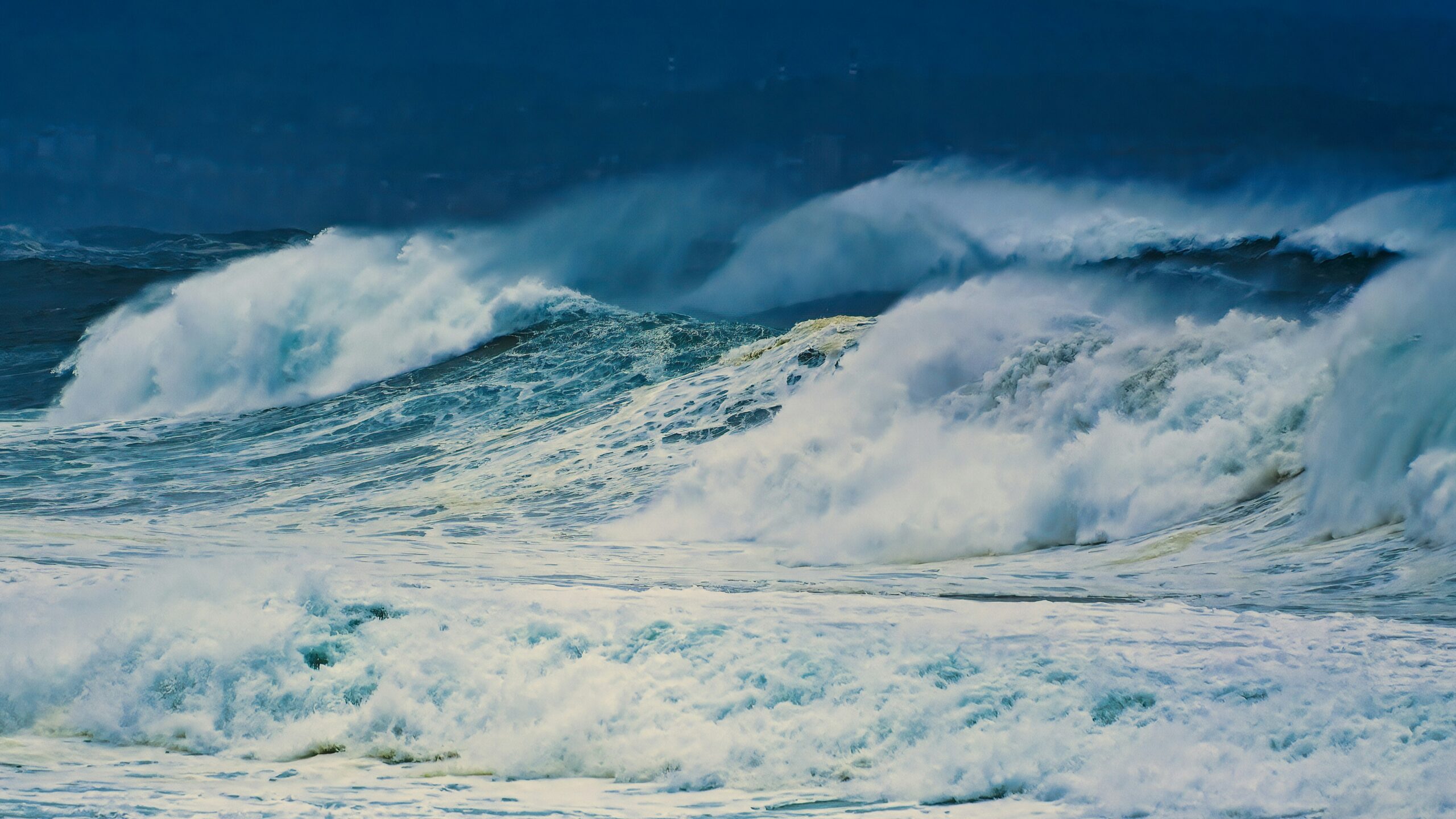
A catastrophic wave that reshaped coastlines and left an indelible mark on human history, the Storegga Tsunami, stands as one of the most significant prehistoric natural disasters. Now, a compelling new documentary, “Uncovering the Storegga Tsunami,” delves deep into the scientific investigation, geological evidence, and potential human impact of this colossal event. This film offers a gripping narrative, transforming complex geological data into an accessible and awe-inspiring exploration of Earth’s powerful forces.
The documentary meticulously reconstructs the events that led to the Storegga Tsunami, focusing on the Storegga Slide, a massive submarine landslide that occurred off the coast of Norway approximately 8,200 years ago.
The Scale of the Slide
“Uncovering the Storegga Tsunami” spares no detail in illustrating the sheer immensity of the Storegga Slide. The film utilizes advanced CGI and geological reconstructions to visually represent the event. Viewers are presented with the staggering statistic: an estimated 3,500 cubic kilometers of sediment and rock detached from the continental shelf. This volume is so vast that the filmmakers often resort to analogies to convey its scale, comparing it to Mount Everest multiplied multiple times or enough material to fill a landmass the size of Iceland. The documentary emphasizes that this was not a gradual erosion but a sudden, cataclysmic collapse.
Triggers and Precursors
The film explores the scientific hypotheses regarding the triggers of the Storegga Slide. Several contributing factors are discussed, including the instability of the continental slope due to the retreat of the Scandinavian Ice Sheet following the last Ice Age. Melting ice had caused the land to rebound, creating extensive fault lines and increasing the pressure on the submarine slopes. The documentary also delves into the possibility of seismic activity, with geologists explaining how earthquakes could have destabilized the already precarious underwater cliff face. The interplay of these factors, the film suggests, created a perfect storm for such a colossal slide.
Evidence Beneath the Waves
A significant portion of the documentary is dedicated to showcasing the tangible evidence of the Storegga Slide that lies hidden beneath the seabed. Scientists, using advanced sonar and sub-bottom profiling technology, are shown collecting data that reveals the extent of the slide. The film highlights the dramatic changes in seafloor topography, with vast canyons and scarred landscapes clearly identifiable. Sediment cores, meticulously extracted and analyzed, provide a chronological record of the event, revealing layers of disturbed sediment and debris. The documentary makes the science accessible by explaining how these cores act as time capsules, allowing researchers to piece together the sequence of events.
The Storegga tsunami documentary sheds light on the cataclysmic events that shaped the coastal landscapes of Northern Europe, revealing the profound impact of natural disasters on human history. For those interested in exploring how ancient civilizations responded to environmental challenges, a related article titled “The Mystical Sound of Chavín de Huantar” provides fascinating insights into the Chavín culture and their interactions with the natural world. You can read more about this intriguing topic by following this link: The Mystical Sound of Chavín de Huantar.
The Tsunami Unleashed: A Wall of Water
The Storegga Slide did not just move landmass; it displaced an enormous volume of water, triggering a tsunami of unprecedented proportions. “Uncovering the Storegga Tsunami” brings this terrifying spectacle to life.
The Mechanics of Tsunami Generation
The documentary effectively explains the physics behind how a submarine landslide can generate a tsunami. Using animated sequences and expert interviews, filmmakers illustrate how the sudden displacement of a massive amount of material pushing seafloor sediments and water upwards creates a bulge of water that then propagates outwards. The scale of the Storegga Slide meant this initial bulge was immense, setting in motion waves of unimaginable energy. The film emphasizes that this is a different mechanism of tsunami generation than typically associated with earthquakes, highlighting the unique destructive potential of a slide-induced wave.
Reconstructing the Wave’s Path
“Uncovering the Storegga Tsunami” employs sophisticated modeling techniques to simulate the path and impact of the tsunami. The documentary shows how the initial wave, likely hundreds of meters high, swept across the Norwegian Sea. The film then tracks its destructive journey, demonstrating how it reached the shores of Scotland, the Faroe Islands, and potentially even further afield. The use of interactive maps and visual representations allows viewers to grasp the vast geographical reach of this watery behemoth. The speed and destructive force of the wave are conveyed through vivid animations, depicting its ability to inundate coastal lowlands and reshape landscapes.
Coastal Devastation
The film spares no punches in depicting the catastrophic impact of the tsunami on coastal communities and environments. Evidence of this devastation is presented through archaeological findings and geological markers. The documentary showcases boulder deposits, some weighing hundreds of tons, that have been found far inland, a testament to the immense power of the waves. It also highlights the inundation of ancient shorelines, with evidence of salt marshes and sediment layers indicating rapid and significant flooding. The filmmakers use historical and geological records to paint a picture of a landscape utterly transformed by the relentless surge of water.
Traces in the Landscape: The Geological Footprint
The most compelling evidence for the Storegga Tsunami lies in the indelible geological scars it left behind. “Uncovering the Storegga Tsunami” takes viewers on a journey to these remarkable natural archives.
The “Megaboulders” and Inland Deposits
One of the most striking pieces of evidence discussed and visually presented in the documentary are the “megaboulders.” These are enormous rocks, displaced by the tsunami from their original coastal locations and deposited miles inland. The film features geological surveys and expeditions to these sites, showcasing the sheer size and weight of these boulders. Experts explain how their composition and the distance from their source bedrock are crucial in confirming their tsunami origin. The documentary emphasizes that these are not just scattered rocks but serve as clear markers of extreme wave energy that could only be generated by a catastrophic event.
Coastal Inundation Zones and Sediment Layers
The documentary explores the geological signatures of the inundation itself. Scientists present evidence from coastal archeological sites and geological formations that reveal layers of sand, marine sediment, and debris deposited far above normal high-tide levels. These layers serve as irrefutable proof of widespread flooding that temporarily submerged vast areas of land. The film highlights specific sites where these inundated layers are clearly visible, acting as direct witnesses to the tsunami’s reach. The analysis of these sediments, including their grain size and composition, allows researchers to reconstruct the dynamics of the floodwaters.
River Valley Sedimentation
The impact of the Storegga Tsunami extended inland through river systems. The documentary details how the tsunami’s surge up river valleys would have carried enormous amounts of sediment, dramatically altering riverbeds and floodplains. Geologists are shown examining core samples from river valleys that reveal dramatic changes in sedimentation patterns dating back to around 8,200 years ago. These changes, the film explains, are consistent with the influx of a massive and turbulent wave. The documentary makes a strong case that these inland geological anomalies are just as important as coastal evidence in understanding the tsunami’s full impact.
The Human Dimension: Encounters with the Catastrophe
While the Storegga Tsunami predates written history in many parts of the affected regions, “Uncovering the Storegga Tsunami” explores the compelling evidence suggesting that it had a profound impact on early human populations.
Archaeological Evidence of Displacement
The documentary delves into the archaeological findings that hint at human presence in the areas affected by the tsunami and the potential for disruption. While direct evidence of human casualties is scarce due to the passage of time and erosion, the film examines changes in settlement patterns and artifact distribution. Archaeologists present findings suggesting that communities living in low-lying coastal areas may have been forced to relocate or abandoned their settlements. The documentary explores the possibility that the tsunami could have disrupted established migration routes and resource gathering locations, forcing significant societal adaptations.
The “Mega-Tsunami” Hypothesis and Coastal Settlements
The film critically examines the hypothesis that the Storegga Tsunami was so devastating that it may have led to the disappearance or significant disruption of certain coastal Mesolithic communities. The documentary presents the arguments for this, emphasizing the long-term ecological and geographical changes brought about by the event. The inundation of fertile coastal plains and the alteration of coastlines could have rendered traditional subsistence strategies untenable. The documentary allows viewers to consider the potential for a “cultural reset” in some regions due to this environmental catastrophe.
Indirect Impacts and Long-Term Adaptation
“Uncovering the Storegga Tsunami” also considers the indirect impacts of the event on human populations. The tsunami could have altered marine ecosystems, affecting fishing grounds and access to coastal resources for generations. The film discusses how early humans might have adapted to these changes, potentially leading to new technological innovations or shifts in their social structures. The documentary suggests that the memory of such a catastrophic event, even if passed down through oral tradition, could have influenced settlement choices and risk assessment for centuries, shaping human history in subtle but significant ways.
The Storegga tsunami documentary provides a fascinating insight into one of the largest underwater landslides in history and its catastrophic impact on ancient coastal communities. For those interested in how ancient maps have influenced our understanding of historical events, a related article explores the intriguing connections between the Piri Reis map and modern science. You can read more about this captivating topic in the article on ancient cartography and its implications for our understanding of the past.
Lessons from the Past: Relevance for Today
| Documentary Title | Storegga Tsunami |
|---|---|
| Release Year | 2020 |
| Duration | 60 minutes |
| Director | John Murray |
| Featured Experts | Dr. Dave Tappin, Dr. Richard Bates, Dr. Simon Haslett |
| Production Company | BBC |
The documentary concludes by emphasizing the enduring relevance of studying the Storegga Tsunami in our modern world. “Uncovering the Storegga Tsunami” serves as a stark reminder of Earth’s formidable power and the potential for future events.
Understanding Modern Tsunami Risks
The film draws clear parallels between the Storegga Tsunami and modern tsunami threats. Scientists discuss how the geological principles and modeling techniques used to understand the ancient event are directly applicable to predicting and mitigating the impact of future tsunamis. The documentary highlights that while the triggers might differ – an earthquake versus a landslide – the fundamental physics of wave propagation and coastal inundation remain the same. This section aims to demystify tsunami science and connect the past event to present-day concerns.
The Importance of Geological Monitoring
“Uncovering the Storegga Tsunami” underscores the critical need for ongoing geological monitoring and research. The documentary showcases the cutting-edge technology used by scientists today to detect potential geological instabilities and seismic activity that could trigger future tsunamis. The film advocates for continued investment in scientific research, emphasizing that understanding our planet’s past is crucial for safeguarding our future. The narrative strongly supports the idea that proactive monitoring and research are our best defenses against such natural disasters.
A Reminder of Earth’s Power
Ultimately, “Uncovering the Storegga Tsunami” serves as a profound and humbling reminder of the immense power of natural forces. The documentary leaves the viewer with a sense of awe and respect for the Earth’s dynamic geological processes. The filmmakers aim to foster a greater appreciation for the planet we inhabit and the importance of living in harmony with its powerful, and sometimes destructive, forces. The film’s closing thoughts are a call to action, urging humanity to remain vigilant, continue learning, and be prepared for whatever the Earth may present in the future.

The Forgotten World Beneath the North Sea
FAQs
What is the Storegga tsunami documentary about?
The Storegga tsunami documentary explores the catastrophic underwater landslide that occurred off the coast of Norway around 8,200 years ago, causing a massive tsunami that affected the coastlines of Norway, Scotland, and other surrounding areas.
When did the Storegga tsunami occur?
The Storegga tsunami occurred approximately 8,200 years ago, during the early Holocene period.
What caused the Storegga tsunami?
The Storegga tsunami was caused by a massive underwater landslide, known as the Storegga Slide, which occurred off the coast of Norway. The landslide displaced a large volume of water, resulting in a powerful tsunami.
What impact did the Storegga tsunami have on the surrounding areas?
The Storegga tsunami had a significant impact on the coastlines of Norway, Scotland, and other surrounding areas. It is believed to have caused widespread flooding and devastation, leading to significant changes in the landscape and potentially affecting human populations living in the region at the time.
Where can I watch the Storegga tsunami documentary?
The Storegga tsunami documentary may be available for viewing on various streaming platforms, television networks, or through online rental or purchase. Check with local broadcasters or streaming services for availability.