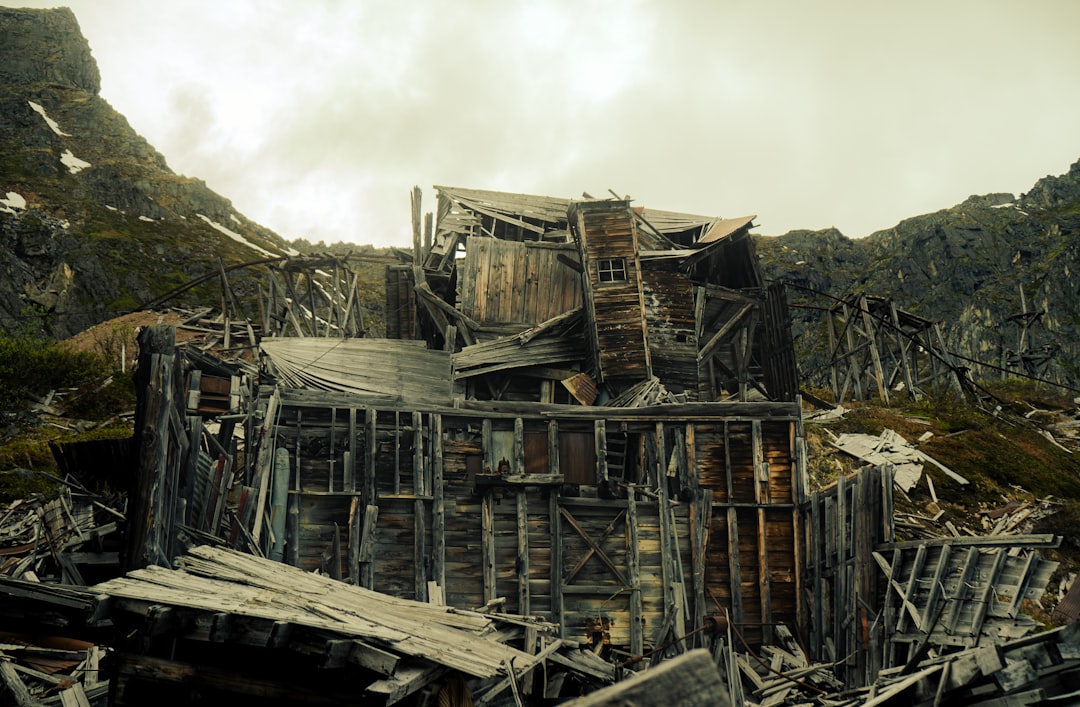
The popular perception of the Dark Ages, a period often characterized by a precipitous decline from the glory of the Roman Empire, is increasingly being challenged by historical research. The term itself, coined centuries after the fact, carries a pejorative weight, implying a void of achievement and a regression into barbarism. However, a closer examination of archaeological evidence, translated texts, and nuanced regional studies reveals a more complex and dynamic picture. The “collapse” was not a singular, monolithic event but rather a multifaceted process of transformation, adaptation, and rediscovery, often fragmented and uneven across different geographies and communities. This article aims to explore the realities behind this oft-misunderstood era.
The idea of a singular, widespread collapse stems from a somewhat Eurocentric and antiquity-focused perspective. Historians in the Renaissance and Enlightenment, looking back at the classical world, viewed the intervening centuries as a regrettable interruption. This narrative, however, often overlooks the resilience and innovation that characterized many societies during this period.
Defining “Dark Ages” and Its Limitations
The Roman Legacy: Not Entirely Extinguished
The fall of the Western Roman Empire in 476 CE is frequently cited as the definitive starting point of the “Dark Ages.” However, this date should be understood as a political and administrative dissolution rather than a complete cultural or economic obliteration. Roman institutions, legal frameworks, and even infrastructure persisted in various forms.
Persistence of Roman Law and Administration
Across former Roman territories, successor kingdoms often adopted and adapted Roman legal codes. The Ostrogothic Kingdom in Italy, for instance, initially maintained Roman administrative structures and legal practices. The Visigothic Kingdom in Hispania also retained elements of Roman law. Local magistrates, accustomed to Roman governance, continued their roles, ensuring a degree of continuity in civic life. Elite families, many of whom had served the Roman administration, often retained their status and influence under the new Germanic rulers.
Roman Infrastructure and Urbanism
While some cities undoubtedly experienced decline, many others did not entirely disappear. Roman roads, aqueducts, and public buildings, though often falling into disrepair, remained in use or were adapted for new purposes. Churches were frequently built on the foundations of Roman temples or administrative centers. The presence of Roman coins and pottery in archaeological layers across Europe attests to ongoing trade and economic activity, albeit on a reduced scale in some areas compared to the peak of the Roman Empire.
The Eastern Roman Empire: A Beacon of Continuity
The Eastern Roman Empire, also known as the Byzantine Empire, not only survived the “fall” of its Western counterpart but flourished for another thousand years. This enduring entity preserved much of classical learning and Roman administrative practices, acting as a crucial bridge between the ancient and medieval worlds.
Byzantium’s Cultural and Intellectual Influence
Constantinople, the imperial capital, remained a vibrant center of learning, art, and culture. Byzantine scholars meticulously copied and preserved Greek and Roman texts, ensuring their survival for future generations. The Hagia Sophia, an architectural marvel, stands as a testament to Byzantine engineering and artistic achievement. The empire’s influence extended far beyond its borders, impacting the development of art, religion, and governance in Eastern Europe and the Middle East.
The Byzantine Economy and Trade Networks
The Byzantine Empire maintained extensive trade networks, connecting Europe, Asia, and Africa. Its control of vital trade routes, particularly those involving silk and spices, contributed to its economic prosperity. This trade continued to lubricate economic activity in neighboring regions, preventing a complete regional economic breakdown.
The collapse of the Dark Ages has long been a subject of debate among historians, with various theories attempting to explain the factors that led to this significant period of decline. For those interested in exploring related themes of societal structures and governance, an insightful article can be found at this link, which discusses the implications of asset freezing powers under the IIEPA Act. This article sheds light on how modern governance can impact societal stability, drawing parallels to the complexities faced during the transition out of the Dark Ages.
Reassessing the Economic Landscape
The notion of widespread economic collapse during the Dark Ages is also subject to revision. While the large-scale, centralized economy of the Roman Empire contracted, new economic patterns emerged, often based on local resources and regional trade.
Deurbanization and the Rise of Rural Economies
The decline of large, imperial cities led to a more decentralized economic structure. Agriculture became the primary economic activity in many regions, with communities becoming more self-sufficient. This does not equate to economic stagnation, however.
Local Oases of Prosperity
Archaeological findings in various regions indicate pockets of economic activity that defied the general trend of decline. Excavations in England, for example, have revealed evidence of thriving trading settlements and craft production that persisted despite the withdrawal of Roman authority. Similar patterns have been observed in parts of Francia and areas along the Rhine and Danube rivers.
The Agricultural Revolution
While often overlooked, developments in agricultural techniques during this period contributed to greater food security and allowed for population growth in later centuries. Innovations such as the heavy plow, the horse collar, and the three-field crop rotation system, though perhaps not universally adopted immediately, laid the groundwork for future agricultural advancements.
The Role of Trade and Exchange
Trade did not cease; it transformed. Long-distance trade routes contracted in scale and nature, but regional and inter-regional networks continued to function.
Regional Trade Networks
The development of powerful kingdoms and chieftaincies fostered new trade routes and markets. Goods such as timber, salt, furs, and iron were exchanged over considerable distances. The presence of specialized crafts in archaeological sites suggests the existence of markets and the demand for these goods.
The Appearance of New Currencies
The discontinuation of standardized Roman coinage in some areas did not halt the use of money. New forms of currency, including silver ingots and regional coins, emerged. Barter also remained a significant mode of exchange, particularly in more localized economies.
The Flourishing of New Kingdoms and Cultures
The political vacuum left by the Western Roman Empire gave rise to numerous Germanic and other successor kingdoms. Far from being merely destructive, these kingdoms laid the foundations for many modern European nations and fostered distinct cultural developments.
Germanic Migrations and Settlement Patterns
The movement of peoples from outside the Roman Empire was a complex process that led to the establishment of new political entities. These migrations were not always invasions; they often involved settlement, assimilation, and adaptation.
The Franks and Francia
The Franks, under leaders like Clovis I, established a powerful kingdom in Gaul, which eventually became the heartland of modern France. Clovis’s conversion to Christianity marked a significant turning point, facilitating integration with the Gallo-Roman population and the Church.
The Anglo-Saxons in Britain
Following the withdrawal of Roman legions, various Anglo-Saxon tribes migrated to Britain, establishing kingdoms like Wessex, Mercia, and Northumbria. These kingdoms developed distinct cultural traditions, evidenced in their art, literature, and legal systems.
Other Successor Kingdoms
The Lombards in Italy, the Visigoths in Hispania, and the Vandals in North Africa, despite their eventual fates, all left significant cultural and political legacies in their respective regions. Their interactions with the existing Roman and local populations shaped the subsequent development of these territories.
The Rise of Monasticism and its Impact
Monasticism, a spiritual movement originating in the late Roman Empire, played a crucial role in preserving knowledge and fostering cultural development during this period. Monasteries became centers of learning, scriptoria, and agricultural innovation.
Scriptoria and the Preservation of Knowledge
Monks painstakingly copied manuscripts, safeguarding classical literature, religious texts, and historical accounts. Without their efforts, much of the intellectual heritage of the classical world would have been lost.
Monasticism as Centers of Learning and Innovation
Beyond copying, monasteries were actively involved in intellectual pursuits. They developed educational systems, studied theology, and engaged in scientific observation. Furthermore, monastic communities often pioneered advancements in agriculture and land management, contributing to the economic well-being of their regions.
Uncovering Art and Architecture Beyond the Roman Mold
The misconception of the Dark Ages as a period devoid of artistic and architectural achievement is gradually being dispelled by archaeological discoveries and a broader understanding of what constitutes artistic merit. While monumental classical buildings fell into disuse or were repurposed, new artistic styles and architectural forms emerged.
Insular Art: A Unique Blend of Influences
The art produced in areas like Ireland and Anglo-Saxon England, often referred to as Insular art, is characterized by its intricate interlace patterns, vibrant colors, and stylized zoomorphic designs. This art form, exemplified in the Book of Kells and the Lindisfarne Gospels, demonstrates a high level of craftsmanship and a unique aesthetic sensibility.
The ‘Urnes’ Style and Its Spread
The development and spread of specific artistic styles, such as the ‘Urnes’ style with its distinctive animal motifs, indicate a vibrant artistic exchange and innovation across different regions.
Metalwork and Jewelry
The skill of insular artisans in metalwork is evident in the elaborate brooches, clasps, and other decorative objects discovered from this period. These artifacts showcase a sophisticated understanding of materials and techniques.
The Emergence of New Architectural Forms
While grand Romanesque and Gothic cathedrals were yet to be built, this era saw the development of new architectural forms, often characterized by their simpler, more functional designs, but demonstrating significant engineering and construction skills.
Early Church Architecture
Small stone churches and timber structures were prevalent. Evidence suggests a thoughtful approach to construction, incorporating local materials and adapting to the specific needs of communities.
Fortifications and Domestic Architecture
The need for defense led to the construction of earthworks, timber fortifications, and later stone castles. Domestic architecture, while less monumental, also reveals practical innovations adapted to the prevailing social and economic conditions.
The narrative surrounding the collapse of the Dark Ages has often been misunderstood, leading to various misconceptions about this pivotal period in history. For those interested in exploring how historical shifts can impact modern economies, a fascinating article discusses the potential of Mexico replacing China as a manufacturing hub. This piece highlights how historical contexts can shape current global dynamics, much like the transformations seen during the transition from the Dark Ages to the Renaissance. You can read more about this intriguing topic in the article here.
Revisiting the Narrative: A Period of Transformation, Not Just Decline
| Factors | Impact |
|---|---|
| Plague | Reduced population and labor force |
| Decline of trade | Decreased economic activity |
| Barbarian invasions | Political instability and destruction |
| Decline of learning | Loss of knowledge and education |
The prevailing narrative of the “Dark Ages” as a period of unmitigated decline is increasingly being superseded by a more nuanced understanding. Historical and archaeological evidence points towards a period of profound transformation, adaptation, and the emergence of new forms of social, political, and cultural organization.
The Importance of Regional Studies
The Gradual Unfolding of the Medieval Period
The “Dark Ages” should not be viewed as a static epoch but as a transitional phase. The developments and innovations of this period directly contributed to the cultural and societal structures that characterized the High Middle Ages and beyond.
The Seeds of Renaissance
Many of the intellectual currents and artistic traditions that blossomed in later centuries have their roots in the often-underappreciated achievements of this era. The preservation of classical texts and the development of new artistic forms were crucial preconditions for later cultural revivals.
The Legacy of the “Dark Ages”
The labels “Dark Ages” and “Middle Ages” are constructs that can obscure the lived experiences and achievements of the people of that time. Acknowledging the complexities and dynamism of this period allows for a more accurate and respectful understanding of the long arc of human history. The “collapse” was less a complete cessation and more a profound metamorphosis, from which new civilizations and ways of life gradually arose.
FAQs
What caused the collapse of the Dark Ages?
The collapse of the Dark Ages was caused by a combination of factors, including invasions by barbarian tribes, economic decline, political instability, and the spread of disease.
How did the collapse of the Dark Ages impact society?
The collapse of the Dark Ages led to a significant decline in trade, urbanization, and cultural achievements. It also resulted in the fragmentation of political power and the loss of centralized authority.
What role did the fall of the Roman Empire play in the collapse of the Dark Ages?
The fall of the Roman Empire was a major contributing factor to the collapse of the Dark Ages. It led to the breakdown of centralized authority, economic disruption, and the loss of infrastructure and trade networks.
Were there any positive developments during the Dark Ages collapse?
Despite the challenges and disruptions, there were some positive developments during the Dark Ages collapse. These included the preservation of knowledge and culture by monastic communities, the rise of feudalism, and the spread of Christianity.
How did the Dark Ages eventually come to an end?
The Dark Ages eventually came to an end with the gradual emergence of new political, economic, and cultural structures. This period of transition led to the rise of the medieval period and the eventual revival of trade, urbanization, and intellectual pursuits.