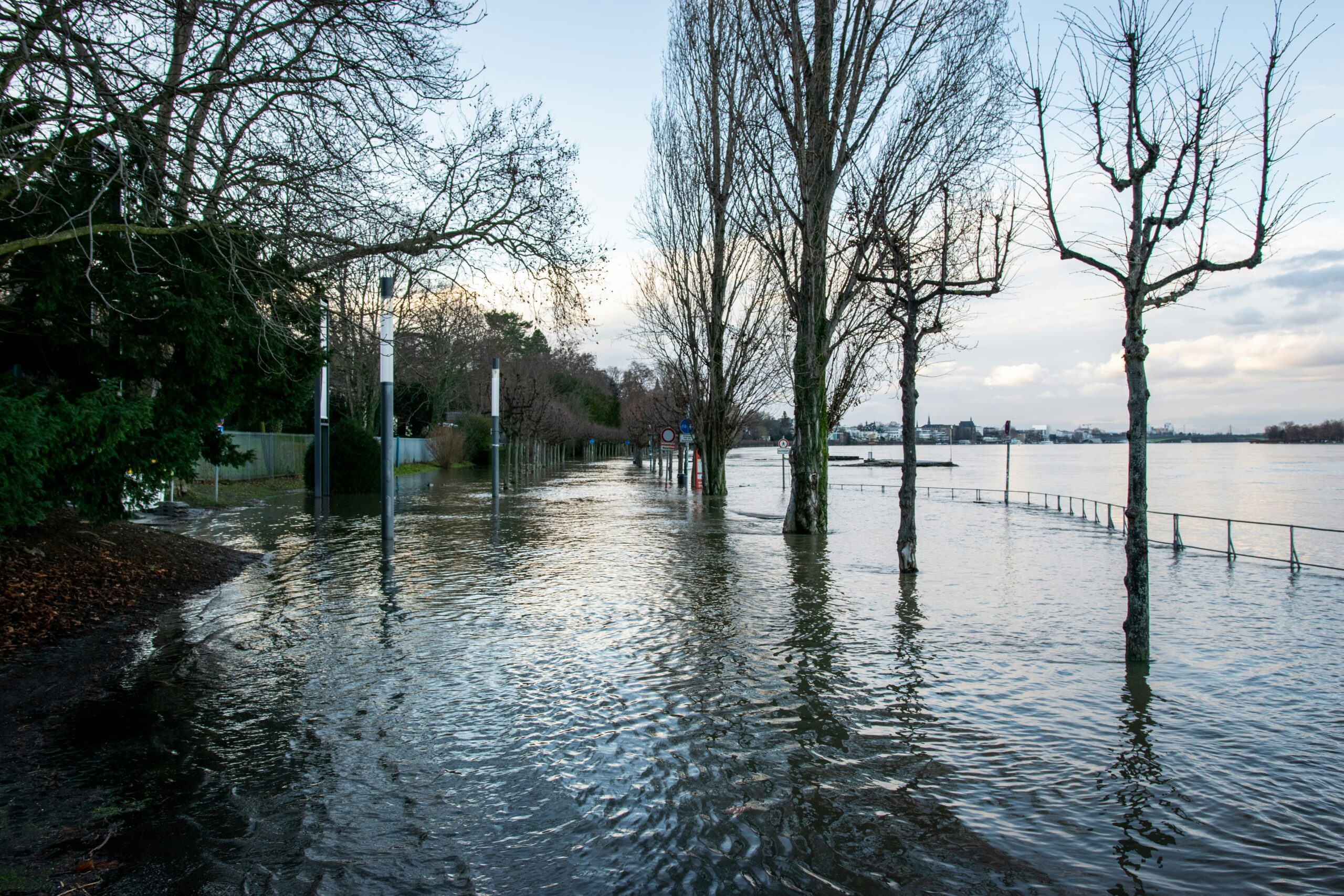
The imagery is stark, potent, and universally understood: a world consumed by water, a desperate struggle for survival, and the rebirth of humanity from a single, chosen vessel. Flood myths, ancient narratives of cataclysmic inundation and subsequent renewal, resonate across cultures and continents, appearing in remarkably similar forms from Mesopotamia and the Levant to India, China, Native American traditions, and even as far afield as Australia and the Pacific Islands. These pervasive stories have long captivated scholars, sparking debate about their origins and the “truth” they might conceal. Are these echoes of a shared human memory, remnants of actual geological events, or simply manifestations of a deeply ingrained human psychology to grapple with existential threats? Uncovering the truth behind flood myths requires a multifaceted approach, delving into historical records, geological evidence, and cross-cultural analysis to unravel the threads of these enduring tales.
The Archetype of the Deluge: A Global Phenomenon
The sheer prevalence of flood narratives is the first and most striking aspect of their study. From Noah’s Ark in the Hebrew Bible to the Epic of Gilgamesh, from the Hindu story of Manu to the Atrahasis epic, the core elements often remain strikingly consistent. A divine entity or entities, displeased with humanity’s transgressions, decide to wipe the slate clean with a massive flood. A righteous individual, forewarned of the impending disaster, is instructed to build a boat or ark to preserve life, both human and animal. This chosen one, along with their companions, survives the devastation, carrying the seeds of a new world. Upon the waters receding, they emerge, offer sacrifices, and receive blessings, initiating a new era of existence.
The Mesopotamian Connection: Gilgamesh and Atrahasis
The earliest documented flood myths emerge from ancient Mesopotamia, predating even the biblical account of Noah. The Epic of Gilgamesh, a masterpiece of ancient literature, features a lengthy flood episode narrated by the immortal Utnapishtim to the grieving hero Gilgamesh. Utnapishtim recounts how the god Ea warned him of the gods’ decision to destroy humanity and instructed him to build a great boat. Similar to Noah, Utnapishtim saved his kin, craftsmen, and all living creatures. After the flood subsided, Utnapishtim released birds to gauge the dryness of the land.
Even older than the flood narrative within Gilgamesh is the Atrahasis epic, dating back to the 18th century BCE. This epic details the gods’ frustration with humanity’s noise and abundance, leading to their decision to send plagues, famine, and ultimately, a devastating flood. The hero Atrahasis (whose name means “exceedingly wise”) is warned by the god Ea. He builds an ark, saving his family and animals, and survives the deluge. The Atrahasis epic provides valuable context, suggesting that the flood in Mesopotamian mythology was not necessarily a singular, unprecedented event but possibly part of a series of divine interventions.
Variations on a Theme: Egypt, Greece, and Beyond
While Mesopotamia offers some of the oldest textual evidence, similar themes appear elsewhere. Ancient Egyptian mythology, while not featuring a single cataclysmic flood on the scale of Noah, does possess narratives of divine punishment involving water. The myth of Sekhmet, the lioness goddess of war, who is sent by Ra to destroy humanity, is sometimes interpreted through a watery lens or as a precursor to widespread destruction. In Greek mythology, Zeus unleashes a great flood to punish the wicked humans of the third age, driven by the arrogance of the king Lycaon. Only Deucalion, the son of Prometheus, and his wife Pyrrha, forewarned by Prometheus, survive in a chest, landing on Mount Parnassus. Their subsequent act of repopulating the earth by throwing stones over their shoulders is a unique embellishment that still speaks to the theme of re-establishment after devastation.
The Global Reach: A Universal Symbolism
The presence of flood myths across such disparate geographical locations and cultural contexts strongly suggests a deeper, perhaps more universal resonance than mere coincidental storytelling. From the Aboriginal Australians’ Mangan-ba story, where a giant serpent creates a flood, to the Chinese legend of Yu the Great, who tamed monstrous floods, the theme of watery destruction and the subsequent reordering of the world is remarkably consistent. This widespread distribution hints at either a shared ancestral memory or a fundamental human psychological response to the power and potential destructiveness of water.
Flood myths are fascinating narratives found in various cultures around the world, often reflecting humanity’s struggle with natural disasters and the quest for survival. To explore more about how these myths intertwine with historical events and geographical phenomena, you can read a related article that delves into unbelievable maps and shocking discoveries that shed light on ancient civilizations and their experiences with catastrophic floods. For more information, visit this article.
The Geological Hypothesis: Echoes of Ancient Catastrophes
The sheer consistency of flood myths has naturally led some researchers to explore geological explanations. The possibility that these stories are distant, mythologized memories of actual, catastrophic flood events has been a persistent line of inquiry. The Earth’s history is replete with periods of significant geological upheaval, including glacial melt, massive dam collapses, and seismic events that could have triggered widespread flooding.
Prehistoric Floods: Evidence from the Past
Paleogeologists have identified numerous ancient flood events that could have, in theory, inspired such myths. The end of the last Ice Age, approximately 10,000 to 12,000 years ago, saw dramatic melting of vast ice sheets. This meltwater, released in colossal volumes, led to rapid and significant sea-level rise. Coastal communities, if they existed at that time, could have experienced devastating inundation. Some researchers, like Dr. Walter Pitman, have proposed that specific, localized megafloods, such as the draining of the Mediterranean Sea through the Bosporus Strait around 5500 BCE, could have been the inspiration for regional flood myths. This event would have caused a catastrophic inundation of coastal areas around the Black Sea, potentially impacting early human settlements.
The Black Sea Deluge Hypothesis
The Black Sea deluge hypothesis, in particular, has gained traction. It suggests that the Black Sea was once a freshwater lake, which was gradually inundated by saltwater from the Mediterranean. A rapid breach of the natural dam at the Bosporus Strait could have unleashed a massive, rapid flood, raising the water level by tens of meters within a short period. This event, if witnessed by early populations, could easily have been exaggerated into a global flood narrative. Archaeological evidence of submerged settlements along the Black Sea coast lends some credence to this hypothesis.
Impact Events and Tsunami Triggers
Another geological possibility involves impact events. The impact of asteroids or comets has been responsible for some of the most devastating events in Earth’s history. Such impacts can trigger massive tsunamis, capable of inundating vast landmasses and causing widespread destruction. While direct evidence linking known impact events to specific flood myths is scarce, the general concept of a sudden, catastrophic inundation remains a potent source of inspiration for ancient peoples.
The Role of Tsunamis in Collective Memory
Coastal communities are particularly vulnerable to tsunamis. A large-scale seismic event or underwater landslide can generate colossal waves that travel across oceans, causing immense devastation upon reaching shore. Even without a direct mythological link, the memory of a devastating tsunami could be amplified and transformed into a tale of a world-ending flood over generations, especially in societies that relied heavily on oral tradition.
Skepticism and Counterarguments
However, the geological hypothesis is not without its detractors. Critics point out that no single geological event perfectly matches the universal features of flood myths. While localized floods certainly occurred, the idea of a single, global inundation event that affected all the regions where these myths are found is difficult to support with geological evidence. Furthermore, some floods, like those caused by glacial melt, were gradual processes, which might not lend themselves to the sudden, apocalyptic narrative typical of flood myths. The need for a divine or semi-divine intervention to explain the survival of a select few also pushes the narrative beyond a purely scientific explanation.
The Psychological Archetype: Water as a Symbol of Chaos and Rebirth
Beyond the geological and historical considerations, flood myths also speak to the profound psychological impact of water on the human psyche. Water, in its primal form, represents both life-giving sustenance and overwhelming destruction. It can be the source of fertility, but also the agent of drowning and devastation. This dualistic nature makes it a potent symbol for exploring fundamental human anxieties and aspirations.
Water as a Symbol of Chaos and Disorder
Throughout human history, water has been synonymous with the untamed and the uncontrollable. Oceanic depths hold unknown dangers, raging rivers can sweep away settlements, and torrential rains can render the land impassable. In this sense, the flood narrative can be seen as a symbolic representation of humanity’s struggle against the chaotic forces of nature. The overwhelming power of the water symbolizes the existential threat of chaos encroaching upon the ordered world, a world that humans strive to create and maintain.
The Ark as a Microcosm of Society
The ark itself can be interpreted as a microcosm of society, a contained world designed to preserve essential elements in the face of overwhelming external forces. The meticulous instructions for its construction, the inclusion of diverse species, and the focus on family and survival all point to a symbolic preservation of social order and the continuation of life. It represents humanity’s attempt to create order and continuity within the chaos, a belief in the possibility of survival and regeneration.
Rebirth and Renewal: A Foundation for New Beginnings
The most crucial element of most flood myths is the theme of rebirth and renewal. After the destruction, a new world emerges from the lingering waters. This symbolizes humanity’s resilience, their capacity to overcome even the most catastrophic events and to build anew. The act of offering sacrifices and receiving divine blessings signifies a renewed covenant between humanity and the divine, a fresh start for a world purged of its imperfections. This offers a hopeful perspective, suggesting that even in the face of utter devastation, there is the possibility of a brighter future.
The Collective Unconscious and Jungian Archetypes
Carl Jung’s concept of the collective unconscious and archetypes offers another lens through which to view flood myths. Jung proposed that humanity shares a common reservoir of inherited, universal symbols and patterns of thought that manifest in myths, dreams, and art. The flood archetype, in this view, is a recurring symbol of transformation, purification, and the emergence of consciousness from unconsciousness. The drowning of the old world represents the dissolution of old patterns and the potential for a new, more evolved state of being.
The Cultural and Religious Significance: Shaping Societies and Beliefs
Beyond their potential historical or psychological origins, flood myths have played a significant role in shaping the cultural and religious landscapes of various societies. They have served as foundational narratives, providing moral frameworks, explanations for divine justice, and a shared sense of identity.
Moral and Ethical Frameworks
Many flood myths are deeply intertwined with moral and ethical teachings. The reason for the divine wrath is often attributed to humanity’s wickedness, disobedience, or corruption. The flood then serves as a divine punishment, underscoring the importance of righteousness and adherence to moral laws. This provides a powerful cautionary tale, reinforcing social norms and guiding communal behavior. The survival and subsequent flourishing of the righteous individual and their descendants affirm the value of virtue and ethical conduct.
The Divine Judgment and Human Responsibility
The idea of divine judgment, often manifested through the flood, highlights the concept of human responsibility for their actions. The gods in these myths are not capricious forces but often react to the perceived failings of humankind. This imbues the narratives with a sense of cosmic consequence, urging individuals and societies to act with integrity. The stories serve as a constant reminder that their choices have repercussions, both in the earthly realm and in the eyes of the divine.
Explaining the Origin of the World and Humanity’s Place
Flood myths often function as origin stories, explaining not only the end of an old world but also the beginning of a new one. They provide a framework for understanding humanity’s place in the cosmos, their relationship with the divine, and the cyclical nature of existence. The repetition of creation and destruction, often seen in these myths, can contribute to a worldview that embraces both change and continuity. They offer answers to fundamental questions about where humanity came from and what its purpose might be.
Reinforcing Social Cohesion and Identity
Shared myths and stories are powerful tools for forging collective identity and reinforcing social cohesion. Flood narratives, being so widespread and impactful, could have served to unite communities, providing them with a common heritage and a shared understanding of their origins and destiny. The emphasis on family, survival, and rebuilding after disaster can also strengthen communal bonds and foster a sense of shared purpose. These stories become part of the cultural fabric, passed down through generations and integrated into the collective consciousness.
Flood myths are fascinating narratives found in various cultures around the world, often reflecting deep-seated beliefs and historical events. These stories not only reveal the human experience of disaster and survival but also connect to broader themes in mythology and history. For those interested in exploring the geopolitical implications of ancient narratives, a related article discusses the intricate relationships between ancient empires and their mythologies. You can read more about this intriguing connection in the article on geopolitical analysis of ancient empires.
The Enduring Legacy: Why Flood Myths Continue to Captivate
Despite millennia of evolution and varying interpretations, flood myths continue to hold a powerful grip on the human imagination. Their enduring appeal lies in their ability to tap into fundamental aspects of the human experience, from our deepest fears to our most profound hopes.
The Universal Fear of Annihilation
The primal fear of annihilation, of being overwhelmed and erased, is a deeply ingrained human emotion. Flood myths, with their vivid depictions of destruction, resonate with this fear on a fundamental level. They allow us to confront this anxiety in a symbolic way, grappling with the potential for ultimate loss without experiencing it directly. The narrative provides a structured way to process the terrifying possibility of a world without us, making it less abstract and more manageable.
Confronting Existential Threats
In times of uncertainty, societal upheaval, or natural disasters, flood myths can offer a sense of perspective and resilience. They remind us that humanity has faced immense challenges throughout history and has always found a way to persevere and rebuild. They provide a narrative of hope, suggesting that even in the darkest of times, there is a possibility of a new dawn. These stories serve as a testament to the indomitable spirit of humanity.
The Hope of Renewal and a Fresh Start
Perhaps the most compelling aspect of flood myths is their inherent message of hope and renewal. The destruction is not an end in itself, but a purification, a clearing of the slate for a new beginning. This speaks to humanity’s inherent optimism and our unyielding belief in the possibility of a better future. The ark, carrying the seeds of life, represents the enduring potential for growth and regeneration, even after the most devastating loss.
The Enduring Human Quest for Meaning
Ultimately, flood myths are a testament to the enduring human quest for meaning. They are narratives that attempt to explain the inexplicable, to find order in chaos, and to understand our place in the vast and often mysterious universe. They are stories that reflect our deepest desires for survival, our innate capacity for resilience, and our unwavering hope for a fresh start, ensuring their place in the tapestry of human tradition for generations to come.

When the Ice Age Ended… Everything Changed
FAQs

What are flood myths?
Flood myths are stories found in many cultures and religions around the world that describe a great flood that destroys the earth and its inhabitants. These myths often include a hero figure who survives the flood and helps to repopulate the earth.
What are some famous flood myths?
Some of the most famous flood myths include the story of Noah’s Ark in the Bible, the Mesopotamian Epic of Gilgamesh, the Hindu story of Manu, and the Greek myth of Deucalion and Pyrrha.
Why do flood myths appear in so many different cultures?
Flood myths are thought to be a result of shared human experiences with natural disasters, particularly floods, which have been common throughout history. These myths may also serve as cautionary tales or explanations for the natural world.
Are there any scientific explanations for flood myths?
Some researchers believe that certain flood myths may have been inspired by real-life catastrophic floods, such as the flooding of the Black Sea around 5600 BCE. However, the widespread nature of flood myths suggests that they are more likely a result of cultural and psychological factors.
What is the significance of flood myths in different cultures?
Flood myths often carry moral, religious, and cultural significance for the societies that tell them. They can serve as warnings about the consequences of human behavior, as well as provide explanations for the origins of the world and the relationship between humans and the divine.