
Uncovering the Truth: Forensic Investigation of the Franklin Expedition
For over a century, the fate of Sir John Franklin’s Arctic expedition, which set sail in 1845 with the ambitious goal of discovering the Northwest Passage, remained one of history’s most enduring mysteries. The ships HMS Erebus and HMS Terror, along with their 129 crew members, vanished without a trace, leaving behind a chilling silence and countless unanswered questions. For decades, explorers, historians, and amateur sleuths alike grappled with the scant evidence, piecing together fragments of Inuit testimony and the occasional discovered artifact. It wasn’t until the late 20th and early 21st centuries that a new, powerful tool began to unlock the secrets of the lost expedition: forensic investigation. This scientific discipline, armed with the ability to analyze human remains, analyze material evidence at an unprecedented level, and reconstruct events with scientific rigor, has finally begun to shed light on the tragic end of Franklin and his men.
The initial disappearance of the Franklin Expedition sparked immediate concern. When no word was received by the autumn of 1846, rescue missions were dispatched, but they found no sign of the ships. The vastness and unforgiving nature of the Arctic landscape acted as a formidable barrier to any easy discovery. Early explanations for the expedition’s demise were largely speculative, drawing from limited reports and the general understanding of Arctic dangers at the time.
The Perils of the Arctic: Ice, Starvation, and Scurvy
The most prevalent early theories focused on the inherent dangers of the Arctic environment. It was widely believed that the ships became trapped in the ice, a common hazard for Arctic explorers. This immobilization, it was theorized, would have led to prolonged hardship.
Becoming Ice-Bound: The Foremost Hazard
The immense power of Arctic sea ice was a well-documented phenomenon. The possibility of Erebus and Terror being crushed or irrevocably frozen into the ice was a plausible and widely accepted scenario. Early rescue efforts often searched for signs of shipwreck or abandoned vessels locked in the ice.
The Specter of Starvation: Depleted Provisions
Even if the ships remained afloat, the isolation and inability to resupply would have inevitably led to the depletion of provisions. Accounts from survivors of other Arctic expeditions often detailed the agonizing effects of starvation, and it was natural to assume that Franklin’s crew would have suffered a similar fate.
The Scourge of Scurvy: Vitamin C Deficiency
Scurvy, a debilitating disease caused by a lack of vitamin C, was a notorious scourge of long sea voyages before the advent of effective preventative measures. It was widely assumed that the crew, deprived of fresh fruits and vegetables, would have succumbed to this illness, weakening them and contributing to their demise.
Inuit Testimony: Whispers from the North
Crucially, the indigenous Inuit people of the Arctic had observed and interacted with members of the Franklin expedition, or at least encountered evidence of their presence. Their oral histories, passed down through generations, provided the first real clues, albeit fragmented and often difficult to interpret for outsiders. These accounts spoke of starving white men, cannibalism, and the discovery of graves.
The Vague Accounts of Stragglers
Inuit narratives often described encountering desperate individuals or small groups of European men far from their ships. These descriptions painted a picture of extreme hardship and desperation, hinting at a catastrophic failure of the expedition.
The Discovery of Remains: The First Tangible Clues
Over the years, scattered human remains and artifacts were found on King William Island and surrounding areas, often by Inuit hunters. These discoveries, while tantalizing, lacked the context and scientific analysis to provide definitive answers. They were pieces of a puzzle without a clear image to guide their placement.
The forensic investigation of the Franklin Expedition has provided valuable insights into the challenges faced by explorers in the Arctic, shedding light on the broader themes of survival and failure in extreme conditions. This topic resonates with the analysis of ancient civilizations and their downfalls, which can be explored in detail in the article titled “The Downfall of Ancient Civilizations: Causes of Failure.” For those interested in understanding the factors that contribute to the collapse of societies, this article offers a compelling perspective. You can read it here: The Downfall of Ancient Civilizations: Causes of Failure.
The Dawn of Modern Forensics: Bringing Science to the Arctic Mystery
The 20th century witnessed significant advancements in forensic science. The ability to analyze DNA, isotopes, and the chemical composition of materials began to revolutionize our understanding of past events. It was this evolution that would eventually offer the tools necessary to move beyond speculation and towards empirical evidence in the case of the Franklin Expedition. The late 1980s and early 2000s marked a turning point, with coordinated archaeological and forensic investigations that dramatically altered our understanding of the expedition’s fate.
The Ice-Bound Legacy: Rediscovering the Ships
A monumental breakthrough came in 2014 with the discovery of the wreck of HMS Erebus in the waters of Victoria Strait, followed by the discovery of HMS Terror in 2016. These remarkably preserved ships, resting on the seabed, provided an unparalleled treasure trove of artifacts and the potential for further forensic analysis.
The ‘Tomb of the Arctic’: Underwater Archaeology
The underwater environments where the ships lay were, in many ways, natural preservation chambers. The frigid temperatures and lack of oxygen minimized decomposition, allowing for the preservation of organic materials that would have long since vanished on land.
A Glimpse into Daily Life: Recovered Artifacts
The artifacts recovered from the wrecks – clothing, tools, personal effects, scientific instruments, and even the remains of the ships themselves – offered a direct window into the lives of the crew and the final days of the expedition. Each item told a story, waiting to be deciphered by scientific analysis.
Analyzing the Evidence: The Power of Forensic Science
The human remains and artifacts recovered from both the land and sea began to yield their secrets through the application of sophisticated forensic techniques. This scientific scrutiny allowed researchers to move beyond mere conjecture and establish concrete facts.
The Silent Witnesses: Human Remains and Their Stories
The discovery of skeletal remains, particularly on King William Island, provided the most direct evidence of the crew’s fate. Forensic anthropologists and archaeologists meticulously examined these remains, revealing crucial details about their lives and deaths.
Unraveling Identity: DNA Analysis and the Search for Kin
Perhaps the most significant advancement was the application of DNA analysis. By comparing DNA from the skeletal remains with that of descendants of the Franklin Expedition crew, researchers have been able to positively identify individuals, providing a personal connection to the lost sailors. This process has also helped to confirm that the remains indeed belonged to members of Franklin’s crew, solidifying the link between the scattered bones and the vanished ships.
The Scars of Hardship: Evidence of Injury and Disease
Skeletal analysis can reveal evidence of past injuries, diseases, and nutritional deficiencies. These findings paint a grim picture of the crew’s final years, showcasing the physical toll of their ordeal. Evidence of bone fractures, signs of chronic illness, and the characteristic changes associated with scurvy and starvation have been meticulously documented.
The Grim Reality of Cannibalism: Macroscopic and Microscopic Evidence
Perhaps the most harrowing revelation from the forensic analysis of the human remains has been the undeniable evidence of cannibalism. Macroscopic examination of bones revealed cut marks consistent with butchery, while microscopic analysis and DNA testing of blood residue on artifacts have further corroborated these grim findings. This evidence tragically confirms the Inuit testimonies of desperate measures taken in the face of extreme starvation.
The Secrets of the Ship: Material Science and Environmental Clues
The analysis of artifacts and the wrecks themselves has provided further insights into the expedition’s final journey and the causes of its demise.
Lead Poisoning: A Silent Killer in the Provisions
One of the most significant discoveries was the presence of high levels of lead in the canned food stores recovered from the wrecks, as well as in the skeletal remains of the crew. Lead poisoning, a slow and insidious killer, can cause a wide range of debilitating symptoms, including confusion, weakness, and paralysis, which could have severely impaired the crew’s judgment and ability to survive. The investigation focused on the solder used in the canning process, which contained significant amounts of lead.
The Food Supply: A Critical Weakness
Forensic analysis of the preserved food provisions revealed the extent to which the crew relied on canned goods. The high lead content of these cans, combined with the potential for botulism from poorly preserved food, points to a critical flaw in the expedition’s provisioning strategy. The expedition’s reliance on a limited and potentially contaminated food source proved to be a significant contributing factor to their eventual demise.
Wear and Tear: Evidence of Arctic Trauma
The condition of the recovered artifacts and the wrecks themselves offers clues about the challenges the ships faced. Damage consistent with ice pressure, extensive repairs made to the vessels, and the state of their rigging all point to a prolonged struggle against the unforgiving Arctic environment.
Reconstructing the Final Years: A Timeline of Tragedy

Forensic evidence, combined with historical accounts, has allowed researchers to construct a more detailed, albeit tragic, timeline of the Franklin Expedition’s final years. The scientific discoveries have moved the narrative from one of simple disappearance to a complex story of endurance, starvation, disease, and desperate measures.
The forensic investigation of the Franklin Expedition has captivated historians and archaeologists alike, shedding light on the mysterious fate of the lost ships and their crew. Recent studies have utilized advanced techniques to analyze artifacts recovered from the Arctic, revealing insights into the harsh conditions faced by the explorers. For those interested in the intersection of archaeology and forensic science, a related article discusses another intriguing case of discovery and its implications, which can be found here. This exploration not only highlights the challenges of uncovering the past but also emphasizes the importance of careful investigation in understanding historical events.
The Ice-Locked Trap: The Initial Peril
The expedition’s fate was likely sealed in 1846 when HMS Erebus and HMS Terror became trapped in the ice of Victoria Strait. This event marked the beginning of their prolonged isolation and the start of their desperate struggle for survival.
The Long Winter of 1846-1847: Hopes Diminish
The first winter in the ice proved to be a turning point. Evidence suggests that the crew suffered significant losses from scurvy and starvation during this period, weakening them and diminishing their chances of escape. The discovery of graves from this period on Beechey Island, predating the main disaster, highlights the early hardships.
The Abandonment of the Ships: A Desperate Gamble
By the spring of 1848, with no sign of the ice breaking, the remaining crew made the fateful decision to abandon the ships. They set out on foot across the ice in an attempt to reach the mainland and find rescue, a journey that proved to be too arduous and ultimately futile.
The March to Nowhere: The Exodus Across the Ice
The overland journey was a desperate gamble, fraught with unimaginable hardship. The forensic evidence paints a stark picture of their suffering and the grim choices they were forced to make.
The Scattered Remains: Tracing Their Final Steps
The distribution of human remains and artifacts across King William Island provides a chilling map of the crew’s final desperate journey. The discovery of graves and scattered bones along presumed routes of travel helps to reconstruct their movements and the sheer scale of their suffering.
The Grim Evidence of Survival: Cannibalism as a Last Resort
The overwhelming evidence of cannibalism among the remains is a testament to the extreme desperation faced by the crew. It underscores the complete collapse of their food supplies and the agonizing decision to resort to such measures in a desperate attempt to survive.
The Legacy of Franklin: Lessons Learned and Future Research

The forensic investigation of the Franklin Expedition has not only solved one of history’s greatest maritime mysteries but has also provided invaluable lessons for future exploration and our understanding of human resilience in the face of extreme adversity.
The Importance of Scientific Rigor: Beyond Speculation
The Franklin case stands as a powerful testament to the transformative power of scientific investigation. The application of modern forensic techniques has moved us from a realm of speculation and folklore to one of verifiable fact, demonstrating the importance of evidence-based analysis in historical research.
Advancements in Arctic Survival and Technology
The tragic fate of the Franklin Expedition served as a stark warning and spurred significant advancements in Arctic exploration strategies, including improved provisioning, more robust ship designs, and a greater reliance on Inuit knowledge. The lessons learned from their failure informed subsequent expeditions, leading to greater success rates in navigating the treacherous Arctic.
The Ethical Considerations of Forensic Anthropology
The examination of human remains, particularly those of individuals who suffered such a tragic end, raises important ethical considerations. The forensic investigations have been conducted with a profound respect for the deceased, aiming to provide answers and closure while honoring their memory.
Ongoing Research and the Unfolding Narrative
Despite the significant discoveries, the story of the Franklin Expedition is not yet fully told. Ongoing archaeological work, coupled with advancements in forensic technology, promises to reveal even more about the lives and deaths of these brave but ill-fated explorers.
The Potential of HMS Terror: A Sleeping Giant of Evidence
The wreck of HMS Terror, lying in a remarkably preserved state in Terror Bay, represents a vast and largely unexplored archive of information. Future dives and investigations are expected to yield further artifacts and insights into the expedition’s final days.
New Technologies, New Answers: The Future of Forensic Exploration
As forensic science continues to evolve, new technologies will undoubtedly emerge, offering even more sophisticated ways to analyze evidence. The application of advanced imaging techniques, more sensitive DNA analysis, and isotopic analysis hold the promise of answering the remaining questions surrounding the Franklin Expedition and providing an even more complete picture of their extraordinary and tragic journey. The story of Sir John Franklin and his crew, once lost to the icy depths, is finally being pieced back together, thanks to the relentless pursuit of truth through the lens of forensic science.
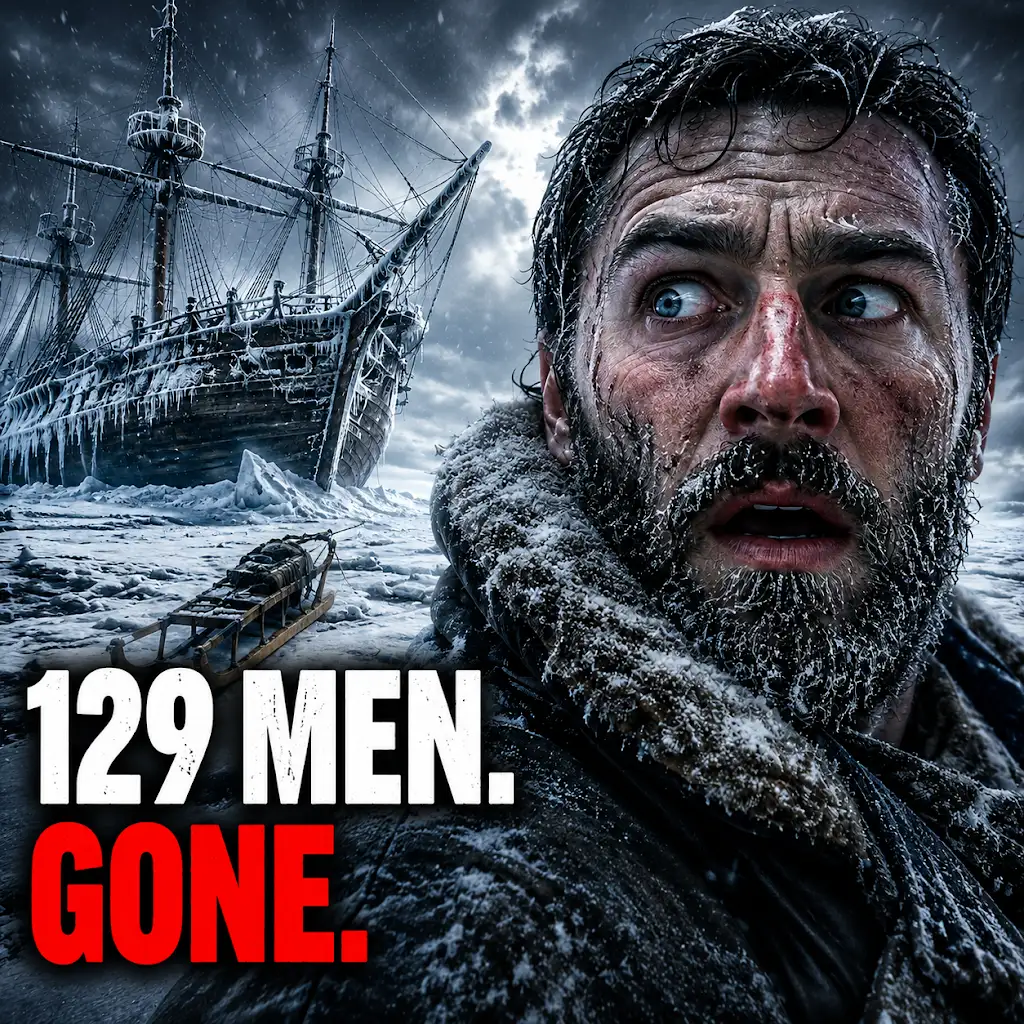
129 Men Vanished in the Arctic. Then We Found Their Ships.
FAQs
What was the Franklin Expedition?
The Franklin Expedition was a British voyage led by Captain Sir John Franklin in 1845 to find the Northwest Passage. The expedition’s two ships, HMS Erebus and HMS Terror, disappeared in the Arctic and the fate of the crew remained a mystery for over 150 years.
What is forensic investigation in relation to the Franklin Expedition?
Forensic investigation in relation to the Franklin Expedition involves the scientific analysis of physical evidence, such as artifacts, human remains, and shipwrecks, to uncover the truth about the fate of the expedition and its crew.
What have forensic investigations revealed about the Franklin Expedition?
Forensic investigations have revealed important details about the fate of the Franklin Expedition, including evidence of lead poisoning, botulism, and scurvy among the crew, as well as the locations of the sunken ships, HMS Erebus and HMS Terror.
How do forensic investigators analyze artifacts from the Franklin Expedition?
Forensic investigators analyze artifacts from the Franklin Expedition using a variety of scientific techniques, such as DNA analysis, radiocarbon dating, and chemical analysis, to determine the age, origin, and condition of the artifacts.
What are the implications of forensic investigations for understanding the Franklin Expedition?
Forensic investigations have provided valuable insights into the circumstances surrounding the Franklin Expedition, shedding light on the challenges faced by the crew, the conditions of the ships, and the impact of lead poisoning and other diseases on the expedition’s outcome.