Uncovering the Truth: Franklin Expedition Forensic Archaeology
The chilling enigma of Sir John Franklin’s lost Arctic expedition has long captivated the public imagination and the scientific community alike. For over a century and a half, the fate of the two ships, HMS Erebus and HMS Terror, and their 129 crew members, who vanished in 1845 while searching for the Northwest Passage, remained one of history’s most profound maritime mysteries. While early rescue attempts and subsequent searches yielded tantalizing clues, the definitive answers about what befell the expedition were elusive. It was not until the advent of modern forensic archaeology and the application of cutting-edge scientific techniques that a more concrete and often grim picture of the final days of Franklin and his men began to emerge from the frozen north. This article delves into the remarkable journey of forensic archaeology in piecing together the truth behind the Franklin Expedition, from the discovery of the ships to the analysis of human remains and artifacts, illuminating the challenges faced and the profound insights gained.
The disappearance of Franklin’s expedition ignited a fierce and prolonged search effort. Driven by a combination of humanitarian concern and national pride, expeditions from Britain, the United States, and even private citizens scoured the Arctic, driven by a desperate hope of finding survivors. These early endeavors, though often fraught with peril and limited by the technology of their time, laid the groundwork for future investigations. They located debris, burial sites, and oral traditions from Inuit communities that hinted at the ships’ final resting places and the tragic fate of the crews.
Early Clues and Inuit Testimony
The first significant breakthroughs came not from formal expeditions, but from the indigenous Inuit people who inhabited the Arctic. Their accounts, often dismissed or misunderstood by early European investigators, proved to be remarkably prescient. Through intermediaries, Inuit hunters shared stories of seeing large ships trapped in the ice, of starving European sailors, and of men resorting to cannibalism. While details varied, the consistent thread of a catastrophic end to the expedition was undeniable. These oral histories, gathered over decades, provided crucial geographical pointers and hinted at the extreme hardship faced by the crew.
The Lady Franklin and Victorian Enthusiasm
Lady Jane Franklin, Sir John’s determined wife, became a tireless advocate for renewed search efforts. Her unwavering commitment and financial contributions funded numerous expeditions, keeping the mystery of the Franklin Expedition in the public consciousness. This Victorian-era fascination with exploration and discovery fueled a desire to solve the puzzle, driving further investment in search initiatives. While these efforts often focused on finding survivors or retrieving logs, they inadvertently recovered fragments of the ships and personal belongings, providing the first tangible links to the lost crews.
The Dawn of Modern Maritime Archaeology
The late 20th and early 21st centuries witnessed a paradigm shift in the approach to uncovering historical shipwrecks. Advances in sonar technology, remotely operated vehicles (ROVs), and underwater archaeology techniques transformed the ability to locate and investigate submerged sites. This technological revolution was instrumental in finally bringing the long-lost ships of the Franklin Expedition to light, ushering in a new era of forensic investigation.
The Franklin Expedition, a tragic maritime venture in the Arctic, has garnered significant attention in recent years, particularly through the lens of forensic archaeology. Researchers have employed advanced techniques to uncover the mysteries surrounding the fate of the crew and their ships, revealing insights into their survival strategies and the harsh conditions they faced. For those interested in exploring related topics, an intriguing article on international trade dynamics can be found here: Mexico Surpasses China as Top Trading Partner. While not directly related to the expedition, it provides a fascinating perspective on global interactions that can be paralleled with historical explorations like that of the Franklin Expedition.
The Groundbreaking Discovery of HMS Erebus and HMS Terror
The true turning point in unraveling the Franklin Expedition’s fate arrived with the astonishing discovery of the wrecks of HMS Erebus and HMS Terror. This monumental achievement was the culmination of years of dedicated research, advanced technology, and a keen understanding of historical records and Inuit testimony. The location of these vessels, preserved for over 170 years in the frigid Arctic waters, provided an unprecedented opportunity for forensic investigation.
The Parks Canada Initiative
The Government of Canada, through Parks Canada, spearheaded the most ambitious and systematic search for the Franklin Expedition. Recognizing the historical and cultural significance of the lost ships, Parks Canada launched a multi-year initiative that combined historical research, traditional knowledge, and cutting-edge marine technology. This comprehensive approach was crucial to navigating the vast and challenging Arctic environment.
Technological Marvels in the Arctic
The search employed state-of-the-art equipment. Advanced sonar systems, capable of penetrating the murky Arctic waters and mapping the seabed with remarkable detail, were deployed from icebreakers. Helicopters provided aerial reconnaissance, and highly sophisticated ROVs, equipped with high-definition cameras and sampling tools, were deployed to explore identified targets. This technological arsenal allowed researchers to “see” what had been hidden for centuries beneath the ice and water.
The Breakthrough Moment: 2014 and 2016
In 2014, after years of meticulous searching, the breakthrough arrived. A Parks Canada-led expedition announced the discovery of HMS Erebus, found remarkably well-preserved in a shallow bay in Nunavut’s King William Island. The discovery was hailed as one of the most significant maritime archaeological finds of the century. Two years later, in 2016, the sister ship, HMS Terror, was located, also in excellent condition, in a deep bay off Nunavut’s Victoria Island. The locations of the wrecks aligned remarkably with oral accounts provided by Inuit elders.
The Significance of Ship Preservation
The extraordinary preservation of the wrecks was due to the unique Arctic environment. The extremely cold, low-salinity waters and the insulating layer of ice acted as natural conservators, protecting the wooden hulls and their contents from decay. This exceptional preservation allowed for detailed examination of the ships’ structure, their equipment, and even organic materials, providing invaluable insights into the expedition’s final months.
Forensic Analysis of Artifacts: A Window into Daily Life and Death

The discovery of the wrecks opened a veritable treasure trove of artifacts. These objects, meticulously cataloged and analyzed using forensic techniques, offered direct evidence of the crew’s daily lives, their technological capabilities, and the circumstances surrounding their demise. Every item, from personal effects to ship’s provisions, told a part of the tragic story.
Personal Belongings and the Human Element
Among the recovered artifacts were personal items such as tin cans, cutlery, buttons, and even fragments of clothing. Forensic analysis of these objects provided insights into the sailors’ diets, their living conditions, and their attempts to maintain some semblance of normalcy. For example, the analysis of tin cans revealed the presence of lead, which may have contributed to lead poisoning, a potential factor in the expedition’s demise.
Tools of Trade and Scientific Endeavors
The ships’ scientific instruments, navigational tools, and whaling equipment were also recovered. Their condition and placement within the wrecks offered clues about the crew’s activities in their final days. The presence of particular scientific apparatus indicated the ongoing pursuit of the Northwest Passage even as their situation grew dire.
Evidence of Resourcefulness and Desperation
Artifacts also spoke to the crew’s resourcefulness and, ultimately, their desperation. Items were found that indicated attempts to repair or repurpose equipment, as well as signs of scavenging for food. The presence of carefully stacked items in the ships’ holds suggested an organized attempt to survive, while other scattered objects pointed to a more chaotic final chapter.
The Unveiling of Diet and Health
Detailed analysis of remaining food stores and organic materials provided crucial information about the expedition’s diet. The presence of scurvy, evidenced by the lack of fresh provisions and vitamin C, was confirmed through the examination of preserved food items and the bones of those who perished. This helped explain the debilitating illness that likely weakened the crew.
The Grim Realities: Forensic Anthropology and Human Remains
Perhaps the most poignant and revealing aspect of the Franklin Expedition’s forensic archaeology has been the study of the human remains. Discovered at various locations across the Arctic, these skeletal remains, when subjected to rigorous forensic analysis, have provided the most direct and often harrowing evidence of the crew’s suffering and ultimate fate.
Discovery Sites and Their Significance
Human remains were found at several key locations, including King William Island, Beechey Island, and along the coasts of the Boothia Peninsula. Each discovery site offered a different piece of the puzzle, indicating movements and potential survival strategies of the crew after abandoning the ships. The locations themselves suggested attempts to travel south in search of rescue.
Skeletal Evidence of Starvation and Disease
Forensic anthropologists meticulously examined the bones for signs of malnutrition, disease, and injury. Evidence of porotic hyperostosis (a sign of anemia), osteomalacia (softening of the bones due to vitamin D deficiency), and muscle wasting was clearly visible. These skeletal markers painted a grim picture of prolonged starvation and the devastating effects of diseases like scurvy and tuberculosis.
The Horrors of Lead Poisoning
One of the most significant findings from the skeletal analysis was the widespread evidence of lead poisoning. Lead was present in the soldiers’ canned rations, their drinking water (which may have leached from lead-soldered pipes), and possibly even in their medical treatments. High levels of lead can cause neurological damage, cognitive impairment, and physical weakness, further contributing to the expedition’s downfall. The analysis of hair and bone samples provided irrefutable evidence of elevated lead levels.
Tracing Ancestry and Identity
Modern DNA analysis has allowed for the identification of some of the crew members whose remains were recovered. By comparing DNA samples from the skeletal remains with historical records and known descendants, researchers have been able to put names to some of the lost sailors. This has added a deeply personal dimension to the scientific investigation, connecting the past to the present.
The Indisputable Evidence of Cannibalism
Perhaps the most disturbing, yet undeniably documented, aspect of the crew’s fate is the evidence of cannibalism. Skeletal remains displayed cut marks consistent with butchery, as well as the characteristic signs of bone marrow extraction. This grim discovery, supported by earlier Inuit testimony, provided the starkest indication of the extreme desperation faced by the surviving crew members as they resorted to the ultimate taboo to prolong their lives.
The Franklin Expedition has long captivated historians and archaeologists alike, particularly with the advancements in forensic archaeology that have shed light on this mysterious voyage. Recent studies have revealed intriguing insights into the crew’s struggles for survival, emphasizing the importance of modern techniques in uncovering the past. For those interested in understanding how manipulation and control can play a role in historical narratives, a related article explores these themes in depth. You can read more about it in this insightful piece on manipulative tactics that resonate with the challenges faced by the Franklin Expedition crew.
Reconstructing the Final Days: The Narrative of Collapse
| Location | Year | Discovery |
|---|---|---|
| King William Island, Canada | 2014 | HMS Erebus wreck found |
| King William Island, Canada | 2016 | HMS Terror wreck found |
| King William Island, Canada | 2019 | Remains of crew members discovered |
Through the meticulous work of forensic archaeologists and scientists, a chilling narrative of the Franklin Expedition’s final days has begun to coalesce. The discovery of the ships, the analysis of countless artifacts, and the study of human remains have allowed for the reconstruction of a sequence of events, painting a grim picture of a well-intentioned voyage that succumbed to the unforgiving forces of the Arctic.
The Inevitable Trapping in Ice
The expedition’s primary undoing was its entrapment in the Arctic ice. While the ships were designed to withstand ice pressure, the prolonged winter and the sheer scale of the ice floes proved insurmountable. Evidence from the wrecks, such as the positioning of the ships and the state of their sails, suggests they were trapped relatively early in their journey, significantly altering their planned route and timeline.
The Slow Decay of Health and Morale
As months turned into years, the crew faced a relentless onslaught of challenges. Scurvy, exacerbated by a lack of fresh provisions and potentially lead poisoning, debilitated the sailors. The isolation, the extreme cold, and the dwindling hope took a heavy toll on morale. The forensic evidence of starvation and disease provides a stark depiction of this gradual decline.
Abandonment and Desperate Journeys
The decision to abandon the ships was likely a last resort. Forensic evidence suggests that the crew attempted to march south, in search of rescue or a way to escape the frozen north. The scattered remains and artifacts found along the shores of King William Island indicate arduous journeys under extreme conditions.
The Unanswered Questions and Future Research
While forensic archaeology has provided groundbreaking answers, some questions about the Franklin Expedition remain. The exact sequence of events leading to the abandonment of the ships, the precise fate of all the crew members, and the details of their survival attempts continue to be subjects of ongoing research. Future investigations, utilizing advancements in archaeological and scientific techniques, will undoubtedly continue to shed further light on this enduring historical mystery. The ongoing analysis of new discoveries and the refinement of existing data promise to deepen our understanding of this tragic chapter in Arctic exploration.
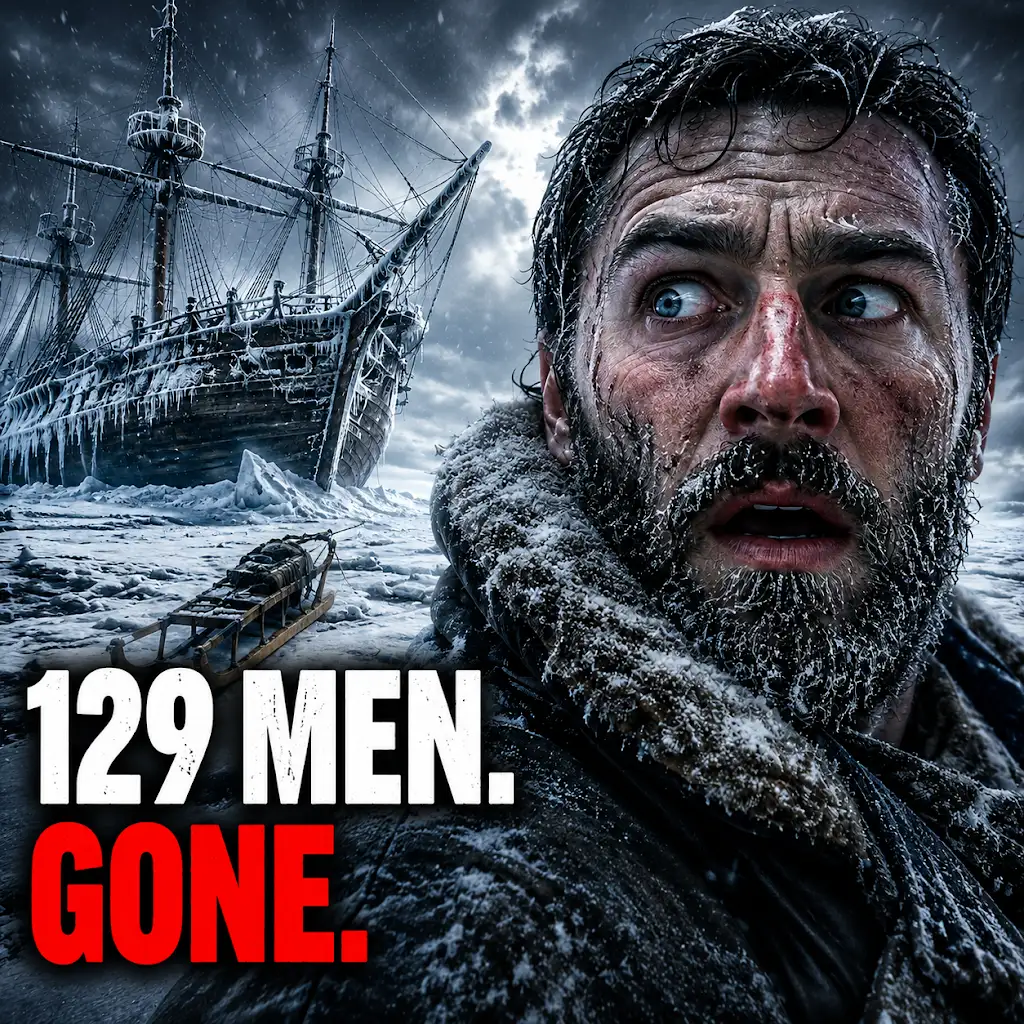
129 Men Vanished in the Arctic. Then We Found Their Ships.
FAQs
What is the Franklin Expedition?
The Franklin Expedition was a British voyage led by Captain Sir John Franklin in 1845 to find the Northwest Passage. The expedition’s two ships, HMS Erebus and HMS Terror, became trapped in ice and the entire crew perished.
What is forensic archaeology?
Forensic archaeology is the application of archaeological methods and techniques to the investigation of crimes and other legal issues. It involves the recovery and analysis of material evidence to establish facts and support legal proceedings.
How is forensic archaeology being used in the Franklin Expedition investigation?
Forensic archaeology is being used to study the remains of the Franklin Expedition crew and their belongings. This includes analyzing skeletal remains, personal effects, and the ships themselves to gain insight into the circumstances of the crew’s demise.
What have forensic archaeologists discovered about the Franklin Expedition so far?
Forensic archaeologists have discovered evidence of lead poisoning, likely from the crew’s canned food, as well as signs of scurvy and tuberculosis. They have also found artifacts and personal items that provide clues about the crew’s activities and conditions on the ships.
What are the goals of the forensic archaeology investigation into the Franklin Expedition?
The goals of the forensic archaeology investigation are to better understand the fate of the Franklin Expedition crew, including how they lived and died, and to shed light on the broader historical and scientific significance of the expedition. This information can also help to honor the memory of the crew and their contributions to exploration.