Uncovering the Truth: Historical Records and DNA Evidence
The pursuit of truth, especially concerning our past and lineage, has long been a cornerstone of human endeavor. For centuries, historians have meticulously pieced together narratives from fragmented documents, archaeological finds, and oral traditions. Yet, a relatively new and remarkably powerful tool has emerged, revolutionizing our understanding of history and personal heritage: DNA evidence. The convergence of robust historical research and cutting-edge genetic analysis offers an unparalleled opportunity to uncover truths previously hidden or misrepresented, shedding light on ancient migrations, the veracity of historical accounts, and the intricate tapestry of human ancestry. This article delves into the profound impact of this interdisciplinary approach, exploring how historical records and DNA evidence work in tandem to illuminate the past, correct misconceptions, and forge deeper connections to our heritage.
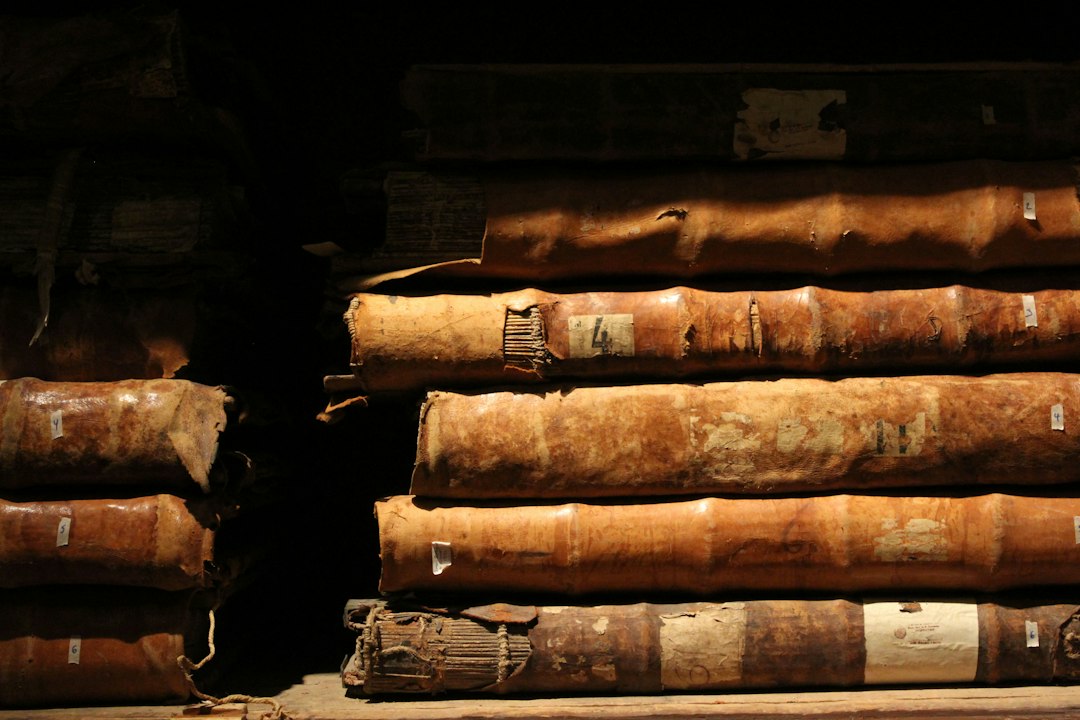
For millennia, written records served as the primary, and often only, repository of historical information. From clay tablets inscribed with cuneiform to meticulously penned manuscripts, these documents have provided invaluable insights into the lives, societies, and events of bygone eras. The dedicated work of archivists, paleographers, and historians has been instrumental in deciphering, preserving, and interpreting these often-fragile artifacts, allowing us to reconstruct narratives, understand motivations, and contextualize historical developments.
Ancient Chronicles and Royal Archives
The foundational elements of historical understanding often lie within ancient chronicles and the official archives of ruling dynasties. These records, whether detailing dynastic successions, military campaigns, or administrative decrees, offer a glimpse into the prevailing power structures and the worldview of their creators. For example, the meticulous records kept by the Roman Empire, detailing its vast administrative system and military expeditions, provide a rich source for understanding its rise and eventual decline. Similarly, the annals of Chinese dynasties, such as the _Records of the Grand Historian_ by Sima Qian, offer extensive narratives that have shaped our understanding of East Asian history for centuries.
The Challenges of Interpretation
Despite their immense value, written records are not always straightforward. Scribes were influenced by their patrons, societal biases, and the limitations of their knowledge. This means that historical accounts can be selective, propaganda-laden, or simply inaccurate due to incomplete information. Deciphering the true intent behind a text, accounting for linguistic evolution, and identifying potential embellishments are crucial skills for historians.
Personal Accounts and Epistolary Evidence
Beyond official pronouncements, personal accounts, diaries, and letters offer a more intimate window into the past. These documents often reveal the daily lives, emotional landscapes, and personal perspectives of individuals, providing a human dimension to grand historical events. The correspondence of prominent figures like Cicero or the diaries of ordinary citizens can offer unique insights into social customs, economic conditions, and the impact of major historical shifts on individuals.
Revealing the Nuances of Everyday Life
These personal records are invaluable for understanding the lived experiences of people from different social strata. They can highlight the challenges faced by commoners, the aspirations of aspiring merchants, or the domestic realities of aristocratic families. Such evidence helps to move beyond a top-down view of history and embrace a more nuanced and multi-faceted understanding of past societies.
Recent advancements in the field of historical research have highlighted the significance of combining historical records with DNA evidence to uncover the mysteries of the past. For instance, an intriguing article titled “The Silent Plague: Ancient Microbial Bloom” explores how ancient DNA analysis has provided insights into historical pandemics and their impacts on societies. This intersection of genetics and history not only enhances our understanding of disease spread but also sheds light on the social and cultural dynamics of ancient civilizations. To read more about this fascinating topic, visit The Silent Plague: Ancient Microbial Bloom.
The Scientific Revolution in Genealogy: DNA Evidence
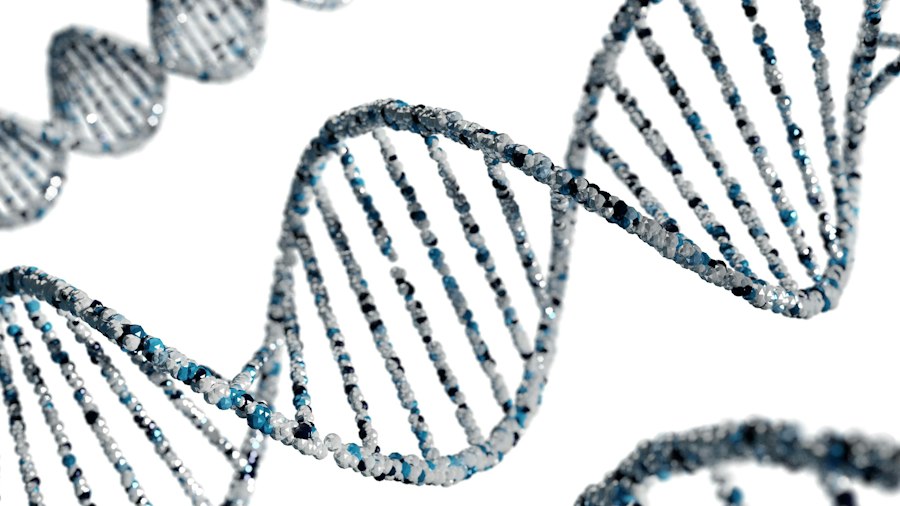
While historical records paint a picture of the past, DNA evidence provides a direct, biological connection to our ancestors. The advent of DNA sequencing technology has revolutionized genealogy, moving beyond educated guesswork and family folklore to provide concrete answers about lineage, migration patterns, and even the genetic predispositions of our forebears. This scientific approach offers a powerful complement to traditional historical research, often confirming or challenging long-held assumptions.
Autosomal DNA: Tracing the Family Tree
Autosomal DNA testing, the most common form of consumer genetic genealogy, analyzes DNA inherited from all 22 pairs of autosomal chromosomes. This type of testing provides a comprehensive view of a person’s ancestry, typically going back several generations. By comparing an individual’s autosomal DNA with a vast database of reference populations, testing companies can estimate the percentage of ancestry from various ethnic and geographic groups.
Unraveling Complex Family Histories
Autosomal DNA is particularly adept at untangling complex family histories, revealing distant relatives, and identifying ancestral origins that may not be evident in traditional genealogical research. It can confirm suspected relationships, debunk family myths, and even uncover previously unknown branches of the family tree.
Y-DNA and Mitochondrial DNA: Following Specific Lines
Y-DNA testing, which analyzes the Y chromosome passed down from father to son, is useful for tracing paternal lineage over many generations. Similarly, mitochondrial DNA (mtDNA) testing examines DNA within the mitochondria, which is inherited from the mother. Both Y-DNA and mtDNA provide insights into ancient migration routes and the deep ancestral origins of specific paternal or maternal lines.
Tracing Ancient Migrations and Deep Ancestry
These specialized tests are invaluable for understanding the vast movements of human populations throughout history. By tracking specific Y-DNA or mtDNA haplogroups, scientists can map ancient migration routes, identify the origins of different ethnic groups, and gain a deeper understanding of our shared human story.
The Synergy of History and Genetics: Case Studies

The true power of this combined approach lies in its ability to corroborate, challenge, and enrich historical narratives. When historical records align with DNA evidence, it provides a profound sense of certainty and deeper understanding. Conversely, when discrepancies arise, it often sparks further research, leading to the revision of historical theories and the discovery of hidden truths.
Confirming Migratory Patterns
Historical texts often speak of ancient migrations, with populations moving across continents in search of new lands or fleeing conflict. DNA evidence can provide powerful corroboration for these accounts. For instance, the presence of specific genetic markers among populations in different regions can support historical theories about the movement of peoples from Central Asia to Europe, or the spread of populations across the Americas.
Linguistic and Genetic Clues in Accord
In many cases, linguistic similarities between disparate groups are mirrored by genetic connections, suggesting a shared ancestral origin and a period of migration. The study of the spread of Indo-European languages, for example, has been significantly informed by both linguistic analysis and genetic studies that reveal common ancestry among populations speaking related languages across Europe and parts of Asia.
Verifying Royal Lineages and Historical Figures
The desire to confirm the identity and lineage of historical figures, particularly royalty, has long been a subject of historical inquiry. DNA analysis has, in some instances, provided definitive answers. The identification of the remains of Tsar Nicholas II and his family through DNA testing, for example, definitively confirmed the fate of the Romanov dynasty and settled a lingering historical question.
Unmasking Paternity and Maternity Claims
Beyond royalty, DNA evidence can be used to resolve complex paternity and maternity claims that have eluded historical documentation. This has been applied to various historical figures and even to identifying the biological parents of historical children whose parentage was disputed.
Challenging Established Narratives
Perhaps the most exciting aspect of the synergy between historical records and DNA evidence is its capacity to challenge and revise established historical narratives. Sometimes, what we believe to be true based on historical documents is revealed to be incomplete or even inaccurate when confronted with genetic data.
Reinterpreting Ethnic Origins and Identities
DNA evidence has, in some cases, challenged the perceived ethnic origins of certain populations. For example, genetic studies have revealed a more complex admixture of ancestral groups in various regions than was previously understood, leading to a re-evaluation of ethnic identities and historical interactions between different peoples. This can lead to a more inclusive and nuanced understanding of heritage.
Challenges and Ethical Considerations
While the convergence of historical records and DNA evidence offers immense promise, it is not without its challenges and ethical considerations. The interpretation of both types of data requires expertise, and the potential for misuse or misinterpretation necessitates careful consideration.
The Limitations of Historical Records
As previously discussed, historical records are inherently subjective and can be biased. Relying solely on them without considering their limitations can lead to flawed conclusions. Furthermore, for many periods of history, particularly those predating widespread literacy, written records are scarce or non-existent, leaving large gaps in our understanding.
The “Lost Histories” of Marginalized Groups
The historical record has often been dominated by the narratives of the powerful and privileged. The stories of marginalized communities, enslaved peoples, and indigenous populations are frequently underrepresented or entirely absent from written accounts. While DNA can offer clues, it cannot fully compensate for the lack of their own voices in the historical record.
The Nuances of Genetic Interpretation
DNA evidence, while powerful, also requires careful interpretation. Genetic databases are constantly growing, and ancestral estimations can evolve as more data becomes available. Furthermore, the concept of “ethnicity” derived from DNA is a modern construct and does not always align with historical or cultural notions of identity.
Privacy and Data Security Concerns
The collection and storage of genetic information raise significant privacy and data security concerns. Individuals must be assured that their genetic data is protected and used ethically. The potential for this information to be misused, for example, in discriminatory practices, is a serious consideration that requires robust legal and ethical frameworks.
The Importance of Interdisciplinary Collaboration
Ultimately, the most accurate and comprehensive understanding of the past emerges from the collaboration between historians and geneticists. Each discipline brings unique strengths and perspectives, and their combined insights can unlock a richer and more nuanced appreciation of human history and ancestry.
Bridging the Gap Between Humanities and Sciences
This interdisciplinary approach fosters a vital bridge between the humanities and the sciences. It demonstrates how seemingly disparate fields can inform and enrich one another, leading to a more holistic and profound understanding of our place in the grand narrative of human existence.
Recent advancements in the field of genetics have opened new avenues for understanding our past, particularly through the analysis of historical records and DNA evidence. A fascinating article explores how these developments can reshape our perception of history and civilization itself. For more insights on this topic, you can read about it in this article on the role of technology in societal changes here. This intersection of science and history not only enhances our knowledge but also challenges long-held beliefs about human ancestry and migration patterns.
The Future of Uncovering Truths
| Category | Type of Data | Example | Significance | Challenges |
|---|---|---|---|---|
| Historical Records | Written Documents | Birth and death certificates, census records | Provide genealogical information and timelines | Incomplete, lost, or inaccurate records |
| Historical Records | Archival Materials | Letters, diaries, official registries | Contextualize family history and events | Deciphering old handwriting, language changes |
| DNA Evidence | Autosomal DNA | 23andMe, AncestryDNA test results | Identifies relatives within 5-7 generations | Recombination limits distant relationship detection |
| DNA Evidence | Y-DNA | Male lineage tracing through paternal line | Tracks surname and paternal ancestry | Only applicable to males, limited to paternal line |
| DNA Evidence | mtDNA (Mitochondrial DNA) | Maternal lineage tracing | Tracks maternal ancestry across many generations | Less variation, harder to distinguish close relatives |
| Combined Analysis | Historical + DNA | Using census data to confirm DNA matches | Increases accuracy of genealogical conclusions | Requires cross-disciplinary expertise |
The ongoing advancements in DNA technology and the continued efforts to preserve and analyze historical records promise an exciting future for uncovering truths about our past. As databases grow and analytical methods become more sophisticated, our ability to reconstruct ancestral journeys and verify historical accounts will only deepen.
Expanding Genetic Databases and Reference Populations
The continuous expansion of genetic databases, incorporating diverse populations from around the globe, is crucial for improving the accuracy of ancestral estimations. As more individuals from underrepresented regions participate in genetic testing, the granularity and reliability of ancestral breakdowns will significantly increase.
Unlocking the Secrets of Ancient DNA
The study of ancient DNA, extracted from the remains of individuals who lived thousands of years ago, is a rapidly advancing field. This allows researchers to directly analyze the genetic makeup of past populations, providing unprecedented insights into ancient migrations, the evolution of human traits, and the relationships between ancient and modern populations.
The Role of Artificial Intelligence in Historical and Genetic Analysis
Artificial intelligence (AI) is poised to play an increasingly significant role in both historical and genetic analysis. AI algorithms can help to sift through vast archives of digitized historical documents, identifying patterns and connections that might elude human researchers. Similarly, AI can accelerate the analysis of complex genetic datasets, identifying subtle genetic markers and potential ancestral connections more efficiently.
Digitization and Accessibility of Historical Archives
The ongoing digitization of historical archives is making previously inaccessible documents available to a wider audience of researchers. This increased accessibility, coupled with AI-powered search capabilities, will accelerate the pace of historical discovery and facilitate cross-referencing with genetic data.
In conclusion, the fusion of historical records and DNA evidence represents a paradigm shift in our ability to understand the past. By working in concert, these powerful tools offer a dual lens through which to view human history, allowing us to confirm what we thought we knew, challenge long-held assumptions, and ultimately, uncover deeper and more profound truths about who we are and where we come from. This ongoing journey of discovery promises to enrich our understanding of human civilization and our individual place within its vast and intricate tapestry.
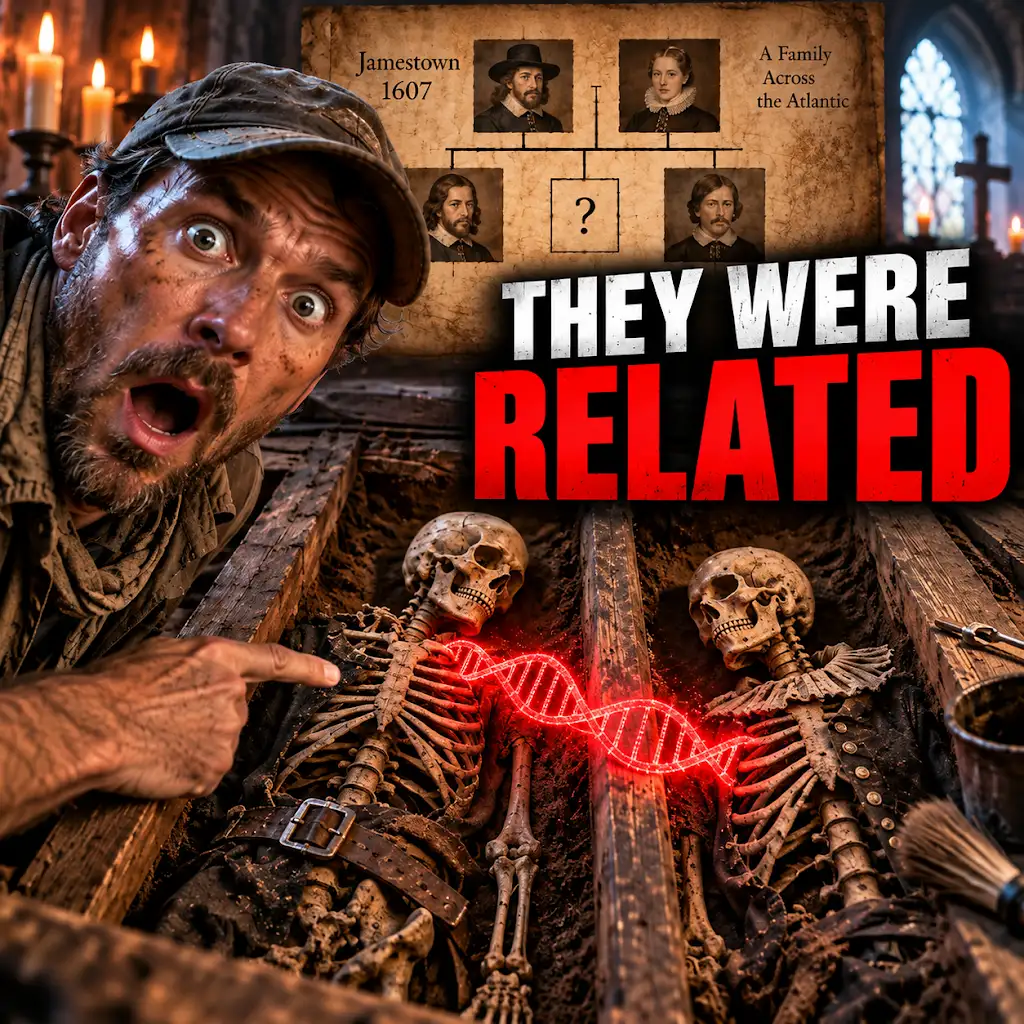
Jamestown DNA Revealed a Family Secret Hidden for 400 Years
FAQs
What is the significance of historical records in genealogical research?
Historical records provide valuable information about ancestors, such as birth, marriage, and death dates, as well as locations. This information can help individuals trace their family history and build their family tree.
How can DNA evidence complement historical records in genealogical research?
DNA evidence can confirm relationships between individuals and help identify common ancestors. It can also provide insights into ethnic origins and migration patterns that may not be evident in historical records alone.
What types of historical records are commonly used in genealogical research?
Common types of historical records used in genealogical research include census records, birth and death certificates, marriage records, wills, land deeds, military records, and immigration records.
How accurate are historical records in genealogical research?
While historical records can provide valuable information, they are not always accurate. Errors in spelling, dates, and locations are common. It is important to cross-reference information from multiple sources to ensure accuracy.
Can DNA evidence alone be used to trace one’s family history?
DNA evidence can provide clues about one’s genetic ancestry and potential relatives, but it is most effective when combined with historical records and traditional genealogical research methods. DNA evidence alone may not provide a complete picture of one’s family history.