The year 1616, nestled within the vibrant tapestry of Jacobean England, often conjures images of Shakespearean plays, burgeoning colonial ventures, and a society grappling with evolving social and legal structures. Within this historical milieu, the life of individuals, however seemingly ordinary, can offer profound insights into the daily realities and legal frameworks of the era. The court records of William West, dating from 1616, provide such a window, revealing a compelling narrative of a man entangled in the intricate legal machinery of early 17th-century England. These documents, often overlooked by broader historical narratives, are invaluable to historians and genealogists alike, offering a granular understanding of justice, social order, and the personal struggles of individuals navigating a world vastly different from our own. The process of uncovering and interpreting these records is not merely an academic exercise; it is an act of historical excavation, bringing to light the forgotten voices and experiences that shaped the past.
The Significance of 1616 in English Legal History
The year 1616 held particular importance within the evolving landscape of English law. It was a period marked by the ongoing consolidation of royal authority, the development of common law principles, and the increasing reliance on formalized judicial processes. The reign of King James I (1603-1625) witnessed a complex interplay between the monarch’s desire for a strong, centralized state and the ancient liberties and traditions of English common law. This tension often manifested in legal disputes, with courts serving as arenas where these competing forces were debated and adjudicated.
The Jacobean Legal System: A Blend of Tradition and Innovation
The legal system of Jacobean England was a sophisticated, albeit sometimes cumbersome, entity. It comprised a hierarchy of courts, from local manorial courts dealing with minor disputes to the powerful King’s Bench and Common Pleas, which handled more serious civil and criminal matters. The Star Chamber, though its influence was waning by 1616, still represented a powerful instrument of royal prerogative, capable of dealing with sedition and other offenses against the Crown.
The Role of Common Law
Common law, built upon centuries of judicial precedent and custom, formed the bedrock of the English legal system. Judges, through their rulings, continuously shaped and refined these legal principles, creating a body of law that was both adaptable and, in theory, predictable. The emphasis on precedent meant that previous decisions held significant weight, providing a framework for resolving contemporary disputes.
The Influence of Statute Law
Alongside common law, statute law, enacted by Parliament, played an increasingly vital role. These legislative acts provided a means for the Crown and Parliament to address new societal issues and to codify existing practices. The interaction between common law and statute law often generated complex legal arguments, with courts tasked with interpreting the intent of both.
The Growing Importance of Record Keeping
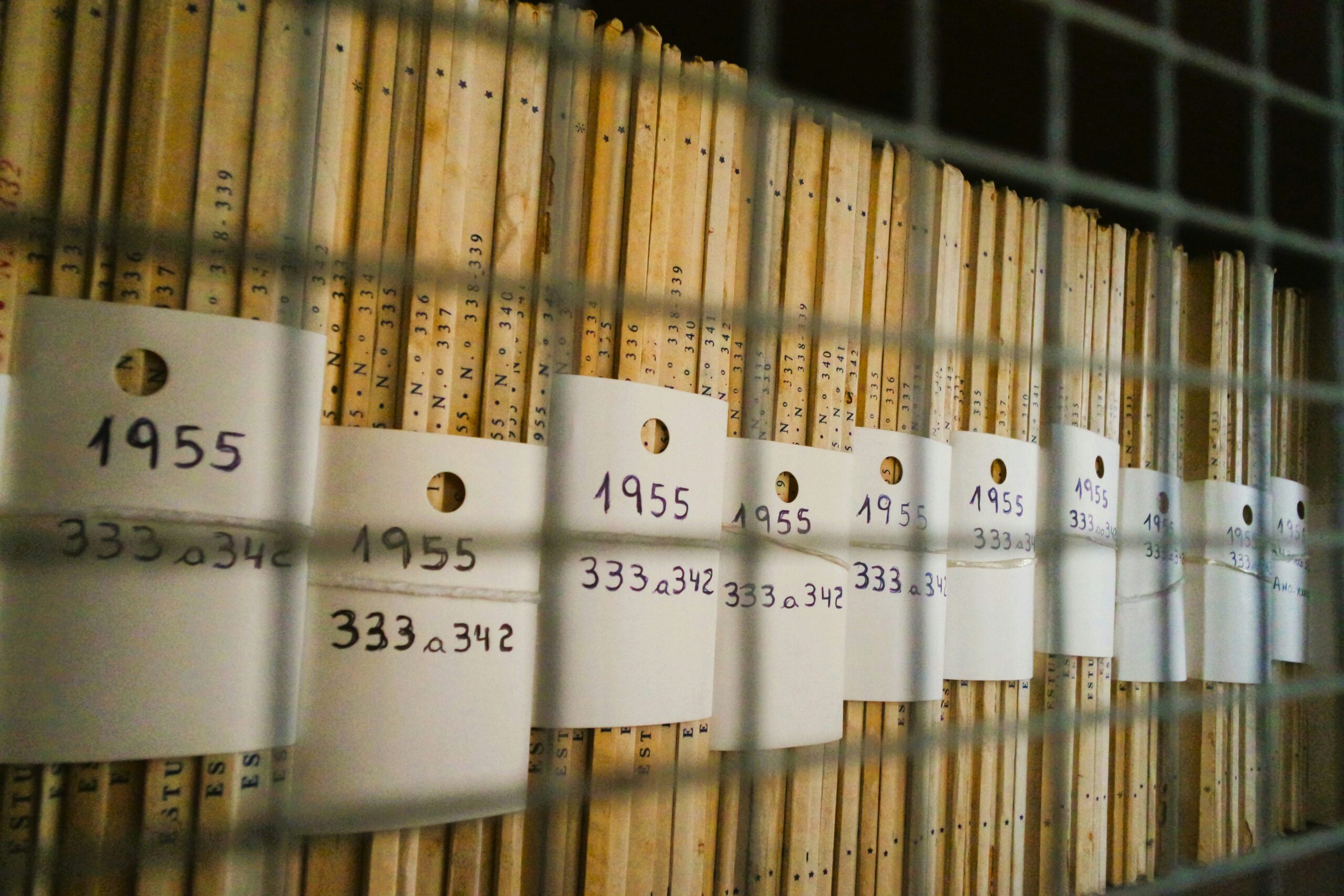
By 1616, the practice of meticulous record keeping within the legal system was becoming more ingrained. While the sheer volume and organization of records might seem rudimentary to modern eyes, the commitment to documenting court proceedings, judgments, and legal transactions was crucial for maintaining the integrity of the judicial process and for establishing a historical record. These records served not only as evidence for future legal actions but also as a testament to the activities of the courts and the individuals who appeared before them.
William West’s 1616 court records provide a fascinating glimpse into the legal practices of early modern England, shedding light on the societal norms and judicial processes of the time. For those interested in exploring more about historical documents and their implications, a related article can be found at this link: Unearthed Ancient Secrets Revealed in New Documentary. This article delves into the significance of various historical records and how they contribute to our understanding of the past.
Locating and Accessing William West’s 1616 Records
The journey to uncover the court records of William West from 1616 is a testament to the dedication required for historical research. Such documents are not typically found in a single, easily accessible archive. Instead, they are dispersed across various institutions, requiring a deep understanding of archival systems and a persistent approach to research.
Navigating Archival Collections
The primary repositories for such records are national and local archives. In England, The National Archives at Kew holds a vast collection of state papers, including legal documents from various courts. County record offices are crucial for local and manorial court records, which might offer more intimate details of an individual’s life within their community.
The National Archives (TNA)
The National Archives, with its extensive holdings, is often the first port of call for significant legal records. Documents relating to central courts, such as the King’s Bench or Chancery, would likely be housed here. The challenge lies in navigating the sheer volume of material and deciphering the often-arcane cataloging systems.
County Record Offices
For records pertaining to local governance and justice, county record offices are indispensable. These offices preserve documents generated by Quarter Sessions, Assizes, and manorial courts. The jurisdiction of these courts often depended on the nature of the offense and the social standing of the individuals involved.
Understanding Archival Terminology and Catalogues
Archival catalogs from this period can be a labyrinth of unfamiliar terms and classifications. Terms like “Assizes,” “Quarter Sessions,” “Gaol Delivery,” and “Examinations” are essential to understanding the types of records one might encounter. Researchers must familiarize themselves with the specific indexing methods of each archive, which can vary significantly.
Deciphering Court Rolls and Dockets
Court rolls, the formal records of proceedings, and dockets, which are often summaries or indices of cases, are the primary sources of information. These documents are typically written in Latin or early modern English, employing a specific legal vocabulary and script that requires specialized paleographic skills to decipher.
Potential Contents of William West’s 1616 Court Records
The contents of William West’s 1616 court records, once unearthed, are likely to paint a detailed picture of his life and his interactions with the legal system. The specific nature of these records will depend on the type of court in which he appeared and the reasons for his appearance.
The court records of William West from 1616 provide a fascinating glimpse into the legal practices of early colonial America, highlighting the complexities of justice during that time. For those interested in understanding how historical events shape our current legal landscape, a related article discusses essential tips for preparation and safety in the face of natural disasters, which can be seen as a modern reflection of the challenges faced by communities throughout history. You can read more about these important safety measures in the article here.
Civil Disputes and Land Tenancy
Many individuals in 1616 found themselves involved in civil litigation. These disputes could range from disagreements over debts and contracts to complex land ownership and tenancy issues. If William West was a landowner or a tenant farmer, it is highly probable that his name would appear in records related to land disputes.
Debt Recovery and Contractual Agreements
Records might detail instances of William West owing money or being owed money. Contracts, even informal ones, could be subject to legal scrutiny, and disputes arising from their breach would be adjudicated in court.
Property Rights and Inheritance
Issues of property ownership, inheritance, and boundary disputes were common. Records could reveal William West’s involvement in cases concerning the transfer or contestation of land.
Criminal Proceedings and Accusations
If William West faced criminal charges, the records would be even more detailed, providing accounts of accusations, testimonies, and verdicts. The nature of crimes in 1616 ranged from petty theft to more serious offenses like assault or even treason, though the latter would be less likely for an ordinary individual.
Petty Offenses and Local Justice
Minor offenses, such as breaches of the peace, minor theft, or vagrancy, would likely have been dealt with by local justices of the peace or at Quarter Sessions. These records often offer a glimpse into the everyday social order and the enforcement of minor regulations.
More Serious Charges and Trial Procedures
For

Jamestown DNA Revealed a Family Secret Hidden for 400 Years
FAQs

What are the court records of William West from 1616?
The court records of William West from 1616 provide detailed information about legal proceedings involving him during that year.
Where can the court records of William West from 1616 be found?
The court records of William West from 1616 can be found in historical archives or repositories that house documents from that time period.
What do the court records of William West from 1616 reveal?
The court records of William West from 1616 reveal information about any legal disputes, criminal charges, or other matters that William West was involved in during that year.
Are the court records of William West from 1616 publicly accessible?
In some cases, the court records of William West from 1616 may be publicly accessible, depending on the policies of the archive or repository where they are stored.
Why are the court records of William West from 1616 important?
The court records of William West from 1616 are important for historians and researchers studying the legal system, social history, and personal life of individuals during that time period.