Understanding Ancient Australian Fire Ecology
Australia, a continent forged by fire, boasts a fire ecology deeply intertwined with its ancient landscapes and the Indigenous custodians who have shaped it for millennia. This intricate relationship, stretching back tens of thousands of years, has been instrumental in defining the continent’s unique biodiversity and ecological processes. To truly comprehend the fire regimes of this ancient land is to delve into a history of deliberate management, a profound understanding of ecological cycles, and a testament to the enduring wisdom of its First Peoples.
The presence of fire in Australia is not a recent phenomenon. Evidence suggests that fire has been a recurring force on the continent for hundreds of thousands of years, predating human arrival by a significant margin. However, the advent of Indigenous Australians, estimated to have arrived at least 65,000 years ago, marked a transformative era in the continent’s fire ecology. Their arrival ushered in a period of sustained and deliberate fire management, fundamentally altering the frequency, intensity, and spatial distribution of fires across the landscape.
Pre-Human Fire Regimes
Before the arrival of humans, lightning strikes were the primary ignition source for wildfires. These natural ignitions would have led to a more sporadic and unpredictable fire regime. While less frequent than in later periods, these early fires would have still played a crucial role in shaping vegetation, clearing undergrowth, and influencing species evolution. The geological record, through charcoal analysis and pollen studies, provides vital clues about these ancient fire events.
The Emergence of Indigenous Fire Management
The profound impact of Indigenous Australians on the continent’s fire ecology cannot be overstated. For countless generations, Indigenous peoples across Australia developed and practiced sophisticated fire management techniques. These practices were not simply about suppressing fires but about actively using fire as a tool to shape and maintain the landscape, fostering a dynamic and resilient ecosystem. This approach, often referred to as “cultural burning” or “firestick farming,” was integral to their cultural, spiritual, and subsistence practices.
Cultural Significance and Spiritual Connections
Fire held deep cultural and spiritual significance for Indigenous Australians. It was more than just a tool; it was a living entity, connected to the Dreamtime, the ancestral past, and the very fabric of their existence. Fire was used in ceremonies, for storytelling, and as a means of communicating with the ancestral spirits. The careful application of fire was seen as a way of respecting the land and ensuring its continued health and vitality, reflecting a profound understanding of ecological interconnectedness.
Ancient Australian fire ecology plays a crucial role in understanding the relationship between Indigenous land management practices and the environment. For a deeper exploration of how historical practices have shaped contemporary ecological landscapes, you can refer to a related article that discusses the significance of fire in various ecosystems. This article highlights the importance of traditional ecological knowledge and its relevance today. To read more about this topic, visit this link.
Fire as a Tool of Landscape Management
The Indigenous practice of fire management was a highly sophisticated and adaptive system, honed over millennia. It was characterized by a deep understanding of seasonal variations, fuel loads, and the specific needs of different ecosystems and the species within them. This deliberate application of fire had a multifaceted impact, shaping vegetation, influencing animal populations, and contributing to the overall health and biodiversity of the continent.
“Firestick Farming”: A Holistic Approach
The term “firestick farming” aptly describes the Indigenous approach to fire management. It was not a single practice but a spectrum of techniques employed across diverse environments. The goal was to reduce the risk of catastrophic wildfires by undertaking controlled burns of specific areas at particular times of the year. This prevented the accumulation of excessive fuel loads, which could lead to more destructive fires.
Seasonal Burning Practices
Indigenous peoples understood the critical importance of seasonality in their fire management. Burning was often undertaken during drier periods, but with careful consideration of wind patterns and prevailing weather conditions. This allowed for a more controlled spread of fire, targeting specific areas to achieve desired outcomes, such as promoting new growth for food sources or clearing denser vegetation.
Patch Burning and Mosaic Landscapes
A key element of Indigenous fire management was the creation of mosaic landscapes. This involved intentionally burning different areas at different times, resulting in a patchwork of vegetation at various stages of regeneration. This mosaic provided diverse habitats for a wide range of animal species, offering food and shelter in different ecological niches. It also created natural firebreaks, limiting the spread of more intense fires.
Impact on Vegetation and Biodiversity
The deliberate use of fire by Indigenous Australians had a profound impact on the continent’s vegetation. Many Australian plant species have evolved to be fire-dependent, relying on fire for seed germination, nutrient cycling, and regeneration. Indigenous fire management helped to maintain these fire-adapted ecosystems, preventing the dominance of fire-intolerant species and fostering the rich biodiversity that characterizes Australia.
Promoting Seed Germination and Regeneration
Numerous Australian plant species have seeds with hard coats that require the heat of fire to break dormancy and germinate. Others release seeds or resprout vigorously after a fire. Indigenous burning practices stimulated these regenerative processes, ensuring the continuation of these fire-dependent plant communities.
Nutrient Cycling and Soil Health
Fire plays a crucial role in nutrient cycling. The burning of vegetation releases essential nutrients back into the soil, making them available for new plant growth. Indigenous fire management ensured that this process occurred regularly and in a controlled manner, preventing nutrient depletion and maintaining soil fertility over time.
Creating Habitat Diversity
As mentioned, the mosaic landscapes created by Indigenous burning provided a rich array of habitats. Different fire frequencies and intensities would create areas of open grassland, shrubland, and more mature woodlands, catering to the diverse needs of native fauna. This spatial heterogeneity was a cornerstone of maintaining biodiversity.
The Decline and Rediscovery of Traditional Fire Management
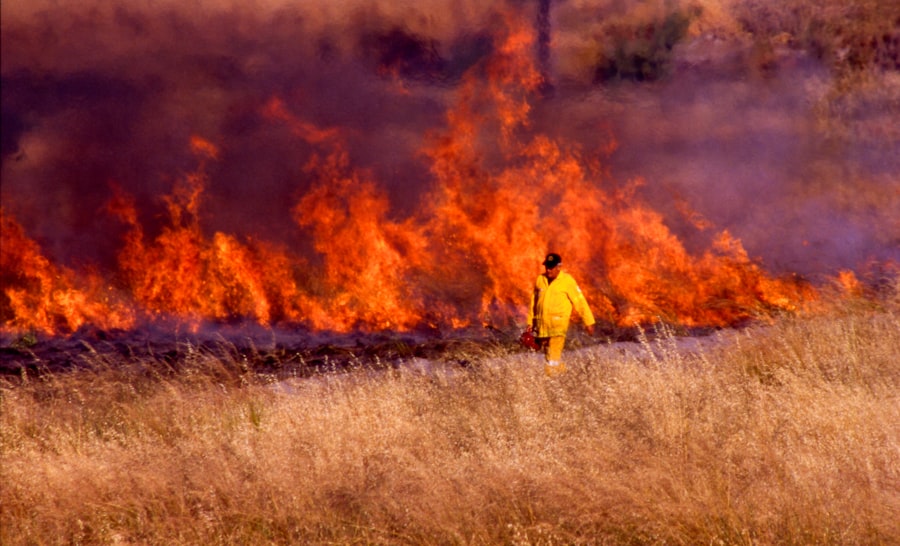
Following European colonization, Indigenous fire management practices were largely suppressed, leading to significant ecological changes. The imposition of Western fire suppression policies, often driven by a fear of fire and a misunderstanding of its ecological role, resulted in the accumulation of fuel loads and an increase in the frequency and intensity of destructive wildfires.
The Impact of Colonization and Fire Suppression
The arrival of Europeans brought a drastic shift in fire management. Indigenous peoples were displaced from their ancestral lands, and their traditional knowledge and practices were often disregarded or actively discouraged. The prevailing Western approach focused on the complete suppression of all fires, viewing them solely as destructive forces. This “zero tolerance” policy inadvertently created a dangerous buildup of combustible material.
Fuel Accumulation and Increased Fire Intensity
The absence of regular, low-intensity cultural burns led to a massive accumulation of dead vegetation (fuel) across the landscape. When fires did occur, they had far more fuel to consume, resulting in hotter, more intense, and faster-moving blazes. These megafires were often beyond the capacity of suppression efforts and caused widespread ecological damage.
The Resurgence of Traditional Knowledge
In recent decades, there has been a growing recognition of the value and efficacy of Indigenous fire management. Scientists, land managers, and Indigenous communities are increasingly collaborating to revive and integrate these ancient practices into contemporary land management strategies. This rediscovery is not merely an act of cultural preservation but a crucial step towards more effective and ecologically sound fire management.
Indigenous Ranger Programs
Indigenous ranger programs have emerged as a vital force in reintroducing and implementing traditional fire management. These programs empower Indigenous communities to manage their traditional lands, drawing on ancestral knowledge to conduct controlled burns and protect cultural heritage. These rangers act as custodians of the land, applying fire with the same wisdom and intention as their ancestors.
Scientific Validation of Traditional Practices
Modern scientific research is increasingly validating the ecological benefits of Indigenous fire management. Studies are demonstrating how controlled burns, applied at appropriate times and frequencies, can effectively reduce fuel loads, promote biodiversity, and enhance ecosystem resilience. This scientific evidence is crucial in fostering broader acceptance and implementation of these practices.
Modern Challenges and Future Directions

While the rediscovery of Indigenous fire ecology offers immense promise, modern challenges remain. Climate change, with its associated increases in temperature and altered rainfall patterns, is exacerbating fire risks. Balancing the needs of diverse land users, integrating cultural knowledge with scientific research, and ensuring ongoing funding and support for Indigenous-led initiatives are critical for the future of Australia’s fire ecology.
Climate Change and Fire Regimes
The intensifying effects of climate change are profoundly altering fire regimes across Australia. Rising global temperatures, prolonged droughts, and more frequent extreme weather events are contributing to longer and more intense fire seasons. This makes traditional burning practices more challenging to implement safely and necessitates a more adaptive and responsive approach to fire management.
The Need for Integrated Fire Management
The future of Australian fire ecology lies in the integration of traditional Indigenous knowledge with modern scientific understanding and technological advancements. This holistic approach recognizes that fire is an integral part of the Australian landscape and that effective management requires a multi-faceted strategy that respects both ecological processes and cultural heritage.
Collaboration Between Indigenous Communities and Land Managers
Effective fire management requires strong collaboration between Indigenous communities and government land management agencies. This partnership ensures that traditional knowledge is respected and incorporated into management plans, leading to more effective and culturally appropriate outcomes. Joint decision-making and shared responsibility are paramount.
Investing in Cultural Burning Initiatives
Continued investment in cultural burning initiatives is essential for their success and sustainability. This includes providing resources for training, equipment, and ongoing support for Indigenous ranger programs. Funding these initiatives ensures that traditional fire knowledge is passed down to younger generations and that these practices are implemented effectively across the continent.
Ancient Australian fire ecology has been a subject of increasing interest among researchers, particularly in understanding how Indigenous practices shaped the landscape. A related article discusses the intricate relationship between fire management and biodiversity, highlighting the significance of traditional burning techniques used by Aboriginal peoples. For those looking to explore this topic further, you can read more about it in the article on fire ecology and its implications for modern conservation efforts. Check it out here.
The Enduring Legacy of Ancient Fire Ecology
| Aspect | Information |
|---|---|
| Fire Regimes | Ancient Australian fire ecology is characterized by a variety of fire regimes, including frequent low-intensity fires in some regions and infrequent high-intensity fires in others. |
| Flora Adaptations | Many plant species in ancient Australian fire ecology have adapted to fire through mechanisms such as serotiny (releasing seeds in response to fire) and resprouting from underground structures. |
| Fire Management | Indigenous Australians have a long history of using fire as a land management tool, shaping the landscape and promoting biodiversity through controlled burning practices. |
| Ecological Impacts | Ancient Australian fire ecology has significant ecological impacts, influencing vegetation dynamics, nutrient cycling, and the distribution of plant and animal species. |
Understanding ancient Australian fire ecology is not merely an academic pursuit; it is a vital imperative for the health and resilience of the continent’s unique ecosystems and the well-being of its people. The wisdom embedded in millennia of Indigenous fire management offers invaluable lessons for navigating the challenges of a changing climate and fostering a sustainable future.
Fire as an Ecological Necessity
The deep history of fire on the continent underscores its role as an ecological necessity rather than a purely destructive force. Many Australian ecosystems are intrinsically linked to fire for their survival and regeneration. Recognizing fire as a natural process, managed thoughtfully, is key to their long-term health.
The Importance of Indigenous Knowledge in Contemporary Management
The resurgence of interest in Indigenous fire management highlights the profound value of traditional ecological knowledge. This ancient wisdom, passed down through generations, offers insights that are crucial for contemporary land management, particularly in the face of climate change and increasing fire risks.
Towards a Fire-Resilient Future
By embracing and integrating the principles of ancient Australian fire ecology, Australia can move towards a more fire-resilient future. This involves a commitment to respectful collaboration, the sustained application of traditional knowledge, and the implementation of adaptive management strategies that acknowledge the dynamic nature of fire and its integral role in the Australian landscape. The legacy of ancient fire ecology is a powerful guide for the present and the future.

The Wilderness Was Engineered
FAQs
What is ancient Australian fire ecology?
Ancient Australian fire ecology refers to the historical and ongoing relationship between fire and the natural environment in Australia. It encompasses the ways in which indigenous Australians have used fire as a land management tool for thousands of years, as well as the ecological impacts of fire on Australian ecosystems.
How have indigenous Australians used fire as a land management tool?
Indigenous Australians have used fire to shape and manage the landscape for thousands of years. They used controlled burning to promote the growth of certain plant species, to clear underbrush for easier hunting, and to prevent larger, more destructive wildfires.
What are the ecological impacts of fire on Australian ecosystems?
Fire plays a crucial role in the ecology of many Australian ecosystems. It can promote the germination of certain plant species, clear out dead vegetation, and create habitat for certain animals. However, too frequent or intense fires can also have negative impacts, such as loss of habitat and changes in species composition.
How has fire ecology in Australia changed over time?
The arrival of European settlers in Australia brought significant changes to fire ecology. The suppression of indigenous burning practices, the introduction of new plant and animal species, and changes in land use have all had impacts on the role of fire in Australian ecosystems.
What are the current challenges and management strategies related to fire ecology in Australia?
Current challenges related to fire ecology in Australia include managing the risk of destructive wildfires, balancing the use of controlled burning for land management with conservation goals, and addressing the impacts of climate change on fire regimes. Management strategies include prescribed burning, community education, and research into fire behavior and ecology.