
Genetic Ties: Navigating the Boundaries of DNA Testing in Genealogy
The allure of discovering ancestral roots has propelled genetic genealogy into a mainstream pursuit. With the proliferation of direct-to-consumer DNA testing kits, individuals can now delve into their heritage with unprecedented ease. However, the exciting prospect of uncovering distant relatives and tracing family lines through DNA comes with its own set of limitations and nuances. A comprehensive understanding of these boundaries is crucial for any aspiring genealogist to set realistic expectations, interpret results effectively, and avoid potential pitfalls. DNA testing, while powerful, is not a magic bullet and works best when integrated with traditional genealogical research methods.
While exploring the complexities of genealogy and the limitations of DNA testing, it’s interesting to consider how historical records and environmental factors can also play a significant role in understanding our ancestry. A related article that delves into the intersection of ancient climate and historical narratives can be found at Uncovering the Secret Inscription of Ancient Climate. This piece highlights how climate data can provide context to genealogical research, offering insights that DNA tests alone may not reveal.
Unraveling the Genetic Tapestry: The Science Behind Ancestry Tests
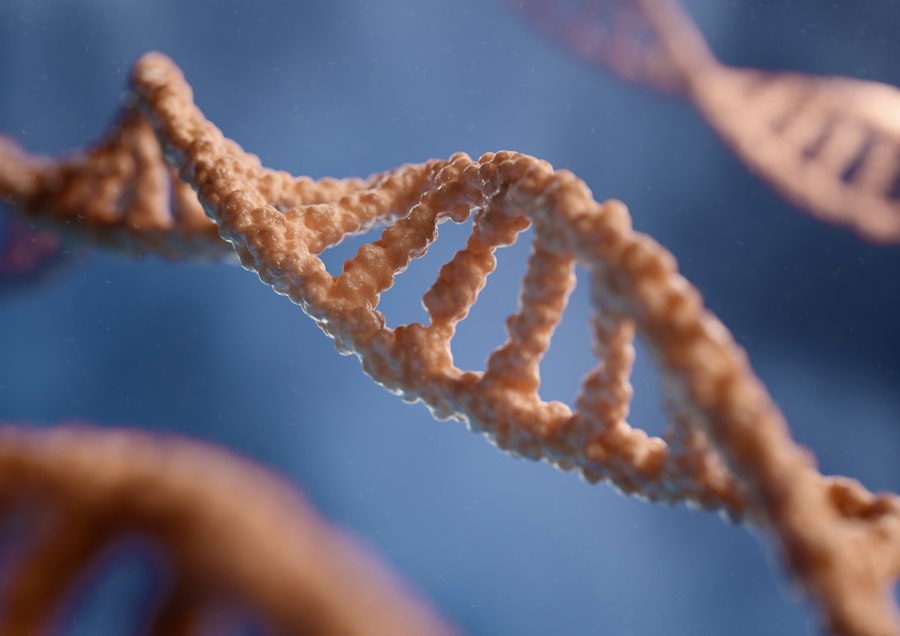
At its core, DNA testing for genealogy relies on analyzing specific regions of an individual’s DNA to identify patterns and similarities with others in a reference database. Different types of DNA tests focus on distinct parts of the genome, each offering a unique perspective on ancestry. Autosomal DNA is the most common type, inherited from both parents and passed down through all your ancestors. It’s the primary tool for identifying cousins and tracing recent ancestry, typically within the last five to seven generations. Mitochondrial DNA (mtDNA), on the other hand, is inherited solely from the mother and traces the direct maternal line. Y-chromosome DNA (Y-DNA), passed exclusively from father to son, traces the direct paternal line. Understanding these distinctions is fundamental to interpreting the data provided by testing companies.
Autosomal DNA: The Broadest Sweep
Autosomal DNA tests are the workhorses of consumer genetic genealogy. They examine millions of single nucleotide polymorphisms (SNPs) – variations in a single DNA building block – across the 22 pairs of non-sex chromosomes. Because this DNA is a mix from all your ancestors, it’s the most effective for finding cousins at various degrees of relatedness. The further back in time an ancestor lived, the more diluted their autosomal DNA becomes in your overall genetic makeup. This is why identifying very distant cousins (beyond 7th or 8th cousins) can become statistically challenging. The algorithms used by testing companies compare your autosomal DNA with that of other users and estimate the percentage of shared DNA, which then translates into a predicted relationship.
Mitochondrial DNA: The Maternal Odyssey
Mitochondrial DNA is found in the mitochondria, tiny organelles within cells responsible for energy production. Unlike nuclear DNA, which is packaged in chromosomes, mtDNA is circular and resides outside the cell’s nucleus. A crucial aspect of mtDNA is its maternal inheritance. You receive your mtDNA from your mother, who received it from her mother, and so on, tracing an unbroken line back through generations. This makes mtDNA excellent for tracing a specific maternal ancestor. However, because it doesn’t recombine with paternal DNA, mtDNA changes very slowly over time. This means that while it can confirm a maternal connection, it offers less resolution for identifying closer relatives compared to autosomal DNA. The haplogroup assigned through mtDNA testing indicates ancient migratory patterns and geographic origins of your maternal line.
Y-Chromosome DNA: The Paternal Path
The Y-chromosome is unique to biological males and is passed down from father to son. Similar to mtDNA, Y-DNA testing focuses on tracing a direct paternal lineage. This allows males to explore their father’s father’s father’s lineage, and so on, back through time. Y-DNA also mutates slowly and is used to assign paternal haplogroups, revealing ancient migratory paths and deep ancestral origins along the paternal line. Because only biological males possess a Y-chromosome, Y-DNA testing is not applicable for tracing maternal ancestors or for biological females.
Interpreting Your Ancestry Results: More Than Just Percentages
Once a DNA test is completed and results are generated, the real work of interpretation begins. The percentages of ethnic origins provided by testing companies are estimations based on reference populations. These estimations are valuable but not definitive, and the boundaries of their accuracy are important to acknowledge. Similarly, the predicted relationships with DNA matches are based on statistical probabilities derived from the amount of shared DNA. Understanding the limitations of these predictions is key to avoiding misinterpretations and frustration.
Ethnic Origins: A Snapshot, Not a Definitive Map
AncestryDNA, 23andMe, and other services provide breakdowns of your DNA into various ethnic regions. These estimations are derived from comparing your DNA to curated databases of individuals whose ancestors are known to have lived in specific regions for many generations. However, several factors influence the accuracy and interpretation of these results. Firstly, the reference populations are not exhaustive and may not fully represent all the ancestral origins within a given region. Secondly, human migration and intermingling have occurred for millennia, meaning that individuals within a so-called ethnic region may have diverse ancestral backgrounds themselves. Furthermore, the algorithms are constantly being refined, so your ethnic breakdown might change slightly over time as new data and analytical methods become available. Therefore, ethnic percentages should be viewed as a general indication of ancestral origins rather than a precise historical record. They are excellent starting points for further research but should not be taken as absolute truths.
DNA Matches: Probability and the Ghost of Relationships Past
The most exciting aspect of DNA testing for many is the discovery of potential relatives. Testing companies present lists of individuals who share a certain amount of DNA with you. These “DNA matches” are presented with a predicted relationship (e.g., “close family,” “3rd cousin,” “5th cousin”). It is crucial to remember that these are predictions based on probabilities. The amount of DNA shared between two individuals can vary even for siblings. For example, full siblings might share anywhere from 35% to 65% of their autosomal DNA. This variability means that a predicted relationship is not a guarantee. A match predicted as a “3rd cousin” might indeed be a 3rd cousin, but they could also be a half-second cousin or a 4th cousin. The longer the predicted generational distance, the wider the range of possible relationships for a given amount of shared DNA. The lack of shared DNA doesn’t necessarily mean no relationship; it might simply mean that the common ancestor’s DNA was not passed down to you or your match, or that the common ancestor lived too far back for significant DNA segments to remain.
The Importance of the Shared DNA Amount
The quantity of DNA shared between you and a match is the primary indicator of your genetic relatedness. Testing companies quantify this in centimorgans (cM), which represent the physical length of DNA segments shared. Larger amounts of shared cM generally indicate a closer relationship. However, the distribution of shared DNA can be uneven. You might share a few long segments with one match and many shorter segments with another. The key is to consider the total cM. For example, sharing 300 cM could point to a range of relationships from a half-second cousin to a 4th cousin. Online tools and charts exist that can help genealogists interpret cM ranges and their potential relationships, but these are still statistical tools.
The Limitations of DNA Testing: What it Cannot Do
While DNA testing offers powerful insights, it is essential to recognize its inherent limitations. It cannot magically fill in all the gaps in your family tree, nor can it definitively answer all genealogical questions. Understanding these boundaries will help manage expectations and focus research efforts more effectively. DNA is a tool, not a complete solution.
The “End of the Line” Phenomenon: Limited Ancestry Depth
Autosomal DNA, the primary type used for cousin matching, is inherited from all your ancestors. However, with each generation, the amount of DNA inherited from any single ancestor is halved. This means that after roughly five to seven generations, the amount of DNA inherited from a specific ancestor becomes so small that it is often undetectable or indistinguishable from random genetic noise. This “end of the line” phenomenon means that autosomal DNA is generally most effective for tracing ancestry back about 200-300 years. While you might find very distant cousins with deeper shared ancestry, confirming these very distant links can be exceptionally difficult due to the small amounts of shared DNA. Y-DNA and mtDNA can trace deeper lines, but they only follow specific, unbroken ancestral paths.
The “Ghost” Ancestor Problem: Undetected Inheritance
It is entirely possible to share a common ancestor with someone but not share any detectable DNA with them. This happens when the DNA segments inherited from that common ancestor are not passed down to you or your match. Imagine a common ancestor who had many children. Their DNA is then distributed among those children. If you and your match descend from different children of that common ancestor, and the specific segments of DNA from that ancestor are not inherited by either of you, then you will not appear as a DNA match, despite sharing a biological link. This is particularly common for relationships that are further back in time, where the number of common ancestors increases, but the shared DNA segments become smaller and more fragmented.
The “No Match” Scenario: The Limits of Databases
The effectiveness of DNA testing is heavily dependent on the size and diversity of the testing company’s database. If your ancestors are from a region with a smaller user base on a particular platform, you may have fewer DNA matches or even no matches with individuals who share common ancestors with you. Conversely, if your ancestors are from a region with a large user base, you are more likely to find matches. This means that the absence of a match on one platform does not definitively mean there are no relatives; it might simply mean those relatives haven’t tested with that specific company. Exploring matches across different testing platforms, if ethically and legally permissible, can sometimes yield more comprehensive results.
Privacy and Data Security: A Crucial Consideration
Beyond the scientific limitations, the privacy and security of your genetic data are paramount. DNA testing companies collect vast amounts of sensitive personal information. Understanding their data usage policies, consent agreements, and security measures is crucial. Users must be aware of how their data might be used, shared, or anonymized, and consider the implications for themselves and their relatives. The potential for genetic data to be accessed by law enforcement agencies, insurance companies, or malicious actors is a growing concern that requires careful consideration before submitting a DNA sample.
Exploring the complexities of genealogy can often lead to intriguing discoveries, but it’s important to understand the limitations of DNA testing in this field. For a deeper insight into the implications of such tests, you might find it interesting to read an article that discusses various aspects of genetic testing and its impact on family history research. You can check it out here: this article for a comprehensive overview of the subject.
Complementing DNA with Traditional Genealogy: The Power of Partnership
| Metric | Description | Typical Range / Value | Limitations |
|---|---|---|---|
| Autosomal DNA Coverage | Percentage of genome analyzed in autosomal DNA tests | ~700,000 to 1,200,000 SNPs | Limited to about 5-7 generations due to recombination and inheritance patterns |
| Y-DNA Markers | Number of Y-chromosome STR markers tested | 12, 37, 67, or 111 markers | Only traces direct paternal line; limited for recent genealogical timeframes |
| mtDNA Regions Tested | Regions of mitochondrial DNA analyzed (HVR1, HVR2, Full mtDNA) | HVR1 (~400 bp), HVR2 (~300 bp), Full mtDNA (~16,569 bp) | Only traces direct maternal line; low resolution for recent ancestry |
| Generational Limit | Maximum reliable genealogical timeframe for autosomal DNA matches | 5-7 generations (approx. 150-200 years) | Beyond this, shared DNA segments become too small to detect reliably |
| Match Confidence Threshold | Minimum centimorgans (cM) shared to consider a DNA match significant | Typically >7 cM | Lower thresholds increase false positives; higher thresholds may miss distant relatives |
| Ethnicity Estimate Accuracy | Precision of ethnicity or ancestral origin predictions | Varies widely; often 70-90% accuracy depending on reference databases | Limited by reference populations and genetic overlap between groups |
| Phasing Accuracy | Ability to assign DNA segments to maternal or paternal side | Varies; improved with parental data | Without parental data, phasing is less accurate, limiting genealogical interpretation |
DNA testing is most powerful when used in conjunction with traditional genealogical research methods, such as census records, birth, marriage, and death certificates, wills, land records, and family histories. DNA can point you in new directions, confirm existing research, or reveal unexpected connections, but it rarely provides complete answers on its own.
Brick Walls and DNA: Breaking Down Barriers
For genealogists who have encountered “brick walls” – points in their research where they can no longer find information – DNA testing can be an invaluable tool. A DNA match can provide a new avenue of inquiry. By examining shared DNA segments with a match, and then researching that match’s family tree (if they have one publicly available), you can potentially identify a common ancestor that was previously unknown. This requires careful analysis and cross-referencing of both your DNA results and the match’s genealogical information. The amount of shared DNA will guide the depth of investigation needed. For instance, a significant amount of shared DNA might suggest a recent common ancestor, while smaller amounts point to more distant links that require more extensive research.
Confirming and Corroborating: DNA as a Verification Tool
Beyond breaking down brick walls, DNA can also serve as a powerful tool for confirming and corroborating existing genealogical research. If you have meticulously documented your family tree and have a hypothesis about a particular ancestor or lineage, DNA can help validate that information. If you share DNA with individuals who are known to be descended from that specific ancestor, it strengthens the confidence in your documented research. Conversely, if you find no DNA matches with individuals who should be related based on your existing research, it might prompt a re-evaluation of your documentation. It’s important to remember that genealogical records can contain errors, and DNA offers an independent line of evidence.
Building a Comprehensive Family Narrative: The Human Element
While DNA provides the genetic blueprint, traditional records offer the human stories, context, and historical details that bring an ancestral narrative to life. Census records can reveal occupations, places of residence, and family structures. Marriage certificates document unions, while death records often provide vital information about parents and spouses. Diaries, letters, and personal accounts offer invaluable glimpses into the lives and personalities of ancestors. DNA can tell you that you are related to someone, but traditional records can tell you who they were, what they did, and how they lived. The most robust and meaningful genealogical research integrates both genetic and documentary evidence to create a rich and accurate tapestry of one’s heritage.
Beyond the Individual: Ethical and Practical Considerations
Genealogy is inherently a communal pursuit, and the ethical implications of sharing genetic information and the practicalities of using DNA evidence in research warrant careful consideration. Engaging with DNA testing responsibly ensures a more positive and accurate experience for everyone involved.
The Ethics of Sharing: Consent and Privacy of Others
When you take a DNA test, you are not just providing information about yourself; you are also potentially revealing information about your close relatives, such as parents, siblings, and children, who share your DNA. It is crucial to consider the privacy and consent of these individuals. Before sharing your DNA results or encouraging others to test, it is ethical to discuss your intentions and obtain their consent, especially if you plan to make your results public or share them with others. Some testing companies allow you to opt out of certain features, like appearing in searches or allowing law enforcement access, and understanding these options is important. Furthermore, when interacting with DNA matches, be mindful of their privacy. Avoid sharing sensitive information about them without their explicit permission.
Navigating International Ancestry: Challenges and Opportunities
Researching ancestors who lived in different countries presents unique challenges and opportunities when using DNA. While many testing companies have global databases, the availability and accessibility of records can vary significantly between nations. Language barriers, differing legal systems, and the availability of online records can all impact the ease of traditional genealogical research. However, DNA can be particularly helpful in these situations. For instance, if you have ancestors from a country where historical records are scarce or difficult to access, DNA matches can connect you with relatives who may have access to those records or possess local knowledge. Likewise, if you find yourself with a large number of DNA matches from a particular region, it can direct your traditional research efforts towards that geographic area.
The Evolving Landscape of Genetic Genealogy: Future Possibilities
The field of genetic genealogy is constantly evolving. New technologies, improved algorithms, and expanding databases are continually enhancing the capabilities of DNA testing. Researchers are developing new methods to analyze DNA for more nuanced genealogical insights, such as identifying maternal and paternal haplogroups with greater precision and understanding the genetic markers associated with specific traits. The potential for DNA to unlock deeper ancestral mysteries is immense. As more people participate in DNA testing and share their genealogical research, the collective knowledge base will grow, leading to more accurate estimations of ethnic origins, more precise relationship predictions, and the discovery of ever more distant ancestral connections. Staying informed about these advancements is key to leveraging the full potential of genetic genealogy.
In conclusion, DNA testing is a transformative tool for genealogical research, offering unprecedented access to one’s genetic heritage. However, it is essential to approach these tests with a clear understanding of their limitations. By recognizing what DNA testing can and cannot do, and by thoughtfully integrating genetic insights with traditional genealogical research methods, individuals can embark on a rewarding journey of discovery, building a richer and more accurate understanding of their ancestral past. The future of genealogy lies in this powerful synergy between science and history.
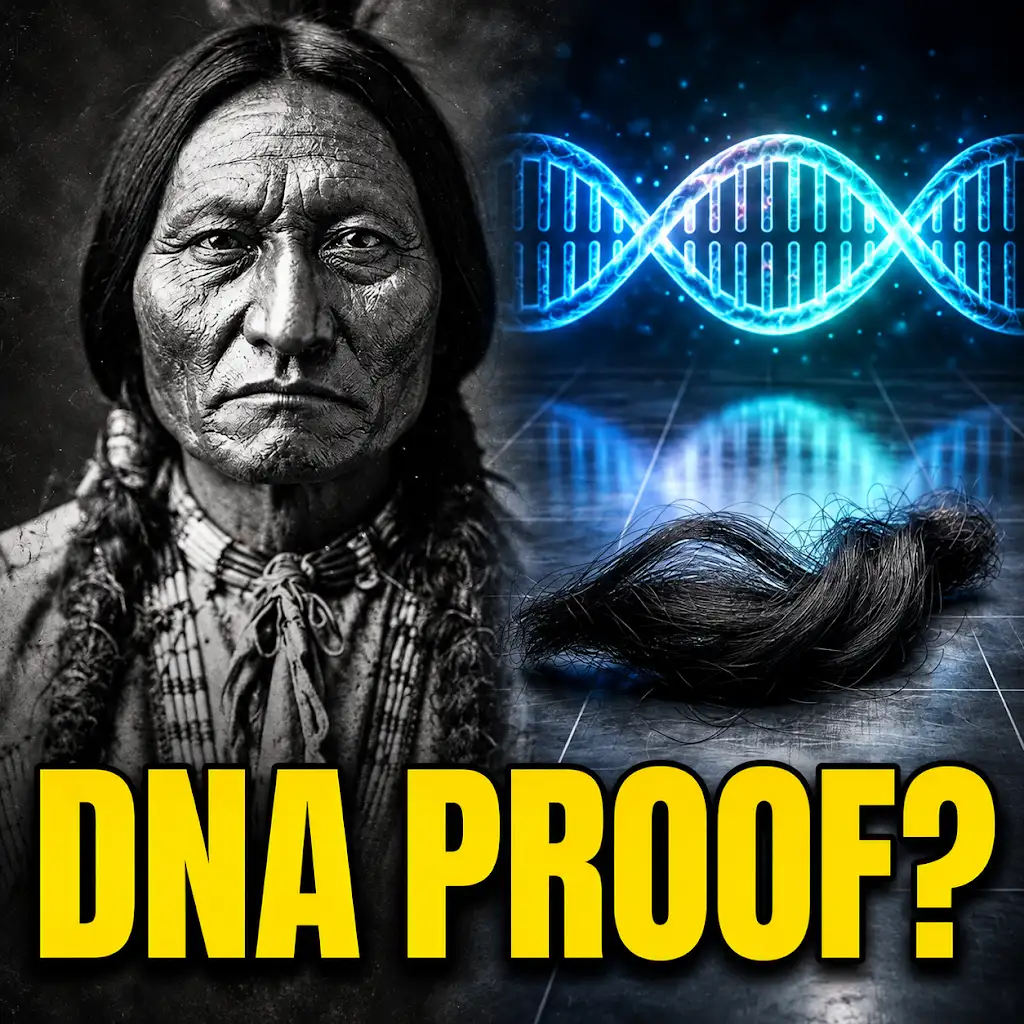
The Sitting Bull DNA Test: What Did It Actually Prove?
FAQs
Can a DNA test provide a complete family tree?
No, a DNA test can only provide information about your genetic ancestry and potential relatives who have also taken the test. It does not provide a complete family tree.
What information can a DNA test provide for genealogy purposes?
A DNA test can provide information about your ethnic background, potential relatives who have also taken the test, and genetic matches that can help you trace your ancestry.
Are DNA tests always accurate for genealogy purposes?
While DNA tests can provide valuable information for genealogy, they are not always 100% accurate. Factors such as the size of the DNA database, the quality of the test, and the interpretation of results can all impact the accuracy of the test.
Can a DNA test determine specific ancestors or family members?
A DNA test can help identify potential relatives based on shared genetic markers, but it cannot specifically identify individual ancestors or family members in your family tree.
What are the limitations of using DNA tests for genealogy?
Some limitations of using DNA tests for genealogy include the inability to provide a complete family tree, the potential for inaccuracies in results, and the reliance on others having taken the test to find genetic matches.