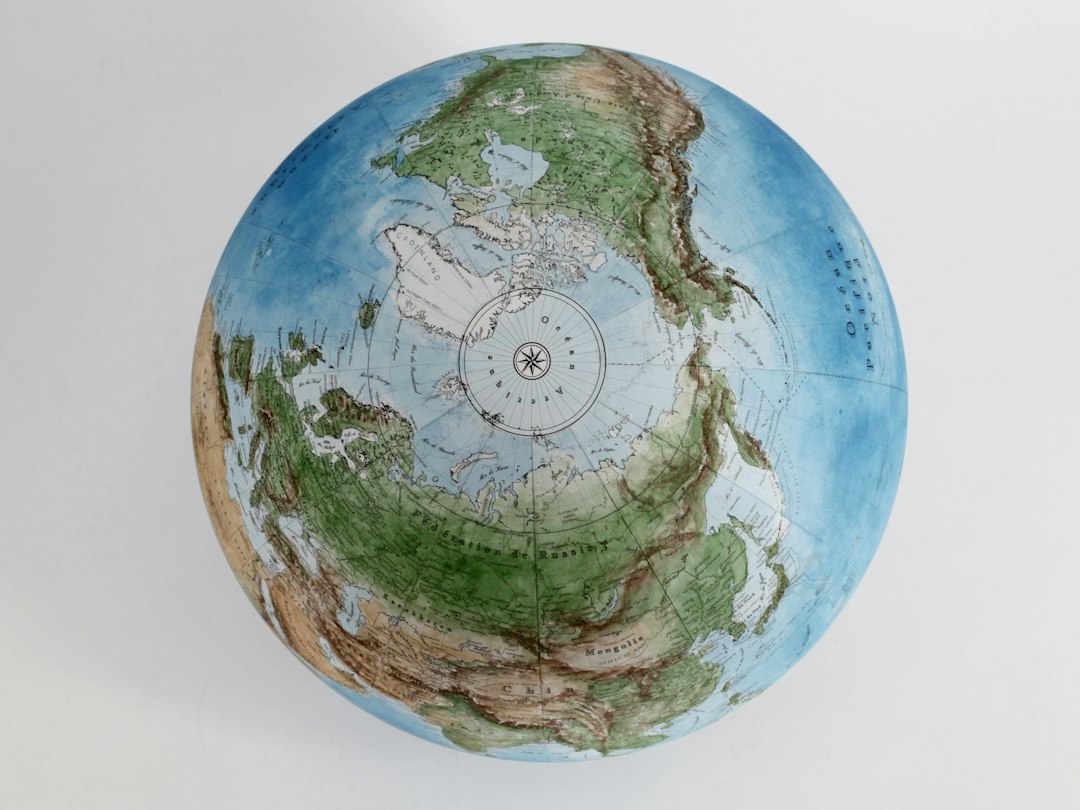
The Earth’s interior is a realm of intense heat, a fiery furnace that plays a crucial role in shaping our planet’s surface and driving geological processes. As one ventures deeper into the Earth, the temperature escalates dramatically, a phenomenon that scientists meticulously study to unravel the planet’s history and predict its future. This increasing heat with depth is not a mere curiosity; it is a fundamental aspect of Earth science, influencing everything from plate tectonics and volcanic activity to the very existence of our magnetic field. Understanding this geothermal gradient is paramount to comprehending the dynamic nature of our home.
The geothermal gradient refers to the rate at which temperature increases with increasing depth into the Earth. This fundamental concept is observed across the globe, though the exact gradient can vary significantly depending on geological context. It is a testament to the internal heat engine of our planet, a slow but persistent release of energy that has been accumulating since Earth’s formation and continues to be generated by radioactive decay.
Sources of Earth’s Internal Heat
The immense heat found within the Earth’s interior is not a single phenomenon but rather a combination of several distinct sources, each contributing to the planet’s thermal budget. Without these ongoing heat generation and retention mechanisms, Earth would have long since cooled down, and its dynamic geological processes would have ceased.
Primordial Heat: The Residual Energy of Formation
The initial formation of Earth billions of years ago was a cataclysmic event. The accretion of dust and gas in the early solar system, followed by the differentiation of its core, mantle, and crust, released enormous amounts of energy in the form of heat. This primordial heat, also known as residual heat, is a lingering legacy of these violent processes. While it has been slowly dissipating over eons, a significant portion of it still contributes to the Earth’s internal temperature. The gravitational potential energy released during the planet’s formation and the kinetic energy of impacting planetesimals were converted into thermal energy, essentially “cooking” the young Earth from the inside out.
Radiogenic Heat: The Slow Burn of Radioactive Decay
A significant and ongoing source of Earth’s internal heat is radiogenic heat, generated by the radioactive decay of isotopes present within the planet’s mantle and crust. Key isotopes responsible for this heat production include uranium-238 ($^{238}\text{U}$), thorium-232 ($^{232}\text{Th}$), and potassium-40 ($^{40}\text{K}$). These elements are naturally occurring and were incorporated into Earth during its formation. As their unstable nuclei undergo radioactive decay, they release energy in the form of alpha particles, beta particles, and gamma rays. This released energy is absorbed by the surrounding rock, increasing its temperature. Unlike primordial heat, which is slowly dissipating, radiogenic heat is continuously generated, providing a sustained source of warmth deep within the Earth. The distribution of these radioactive isotopes is not uniform; they are more concentrated in the continental crust than in the oceanic crust and mantle, leading to variations in radiogenic heat production.
Tidal Heating: The Subtle Influence of Gravitational Pull
While less significant than primordial or radiogenic heat, tidal heating also contributes to Earth’s internal warmth. This phenomenon arises from the gravitational pull of the Moon and the Sun, which cause bulges in the Earth’s solid body. As the Earth rotates, these bulges move, causing friction and deformation within the planet’s interior. This continuous stretching and squeezing of rocks generates heat, albeit at a much lower rate than other sources. The effect is more pronounced on bodies with eccentric orbits or those that are tidally locked with their parent planet, but it still plays a minor role in Earth’s thermal budget.
Measuring the Geothermal Gradient
Determining the precise geothermal gradient requires direct measurement and sophisticated indirect methods. Scientists employ a variety of techniques to probe the Earth’s interior and quantify the temperature increase with depth, providing crucial data for understanding heat flow and geological processes.
Borehole Temperature Measurements
The most direct method for measuring the geothermal gradient involves drilling boreholes into the Earth’s crust and deploying temperature probes at various depths. These boreholes, often created for scientific research, resource exploration, or geothermal energy extraction, provide a window into the subsurface temperature profile. By meticulously recording temperature readings at different depths, scientists can calculate the local geothermal gradient. These measurements are crucial for understanding the thermal state of the crust and for predicting heat flow in different geological settings. However, drilling deep boreholes is expensive and technically challenging, limiting the widespread availability of such direct measurements.
Geothermal Heat Flow Measurements
Geothermal heat flow refers to the amount of heat energy that is transferred from the Earth’s interior to the surface per unit area per unit time. It is a direct consequence of the geothermal gradient and the thermal conductivity of the rocks. Geothermal heat flow is measured using heat flow probes that are inserted into boreholes. These probes measure the temperature gradient and the thermal conductivity of the surrounding rocks, allowing for the calculation of heat flow. Variations in heat flow provide valuable insights into the distribution of heat sources within the Earth and the processes occurring in the lithosphere and asthenosphere. Areas with high heat flow often indicate regions of active volcanism, thinning crust, or shallow magma chambers.
Seismic Tomography and Geochemical Analysis
Beyond direct measurements, scientists utilize indirect methods to infer temperature variations within the Earth. Seismic tomography, which analyzes the travel times of seismic waves generated by earthquakes, can reveal anomalies in the Earth’s interior. Denser, colder regions cause seismic waves to travel faster, while hotter, less dense regions slow them down. By building a three-dimensional map of seismic wave velocities, scientists can infer temperature distribution. Geochemical analysis of volcanic rocks and mantle xenoliths (rock fragments brought to the surface by volcanic eruptions) also provides clues about the temperature and composition of the Earth’s mantle. The isotopic composition and mineralogy of these samples can be used to reconstruct the conditions under which they formed deep within the Earth.
The phenomenon of Earth’s increasing temperature with depth is primarily due to the geothermal gradient, which explains how heat from the planet’s core and radioactive decay in the mantle contribute to rising temperatures as one descends into the Earth. This topic is intricately connected to the broader implications of climate change and its effects on our planet, including the threat posed to sinking island nations. For a deeper understanding of these environmental challenges, you can read more in the article titled “The Threat of Sinking Island Nations” available at this link.
Variations in the Geothermal Gradient Across Earth’s Surface
The geothermal gradient is not a uniform value across the Earth’s surface. Significant regional variations exist, influenced by factors such as tectonic setting, crustal thickness, and the presence of magma. Understanding these variations is crucial for fields ranging from geothermal energy development to seismic hazard assessment.
Continental vs. Oceanic Crust
A notable difference in geothermal gradient exists between continental and oceanic crust. Continental crust is generally thicker and more enriched in radioactive elements, leading to a higher radiogenic heat production. This, combined with the insulating effect of its thickness, often results in a steeper geothermal gradient in continental areas compared to oceanic regions. Oceanic crust, being thinner and composed primarily of basalt, has lower radiogenic heat production. However, oceanic crust is constantly being generated at mid-ocean ridges where magma rises from the mantle, leading to higher localized heat flow in these active zones.
Tectonic Settings: Plate Boundaries and Hotspots
The geological activity at plate boundaries and the presence of mantle plumes (hotspots) significantly influence the geothermal gradient.
Mid-Ocean Ridges and Subduction Zones
At mid-ocean ridges, where tectonic plates are spreading apart, hot mantle material rises to the surface, leading to volcanic activity and high heat flow. The geothermal gradient is steep in these regions. Conversely, at subduction zones, where one tectonic plate is forced beneath another, the subducting plate carries water and sediments into the mantle, which can lead to melting and volcanic arcs. The geothermal gradient in subduction zones is complex, with initial cooling from the descending plate followed by heating due to rising magma.
Mantle Plumes and Hotspots
Mantle plumes are columns of exceptionally hot rock that rise from deep within the Earth’s mantle. Where these plumes reach the base of the lithosphere, they can cause significant heating and melting, leading to the formation of volcanic hotspots, such as those that created the Hawaiian Islands. In these hotspot regions, the geothermal gradient is exceptionally steep, with temperatures rising rapidly with depth. These areas are prime locations for geothermal energy exploitation due to the readily available subsurface heat.
As we explore the fascinating dynamics of our planet, one intriguing aspect is why Earth gets hotter with depth. This phenomenon can be attributed to several factors, including the decay of radioactive isotopes and the immense pressure found deep within the Earth’s crust. For a deeper understanding of how ancient civilizations contributed to our knowledge of such natural processes, you might find it interesting to read about the ingenious inventions of Hero of Alexandria, which highlight the early human curiosity about the natural world. You can check out the article here for more insights.
Influence of Crustal Thickness and Composition
The thickness and composition of the Earth’s crust play a critical role in modulating the geothermal gradient.
Thicker Continental Crust
As mentioned earlier, thicker continental crust acts as an insulator, trapping heat from the deeper mantle. Furthermore, continental crust generally contains a higher concentration of radioactive elements like uranium, thorium, and potassium, which continuously generate heat. This combination of insulation and internal heat generation leads to a generally steeper geothermal gradient beneath continental landmasses compared to oceanic areas. Regions with exceptionally thick continental crust, such as mountain belts, can exhibit even more pronounced geothermal gradients.
Sedimentary Basins
Sedimentary basins, characterized by thick accumulations of sediment, can also influence the geothermal gradient. Sediments often have lower thermal conductivity than the underlying crystalline basement rocks, meaning they are less efficient at transferring heat. This can lead to an apparent steepening of the geothermal gradient within the sedimentary layers as heat is trapped beneath. However, the presence of pore fluids within sediments and their thermal properties can also complicate these measurements. In some cases, the flow of these fluids can enhance heat transfer, leading to localized variations.
The Earth’s Interior: A Layered Structure of Increasing Heat
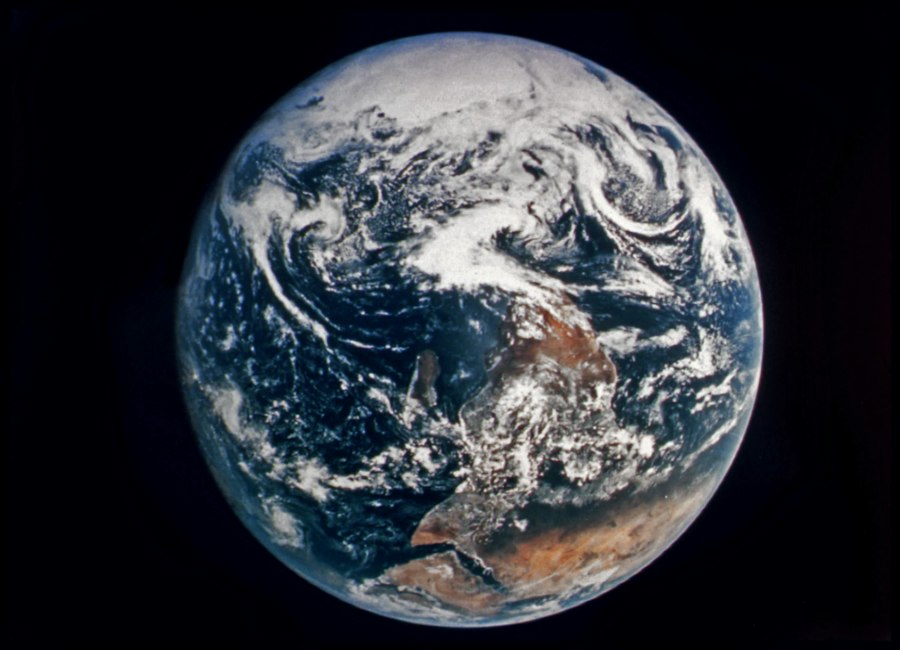
The Earth’s internal structure is characterized by distinct layers, each with its own temperature, pressure, and compositional properties. As one descends from the surface, the temperature, pressure, and density of these layers increase dramatically, a direct consequence of the geothermal gradient and the increasing mass above.
The Crust: The Thin, Cool Outer Shell
The Earth’s crust is the outermost solid shell, relatively thin and cool compared to the deeper layers. Its thickness varies from about 5 kilometers beneath the oceans to over 70 kilometers beneath major mountain ranges. Temperatures at the surface are governed by solar radiation and atmospheric conditions, but they rapidly increase with depth due to the geothermal gradient. Temperatures within the crust can range from ambient surface temperatures to several hundred degrees Celsius at its base.
The Mantle: The Vast, Hot Reservoir
Beneath the crust lies the mantle, a vast layer that constitutes about 84% of Earth’s volume. The mantle is primarily composed of silicate rocks and is divided into the upper mantle and the lower mantle. Temperatures in the mantle increase significantly with depth. At the top of the mantle, just below the crust, temperatures can range from around 500°C to 900°C. As one descends through the upper mantle, temperatures reach approximately 2,000°C. The lower mantle continues this trend, with temperatures climbing to over 4,000°C at its boundary with the core. The immense heat within the mantle drives the convection currents that are responsible for plate tectonics.
The Asthenosphere: A Viscous Layer of Flow
The asthenosphere is a part of the upper mantle characterized by its plasticity and low viscosity. While still solid, the high temperatures and pressures here allow the rock to flow very slowly over geological timescales. This flowing asthenosphere is crucial for the movement of the tectonic plates that float on its surface. The temperature within the asthenosphere is high enough to facilitate this slow, viscous flow, enabling the dynamic processes that shape our planet.
The Transition Zone and the Lower Mantle
Between the upper and lower mantle lies the transition zone, a region where minerals undergo phase changes due to increasing pressure and temperature. Below this, the lower mantle extends down to the core-mantle boundary. The lower mantle is hotter and denser than the upper mantle, with temperatures steadily increasing as depth increases. The seismic properties of the lower mantle suggest it is largely homogeneous, though some significant heterogeneities have been detected, possibly related to ancient subducted slabs.
The Core: The Fiery Heart of the Earth
At the very center of the Earth lies the core, a region of extreme temperature and pressure. The core is divided into two distinct parts: the outer core and the inner core.
The Outer Core: A Molten Metal Ocean
The outer core is composed primarily of iron and nickel and is in a liquid state due to the extreme temperatures. Temperatures here range from about 4,400°C at its outer boundary to over 6,100°C at its inner boundary. The convection of this molten metal within the outer core is responsible for generating Earth’s magnetic field through a process known as the geodynamo. The intense heat from the inner core, combined with the Earth’s rotation, drives these complex convective currents.
The Inner Core: A Solid Sphere of Iron
Despite being even hotter than the outer core, the inner core is solid. This is due to the immense pressure at the Earth’s center, which is so great that it forces the iron and nickel atoms into a solid crystalline structure. Temperatures in the inner core are estimated to be around 5,200°C to 6,200°C, comparable to the surface of the Sun. The inner core is slowly growing as the Earth gradually cools, and the molten iron in the outer core solidifies at the inner core boundary.
Implications of Earth’s Increasing Heat with Depth

The escalating temperatures within the Earth are not merely academic curiosities; they have profound implications for a wide range of geological phenomena and human endeavors. Understanding this thermal gradient is essential for comprehending our planet’s dynamism and harnessing its energy.
Plate Tectonics: The Engine of Continental Drift
The most significant consequence of Earth’s internal heat is its role in driving plate tectonics. The convection currents within the mantle, powered by the heat from the core and radioactive decay, are the fundamental mechanism behind the movement of the Earth’s lithospheric plates. This slow but relentless motion shapes continents, creates mountains, triggers earthquakes, and fuels volcanic activity. Without the heat within the Earth, the plates would be stationary, and our

They Drilled 12 KM Into Earth — Then Everything Changed
FAQs
1. Why does Earth get hotter with depth?
The Earth gets hotter with depth due to the geothermal gradient, which is the rate at which the Earth’s temperature increases with depth. This is primarily caused by the heat from the Earth’s core and radioactive decay of elements within the Earth.
2. How does the geothermal gradient vary around the world?
The geothermal gradient varies around the world depending on factors such as tectonic activity, crustal thickness, and the presence of geological features like hot springs and volcanoes. Generally, the geothermal gradient is higher in regions with active tectonic plates.
3. What is the average geothermal gradient of the Earth’s crust?
The average geothermal gradient of the Earth’s crust is approximately 25-30 degrees Celsius per kilometer of depth. However, this can vary significantly in different regions based on local geological conditions.
4. How is geothermal energy harnessed for human use?
Geothermal energy is harnessed for human use by tapping into the Earth’s heat through geothermal power plants. These plants use the heat from the Earth’s crust to generate electricity or provide direct heating for buildings and industrial processes.
5. What are some practical applications of geothermal energy?
Some practical applications of geothermal energy include heating buildings, generating electricity, greenhouse heating, and spa facilities. Geothermal energy is considered a renewable and sustainable energy source with low greenhouse gas emissions.