- The Silent Spectacle: Why Empty Shelves Mirror Broader Crises
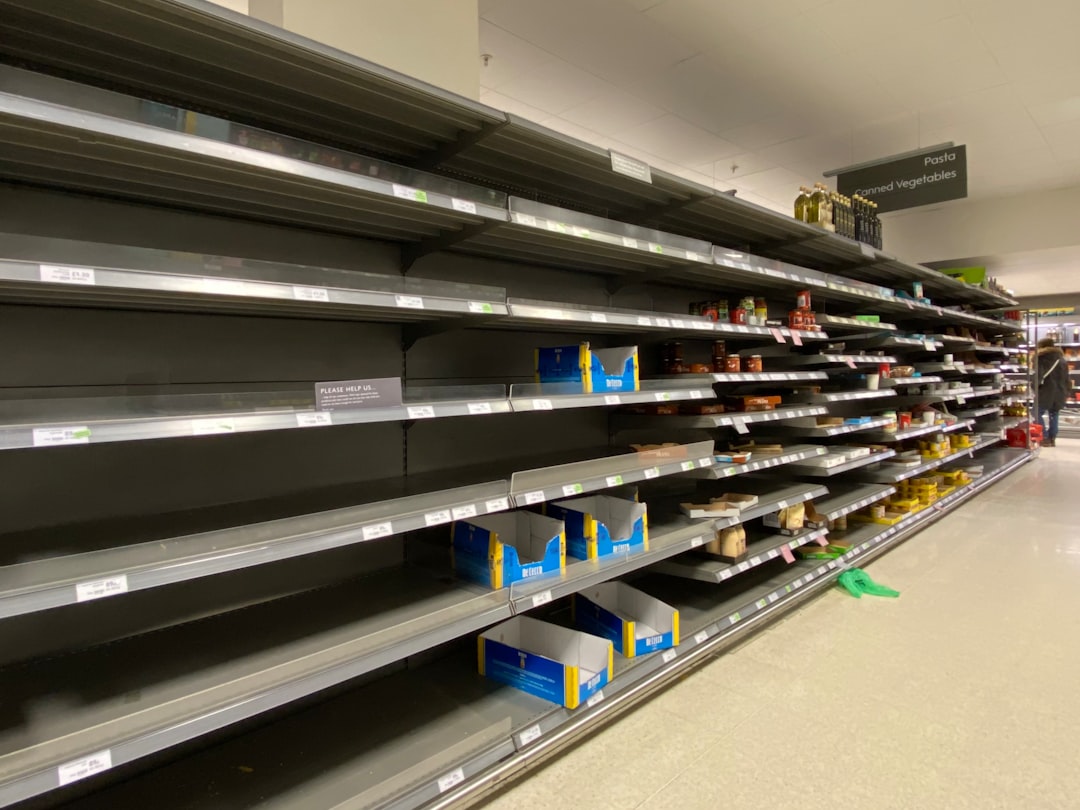
The sight of barren shelves, once a staple of late-night infomercials and post-apocalyptic fiction, has become an increasingly common and unsettling reality in recent years. From toilet paper during a global pandemic to computer chips during a manufacturing slowdown, empty shelves are more than just an inconvenience; they are a palpable symptom of deeper, more complex issues within our global supply chains. As the Listicle Content Architect, the LCA understands that unraveling these phenomena requires dissecting the intricate network that brings goods from production to our doorstep. This listicle aims to demystify the causes, consequences, and potential solutions to the recurring spectacle of empty shelves, illuminating the silent stories they tell about our interconnected world and its inherent vulnerabilities.
- The Psychology of Scarcity: More Than Just Missing Items
The emotional response to seeing empty shelves is often immediate and visceral. It triggers primal anxieties about survival and security, often exacerbated by media coverage and social media amplification. This psychological impact can lead to panic buying, which, paradoxically, can create or worsen the very shortages people are trying to avoid. The LCA recognizes that comprehending consumer behavior in times of crisis is a crucial element in understanding shelf emptiness.
- Panic Buying: A Self-Fulfilling Prophecy
When a credible threat to supply emerges, consumers, fearing future unavailability, tend to over-purchase current stock. This surge in demand, often exceeding typical consumption patterns by significant margins, can deplete inventories far faster than replenishment can occur, even if the underlying supply chain is fundamentally stable. This behavior transforms a potential, temporary shortage into a very real and immediate one.
- Loss Aversion and Perceived Risk
Humans are generally more motivated to avoid losses than to acquire equivalent gains. The perceived loss of essential goods, even if the probability of true scarcity is low, can drive irrational purchasing decisions. This innate psychological bias contributes to the rapid emptying of shelves.
- The Global Village: An Interconnected Web Under Strain
Our modern economy thrives on a complex, globalized system where goods are produced, processed, and distributed across continents. This interconnectedness, while efficient in normal times, becomes a significant point of vulnerability when disruptions occur at any node within the chain. The LCA observes that the very strengths of globalization – specialization and just-in-time inventory – become its weaknesses during crises.
- Just-in-Time Inventory: Efficiency’s Double-Edged Sword
Many industries have adopted “just-in-time” (JIT) inventory management, aiming to minimize storage costs by receiving goods only as they are needed for production or sale. While highly efficient when the system runs smoothly, JIT leaves very little buffer stock to absorb unexpected shocks. A disruption anywhere along the JIT pipeline can quickly lead to stockouts downstream.
- Geopolitical Dependencies: A Fragile Balance
Certain regions or countries may hold a near-monopoly on the production of specific raw materials or manufactured components. When geopolitical tensions, trade wars, or political instability arise in these areas, it can have a cascading effect on global supply chains, leading to shortages of finished goods far removed from the initial point of conflict.
- The Anatomy of Interruption: Pinpointing the Causes of Empty Shelves
The seemingly simple act of a product disappearing from a store shelf is the culmination of numerous potential failures within a vast and intricate network. From the extraction of raw materials to the final mile delivery, disruptions can originate at any stage. The Listicle Content Architect (LCA) meticulously categorizes these disruptions to provide a clear understanding of their origins and cascading effects. Understanding these root causes is the first step in preventing future occurrences and building more resilient supply chains.
- Natural Disasters: Nature’s Unpredictable Fury
The elemental forces of nature, often beyond human control, can wreak havoc on supply chains. Earthquakes, hurricanes, floods, and extreme weather events can cripple production facilities, destroy transportation infrastructure, and disrupt the movement of goods.
- Impact on Production Facilities
A factory situated in a region prone to natural disasters can be damaged or destroyed, halting production for extended periods. Repairs and rebuilding can take months or even years, leading to prolonged shortages of the goods it produced.
- Disruption of Transportation Networks
Floods can render roads and rail lines impassable, ships can be grounded by storms, and airports can be shut down by severe weather. This physical disruption of transportation links isolates production sites and prevents goods from reaching their destinations, even if production itself is unaffected.
- Agricultural Yield Disruptions
Droughts, floods, and unseasonal frosts can decimate agricultural yields, impacting the availability of food products, animal feed, and raw materials for various industries (e.g., cotton for textiles, timber for construction).
- Man-Made Crises: Human Error and Intentional Acts
Beyond natural calamities, human actions – both deliberate and accidental – are significant contributors to supply chain breakdowns. These can range from industrial accidents to geopolitical conflicts and cyberattacks.
- Industrial Accidents and Factory Fires
A fire in a critical manufacturing plant, a chemical spill at a processing facility, or a major equipment failure can halt production instantly. The complexity of modern manufacturing often means that a single point of failure can have widespread consequences.
- Geopolitical Instability and Conflict
Wars, civil unrest, and political sanctions can disrupt trade routes, close borders, and lead to the cessation of imports or exports. This is particularly impactful for countries that rely heavily on international trade for essential goods.
- Labor Disputes and Strikes
Strikes in key sectors, such as port workers, truck drivers, or factory employees, can bring the movement and production of goods to a standstill, causing significant backlogs and shortages.
- Cybersecurity Threats
Modern supply chains are heavily reliant on digital infrastructure. Ransomware attacks, data breaches, or denial-of-service attacks can cripple logistics systems, disrupt inventory management, and halt operations, leading to immediate stockouts.
- Global Health Emergencies: The Pandemic Phenomenon
The COVID-19 pandemic served as a stark and unprecedented illustration of how global health crises can unravel supply chains. Lockdowns, worker shortages, and shifts in consumer demand created a perfect storm of disruptions.
- Lockdowns and Factory Closures
Government-mandated lockdowns forced factories to temporarily close or operate at reduced capacity, leading to significant drops in manufacturing output.
- Workforce Disruptions and Illness
Widespread illness among workers, quarantine requirements, and concerns about workplace safety led to labor shortages across the supply chain, from production lines to delivery services.
- Surges and Shifts in Consumer Demand
The pandemic caused dramatic and unpredictable shifts in consumer behavior. Demand for certain goods (e.g., home office supplies, cleaning products, groceries) surged, while demand for others (e.g., travel-related items, luxury goods) plummeted. This rapid recalibration overwhelmed existing supply chains.
- Port Congestion and Shipping Delays
The combination of increased demand for certain goods, reduced workforce capacity at ports, and disruptions in shipping schedules led to unprecedented congestion at major ports worldwide, resulting in massive delays in goods reaching their destinations.
- The Domino Effect: Consequences of Empty Shelves
The immediate consequence of empty shelves is frustration for consumers. However, the ripple effects extend far beyond individual inconvenience, impacting businesses, economies, and societal well-being. The Listicle Content Architect (LCA) emphasizes that understanding these broader consequences is crucial for appreciating the gravity of supply chain disruptions and motivating action.
- Economic Repercussions: Beyond the Price Tag
Empty shelves translate into tangible economic losses for businesses and can contribute to broader macroeconomic instability. The smooth flow of goods is the lifeblood of commerce, and its interruption has far-reaching financial implications.
- Lost Sales and Reduced Revenue for Businesses
When products are unavailable, retailers lose sales. This directly impacts their revenue, profitability, and ability to invest in their operations. Small businesses, with less buffer stock and financial resilience, are often hit hardest.
- Inflationary Pressures
When demand outstrips supply, prices tend to rise. Shortages of goods can contribute to inflation as consumers compete for limited availability, and businesses face increased costs in acquiring scarce materials or finished products.
- Impact on Manufacturing and Production Schedules
A shortage of a critical component can halt an entire production line, leading to delays in manufacturing new products and potentially creating a backlog of orders that can take months to clear.
- Damage to Brand Reputation and Consumer Trust
Persistent stockouts can erode consumer loyalty. Shoppers may turn to competitors who can consistently meet their needs, leading to long-term damage to a brand’s reputation and trust.
- Societal Impacts: More Than Just an Inconvenience
The effects of empty shelves can extend beyond economic metrics, influencing social stability and public morale. Especially in times of crisis, the availability of essential goods is paramount.
- Increased Consumer Anxiety and Stress
The inability to access needed items, especially during emergencies or times of uncertainty, can significantly increase stress and anxiety levels within the population. This can have a detrimental effect on mental well-being.
- Disproportionate Impact on Vulnerable Populations
Lower-income households and individuals with limited mobility are often more severely affected by shortages. They may have less flexibility to travel to multiple stores, less purchasing power to acquire alternative goods, or less ability to stockpile when items are available.
- Erosion of Public Confidence in Institutions
When governments and businesses appear unable to ensure the basic availability of goods, public confidence in these institutions can wane, leading to a sense of helplessness and distrust.
- Challenges to Essential Services and Healthcare
Shortages can impact the availability of critical supplies for healthcare, emergency services, and other essential functions, potentially compromising public safety and well-being. This could include medical equipment, pharmaceuticals, or even basic sanitation supplies.
- Global Trade Imbalances and Geopolitical Tensions
Supply chain disruptions can exacerbate existing global trade imbalances and even contribute to geopolitical friction. The scramble for limited resources can lead to protectionist policies and increased international competition.
- Rise of Protectionism and Trade Barriers
In response to perceived external vulnerabilities, countries may enact protectionist policies, such as tariffs or export bans, to secure domestic supply, further fragmenting global markets and potentially leading to retaliatory measures.
- Competition for Scarce Resources
When critical raw materials or components become scarce, international competition to secure them intensifies, which can strain diplomatic relations and create new areas of geopolitical tension.
- Fortifying the Chain: Strategies for Building Resilience
Recognizing the vulnerabilities within current supply chains is the first step toward building more robust and resilient systems. The Listicle Content Architect (LCA) understands that resilience is not a single solution but a multi-faceted approach involving diversification, technological adoption, and strategic foresight. The goal is to create supply chains that can withstand shocks and adapt quickly to changing circumstances.
- Diversification: Spreading the Risk
Over-reliance on single sources or regions for critical goods is a major vulnerability. Diversifying suppliers, manufacturing locations, and transportation routes significantly reduces the impact of any single disruption.
- Supplier Diversification
Instead of sourcing components from a single supplier, companies can identify and qualify multiple suppliers in different geographic regions. This ensures that if one supplier experiences issues, others can pick up the slack.
- Geographic Diversification of Manufacturing
Establishing manufacturing facilities in various countries or regions reduces the risk associated with localized natural disasters, political instability, or trade disputes in a single area.
- Transportation Route Diversification
Utilizing a combination of shipping, air freight, rail, and trucking, and seeking alternative routes, can mitigate the impact of disruptions to any one mode of transport or specific transit points.
- Inventory Management: Beyond Just-in-Time
While JIT offers efficiency, an overemphasis on it can be detrimental. A more balanced approach, incorporating strategic buffer stocks, can provide much-needed resilience.
- Strategic Buffer Stocks (Safety Stock)
Identifying critical components or finished goods and maintaining a predetermined level of safety stock can provide a cushion against unexpected demand surges or supply interruptions. This involves a careful balance between inventory holding costs and the cost of stockouts.
- Dynamic Inventory Re-evaluation
Continuously monitoring demand forecasts, geopolitical events, and potential risks to adjust inventory levels proactively becomes essential. This moves beyond static re-order points.
- Regional Warehousing and Distribution Hubs
Establishing smaller, regional warehouses can ensure faster replenishment to local markets and act as decentralized hubs that can absorb some of the shock from disruptions to primary national or international distribution centers.
- Technological Integration: Enhancing Visibility and Agility
Technology plays a pivotal role in improving supply chain visibility, enabling faster decision-making, and increasing overall agility.
- Real-Time Tracking and Visibility Platforms
Implementing advanced tracking systems (e.g., RFID, GPS, IoT sensors) allows for real-time monitoring of goods in transit, inventory levels, and production status. This heightened visibility enables proactive problem-solving and informed decision-making.
- Artificial Intelligence (AI) and Machine Learning (ML) for Demand Forecasting
AI and ML can analyze vast datasets to provide more accurate demand forecasts, predict potential disruptions, and optimize inventory allocation, thus mitigating the impact of unforeseen events.
- Blockchain for Enhanced Transparency and Traceability
Blockchain technology can provide an immutable and transparent ledger of transactions and movements throughout the supply chain, enhancing traceability, reducing fraud, and improving trust between partners.
- Automation in Warehousing and Logistics
Robotics and automated systems in warehouses can improve efficiency, reduce reliance on human labor (which can be a vulnerability during health crises), and speed up order fulfillment.
- Looking Ahead: The Future of Resilient Supply Chains
The recurring theme of empty shelves is a powerful catalyst for innovation and transformation within global supply chains. The Listicle Content Architect (LCA) posits that the future lies in creating systems that are not only efficient but also inherently robust, adaptable, and sustainable. This requires a proactive shift in mindset and strategic investment in long-term solutions.
- Near-Shoring and Re-Shoring: Bringing Production Closer
A growing trend is the strategic relocation of manufacturing and production closer to end markets. This can shorten lead times, reduce transportation risks, and offer greater control over the supply chain.
- Reducing Transportation Vulnerabilities
Manufacturing closer to home significantly decreases reliance on long, complex international shipping routes that are susceptible to port congestion, geopolitical issues, and transit delays.
- Enhanced Agility and Responsiveness
Proximity allows for quicker responses to changing consumer demands and market shifts, facilitating more agile production adjustments and faster new product introductions.
- Job Creation and Economic Development Domestically
Near-shoring and re-shoring can contribute to domestic job creation and stimulate local economies, offering a political and economic rationale for these shifts.
- Circular Economy Principles: Building Sustainability and Redundancy
Embracing circular economy principles, which focus on reducing waste and maximizing the use of resources, can inherently build resilience by diversifying resource streams and reducing reliance on virgin materials.
- Emphasis on Recycled and Renewable Materials
Increased use of recycled and renewable materials reduces dependency on primary resource extraction, which can be subject to geopolitical instability and environmental disruptions.
- Product Design for Durability and Repairability
Designing products that are built to last and are easily repairable not only extends product lifecycles but also reduces the constant demand for new production and the associated supply chain pressures.
- Extended Producer Responsibility (EPR)
EPR schemes encourage manufacturers to take responsibility for their products throughout their lifecycle, including end-of-life management, fostering greater efficiency and reducing waste.
- Collaborative Ecosystems: The Power of Partnerships
The complexity of modern supply chains necessitates greater collaboration among all stakeholders, from raw material suppliers to end consumers. Shared data, risk assessment, and joint problem-solving are key.
- Data Sharing and Predictive Analytics
Open and secure data sharing among supply chain partners enables more accurate forecasting, better resource allocation, and more effective identification of potential risks before they escalate into full-blown disruptions.
- Joint Risk Management and Scenario Planning
Collaborative efforts to identify potential risks, conduct scenario planning, and develop joint mitigation strategies can create a more unified and effective response to crises.
- Public-Private Partnerships for Infrastructure and Resilience
Governments and private industries can work together to invest in critical infrastructure, develop emergency response protocols, and foster greater overall supply chain resilience.
- Consumer Education and Behavior: A Shared Responsibility
Ultimately, consumer behavior plays a role in the dynamics of supply and demand. Educating consumers and fostering responsible purchasing habits can contribute to a more stable market.
- Promoting Mindful Consumption
Encouraging consumers to buy only what they need and consider the environmental and social impact of their purchases can help moderate demand fluctuations.
- Understanding Supply Chain Limitations
Greater public awareness of the complexities and vulnerabilities of global supply chains can foster patience and understanding during periods of disruption.

The Black Layer That Shouldn’t Exist
FAQs
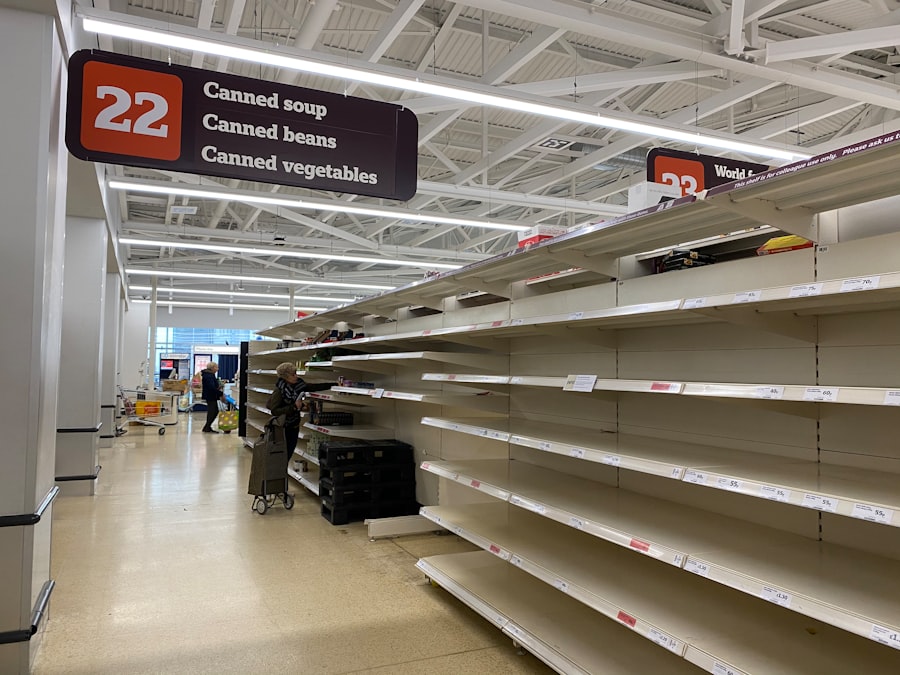
1. Why do empty shelves occur during crises?
Empty shelves occur during crises due to panic buying and hoarding by consumers, disruptions in the supply chain, and increased demand for essential goods.
2. What causes panic buying and hoarding during crises?
Panic buying and hoarding during crises are often caused by fear and uncertainty, leading consumers to stockpile essential items such as food, water, and hygiene products.
3. How do disruptions in the supply chain contribute to empty shelves during crises?
Disruptions in the supply chain, such as transportation and production delays, can lead to shortages of goods in stores, resulting in empty shelves during crises.
4. Why does increased demand for essential goods lead to empty shelves during crises?
Increased demand for essential goods during crises, such as medical supplies and food, can outstrip the available supply, causing empty shelves as retailers struggle to keep up with the demand.
5. What can be done to prevent empty shelves during crises?
To prevent empty shelves during crises, measures such as implementing purchase limits, maintaining open communication in the supply chain, and increasing production and distribution of essential goods can help ensure a steady supply of goods for consumers.