Unraveling the Threads of Heritage: DNA Testing and Native American Ancestry
The quest to understand one’s ancestral origins has taken on a new dimension with the advent of direct-to-consumer DNA testing. For individuals with suspected or known Native American heritage, these genetic insights offer a powerful, albeit nuanced, path to discovering their roots. While the allure of definitive answers is strong, navigating the complexities of DNA testing in relation to Native American ancestry requires careful consideration of its capabilities, limitations, and the ethical implications involved. This exploration delves into how DNA testing can illuminate Native American ancestry, the types of information it can provide, the challenges in interpretation, and the broader context of identity and community.
DNA testing has become a popular method for individuals seeking to trace their Native American ancestry, providing insights into heritage that were previously difficult to obtain. For those interested in understanding the broader implications of ancestry and identity in the context of modern employment trends, a related article discusses the impact of nearshoring on American jobs, which can also influence cultural and familial connections. You can read more about this topic in the article here: The Impact of Nearshoring on American Jobs.
The Science Behind the Ancestry: Genetic Markers and Migration Patterns
DNA testing for ancestry primarily relies on analyzing specific genetic markers found within an individual’s genome. These markers are inherited from ancestors and can reveal patterns of migration and population history. For Native American ancestry, several key types of DNA are analyzed, each offering a different perspective on heritage.
Autosomal DNA: The Broadest Sweep
Autosomal DNA is inherited from all of your ancestors, both maternal and paternal, going back approximately five to seven generations. This is the most common type of DNA tested by commercial services and provides the broadest overview of one’s genetic makeup. When it comes to Native American ancestry, autosomal DNA can detect percentages of DNA that are common to indigenous populations of the Americas. These percentages are determined by comparing an individual’s DNA against vast reference databases compiled from individuals with known ancestral backgrounds.
The strength of autosomal DNA testing lies in its ability to identify recent ancestral connections. If an individual has a relatively recent Native American ancestor, the likelihood of detecting a measurable percentage through autosomal DNA is high. However, the accuracy of these percentages is influenced by the size and diversity of the reference populations used by the testing company. A larger and more representative database will yield more precise results.
Mitochondrial DNA (mtDNA): Tracing the Maternal Lineage
Mitochondrial DNA is inherited solely from the mother. This means that by analyzing mtDNA, one can trace their maternal lineage back thousands of years. Specific haplogroups, which are groups of people sharing a common maternal ancestor, are associated with different ancestral populations. Several mtDNA haplogroups are uniquely prevalent among indigenous peoples of the Americas, providing strong evidence for maternal Native American ancestry.
The power of mtDNA lies in its ability to reveal deep ancestral connections that might be lost in autosomal DNA due to the random recombination of genetic material across generations. For example, even if an individual has a very distant maternal Native American ancestor, their mtDNA can potentially reveal this connection, whereas autosomal DNA might show a negligible percentage due to dilution over many generations. However, mtDNA only provides information about one specific ancestral line – the maternal one.
Y-Chromosome DNA (Y-DNA): Tracing the Paternal Lineage
Y-chromosome DNA is passed down exclusively from father to son. Therefore, Y-DNA testing can trace an individual’s paternal lineage back through generations. Similar to mtDNA, specific Y-DNA haplogroups are strongly associated with indigenous populations of the Americas. Identifying these haplogroups can provide compelling evidence for paternal Native American ancestry.
Like mtDNA, Y-DNA offers a view into a single ancestral line, the paternal one. Its value is in its ability to trace the deep history of that specific lineage. However, it is important to remember that Y-DNA is only relevant for males. For females, this type of testing is not applicable as they do not possess a Y-chromosome.
The Role of Reference Populations and Ethnicity Estimates
DNA testing companies build their ethnicity estimates by comparing an individual’s DNA against curated reference populations. These reference populations consist of individuals whose genealogical research confirms their ancestry from specific geographic regions or ethnic groups. For Native American ancestry, these databases are crucial. The more robust and diverse the reference populations representing indigenous peoples of the Americas, the more accurate the ethnicity estimates will be.
However, the formation of these reference populations presents challenges. Historically, Native American communities have faced displacement, assimilation, and data privacy concerns. This can make it difficult for testing companies to obtain comprehensive and representative genetic data from all indigenous groups. As a result, ethnicity estimates for Native American ancestry might sometimes be less precise or comprehensive compared to populations with more extensive historical documentation and readily available genetic samples.
Navigating the Nuances: Challenges and Considerations in Native American Ancestry
While DNA testing offers exciting possibilities, understanding Native American ancestry through genetics is not without its complexities. Several factors can influence the accuracy and interpretation of results, necessitating a thoughtful and critical approach.
The Fluidity of “Native American” Identity
The term “Native American” itself encompasses a vast diversity of cultures, languages, and histories across the North American continent. DNA testing, by its nature, categorizes genetic similarities. It may identify a broad “Native American” or “Indigenous Americas” region, but it rarely pinpoints a specific tribe or nation. This is because genetic markers, while indicative of ancient migration patterns, do not neatly align with modern tribal boundaries, which were often shaped by historical, political, and social factors in addition to ancient movements.
Furthermore, genetic profiles can overlap between historically connected or neighboring indigenous groups. For instance, genetic similarities might be observed between certain tribes in the Southwest and groups in Mesoamerica due to ancient trade routes and population movements. This can lead to broader regional estimates rather than precise tribal affiliations.
The Impact of Historical Events and Genetic Dilution
Over centuries, the history of Native American peoples has been marked by colonization, forced assimilation, and intermarriage with European and African populations. These historical events have resulted in genetic admixture, meaning that many individuals with Native American ancestry may have a relatively small percentage of indigenous DNA. In such cases, autosomal DNA testing might yield very low percentages that could be on the cusp of detection, or even fall below the threshold for reporting.
The dilution of Native American DNA over generations can also pose a challenge. If a Native American ancestor is several generations removed, their genetic contribution may become so diluted that it is no longer statistically detectable by current DNA testing methodologies. This does not negate the existence of that ancestor but rather highlights the limitations of genetic analysis in tracing very distant familial connections.
The Role of Genealogy and Traditional Knowledge
DNA testing should not be viewed as a sole determinant of Native American identity. For many, identity is deeply intertwined with cultural practices, community involvement, genealogical records, and oral histories passed down through generations. Genetic results can offer supplementary information, but they should be integrated with, not replace, traditional methods of ancestry discovery.
Genealogical research, including the examination of census records, tribal rolls, and family histories, can provide crucial context and corroboration for DNA findings. Likewise, engaging with elders and community members can offer invaluable insights into family history and cultural traditions that DNA alone cannot convey.
Limitations in Reference Databases and Algorithmic Interpretation
The accuracy of ethnicity estimates is heavily reliant on the comprehensiveness and accuracy of the reference populations used by DNA testing companies. For Native American populations, historical injustices and ongoing data privacy concerns can make it challenging to compile robust and representative reference databases. This can lead to less precise or less granular ethnicity estimates for Native American ancestry compared to some other ethnic groups.
Moreover, the algorithms used to interpret genetic data and generate ethnicity estimates are proprietary and constantly evolving. While these algorithms are sophisticated, they are still based on probabilities and statistical models. Minor variations in the algorithm or reference data can lead to slightly different results between testing companies, or even between different tests from the same company over time as their databases and algorithms are updated.
Beyond the Percentage: Understanding the Broader Significance of DNA Insights
The insights gained from Native American ancestry DNA testing extend far beyond mere percentages. They offer a tangible connection to the past, fostering a deeper understanding of cultural heritage and the resilience of indigenous peoples.
Rekindling Connections and Cultural Awareness
For individuals who have felt a disconnect from their heritage or have limited knowledge of their Native American roots, DNA testing can be a powerful catalyst for discovery. It can spark a journey of learning about indigenous cultures, traditions, languages, and histories. This newfound awareness can foster a sense of belonging and a stronger connection to their ancestral past.
The results can also prompt individuals to explore resources and communities related to their potential Native American heritage, such as tribal historical societies, cultural centers, and online forums. This engagement can lead to meaningful connections with others who share similar ancestral backgrounds and a deeper appreciation for the richness and diversity of Native American cultures.
The Complexities of Tribal Enrollment and Recognition
It is crucial to understand that DNA test results alone generally do not qualify an individual for tribal enrollment. Tribal enrollment criteria are typically based on lineal descent from recognized tribal members, often requiring specific ancestral blood quantum percentages as defined by the tribe itself, or adherence to specific membership rules. These rules are determined by each sovereign nation and are not dictated by genetic testing companies.
While DNA testing might indicate a connection to a particular region or historical indigenous population, it cannot provide the legal documentation or fulfill the specific genealogical requirements needed for formal tribal recognition. Individuals seeking tribal enrollment should consult directly with the specific tribe they believe they are descended from to understand their membership requirements.
The Ethical Landscape of Genetic Ancestry
The use of DNA testing for ancestry raises important ethical considerations, particularly for indigenous communities. Concerns include data privacy, the potential for genetic information to be used in ways that could harm or exploit these communities, and the commodification of heritage. Many indigenous nations have expressed concerns about the collection and use of their members’ genetic data by commercial entities.
It is important for individuals to be aware of the privacy policies of DNA testing companies and to consider how their genetic data might be used, shared, or stored. Some companies offer options for individuals to opt out of data sharing for research purposes, or to have their data deleted. Additionally, some indigenous groups are developing their own DNA testing initiatives to ensure that genetic research is conducted in a culturally appropriate and beneficial manner for their communities.
DNA testing has become a popular method for individuals seeking to explore their Native American ancestry, offering insights into genetic heritage and tribal connections. For those interested in understanding the broader implications of ancestry and identity, a related article discusses various strategies for building a sustainable lunar economy, which can be seen as a metaphor for how we approach our roots and heritage. You can read more about this intriguing topic in the article found here.
Building Bridges: Integrating DNA with Traditional Ancestry Research
| Metric | Description | Typical Range/Value | Notes |
|---|---|---|---|
| Percentage of Native American Ancestry | Estimated proportion of DNA inherited from Native American ancestors | 0% – 100% | Varies widely depending on individual heritage |
| Number of Genetic Markers Tested | Number of SNPs or markers analyzed to determine ancestry | 500,000 – 700,000 SNPs | Higher marker counts improve accuracy |
| Reference Populations | Number of Native American groups included in the database | 10 – 50+ populations | More reference groups increase resolution |
| Confidence Interval | Statistical confidence in ancestry percentage estimates | ±1% to ±5% | Depends on test quality and database size |
| Time to Most Recent Common Ancestor (TMRCA) | Estimated number of generations to shared Native American ancestor | 5 – 20 generations | Varies based on segment length and recombination rates |
| Y-DNA Haplogroups | Male lineage markers associated with Native American ancestry | Q-M3, C3b | Present in many Native American paternal lines |
| mtDNA Haplogroups | Maternal lineage markers associated with Native American ancestry | A2, B2, C1, D1 | Common Native American maternal haplogroups |
| Admixture Resolution | Ability to distinguish Native American ancestry from other ancestries | High to Moderate | Depends on database and algorithm sophistication |
The most comprehensive understanding of Native American ancestry arises from a synergistic approach that integrates the scientific insights of DNA testing with the rich tapestry of traditional genealogical research and cultural knowledge.
The Complementary Nature of Genetic and Genealogical Data
DNA testing provides a biological snapshot, revealing patterns of inheritance and population movements. Genealogical research, on the other hand, provides the historical narrative, connecting individuals to specific ancestors through documentary evidence. When these two approaches are combined, they can offer a more complete and nuanced picture of one’s heritage.
For example, a DNA test might indicate a significant percentage of Native American ancestry, but genealogical research can help to identify the specific family lines through which this heritage was passed down. Conversely, genealogical records might suggest Native American ancestry, and DNA testing can provide scientific confirmation and potentially identify broader regional connections. This triangulation of information strengthens the accuracy and depth of ancestral discovery.
The Importance of Community and Cultural Context
Ancestry is not solely about genetics; it is also about belonging, culture, and lived experience. Engaging with Native American communities, learning about their histories and traditions, and participating in cultural events can provide a profound understanding of what it means to have Native American heritage that DNA alone cannot convey.
The knowledge passed down through oral traditions and the collective memory of a community offer invaluable context for genetic findings. Understanding the historical experiences of indigenous peoples, their resilience in the face of adversity, and their ongoing cultural contributions enriches the personal discovery of one’s ancestry.
Navigating the Future of Ancestry Discovery
As DNA testing technology continues to advance, the precision and scope of ancestral insights will likely increase. Future developments may lead to more granular regional identifications and a better understanding of the genetic diversity within indigenous populations. However, the ethical considerations and the importance of community engagement will remain paramount.
The journey of understanding Native American ancestry through DNA is an ongoing exploration. It is a powerful tool that, when used thoughtfully and in conjunction with other forms of research and cultural immersion, can unlock profound connections to the past and a deeper appreciation for the enduring legacy of indigenous peoples. It encourages a holistic view of heritage, where genetic clues are woven into the vibrant fabric of family history, cultural identity, and community belonging.
DNA testing for Native American ancestry has gained popularity as individuals seek to connect with their heritage and understand their roots. A fascinating exploration of how modern technology intersects with historical narratives can be found in an article discussing Russia’s role in the new moon race, which highlights the importance of understanding our past as we venture into the future. For more insights, you can read the article here. This intersection of science and history not only sheds light on personal identities but also emphasizes the broader implications of ancestry in today’s world.
The Personal Journey: Identity, Belonging, and the Evolving Understanding of Self
Ultimately, the most significant impact of DNA testing for Native American ancestry lies in its potential to shape an individual’s understanding of their own identity. For many, the results can be profoundly affirming, providing a tangible link to a heritage they may have only dimly perceived.
Reconnecting with Lost Heritage
In cases where historical circumstances led to the suppression or loss of Native American heritage, DNA testing can act as a bridge to reconnecting with those lost threads. It can empower individuals to seek out information, connect with relatives, and explore cultural practices that may have been obscured by time and societal pressures. This reconnection can be a deeply emotional and transformative experience.
A Catalyst for Deeper Exploration
The insights gained from a DNA test are often not an endpoint but a beginning. They can ignite a passion for further genealogical research, leading individuals to delve into historical archives, consult with tribal historians, and immerse themselves in the study of indigenous cultures. This proactive engagement fosters a more profound and nuanced understanding of their ancestry.
Embracing the Complexity of Identity
Native American identity is not monolithic. It is a complex tapestry woven from genetics, culture, lived experience, and self-identification. DNA testing offers one piece of this intricate puzzle. It encourages individuals to embrace the multifaceted nature of their identity, recognizing that their heritage is a dynamic and evolving construct. The journey of understanding one’s ancestry is a lifelong pursuit, enriched by scientific discovery, historical context, and the embrace of community and culture.
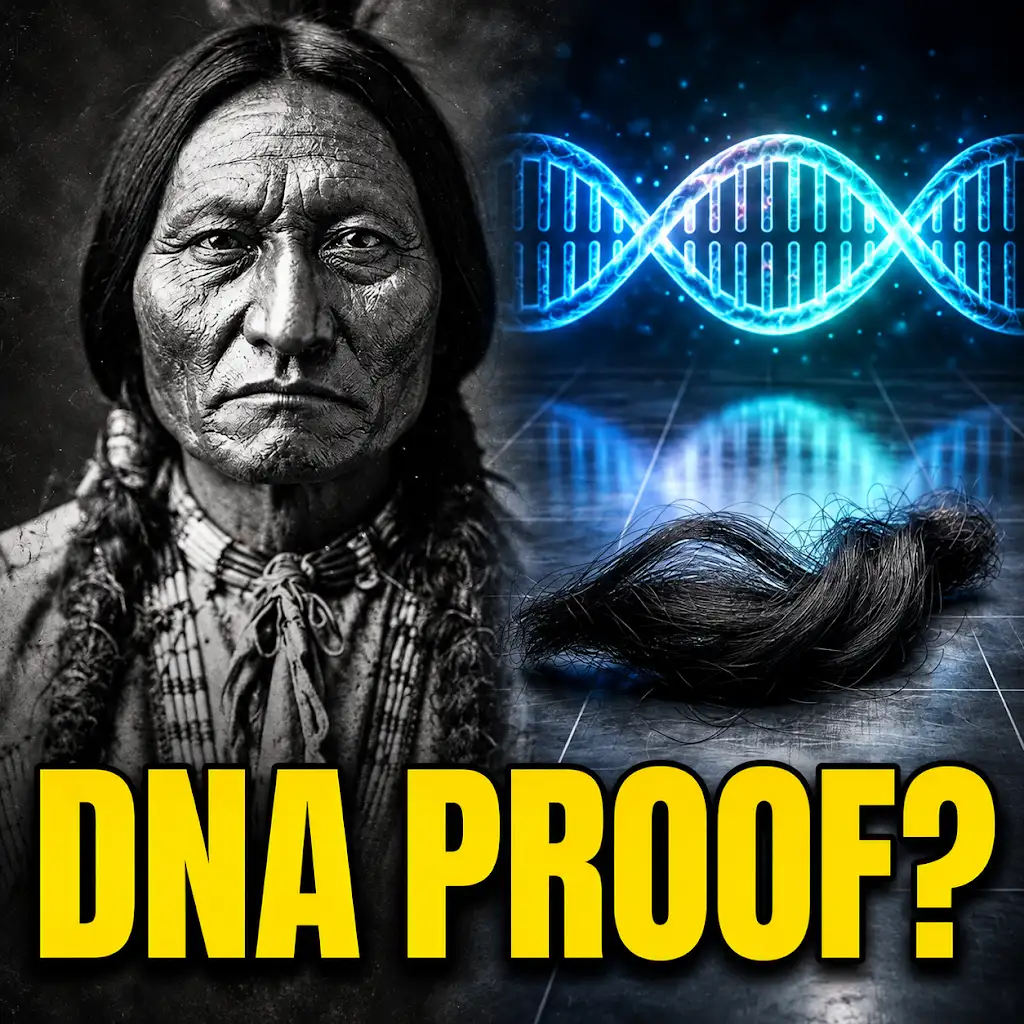
The Sitting Bull DNA Test: What Did It Actually Prove?
FAQs
1. Can DNA testing accurately determine Native American ancestry?
Yes, DNA testing can provide information about Native American ancestry by analyzing specific genetic markers that are common among indigenous populations. However, it is important to note that these tests can only provide estimates and may not be able to pinpoint a specific tribe or nation.
2. What type of DNA test is commonly used to trace Native American ancestry?
The most common type of DNA test used for tracing Native American ancestry is autosomal DNA testing. This test looks at a person’s entire genome to identify genetic markers that are shared with indigenous populations.
3. How accurate are DNA tests in determining Native American ancestry?
DNA tests can provide accurate estimates of Native American ancestry, especially when comparing genetic markers with reference populations of indigenous groups. However, the accuracy may vary depending on the testing company and the size of their reference database.
4. Can DNA testing determine specific tribal affiliation within Native American ancestry?
While DNA testing can provide information about Native American ancestry, it is generally not able to determine specific tribal affiliation. This is because genetic markers are shared among different tribes and populations, making it challenging to pinpoint a specific tribal connection.
5. Are there any limitations or considerations to keep in mind when using DNA testing for Native American ancestry?
It is important to consider that DNA testing for Native American ancestry has limitations, including the inability to provide a comprehensive picture of one’s heritage. Additionally, cultural and historical factors should be taken into account when interpreting DNA test results related to Native American ancestry.