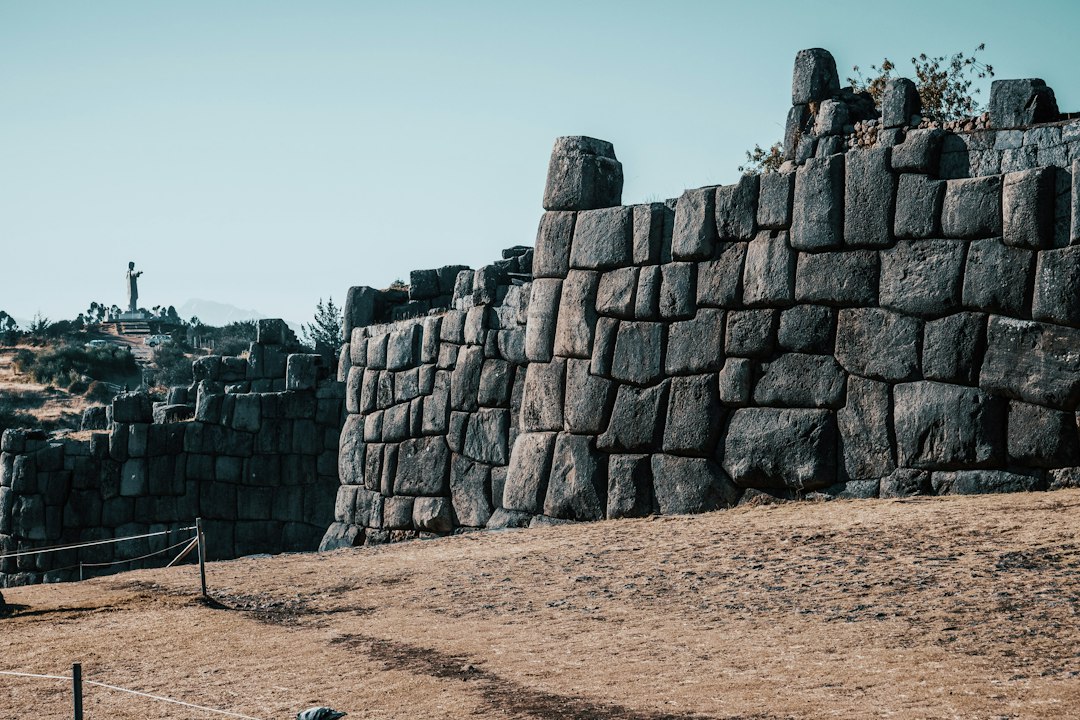
The narrative of America’s past, often presented as a relatively recent settlement by European explorers and colonists, is proving to be a deeply incomplete story. Beneath the surface, a wealth of evidence is emerging, challenging long-held assumptions and revealing a vibrant, complex, and sophisticated pre-Columbian civilization. This is the story of ancient America’s forgotten history, a narrative painstakingly pieced together through archaeological discoveries, linguistic analyses, and the persistent re-examination of historical accounts. It speaks of peoples who shaped landscapes, built monumental structures, developed intricate social systems, and possessed a profound understanding of the natural world, all centuries before the arrival of Columbus.
The Whispers of the First Peoples
The traditional timeline of human habitation in the Americas has been significantly pushed back by groundbreaking discoveries. For decades, the Clovis culture, characterized by its distinctive fluted projectile points, was considered the earliest evidence of human presence, dating back approximately 13,000 years. However, this consensus has been steadily eroded by a growing body of evidence suggesting human occupation far earlier than previously imagined.
Pushing Back the Clock: Pre-Clovis Sites
The revelation of pre-Clovis sites has been a seismic shift in North American archaeology. Locations like Monte Verde in Chile, Meadowcroft Rockshelter in Pennsylvania, and the Debra L. Friedkin site in Texas have yielded artifacts and radiocarbon dates that unequivocally point to human presence thousands of years before the Clovis period.
Monte Verde: A Window into the Past
Monte Verde, discovered in southern Chile, has been particularly instrumental. Excavations revealed remarkably well-preserved remains of a settlement, including hearths, tools, animal bones, and even fragments of wooden structures. The dating of these materials, consistently predating the Clovis horizon by at least 1,000 years, presented a formidable challenge to the established timeline. The sheer preservation of organic materials at Monte Verde provided an unprecedented glimpse into the daily lives and subsistence strategies of these early inhabitants.
Meadowcroft Rockshelter: A Contested but Crucial Find
Meadowcroft Rockshelter in Pennsylvania has also offered evidence of very early human occupation, with some dates pushing back to 16,000 years ago. While some scholars initially questioned the integrity of the dating due to potential contamination, subsequent analyses have largely supported its antiquity, solidifying its place in the pre-Clovis debate. The layered stratigraphy of the rockshelter has provided a continuous record of human activity, offering insights into technological evolution and environmental adaptations.
The Debra L. Friedkin Site: Challenging the Bering Land Bridge Theory
More recently, the discovery at the Debra L. Friedkin site in Texas has further complicated the picture. Tools found there have been dated to an astonishing 15,500 years ago, potentially predating the opening of the Bering Land Bridge, the long-accepted route for human migration into the Americas. This has fueled renewed interest in alternative migration theories, such as coastal migration routes, where early peoples may have traveled by boat along the Pacific coastline.
The forgotten history of ancient America is a fascinating topic that reveals the advanced civilizations that once thrived long before European contact. For those interested in exploring this subject further, a related article titled “Unearthing Ancient Control Technology” delves into the sophisticated technologies and societal structures of these early cultures. You can read more about it by following this link: Unearthing Ancient Control Technology. This article sheds light on the remarkable achievements of ancient Americans and encourages a deeper appreciation for their contributions to history.
Architects of the Earth: Monumental Landscapes and Urban Centers
Beyond the earliest inhabitants, a more recent but equally compelling chapter of ancient America’s history lies in the monumental architecture and sophisticated urban planning of later cultures. These civilizations, often overlooked in favor of their Mesoamerican counterparts, demonstrate an equal capacity for grand engineering, complex social organization, and a deep connection to their environments.
The Rise of North American Megaliths and Earthworks
While the pyramids of Egypt and the temples of Maya are widely recognized, North America possesses its own remarkable legacy of monumental construction, primarily in the form of earthworks. These are not mere mounds; they are meticulously designed structures, often covering vast areas and exhibiting a sophisticated understanding of geometry, astronomy, and engineering.
Cahokia: A Metropolis on the Mississippi
The most prominent example is Cahokia, located near modern-day St. Louis. At its zenith, around 1100 CE, Cahokia was a sprawling urban center, potentially home to 10,000 to 20,000 people, making it larger than many European cities of the time. Its centerpiece, Monk’s Mound, is a colossal earthen pyramid, covering over 14 acres and rising 100 feet, a testament to the immense labor and organizational capacity of its builders.
The Social Structure of Cahokia
The sheer scale of Cahokia suggests a highly stratified society with a powerful elite capable of mobilizing large labor forces. Archaeological evidence points to distinct residential areas, plazas, public spaces, and evidence of extensive trade networks, indicating a complex social and economic system. The presence of foreign goods and materials highlights Cahokia’s role as a major hub of regional interaction.
Astronomical Alignments and Ritual Significance
Many of Cahokia’s structures, including the famous Woodhenge, a series of large timber circles, were aligned with celestial events. This suggests a profound understanding of astronomy and its integration into their religious and societal practices. These alignments likely served calendrical purposes, marking agricultural cycles and important ceremonial dates.
The Hopewell Culture: Masters of Earth and Art
The Hopewell culture, flourishing from approximately 100 BCE to 500 CE across the Eastern Woodlands, is renowned for its intricate earthworks and exquisite artistry. Their burial mounds, often elaborate and containing precious grave goods, speak of a sophisticated belief system and a reverence for their dead.
The Great Serpent Mound: A Symbolic Masterpiece
The Great Serpent Mound in Ohio is perhaps the most iconic of Hopewell earthworks. This sinuous effigy, stretching over 1,300 feet, is a marvel of landscape architecture. Its precise meaning remains a subject of debate, but it is widely believed to hold significant cosmological or spiritual importance, possibly representing a celestial serpent or a symbolic journey.
Advanced Metallurgy and Trade Networks
Hopewell artisans were highly skilled in working with copper, stone, and other materials. They crafted intricate jewelry, tools, and ceremonial objects, often from materials sourced from distant regions, indicating extensive long-distance trade networks that spanned much of eastern North America. The presence of obsidian from Yellowstone and copper from the Great Lakes region in Hopewell sites underscores the vast reach of their exchange systems.
Lost Languages, Enduring Legacies: The Power of Indigenous Knowledge
The histories of ancient America are not solely etched in stone and earth; they are also encoded in languages and oral traditions that have survived millennia. Deciphering these linguistic legacies offers a direct portal into the minds and beliefs of these ancient peoples.
The Enduring Power of Oral Traditions
For countless generations, indigenous peoples have passed down their histories, cosmologies, and knowledge through oral traditions. While often dismissed as folklore by early European chroniclers, these narratives are proving to be remarkably accurate historical records, containing detailed accounts of migrations, societal structures, and environmental changes.
Reconciling Oral Histories with Archaeological Evidence
A growing field of scholarship focuses on the meticulous documentation and analysis of these oral traditions, seeking to correlate them with archaeological findings. This interdisciplinary approach is invaluable in enriching our understanding of pre-Columbian societies and challenging Eurocentric interpretations of history.
The Linguistic Tapestry of the Americas
The sheer diversity of languages spoken by indigenous Americans before European contact is staggering. Linguistic studies reveal deep historical connections and migrations, offering clues about the origins and movements of various peoples.
Unlocking Ancient Scripts and Symbols
While writing systems as we understand them were not universally adopted, some cultures developed sophisticated methods of recording information through symbols, glyphs, and mnemonic devices. The decipherment of these systems is a slow but rewarding process.
The Maya Glyphs: A Window into a Civilization
The Maya civilization, though often considered Mesoamerican, had a profound impact on the broader cultural landscape of the Americas. The decipherment of Maya hieroglyphs has unlocked a wealth of information about their history, politics, religion, and scientific achievements, providing an unparalleled depth of understanding for this complex society.
Other Forms of Indigenous Record Keeping
Beyond formal writing systems, many cultures employed other methods of recording information. Wampum belts, for instance, used shell beads to record treaties, historical events, and lineage. The intricate patterns and colors held specific meanings, serving as a visual mnemonic device for oral narratives. Quipu, knotted cords used by the Inca Empire, are another example of a sophisticated non-written record-keeping system.
The Echoes of Innovation: Science, Agriculture, and Technology
Ancient Americans were not merely hunters and gatherers; they were innovators who developed sophisticated technologies, advanced agricultural practices, and a deep understanding of scientific principles.
Agricultural Revolutionaries: Shaping the Landscape
The domestication of plants in the Americas was a revolutionary act that profoundly shaped global agriculture and human history. Maize, potatoes, beans, and squash, all originating in the Americas, became staples that fed civilizations across the globe.
The Domestication of Maize: A Cornerstone of Civilization
The cultivation of maize, beginning in Mesoamerica, was a pivotal development. Through centuries of selective breeding, indigenous peoples transformed a wild grass into a calorie-rich staple that supported the growth of complex societies and large populations. This agricultural innovation was not confined to Mesoamerica; its influence spread north and south, becoming a foundational element of many American cultures.
The Andean Potato and its Global Impact
In the Andes, the domestication of the potato provided another vital food source, adapted to high-altitude environments. This humble tuber, now a global dietary staple, has roots in the ancient ingenuity of Andean peoples. Their understanding of potato cultivation, including methods for preserving and storing them (such as freeze-drying to create chuño), demonstrates remarkable agricultural foresight.
Sophisticated Irrigation and Terracing Techniques
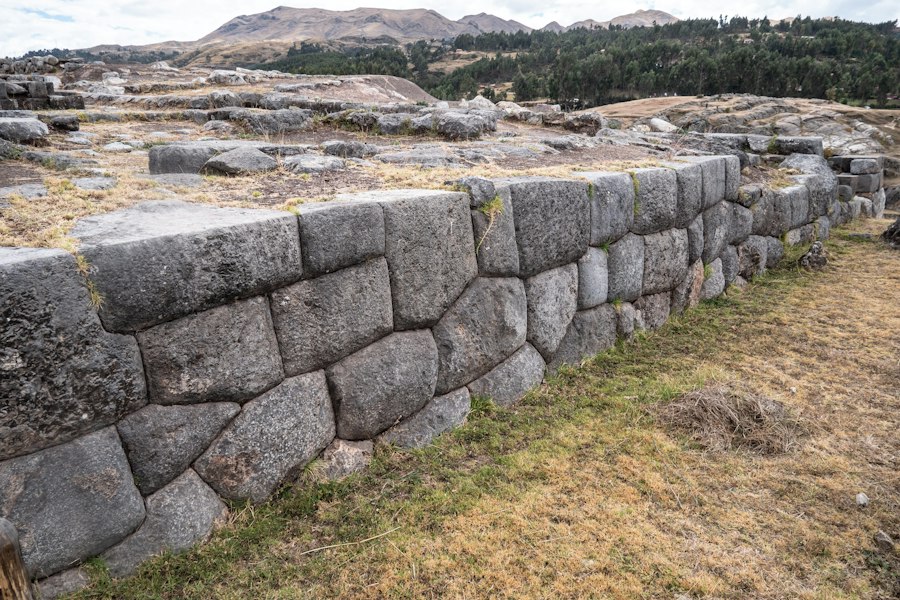
To support their burgeoning populations and cultivate challenging terrains, ancient Americans developed sophisticated irrigation systems and agricultural terracing. The Inca, in particular, were masters of terrace farming, carving elaborate steps into mountainsides to create arable land and manage water flow. These engineering feats not only supported agriculture but also prevented soil erosion and managed water resources effectively.
Engineering Marvels and Astronomical Prowess
Beyond agriculture, ancient Americans displayed remarkable ingenuity in engineering and a keen understanding of astronomical phenomena.
Calendrical Systems and Celestial Observation
Many ancient American cultures developed highly accurate calendrical systems, often based on meticulous astronomical observation. The Maya calendar, with its intricate cycles and predictions, is a prime example of this scientific achievement. These calendars were not merely for tracking time; they were deeply integrated into religious ceremonies, agricultural planning, and understanding the cosmic order.
The Complexities of the Maya Calendar
The Maya developed a sophisticated interlocking calendar system that included the Tzolk’in (260-day sacred calendar), the Haab’ (365-day solar calendar), and the Long Count. This complex system allowed them to track vast cycles of time, make precise astronomical predictions, and document historical events with remarkable accuracy.
Advances in Metallurgy and Craftsmanship
While iron smelting was not developed in the pre-Columbian Americas, many cultures excelled in metallurgy, particularly with gold, silver, and copper. They developed sophisticated techniques for smelting, casting, and alloying these metals, creating intricate jewelry, tools, and ceremonial objects that demonstrate a high level of craftsmanship. The artistry and technical skill evident in these metal artifacts continue to impress modern artisans.
The forgotten history of ancient America reveals fascinating insights into the lives of early civilizations that thrived long before European contact. One intriguing aspect is how these societies adapted to environmental challenges, such as droughts, which significantly impacted their agricultural practices and urban development. For a deeper understanding of how ancient peoples managed to survive in harsh conditions, you can explore this related article on surviving drought in ancient cities. This resource sheds light on the innovative strategies employed by these cultures, showcasing their resilience and ingenuity in the face of adversity.
Rewriting the Narrative: The Ongoing Journey of Discovery
The unearthing of ancient America’s forgotten history is not a concluded chapter but an ongoing, dynamic process. Each new discovery, each re-evaluation of existing evidence, adds another layer to our understanding of these complex and influential civilizations.
The Importance of Challenging Eurocentric Perspectives
For too long, the history of the Americas has been viewed through a Eurocentric lens, often diminishing or ignoring the achievements of indigenous peoples. A crucial aspect of unearthing this forgotten history is the active dismantling of these biased perspectives and the embracing of indigenous voices and knowledge systems.
The Role of Indigenous Historians and Scholars
Indigenous scholars and historians are playing an increasingly vital role in reclaiming and reinterpreting their own histories. Their unique perspectives and deep cultural understanding are essential for a more accurate and nuanced understanding of the past.
Preserving Indigenous Languages and Traditions
The preservation of indigenous languages and traditions is directly linked to the preservation of their histories. As languages fade, so too do the intricate narratives, cosmologies, and knowledge systems they carry. Efforts to revitalize these languages are therefore crucial for understanding America’s ancient past.
The Future of Archaeological Exploration
Future archaeological endeavors hold immense potential for further revelations. Advancements in technology, such as Lidar (Light Detection and Ranging), are enabling researchers to peer through dense vegetation and uncover hidden structures and settlements that were previously invisible.
Technological Innovations in Archaeology
Technological advancements are revolutionizing archaeological methods. Ground-penetrating radar, drone imagery, and sophisticated dating techniques are allowing for more precise and less invasive investigations of ancient sites. These tools are opening new avenues for discovery and allowing for a more comprehensive understanding of ancient American civilizations.
The forgotten history of ancient America is a testament to human ingenuity, resilience, and the profound capacity for civilization to flourish in diverse environments. It is a history that continues to be unearthed, challenging our assumptions, enriching our understanding of the human past, and offering invaluable lessons for the present and the future. By actively seeking out and embracing these forgotten narratives, we move closer to a truly comprehensive and equitable understanding of the American story.

A City Bigger Than London Once Stood in America. Then It Vanished.
FAQs
What is the forgotten history of ancient America?
The forgotten history of ancient America refers to the rich and diverse civilizations that existed in the Americas prior to the arrival of European explorers. These civilizations, such as the Maya, Aztec, and Inca, had advanced societies with complex political systems, impressive architectural achievements, and sophisticated agricultural practices.
What are some key civilizations of ancient America?
Some key civilizations of ancient America include the Olmec, Maya, Aztec, and Inca. The Olmec are known for their colossal stone heads, the Maya for their advanced calendar system and impressive city-states, the Aztec for their capital city of Tenochtitlan, and the Inca for their vast empire in the Andes mountains.
What are some important archaeological sites in ancient America?
Important archaeological sites in ancient America include Chichen Itza and Tikal in the Maya civilization, Machu Picchu in the Inca civilization, Teotihuacan in the Aztec civilization, and Cahokia in the Mississippian culture of North America.
What contributions did ancient American civilizations make to the world?
Ancient American civilizations made significant contributions to the world in areas such as agriculture, astronomy, mathematics, and architecture. For example, the Maya developed a complex calendar system and made advancements in astronomy, while the Inca built impressive stone structures and terraced farming systems.
Why is the history of ancient America often overlooked?
The history of ancient America is often overlooked due to the Eurocentric focus of traditional historical narratives, which have tended to prioritize the achievements of European civilizations. Additionally, the lack of written records from ancient American civilizations has contributed to the neglect of their history in mainstream education and popular culture.