The earth, a silent keeper of millennia, holds unimaginable secrets within its depths. Beneath the veneer of modern civilization lie the spectral remains of once-thriving metropolises, vibrant hubs of human activity now entombed by time and circumstance. The endeavor to unearth these ancient cities is not merely an archaeological pursuit; it is a journey into humanity’s collective past, a quest to understand our origins, our triumphs, and our follies, all while seeking the buried treasures that whisper tales of forgotten empires and lost knowledge.
The human fascination with what lies beneath the surface is primal and profound. It stems from a natural curiosity about what came before, a desire to connect with ancestors whose lives, though distant, shaped the world we inhabit. Ancient cities, particularly those lost to obscurity, exert a powerful magnetic pull. They represent not just structures of stone and mortar, but entire ecosystems of belief, governance, art, and commerce, suddenly arrested in time, waiting to be rediscovered.
Why Cities Become Buried
The disappearance of a city from the historical record and its subsequent burial is rarely a single, dramatic event. More often, it is a gradual process, influenced by a confluence of natural and human factors. Understanding these mechanisms is the first step in the detective work of unearthing these subterranean marvels.
Natural Cataclysms and Environmental Shifts
Throughout history, natural forces have been relentless sculptors of the landscape, often at the expense of human settlements.
- Volcanic Eruptions and Ashfall: Cities caught in the path of a powerful eruption could be swiftly buried under thick layers of volcanic ash. Pompeii and Herculaneum, famously preserved by the eruption of Mount Vesuvius, serve as stark reminders of this destructive yet remarkably preserving force. The ash acted as a protective blanket, preventing decomposition and preserving the city’s structures and even some organic materials for centuries.
- Flooding and Sedimentation: River deltas and coastal regions are particularly vulnerable to flooding. Over time, repeated inundation can lead to the deposition of thick layers of silt and sand, gradually engulfing settlements. Cities that relied on waterways for trade or sustenance could find themselves abandoned as the water levels rose or the river channels shifted, leaving them submerged and forgotten.
- Desertification and Sandstorms: In arid regions, the encroachment of deserts and relentless sandstorms can systematically bury a city. The Sahara Desert, for instance, guards the remains of numerous ancient settlements. The shifting sands can completely transform the landscape, erasing visible traces of human habitation and pushing settlements out of existence in the minds of future generations.
- Earthquakes and Landslides: Seismic activity can cause widespread destruction, leading to the collapse of buildings and significant landscape alterations. In mountainous regions, earthquakes can trigger massive landslides that can bury entire communities under tons of rock and soil.
Human Abandonment and Societal Collapse
While nature can be a formidable force, human factors often play an equally significant role in a city’s demise and subsequent burial.
- Warfare and Conquest: The destruction wrought by war is a common cause of abandonment. Cities subjected to prolonged sieges or sacked by conquering armies might be left in ruins and subsequently left to decay and be reclaimed by the earth. Sometimes, a scorched-earth policy would lead to complete abandonment to prevent resources falling into enemy hands.
- Economic Decline and Trade Route Shifts: The prosperity of many ancient cities was intrinsically linked to their strategic location for trade. When trade routes shifted due to political changes, exploration of new routes, or the rise of rival centers, these once-bustling metropolises could gradually fall into decline, with their inhabitants migrating elsewhere. The slow exodus would leave buildings to crumble and the environment to reclaim them.
- Disease and Pandemic Outbreaks: Devastating plagues could decimate populations, leading to the abandonment of cities too depleted to sustain themselves. The fear of contagion might also lead to deliberate abandonment, with survivors opting for new, uninfected locations.
- Political Instability and Social Unrest: Periods of prolonged civil war, political fragmentation, or oppressive regimes could make life untenable for city dwellers, prompting mass migrations and the eventual abandonment of urban centers.
The Silent Testimony of Ruins
The physical remains of these buried cities are not just inert rubble; they are potent testaments to the lives lived, the challenges faced, and the ingenuity displayed by our ancestors. Each unearthed artifact, each preserved structure, offers a unique window into a distinct historical epoch.
Ancient cities buried underground have long fascinated historians and archaeologists, revealing the rich tapestry of human civilization that once thrived in these hidden locales. For those interested in exploring the broader implications of historical trade and its impact on ancient societies, a related article can be found at this link. This article delves into how trade agreements, like the USMCA, shape economic alignments and reflect the interconnectedness of cultures throughout history, much like the ancient cities that lie beneath our feet, waiting to tell their stories.
The Archeologist’s Toolkit: Precision and Patience
Unearthing ancient cities is a meticulous and demanding process. It requires a sophisticated blend of scientific methodologies, historical knowledge, and an unwavering commitment to preservation. The days of the Indiana Jones-esque treasure hunter, driven by the pursuit of glittering riches, have largely given way to a more scholarly and responsible approach.
Ground-Penetrating Techniques
Modern technology has revolutionized how archaeologists “see” beneath the surface without disturbing it initially. These geophysical methods allow for the detection of anomalies and structures that are invisible to the naked eye.
Remote Sensing and Geophysical Surveys
- Ground-Penetrating Radar (GPR): GPR works by emitting pulses of radar energy into the ground and measuring the reflections that bounce back from subsurface interfaces. Different materials and objects reflect the radar waves differently, creating a profile of what lies beneath the surface. It can detect walls, ditches, foundations, and even changes in soil density, essentially creating a map of the buried city.
- Magnetometry: This technique measures variations in the Earth’s magnetic field, which can be caused by buried features. Burnt structures (hearths, kilns) and ditches filled with organic material create distinct magnetic signatures that can be identified. Metal objects also create strong magnetic anomalies.
- Electrical Resistivity: This method measures the resistance of the soil to an electrical current. Different materials conduct electricity differently, allowing archaeologists to map buried features like stone walls, intact floors, and even pits filled with debris.
- LiDAR (Light Detection and Ranging): While often used in the air, LiDAR can also be deployed terrestrially. It uses laser pulses to create highly detailed 3D topographic maps of an area. By filtering out vegetation, LiDAR can reveal subtle earthworks, roads, and building outlines that would otherwise be hidden by dense foliage.
Traditional Excavation: The Deliberate Unveiling
Once potential sites are identified through remote sensing, careful, systematic excavation becomes paramount. This is where the physical work of unearthing begins, demanding extreme precision and meticulous record-keeping.
Stratigraphy and Contextual Analysis
- Digging in Layers (Stratigraphy): Archaeologists excavate in layers, mirroring the natural processes of deposition. Each layer, or stratum, represents a specific period of time. By carefully documenting the order and contents of these layers, archaeologists can reconstruct the history of the site and understand the sequence of events that led to its abandonment and burial.
- Artifact Association: The location of artifacts within these stratigraphic layers is crucial. An artifact found in a lower layer is older than one found in a higher layer. Understanding which artifacts are found together and in association with specific structures provides invaluable context about daily life, social practices, and economic activities.
- Grid Systems and Documentation: Excavations are typically divided into a grid system, with each excavated square meticulously documented. Every artifact, every structural feature, and even changes in soil color are recorded with precise measurements, photographs, and drawings. This detailed record-keeping ensures that the original context of the findings is preserved, even after the physical excavation is complete.
The Importance of Preservation
The act of unearthing can also be the act of destruction if not conducted with the utmost care. Preservation is as vital as excavation itself.
Post-Excavation Conservation and Analysis
- Artifact Conservation: Once excavated, artifacts, especially those made of organic materials like wood, textiles, or bone, are extremely fragile. Conservation laboratories are equipped to stabilize, clean, and preserve these delicate objects, preventing their further deterioration.
- Environmental Control: Maintaining stable environmental conditions for excavated remains is crucial. Humidity, light, and temperature can all accelerate decay. Many artifacts require specialized storage in controlled environments.
- Scientific Analysis: Beyond simple observation, scientific techniques are employed to glean more information from unearthed materials. Radiocarbon dating can determine the age of organic materials, while chemical analysis can reveal the origin of pottery or the contents of ancient containers.
Treasures Unearthed: Echoes of Past Civilizations
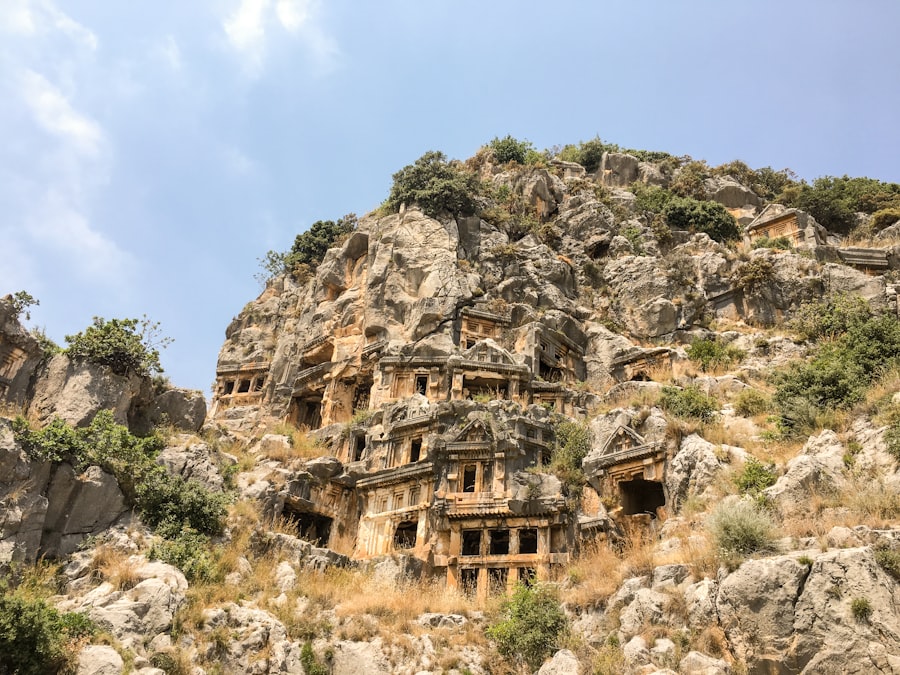
The buried treasures unearthed from ancient cities are not always glittering gold or precious jewels, though these are sometimes found. More often, the greatest treasures are the insights they provide into the human condition, the lost knowledge, and the tangible links to our past.
Architectural Marvels and Urban Planning
The ruins of ancient cities reveal the ingenuity and sophistication of their builders.
Insights into Building Techniques and Design
- Sophisticated Masonry and Engineering: From the precise interlocking of stones in Roman aqueducts to the grand scale of Mesopotamian ziggurats, ancient architecture showcases advanced knowledge of engineering, geometry, and materials science. The methods used to transport massive stones, construct durable structures, and design functional urban spaces are often astounding.
- Urban Layout and Infrastructure: The layout of a buried city can reveal its societal structure, its priorities, and its understanding of urban living. The presence of public spaces, sanitation systems, organized street grids, and dedicated areas for commerce reflect a complex and organized society. The discovery of sophisticated water management systems, like those found in the Indus Valley civilization, is particularly remarkable.
Everyday Life Revealed Through Artifacts
The objects left behind by ordinary citizens offer the most intimate glimpse into their lives.
Material Culture and Social History
- Tools and Utensils: These humble objects tell stories of daily chores, agricultural practices, craftsmanship, and culinary habits. The wear patterns on a stone axe, the design of a cooking pot, or the type of farming implement can reveal a wealth of information about a community’s economic base and technological development.
- Personal Adornments and Amusements: Jewelry, gaming pieces, and toys speak to the desire for beauty, the pursuit of leisure, and the bonds of family. Finding a child’s marble or a woman’s comb offers a direct, human connection to individuals who lived millennia ago.
- Written Records and Epigraphy: Inscriptional evidence, from monumental texts to everyday administrative documents, offers unparalleled insights into language, law, religion, and governance. The decipherment of ancient scripts has unlocked entire civilizations, allowing us to hear their voices directly.
Lost Knowledge and Technological Advancements
Sometimes, the buried treasures are not objects but lost pieces of knowledge.
Scientific and Philosophical Legacies
- Ancient Mathematics and Astronomy: Tablets and inscriptions have revealed that ancient civilizations possessed advanced knowledge of mathematics, including sophisticated astronomical observations and calculation methods. The Maya’s understanding of celestial cycles, for example, remains a subject of awe.
- Medical Practices and Herbal Remedies: The discovery of ancient pharmacies, surgical tools, and texts detailing medical treatments demonstrates a long history of sophisticated understanding of the human body and its ailments, often incorporating knowledge of herbal medicine that still informs modern pharmacology.
- Agricultural Innovations: Evidence of ancient irrigation systems, crop rotation techniques, and selective breeding of plants and animals highlights the ingenuity of our ancestors in adapting to their environments and sustaining large populations.
Case Studies: Famous Unearthings and Their Significance
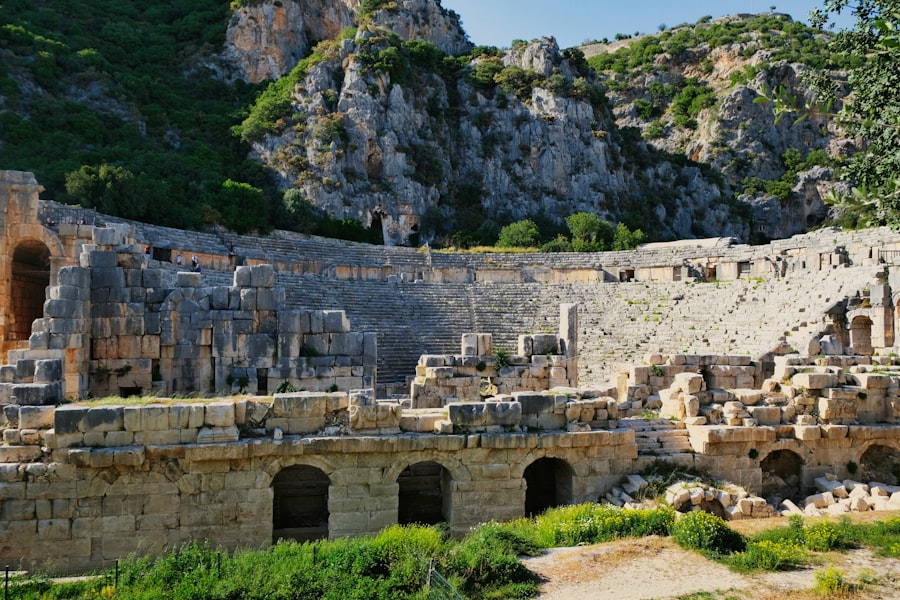
The annals of archaeology are filled with dramatic discoveries, each shedding new light on our understanding of human history. These case studies serve as powerful illustrations of the importance and transformative impact of unearthing ancient cities.
Pompeii and Herculaneum: Preserved by Tragedy
The eruption of Mount Vesuvius in 79 AD perfectly preserved two Roman cities: Pompeii and Herculaneum. The pyroclastic flows and ashfall encased the cities, creating an unparalleled snapshot of Roman life at the time of disaster.
A Window into Roman Daily Life
- Intact Buildings and Frescoes: The walls of Pompeii and Herculaneum are adorned with vibrant frescoes, offering a glimpse into Roman art, mythology, and domestic interiors. Houses, shops, bakeries, and public baths stand remarkably intact, allowing us to walk through the streets of an ancient Roman city.
- Organic Remains (Herculaneum): Herculaneum, buried by a surge of volcanic mud rather than ash, yielded a remarkable preservation of organic materials, including wooden furniture, food items, and even papyrus scrolls, providing unique insights into Roman diet and lifestyles.
- Plaster Casts of Victims: Bronte’s poignant plaster casts of the victims, made by pouring plaster into the cavities left by decomposed bodies, offer a tragic but incredibly human dimension to the discovery, capturing their final moments.
Machu Picchu: The Lost City of the Incas
Perched high in the Andes Mountains, Machu Picchu remained hidden from the outside world for centuries, shrouded in legend. Its rediscovery in 1911 brought to light a breathtaking Inca citadel.
Architectural Genius and Spiritual Significance
- Astounding Stone Masonry: The perfectly fitted stones of Machu Picchu, quarried and transported without the use of iron tools or the wheel, are a testament to the Incas’ incredible engineering and architectural prowess.
- Terraced Agriculture and Water Management: The extensive agricultural terraces and sophisticated water channels demonstrate the Incas’ mastery of their challenging mountain environment, enabling them to sustain a thriving community.
- Sacred Geography and Celestial Alignment: The placement of the city and its structures strongly suggests a deep connection to astronomical events and the surrounding sacred landscape. Temples and observatories are aligned with celestial phenomena, indicating a profound spiritual and scientific understanding.
The Lost City of Timbuktu: A Desert Metropolis
For centuries, Timbuktu was a fabled city of gold and learning at the edge of the Sahara Desert. While the current city of Timbuktu exists, the remnants of its ancient glory and scholarly past are buried within its sands.
A Center of Islamic Scholarship and Trade
- Manuscript Treasures: Timbuktu was renowned for its vast collections of ancient manuscripts, covering subjects from astronomy and mathematics to law and medicine. The preservation and study of these manuscripts continue to reveal the intellectual richness of West Africa during its golden age.
- Trans-Saharan Trade Hub: The city’s strategic location made it a vital nexus for the trans-Saharan trade routes, connecting North Africa with sub-Saharan Africa and facilitating the exchange of goods, ideas, and cultures.
- Architectural Heritage: The Sankore Madrasah and other ancient mosques, while still standing, are part of a larger urban fabric that has experienced periods of decline and renewal, with the buried parts of the city holding further clues to its past grandeur.
Ancient cities buried underground have long fascinated archaeologists and historians alike, as they hold secrets of past civilizations waiting to be uncovered. One intriguing aspect of this exploration is how these hidden urban landscapes can provide insights into historical events, much like the analysis of the Civil War in the article found here. Understanding the layers of history beneath our feet can illuminate the connections between different eras and cultures, revealing the complexities of human development over time.
The Future of Unearthing: Challenges and Opportunities
| City | Location | Depth | Excavation Status |
|---|---|---|---|
| Troy | Turkey | 9 meters | Partially excavated |
| Pompeii | Italy | 4-6 meters | Fully excavated |
| Jericho | West Bank | 8 meters | Partially excavated |
The ongoing quest to uncover buried cities is far from over. New technologies, innovative methodologies, and a growing global awareness are paving the way for future discoveries, but significant challenges remain.
Ethical Considerations and Cultural Heritage
With the power to reveal comes the responsibility to protect. The unearthing of ancient sites is not without its ethical complexities.
Balancing Discovery with Preservation
- Avoiding Looting and Vandalism: The allure of discovered treasures can unfortunately attract illicit diggers and looters, who can cause irreparable damage and destroy valuable context. Protecting sites from these threats is a constant battle.
- Collaboration with Local Communities: Modern archaeological practice emphasizes working collaboratively with local communities, respecting their heritage, and ensuring that discoveries benefit them directly through education and cultural tourism.
- Repatriation of Artifacts: The debate surrounding the ownership and repatriation of artifacts discovered in one country but held in museums in another is an ongoing ethical challenge. Many believe that such treasures should be returned to their country of origin.
Technological Advancements on the Horizon
The pace of technological innovation continues to offer new possibilities for subterranean exploration.
The Next Generation of Discovery Tools
- AI and Machine Learning: Artificial intelligence is increasingly being used to analyze vast datasets from geophysical surveys, identifying patterns and anomalies that might be missed by human eyes. This can significantly speed up the process of site identification.
- Advanced Remote Sensing: Newer iterations of GPR, LiDAR, and drone-based sensors are becoming more sophisticated, offering higher resolution and the ability to penetrate deeper into the earth.
- Robotics and Autonomous Exploration: The development of robotic probes and autonomous underwater vehicles (AUVs) could allow for the exploration of previously inaccessible submerged cities or hazardous underground environments.
The earth remains a vast library, its pages inscribed with the stories of humanity. The careful and dedicated work of unearthing ancient cities is our vital effort to read those stories, to learn from them, and to ensure that the wisdom and wonder of our past are not lost to the silence of the buried ground, but are brought back to illuminate our present and guide our future.

The Lost City That Was Never Really Lost
FAQs
What are ancient cities buried underground?
Ancient cities buried underground are historical urban settlements that have been covered by layers of earth and debris over time, often due to natural disasters, erosion, or human activity.
How are ancient cities discovered and excavated?
Ancient cities are often discovered through archaeological surveys, remote sensing technologies, and ground-penetrating radar. Once a site is identified, excavations are conducted by carefully removing layers of soil and debris to uncover the remains of the city.
What can we learn from ancient cities buried underground?
Studying ancient cities buried underground can provide valuable insights into the history, culture, and daily life of past civilizations. Archaeologists can learn about urban planning, architecture, trade networks, social structures, and technological advancements.
What are some famous ancient cities buried underground?
Famous examples of ancient cities buried underground include Pompeii and Herculaneum in Italy, Çatalhöyük in Turkey, and Mohenjo-daro in Pakistan. These sites have provided significant contributions to our understanding of ancient civilizations.
What challenges are involved in preserving and protecting ancient cities buried underground?
Preserving and protecting ancient cities buried underground can be challenging due to factors such as environmental degradation, looting, urban development, and tourism. Conservation efforts often require a balance between accessibility for research and public engagement, and the need to safeguard the integrity of the site.