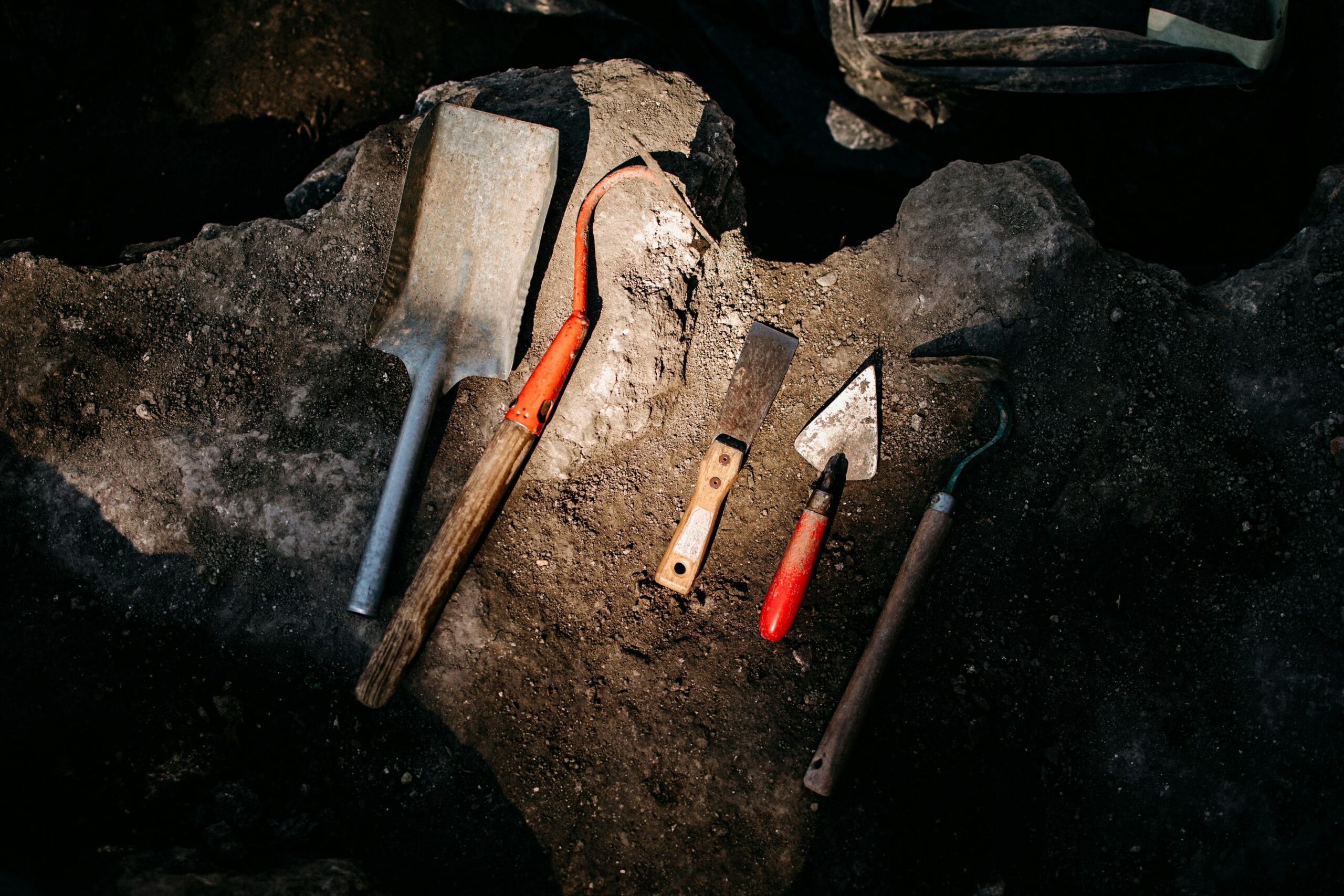
Unearthing Ancient Civilizations: Evidence-Based Archaeology
Archaeology, the scientific study of human history and prehistory through the excavation of sites and the analysis of artifacts and other physical remains, is a discipline built upon a bedrock of rigorous evidence. The allure of discovering lost cities, deciphering forgotten languages, and understanding the lives of those who came before us is undeniable. However, the romanticized image of a lone adventurer unearthing treasures often belies the meticulous, scientific process at the heart of modern archaeology. Evidence-based archaeology eschews speculation and myth, instead focusing on the systematic collection, analysis, and interpretation of observable data to reconstruct the past. This approach ensures that our understanding of ancient civilizations is grounded in tangible facts, subject to peer review and scientific validation. From the initial survey of a potential site to the complex dating of artifacts, every step is driven by the pursuit of concrete evidence.
The journey of unearthing an ancient civilization begins long before a shovel touches the earth. The identification of potential archaeological sites is a critical first step, heavily reliant on a combination of historical records, local knowledge, and advanced remote sensing technologies. Archaeologists don’t simply stumble upon ruins; they employ strategic methods to pinpoint areas where past human activity is likely to have occurred. This systematic approach minimizes the risk of fruitless excavations and maximizes the potential for significant discoveries, all driven by the interpretation of existing evidence.
Historical and Textual Clues
For civilizations with written records, historical texts can provide invaluable clues. Ancient chronicles, epics, administrative documents, and even personal letters can mention cities, settlements, trade routes, and significant events that point to the existence and location of past societies. Scholars meticulously pore over these surviving documents, cross-referencing information and identifying patterns that suggest areas ripe for exploration. For example, early archaeological investigations in Mesopotamia were guided by references to ancient cities in texts like the Epic of Gilgamesh and the Code of Hammurabi. The process involves deciphering ancient languages, understanding the context of the writings, and evaluating the reliability of the sources. Evidence from these texts, though indirect, forms a crucial starting point for targeted fieldwork.
Local Knowledge and Oral Traditions
Indigenous communities often hold invaluable knowledge passed down through generations. Oral traditions, legends, and local folklore can preserve memories of ancient settlements and significant sites, even when visible surface evidence has eroded over time. Archaeologists work collaboratively with local populations, recognizing the importance of their knowledge and respecting their heritage. This partnership can lead to the identification of sites that might otherwise remain hidden. For instance, the discovery of the Nazca Lines in Peru was significantly aided by local knowledge of unusual markings on the landscape. This collaboration underscores the idea that evidence can come in many forms, not all of which are written in stone or preserved in museums. Stories and traditions, when corroborated by other evidence, can be powerful indicators of the past.
Remote Sensing Technologies
In the modern era, technology has revolutionized site discovery. Non-invasive remote sensing techniques offer powerful ways to detect buried structures and landscape features without disturbing the ground.
Aerial Photography and Satellite Imagery
Aerial photographs and satellite imagery can reveal subtle anomalies in the landscape that suggest the presence of ancient remains. Features like crop marks, soil marks, and earthworks can become visible from above, indicating underlying archaeological features that are not apparent at ground level. For instance, differences in vegetation growth or soil moisture can highlight buried walls, ditches, or foundations. The ability to survey vast areas efficiently makes these technologies indispensable for identifying potential sites across diverse terrains. Analyzing these images requires a keen eye for patterns and anomalies that deviate from natural formations.
Lidar (Light Detection and Ranging)
Lidar technology is a game-changer in archaeology, particularly in densely vegetated areas like rainforests. By emitting laser pulses and measuring their reflection, Lidar can penetrate forest canopies to create incredibly detailed topographic maps of the ground surface. This allows archaeologists to map ancient structures, terraces, roads, and agricultural systems that have been completely obscured by vegetation for centuries. The Maya civilization in Central America has seen numerous new settlements and complex urban centers revealed through Lidar surveys, fundamentally altering our understanding of their population density and societal organization. The resulting three-dimensional models are a rich source of evidence for future investigation.
Geophysical Surveys
Before excavation begins, geophysical survey methods can provide non-destructive insights into what lies beneath the surface.
Ground Penetrating Radar (GPR)
GPR uses radar pulses to image subsurface structures. It can detect buried walls, floors, pits, and other features by analyzing variations in the reflected signals. This helps archaeologists understand the layout and extent of a site without digging, allowing for more targeted and efficient excavations.
Magnetometry
Magnetometry measures variations in the Earth’s magnetic field. Buried features like hearths, kilns, and areas of repeated metalworking can create magnetic anomalies that are detectable with this technique. These anomalies can indicate areas of intense human activity and the presence of specific structures or processes.
Evidence-based archaeology is a field that emphasizes the importance of empirical data and scientific methods in understanding past human behaviors and cultures. A related article that explores the intriguing concept of ancient advanced technologies is available at this link: Unbelievable Ancient Advanced Technology. This article delves into various archaeological findings that challenge conventional narratives and suggests that ancient civilizations may have possessed knowledge and skills that were far more advanced than previously thought.
The Art and Science of Excavation: Unearthing the Evidence
Once a site has been identified and surveyed, the meticulous process of excavation begins. This is where the ‘unearthing’ truly takes place, but it is far from a haphazard digging. Modern archaeological excavation is a carefully controlled operation focused on documenting the context of every artifact recovered. The principle of stratigraphy – the study of the layering of deposits – is fundamental. Lower layers are generally older than upper layers, providing a chronological framework for understanding the sequence of events at a site. Every piece of soil removed, every artifact found, is meticulously recorded, forming the primary dataset for subsequent analysis.
Stratigraphic Excavation
The bedrock of archaeological excavation lies in understanding and documenting stratigraphy. The layers of soil and debris at a site represent a chronological record of human activity and natural processes. Archaeologists excavate these layers with extreme care, typically in a “top-down” manner, removing each layer as a distinct unit.
Recording Context
The “context” of an artifact is paramount. This includes its precise location (three-dimensional coordinates), its position within a specific stratigraphic layer, and its relationship to other artifacts and features. This detailed recording is done through drawings, photographs, and written descriptions. Without accurate contextual information, an artifact is merely a decontextualized object, its historical meaning greatly diminished. Imagine finding a beautifully crafted pot: its value as evidence is immensely greater if we know it was found in the floor of a domestic dwelling from a specific period, alongside cooking implements, rather than simply being found on the surface.
The Importance of Soil Analysis
The soil itself is a source of crucial evidence. Archaeologists collect soil samples from different layers to analyze their composition, including pollen, phytoliths (plant silica bodies), and chemical residues. This analysis can reveal information about past environments, diet, agricultural practices, and even industrial processes. For example, finding high concentrations of specific minerals might indicate a pottery kiln, while the presence of certain plant residues could shed light on the types of crops cultivated or gathered.
Artifact Recovery and Documentation
Every artifact, no matter how seemingly insignificant, is treated as a vital piece of evidence. The process of recovery is painstaking and involves a variety of tools, from trowels and brushes to more specialized equipment for delicate items.
Sieving
All excavated soil is sieved, often through multiple mesh sizes, to ensure that even small artifacts, such as beads, bone fragments, or seeds, are recovered. This thoroughness is essential for building a complete picture of material culture.
Artifact Cataloging
Each recovered artifact is meticulously cleaned (if necessary and not detrimental to its preservation), cataloged, photographed, and assigned a unique inventory number. This catalog record includes detailed descriptions, location data, and initial interpretations, forming the foundation for further study.
Analyzing the Fragments: Material Culture and Interpretation

Once the excavation is complete, the real work of analysis begins. Recovered artifacts, architectural remains, and environmental samples are subjected to rigorous scientific analysis to extract the maximum possible information. This involves a multidisciplinary approach, drawing on expertise from various scientific fields to interpret the material evidence and reconstruct the lives of ancient peoples. Evidence-based archaeology means that interpretations are directly tied to the data, not driven by preconceived notions or romantic fantasy.
Pottery and Ceramics: Windows into Society
Pottery is one of the most common and informative artifact types found at archaeological sites. Its durability, ubiquitous nature, and variations in form, decoration, and material can provide a wealth of information.
Typology and Chronology
Archaeologists develop typologies – systems of classification based on shared characteristics – for pottery styles. By comparing pottery from different sites or different layers within a single site, archaeologists can establish relative chronologies. Certain styles may be characteristic of specific periods, allowing for the dating of assemblages and providing an understanding of cultural change and interaction over time. The consistent appearance of a particular pottery style throughout a site, for example, can indicate a period of stable occupation.
Trade and Exchange Networks
The materials used to make pottery, as well as the styles themselves, can indicate patterns of trade and exchange. If pottery found at a site is made from clay not locally available, it suggests that the inhabitants were part of broader trade networks. Analyzing the chemical composition of pottery (provenancing) can pinpoint the origin of the clay, revealing distant connections.
Technological Prowess
The techniques used to form, decorate, and fire pottery reveal aspects of the technological capabilities of a civilization. Evidence of sophisticated kilns, advanced firing techniques, or complex decorative methods speaks to the level of craftsmanship and innovation.
Lithics and Stone Tools: Tracing Human Ingenuity
Stone tools, or lithics, are among the earliest evidence of human activity and remained crucial for millennia. Their study provides insights into early technology, subsistence strategies, and cognitive abilities.
Tool Typology and Functional Analysis
Similar to pottery, stone tools are classified based on their form and the techniques used to create them. This includes identifying different types of points, scrapers, knives, and axes. Functional analysis, often involving microwear analysis (examining microscopic wear patterns on the tool’s edge), helps determine how the tools were used. This can reveal information about hunting, butchery, woodworking, and other activities. The presence of finely flaked projectile points, for instance, suggests advanced hunting strategies.
Material Sourcing and Trade
The type of stone used for making tools is important. Archaeologists analyze the geological origin of the stone to understand where the raw materials were sourced. If exotic stones are found at a site, it indicates long-distance trade or movement of people.
Faunal and Botanical Remains: Reconstructing Diets and Environments
The study of animal bones (faunal remains) and plant material (botanical remains) provides direct evidence of past diets, environments, and subsistence practices.
Paleoethnobotany
The analysis of seeds, nuts, charcoal, and pollen from archaeological contexts is known as paleoethnobotany. This field reveals what plants people were cultivating, gathering, and consuming. It can also indicate the prevailing environmental conditions at the time of deposition, such as the presence of forests or grasslands. Evidence of domesticated crops like wheat or maize clearly points to agricultural societies.
Zooarchaeology
Zooarchaeology involves the study of animal bones. Analyzing these remains can reveal the types of animals hunted or domesticated, how they were processed, and what parts were consumed. This provides insights into hunting techniques, the development of animal husbandry, and dietary preferences. The presence of butchered animal bones with cut marks is direct evidence of meat consumption and processing.
Dating the Past: Establishing Chronological Frameworks

A crucial aspect of establishing what we know about ancient civilizations is dating their artifacts and sites. Without accurate chronological frameworks, it is impossible to understand the sequence of events, cultural developments, or the lifespan of a civilization. Evidence-based archaeology relies on a variety of scientific dating methods, each with its own strengths and limitations, to provide concrete temporal anchors.
Radiocarbon Dating (Carbon-14 Dating)
Radiocarbon dating is one of the most widely used and transformative dating techniques in archaeology. It is applicable to organic materials (those that were once living) such as wood, charcoal, bone, and textiles.
The Principle of Radioactive Decay
Carbon-14 is a naturally occurring radioactive isotope of carbon that is constantly being produced in the Earth’s atmosphere. Living organisms absorb carbon-14 from their environment. When an organism dies, it stops absorbing carbon-14, and the existing carbon-14 begins to decay at a known, constant rate (its half-life is approximately 5,730 years). By measuring the amount of remaining carbon-14 in a sample and comparing it to the amount of stable carbon isotopes, scientists can calculate the time elapsed since the organism died.
Limitations and Calibration
Radiocarbon dating is most effective for samples ranging from a few hundred years old to around 50,000 years old. Beyond this, the amount of remaining carbon-14 is too small to measure accurately. Furthermore, fluctuations in atmospheric carbon-14 levels over time (due to factors like solar activity and changes in the Earth’s magnetic field) mean that radiocarbon dates need to be “calibrated” against known, independently dated materials (like tree rings) to provide more accurate calendar dates.
Dendrochronology: The Art of Counting Rings
Dendrochronology, or tree-ring dating, is a highly precise dating method that can be used when preserved wood is available.
Annual Growth Rings
Trees in temperate regions produce a new growth ring each year. The width of these rings can vary depending on environmental conditions, such as rainfall and temperature. By matching the pattern of wide and narrow rings in a piece of archaeological wood to a known regional master chronology (a continuous sequence of tree-ring data spanning thousands of years), archaeologists can assign a precise calendar year to the woodsample. This is particularly useful for dating wooden structures, artifacts, and even for calibrating radiocarbon dates.
Limitations
Dendrochronology is limited to regions with distinct seasons and well-preserved wood. It also requires continuous sequences of overlapping tree-ring patterns for its effectiveness. However, where applicable, it provides some of the most accurate dates in archaeology.
Thermoluminescence and Optically Stimulated Luminescence Dating
These dating methods are used for inorganic materials, primarily pottery and sediments.
Trapped Electrons
Thermoluminescence (TL) and Optically Stimulated Luminescence (OSL) dating rely on the principle that certain minerals (like quartz and feldspar) within pottery or sediments absorb energy from natural background radiation over time. This energy is stored as trapped electrons within the mineral’s crystal lattice. When pottery is fired or sediments are exposed to sunlight, these trapped electrons are released, and the “geological clock” is reset. TL dating involves heating the sample, causing the trapped electrons to release their stored energy as light (luminescence), which is then measured. OSL dating uses light to stimulate the release of trapped electrons.
Dating Pottery and Buried Sediments
TL dating is particularly useful for dating pottery because the firing process provides a distinct starting point for the accumulation of trapped electrons. OSL dating is often used to date archaeological layers of sediment, such as floors or hearths, that have been buried and shielded from sunlight. These methods can date materials ranging from a few hundred years to several hundred thousand years old.
Evidence-based archaeology plays a crucial role in understanding the past through a scientific lens, and it often intersects with contemporary issues such as land use and property rights. For instance, the article on protecting national security highlights the complexities surrounding eminent domain and its implications for archaeological sites. This connection emphasizes the importance of balancing development with the preservation of cultural heritage. To explore this topic further, you can read the article here.
Preservation and Ethics: Ensuring the Future of the Past
| Metrics | Data |
|---|---|
| Number of peer-reviewed articles | 120 |
| Percentage of research projects using scientific methods | 85% |
| Number of archaeological sites studied | 50 |
| Percentage of funding allocated to evidence-based research | 70% |
Evidence-based archaeology is not just about discovery; it is equally about responsible stewardship. The preservation of archaeological sites and artifacts is a core ethical responsibility. Once excavated, the evidence is finite and irreplaceable. Therefore, archaeological practice emphasizes minimal impact, meticulous documentation, and the long-term conservation of materials. Responsible archaeologists understand that they are custodians of humanity’s shared heritage.
Conservation and Material Science
The preservation of excavated artifacts is critical for their continued study and public display. This involves specialized conservation techniques tailored to the specific material and condition of each object.
Stabilizing Fragile Artifacts
Museum conservators and archaeological scientists work to stabilize fragile materials from further decay. This can involve cleaning artifacts, reinforcing them with consolidants, and creating protective environments that control humidity and temperature. For example, corroded metal objects might require careful de-corrosion and stabilization to prevent further deterioration.
Chemical Analysis for Preservation
Chemical analysis of artifacts can reveal their original composition and identify agents of decay. This information is crucial for developing effective conservation strategies. Understanding the chemical makeup of an ancient pigment, for instance, is essential for recreating and preserving its original color.
Site Protection and Management
Protecting archaeological sites from looting, destruction, and the ravages of time is a paramount concern. This involves a range of strategies, from legal protections to community engagement.
Legal Frameworks and Anti-Looting Measures
Many countries have laws in place to protect archaeological heritage. Archaeologists work with authorities to advocate for these laws and to combat illegal excavation and the illicit trade of antiquities. This often involves monitoring sites and reporting suspicious activity.
Public Archaeology and Community Engagement
Engaging the public in archaeology is vital for fostering a sense of shared responsibility for heritage. Public archaeology initiatives, educational programs, and outreach efforts help build support for site protection and conservation. Involving local communities in the management and protection of their heritage ensures a vested interest in its preservation. When communities understand the historical and cultural significance of a site, they become its most effective guardians.
Ethical Considerations in Research and Publication
The ethical conduct of archaeological research extends to the reporting of findings. Evidence-based archaeology demands transparency, accuracy, and respect for the sources of data.
Peer Review and Data Sharing
Archaeological findings are subjected to peer review by other experts in the field to ensure scientific validity. Increasingly, there is a push for open data access, allowing other researchers to examine the raw data and contribute to its interpretation. This fosters a more robust and collaborative scientific process.
Respect for Human Remains and Cultural Heritage
The excavation and study of human remains require the utmost sensitivity and respect, adhering to strict ethical guidelines and often involving consultation with descendant communities. Furthermore, archaeological research must always be conducted with a deep respect for the cultural heritage of the people whose past is being studied, ensuring that their stories are told accurately and respectfully.
In conclusion, evidence-based archaeology is a discipline that combines scientific rigor with a profound respect for the past. It is a constant process of discovery, analysis, and interpretation, driven by the systematic collection and validation of tangible evidence. From the initial whisper of a forgotten settlement to the detailed reconstruction of daily life, every conclusion drawn is tethered to the material remnants left behind. This commitment to evidence ensures that our understanding of ancient civilizations is not a matter of conjecture but a testament to human ingenuity, resilience, and the enduring legacy of those who came before us.

How Volcanic Glass Solved a 10,000-Year-Old Mystery
FAQs
What is evidence-based archaeology?
Evidence-based archaeology is an approach to archaeological research that emphasizes the use of empirical evidence, such as artifacts, ecofacts, and other material remains, to support and inform interpretations of the past. This approach relies on the scientific method and aims to minimize subjective interpretations.
How does evidence-based archaeology differ from traditional archaeology?
Traditional archaeology often relied on subjective interpretations and narratives based on limited evidence. Evidence-based archaeology, on the other hand, emphasizes the use of empirical data and the application of scientific methods to test hypotheses and make interpretations about the past.
What are some examples of evidence used in evidence-based archaeology?
Examples of evidence used in evidence-based archaeology include artifacts, such as tools, pottery, and other material remains, as well as ecofacts, such as animal bones, plant remains, and sediments. Additionally, scientific techniques such as radiocarbon dating, DNA analysis, and isotopic analysis are also used to gather evidence.
Why is evidence-based archaeology important?
Evidence-based archaeology is important because it allows archaeologists to make more reliable and objective interpretations about the past. By using empirical evidence and scientific methods, researchers can test hypotheses and build a more accurate understanding of ancient societies and cultures.
What are some challenges in practicing evidence-based archaeology?
Challenges in practicing evidence-based archaeology include the preservation of archaeological sites and materials, the accessibility of funding for scientific analyses, and the need for interdisciplinary collaboration with experts in fields such as geology, biology, and chemistry. Additionally, ethical considerations and the involvement of local communities are also important factors to consider.