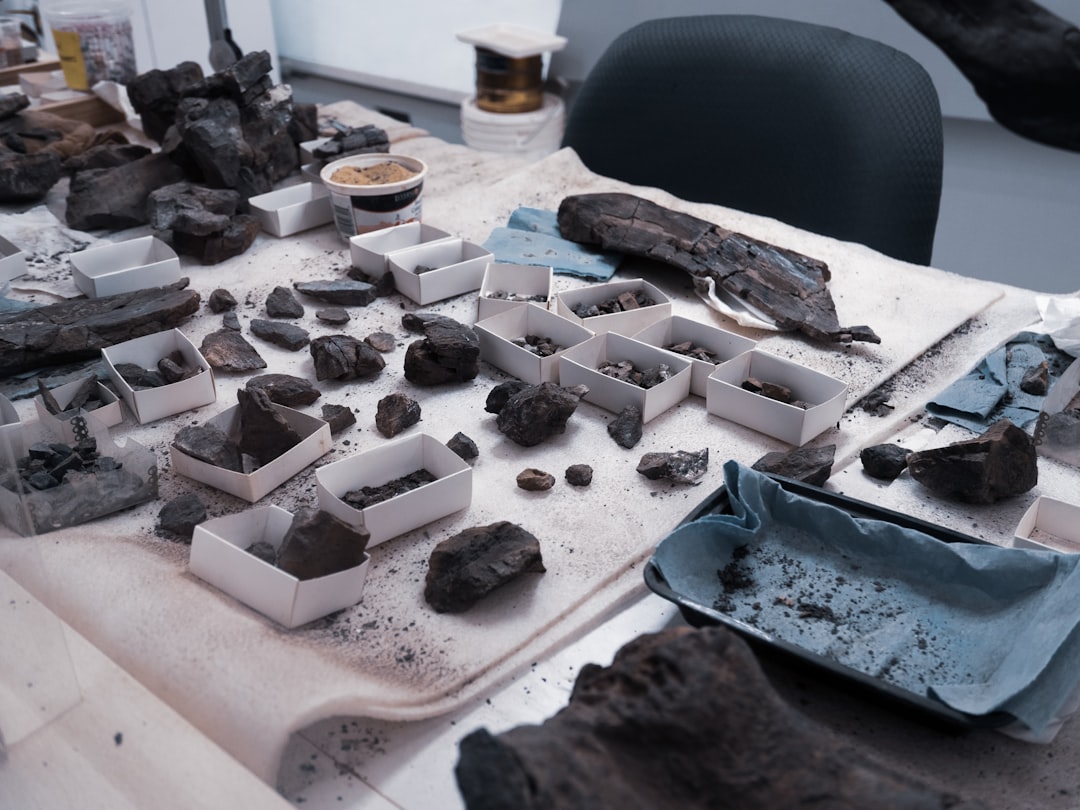
The flickering glow of the projector cast an ethereal light across the hushed audience, the air thick with anticipation. Tonight, “Unearthing Ancient Discoveries: Archaeology Documentary” promised a journey not just through time, but into the very heart of humanity’s forgotten past. This wasn’t merely a collection of dusty artifacts; it was an exploration of the minds, hands, and societies that shaped our world, brought to life through meticulous research, cutting-edge technology, and the passionate narratives of archaeologists themselves. The documentary began, and with it, an invitation to witness the painstaking, often thrilling, process of uncovering history.
The opening scenes of “Unearthing Ancient Discoveries” immediately established the fundamental human fascination with what lies beneath the surface. It’s a primal curiosity, a desire to connect with those who came before, to understand their lives, their struggles, and their triumphs. The documentary masterfully articulated this drive, showcasing the sheer dedication required to even begin such an endeavor.
The Spark of Inquiry
The film highlighted that archaeological digs rarely begin in a vacuum. They are often born from a specific question, a tantalizing hint in historical texts, or an accidental discovery by a farmer plowing a field. This section delved into the genesis of archaeological expeditions, illustrating how a fragment of pottery or an unusual geological formation can ignite a years-long quest for answers. The narrative emphasized the role of serendipity, but also the critical need for informed speculation and a deep understanding of regional history.
From Legend to Layer: The Initial Hypothesis
“Unearthing Ancient Discoveries” explored how archaeologists move from a general curiosity to a focused hypothesis. This involves extensive research into local folklore, historical records, and previous archaeological findings. The documentary showed teams poring over ancient maps, consulting with local elders, and meticulously analyzing satellite imagery, all in an effort to identify the most promising locations for excavation. The process is as much intellectual detective work as it is physical labor.
The Ethical Compass: Respecting the Past
A significant portion of this opening segment was dedicated to the ethical considerations inherent in archaeology. The documentary stressed that these are not just inanimate objects being unearthed; they are remnants of human lives and cultures, deserving of the utmost respect. It showcased the importance of responsible excavation techniques, the careful documentation of every find, and the collaborative efforts with local communities and descendants of the past civilizations. This highlighted a modern evolution in the field, moving beyond mere collection to a more holistic and respectful engagement with heritage.
In the fascinating world of archaeology, ancient discoveries continue to captivate our imagination, shedding light on civilizations long past. One intriguing article that delves into the mysteries of our planet is titled “Uncovering the Secrets Beneath Antarctica’s Ice.” This piece explores the potential archaeological treasures hidden beneath the icy expanse of Antarctica, offering insights into how climate change may reveal artifacts from ancient human activity. For more information, you can read the article here: Uncovering the Secrets Beneath Antarctica’s Ice.
Tools of the Trade: Modern Marvels in Ancient Lands
“Unearthing Ancient Discoveries” didn’t shy away from the technical aspects of modern archaeology. It revealed how advancements in technology have revolutionized the field, allowing for non-intrusive methods and a more detailed understanding of excavated sites. The documentary painted a picture of archaeologists not just with trowels and brushes, but with drones, ground-penetrating radar, and sophisticated imaging software.
Beyond the Shovel: Non-Invasive Technologies
This section was a testament to innovation. The film showcased how technologies like LiDAR (Light Detection and Ranging) can “see through” dense vegetation, revealing hidden structures and landscapes that would otherwise remain invisible. Ground-penetrating radar was demonstrated as a tool to detect anomalies beneath the surface without disturbing the soil, helping to identify potential burial sites or foundations of ancient buildings. The visual impact of these technologies was striking, transforming abstract data into tangible maps of lost cities and settlements.
Mapping the Unseen: LiDAR and Satellite Imagery
The documentary provided compelling examples of LiDAR’s power. In one segment, it showed how the technology revealed the intricate network of ancient roads and agricultural terraces in a dense jungle, previously masked by the canopy. The use of high-resolution satellite imagery was also explored, allowing archaeologists to identify large-scale patterns and features from above, guiding their on-the-ground efforts. The speed and accuracy offered by these methods were a stark contrast to traditional surveying techniques.
The Subsurface Scanner: Peering into the Earth
Ground-penetrating radar was presented as a vital tool for pre-excavation assessment. The documentary explained how the radar sends electromagnetic waves into the ground and analyzes the reflected signals to create a profile of subsurface layers and objects. This allowed archaeologists to make informed decisions about where to dig, minimizing unnecessary disruption and maximizing the chances of significant finds. The visual representations of these scans, often displayed as colorful cross-sections, were both informative and aesthetically engaging.
Precision and Documentation: The Digital Archive
The shift to digital documentation was another key theme. “Unearthing Ancient Discoveries” demonstrated how 3D scanning and photogrammetry are used to create incredibly detailed digital models of artifacts and entire excavation sites. This not only preserves the data in case of loss or damage but also allows for remote study and analysis by scholars worldwide. The meticulousness of this process was emphasized, ensuring that every detail, no matter how small, is captured for posterity.
Capturing Every Angle: 3D Modeling and Photogrammetry
The film showcased the creation of intricate 3D models of excavated structures and artifacts. By taking numerous overlapping photographs from different angles, photogrammetry software can reconstruct the object or site in three dimensions. This was illustrated with examples of delicate pottery shards and imposing stone carvings, each rendered with astonishing accuracy. The ability to rotate, zoom, and measure these digital replicas opened up new avenues for research and education.
The Virtual Excavation: Digital Reconstruction
This segment explored the use of digital reconstruction to bring ancient environments back to life. Based on the unearthed evidence and digital models, archaeologists and CGI artists collaborated to recreate what these sites might have looked like in their prime. The documentary presented these reconstructions as powerful tools for visualizing the past, helping the audience to connect with the scale and grandeur of ancient civilizations in a way that static images or descriptions alone cannot achieve.
Stories in Stone and Soil: Decoding the Evidence

The heart of any archaeology documentary lies in the stories told by the artifacts themselves. “Unearthing Ancient Discoveries” excelled in this regard, weaving narratives from seemingly disparate objects and geological formations. The film moved beyond simply presenting discoveries to interpreting their meaning and significance within the broader context of human history.
The Unwritten Word: Artifacts as Text
This section underscored the principle that artifacts are the primary “text” of archaeology. The documentary highlighted how a single shard of pottery can reveal information about trade routes, technological capabilities, and social practices. The intricate patterns on a tomb artifact might speak of religious beliefs, while the wear on a stone tool could indicate its specific use and the skill of its creator.
Pottery’s Silent Symphony: Trade, Technology, and Daily Life
The film provided in-depth analyses of pottery finds from various sites. The composition of the clay, the firing techniques, and the decorative motifs were all presented as clues. For example, the presence of a particular type of clay could indicate trade with a distant region, while changes in pottery styles over time could mark significant cultural shifts or the arrival of new populations. The documentary showed how seemingly simple vessels could unlock complex stories.
Tools of the Trade: The Evolution of Human Ingenuity
The evolution of tools was another captivating element. The documentary traced the development of stone tools from simple choppers to finely crafted blades, demonstrating the increasing sophistication of human cognitive abilities and manual dexterity. The analysis of wear patterns on these tools provided insights into the tasks they were used for, such as butchering animals, preparing hides, or crafting other implements.
The Human Connection: Bioarchaeology and Osteology
“Unearthing Ancient Discoveries” went beyond the inanimate, delving into the study of human remains. Bioarchaeology and osteology were presented as crucial disciplines that offer direct insights into the lives, health, and even the social status of ancient individuals. This part of the documentary was handled with sensitivity and respect, focusing on what these remains can teach us about past societies.
Echoes in the Bones: Health, Diet, and Lifestyle
The documentary showed how analyzing skeletal remains can reveal a wealth of information. The presence of healed fractures might indicate instances of violence or accidents. Dental wear patterns could suggest dietary habits, while evidence of diseases like arthritis or malnutrition painted a picture of the daily challenges faced by ancient populations. This offered a deeply personal connection to the past.
The Story of Life and Death: Burial Practices and Rituals
The manner in which individuals were buried provided profound insights into their cultural beliefs and social structures. The documentary explored variations in burial customs, from elaborate tombs to simple graves, and the inclusion of grave goods, which could reflect social status, occupation, or personal possessions. These practices offered a glimpse into ancient understandings of the afterlife and the importance of remembrance.
Rekindling Lost Civilizations: Landmark Discoveries

The documentary showcased several iconic archaeological discoveries, each representing a significant leap in our understanding of human history. These were the moments that captured the public imagination and fundamentally altered academic perspectives.
The City Beneath the Sand: Uncovering Lost Urban Centers
This section focused on the rediscovery of ancient cities that had been lost to time and the elements. The documentary illustrated the painstaking process of excavating these sprawling settlements, revealing the complexity of their urban planning, architecture, and infrastructure.
The Grandeur of Palmyra: A Crossroads of Empires
The film highlighted the archaeological work at Palmyra, an ancient Semitic city that once stood as a vital hub on the Silk Road. The documentary showcased the magnificent ruins, including the Temple of Bel and the Arch of Triumph, and discussed how these structures illuminate Palmyra’s role as a prosperous trading center and a melting pot of cultures. The presentation emphasized the tragic recent damage to these sites and the ongoing efforts for their preservation.
The Mysteries of Mohenjo-daro: A Bronze Age Enigma
The documentary explored the ruins of Mohenjo-daro, one of the largest settlements of the ancient Indus Valley Civilization. The advanced urban planning, sophisticated drainage systems, and enigmatic script found at this site were presented as evidence of a highly organized and technologically advanced society that predates many other known civilizations. The ongoing debate surrounding the decline of this civilization added to its allure.
The Voice of the Ancients: Deciphering Lost Languages
The ability to decipher ancient languages was presented as a monumental achievement that unlocked vast archives of knowledge. The documentary celebrated the individuals and methods that allowed us to read the words of civilizations long gone.
The Rosetta Stone’s Legacy: Unlocking Egyptian Hieroglyphs
The pivotal role of the Rosetta Stone in deciphering ancient Egyptian hieroglyphs was a central theme. The documentary explained the linguistic puzzle that the stone presented and the eventual breakthrough by Jean-François Champollion, which opened a window into the rich history, religion, and administration of ancient Egypt. The visual of the stone itself, alongside detailed explanations of the decipherment process, was captivating.
The Enigma of Linear B: A Glimpse into Mycenaean Greece
The decipherment of Linear B, an early form of Greek used by the Mycenaean civilization, was also explored. The documentary discussed how Michael Ventris’s groundbreaking work revealed that Linear B was a syllabic script and that the tablets found contained administrative and economic records, providing invaluable insights into the organization of Mycenaean society and its palaces.
In the fascinating world of archaeology, ancient discoveries continue to shed light on the lives of our ancestors. One particularly intriguing aspect is the study of food rationing, which reveals how societies adapted to scarcity and resource management throughout history. For those interested in this topic, an insightful article titled “Uncovering the Archaeology of Food Rationing” explores the various methods used by ancient civilizations to cope with food shortages. You can read more about it here. This exploration not only enhances our understanding of past cultures but also offers valuable lessons for contemporary society.
The Future of Discovery: New Frontiers in Archaeology
| Documentary Title | Discovery | Location | Year |
|---|---|---|---|
| Lost Worlds: The Story of Archaeology | Ancient city ruins | Mesopotamia | 1850 |
| Secrets of the Dead: The Lost Gardens of Babylon | Babylonian gardens | Babylon, Iraq | 1985 |
| Unearthed: Lost City of the Incas | Incan city | Machu Picchu, Peru | 1911 |
“Unearthing Ancient Discoveries” concluded by looking forward, emphasizing that the field of archaeology is constantly evolving. The documentary highlighted new technologies and emerging research areas that promise to continue the quest for understanding our past.
The Digital Frontier: Virtual Reality and Big Data
The film touched upon the growing role of digital technologies in analyzing and presenting archaeological data. Virtual reality simulations were shown to offer immersive experiences of ancient sites, allowing viewers to “walk through” reconstructed cities and interact with virtual artifacts. The application of big data analysis to large archaeological datasets was also mentioned as a way to identify patterns and correlations that might have previously been missed.
Immersive Journeys: VR in Archaeological Exploration
The documentary showcased how virtual reality is being used to create highly realistic reconstructions of ancient environments. This allows researchers to test hypotheses about architectural design and spatial organization, and it provides the public with an unprecedented opportunity to experience historical sites as they once were. The potential for educational applications was clearly evident.
Uncovering Patterns: The Power of Big Data in Archaeology
The film touched upon how the massive amounts of data generated by modern archaeological surveys are now being analyzed using sophisticated algorithms. This “big data” approach can reveal previously unseen connections between sites, cultural practices, and environmental factors, leading to new interpretations of ancient human behavior and societal development.
Underwater Worlds: The Realm of Marine Archaeology
The documentary dedicated a segment to the often-overlooked field of marine archaeology. The challenges and rewards of exploring submerged ancient sites, from shipwrecks to lost coastal cities, were vividly portrayed.
Sunken Treasures: The Secrets of Shipwrecks
The exploration of ancient shipwrecks was a particularly exciting part of the film. The documentary showed how these underwater sites can preserve artifacts in remarkable condition, offering a snapshot of maritime trade, naval warfare, and the daily lives of sailors from centuries past. The dangers and technical expertise involved in underwater excavation were palpable.
Cities Beneath the Waves: Submerged Settlements and Landscapes
The film also explored the investigation of submerged ancient settlements, often lost to sea-level rise or seismic activity. These sites provide unique insights into coastal adaptation, the impact of environmental change on human populations, and the evolution of human settlement patterns over millennia.
“Unearthing Ancient Discoveries: Archaeology Documentary” was more than just a viewing experience; it was an odyssey. It reminded the audience that beneath the veneer of modernity lies a rich tapestry of human endeavor, woven from the threads of countless lives lived long ago. The documentary left a lasting impression, sparking a renewed appreciation for the tireless work of archaeologists and igniting a fervent hope that the secrets of our past will continue to be unearthed, one artifact, one excavation, one discovery at a time. The journey of understanding humanity is, in essence, an ongoing excavation.
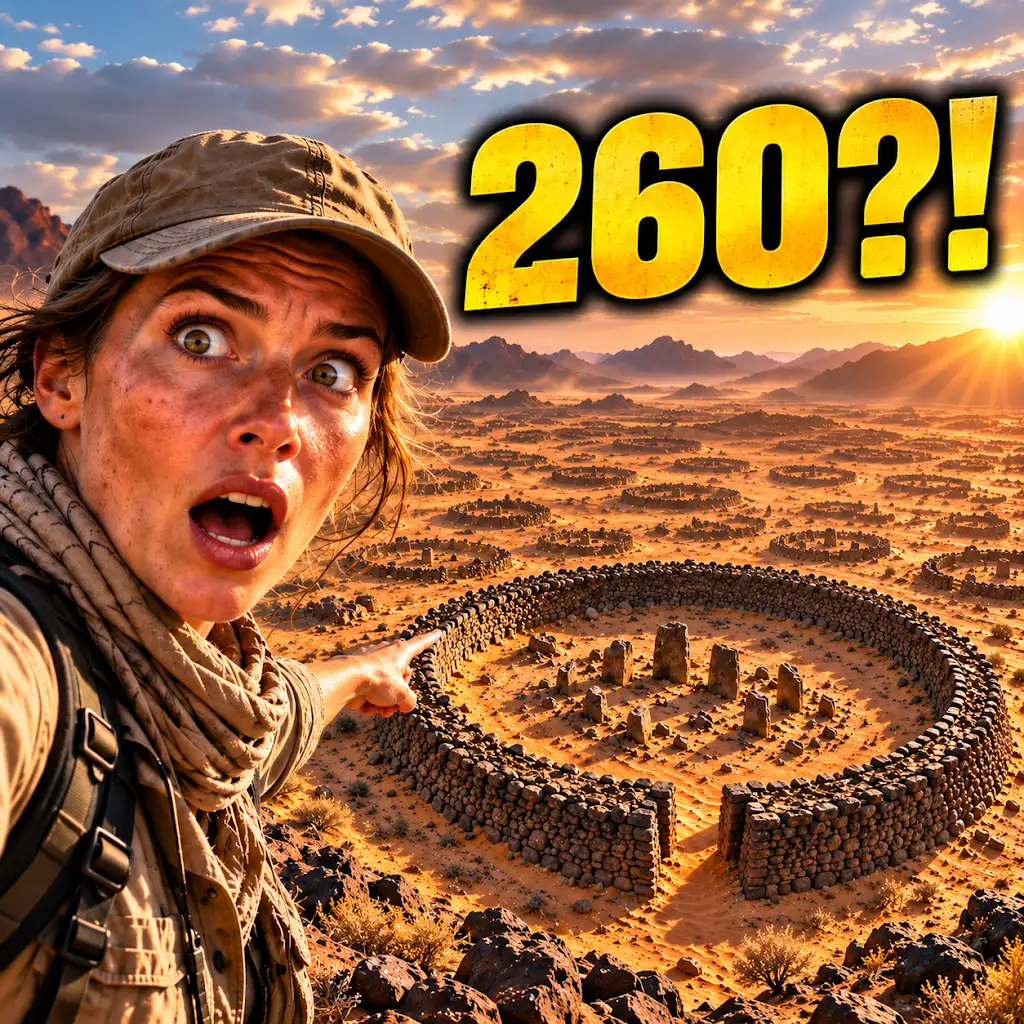
260 Ancient Graves Were Hiding in This “Empty” Desert
FAQs
What is the purpose of archaeology documentaries?
Archaeology documentaries aim to educate and inform viewers about ancient discoveries, historical sites, and the methods used by archaeologists to uncover and study the past. They often showcase the latest findings and research in the field of archaeology.
What are some common themes in archaeology documentaries?
Common themes in archaeology documentaries include ancient civilizations, lost cities, archaeological excavations, historical mysteries, and the preservation of cultural heritage. These documentaries often explore the significance of archaeological discoveries in understanding human history.
How are archaeology documentaries produced?
Archaeology documentaries are typically produced by a team of filmmakers, researchers, and archaeologists. The process involves extensive research, on-site filming at archaeological sites, interviews with experts, and the use of advanced technology to capture and present the findings in an engaging and informative manner.
Where can one watch archaeology documentaries?
Archaeology documentaries can be found on various streaming platforms, such as Netflix, Amazon Prime, and Hulu, as well as on television channels dedicated to history and science programming. They are also available for purchase or rental on DVD and Blu-ray.
What can viewers learn from archaeology documentaries?
Viewers can learn about the latest archaeological discoveries, the methods and techniques used in the field of archaeology, the historical and cultural significance of ancient artifacts and sites, and the ongoing efforts to preserve and protect our shared human heritage. Archaeology documentaries also provide insight into the work of archaeologists and the challenges they face in uncovering the past.