The flickering candlelight cast long shadows across the dusty dig site. A weathered hand, encased in a latex glove, carefully brushed away millennia of sediment. Each fragile particle, painstakingly removed, held the promise of unlocking secrets from a forgotten age. This was the tangible, grimy, and profoundly thrilling reality of archaeology, a discipline that bridges the vast chasm of time. For those who seek to understand not just the “what” but the “why” and “how” of human history, this science offers an unparalleled journey into the past. A recent science documentary, aptly titled “Unearthing Ancient Mysteries,” dedicates itself to this very endeavor, guiding viewers through the labyrinthine process of archaeological discovery and the groundbreaking insights it yields.
This documentary is not merely a collection of impressive artifacts displayed behind glass. Instead, it immerses the audience in the field, showcasing the sweat, the meticulous planning, and the sheer intellectual puzzle-solving that defines modern archaeology. From the windswept deserts of Egypt to the dense jungles of Mesoamerica, the film takes us to the front lines of human history, where fragments of pottery, skeletal remains, and architectural ruins speak volumes to those who can decipher their silent language.
The narrative thread of “Unearthing Ancient Mysteries” weaves together multiple archaeological expeditions, highlighting the diversity of sites and the universality of the human drive to understand our origins. It moves beyond sensationalism, focusing instead on the rigorous scientific methodology that underpins archaeological practice. The filmmakers expertly demonstrate how seemingly insignificant finds can, through careful analysis and contextualization, contribute to a grander narrative, reshaping our understanding of ancient civilizations, their triumphs, and their eventual demise.
The documentary’s strength lies in its ability to distill complex scientific processes into accessible and engaging visual storytelling. Viewers learn about stratigraphy, radiocarbon dating, DNA analysis, and the ethical considerations that guide responsible excavation. It’s a testament to the power of collaborative science, showcasing the interplay between archaeologists, anthropologists, geologists, and conservators, all working in concert to peel back the layers of time.
The opening segments of “Unearthing Ancient Mysteries” immediately confront the romanticized vision of archaeology often portrayed in popular fiction. While the thrill of discovery is undeniable, the documentary emphasizes the methodical and often painstaking nature of excavation. It illustrates that success on any dig begins not with a shovel, but with extensive research, remote sensing, and a deep understanding of the landscape.
Site Selection: Where the Past Hides
The film expertly portrays the initial stages of an archaeological project. Viewers witness researchers poring over historical texts, satellite imagery, and aerial photographs, searching for anomalies that might indicate buried settlements or significant human activity. The documentary highlights techniques like ground-penetrating radar and magnetometry, which allow archaeologists to “see” beneath the surface without disturbing the soil, thereby minimizing the impact on fragile sites. This proactive approach, it emphasizes, is crucial for preserving the integrity of archaeological landscapes.
Understanding Stratigraphy: Reading the Earth’s Layers
A core concept explained in detail is stratigraphy, the study of rock and soil layers. The documentary uses vivid animations and time-lapse photography to show how geological and anthropogenic deposition creates distinct layers, each representing a different period of time. Archaeologists meticulously excavate these layers, understanding that what is found deeper within the earth is generally older than what is found closer to the surface. This principle is the bedrock of chronological ordering in archaeology. The film shows how variations in soil color, texture, and the types of artifacts present within each stratum provide crucial clues about the past inhabitants of a site.
Excavation Techniques: Precision and Patience
The hands-on work of excavation is depicted with a focus on precision. Viewers see archaeologists using tools ranging from trowels and brushes to specialized vacuum cleaners for delicate artifacts. The documentary stresses the importance of documentation at every stage, with detailed notes, photographs, and 3D scans recording the exact location and context of every find. This meticulous record-keeping is paramount, as the true value of an artifact lies not just in its form, but in its association with other objects and the soil layers from which it was recovered.
In the realm of science documentary archaeology, the exploration of historical narratives often intersects with contemporary issues, such as the militarization of space. A thought-provoking article that delves into this topic is available at The Militarization of the Moon: Strategic Advantages. This piece examines how the historical context of space exploration is being reshaped by modern geopolitical strategies, providing a fascinating lens through which to view the evolution of human endeavors beyond our planet.
Decoding the Evidence: From Pottery Shards to DNA
Once artifacts are unearthed, the real work of interpretation begins. “Unearthing Ancient Mysteries” delves into the scientific methods used to analyze these remnants, transforming tangible objects into stories of human lives, societies, and environments.
Material Analysis: The Science of Stuff
The documentary showcases a range of scientific techniques used to analyze the materials of ancient objects. These include X-ray fluorescence (XRF) to determine the elemental composition of pottery and metal, allowing researchers to trace trade routes and identify manufacturing techniques. Petrography, the microscopic examination of rock thin sections, helps pinpoint the origin of stone tools and building materials. The focus is on how these analyses go beyond mere identification, revealing insights into resource management, technological advancements, and economic interactions of ancient peoples.
Osteology and Bioarchaeology: The Stories in Bones
A significant portion of the documentary is dedicated to the study of human remains. Through the work of bioarchaeologists, viewers are introduced to the wealth of information contained within skeletal fragments. The film explains how the analysis of bones can reveal a person’s age, sex, diet, health status, and even evidence of violence or disease. The documentary highlights the ethical considerations surrounding the excavation and study of human remains, emphasizing respect for the deceased and their descendants.
Ancient DNA: Rewriting History
The advent of ancient DNA (aDNA) analysis has revolutionized archaeology, and “Unearthing Ancient Mysteries” devotes considerable attention to this burgeoning field. Viewers learn how scientists can extract and analyze DNA from fossilized bones and teeth, providing unprecedented insights into human migration patterns, kinship structures, and the genetic makeup of past populations. The documentary features case studies where aDNA has helped confirm or overturn long-held theories about population movements and the genetic origins of modern societies.
Reconstructing Worlds: Beyond the Artifacts
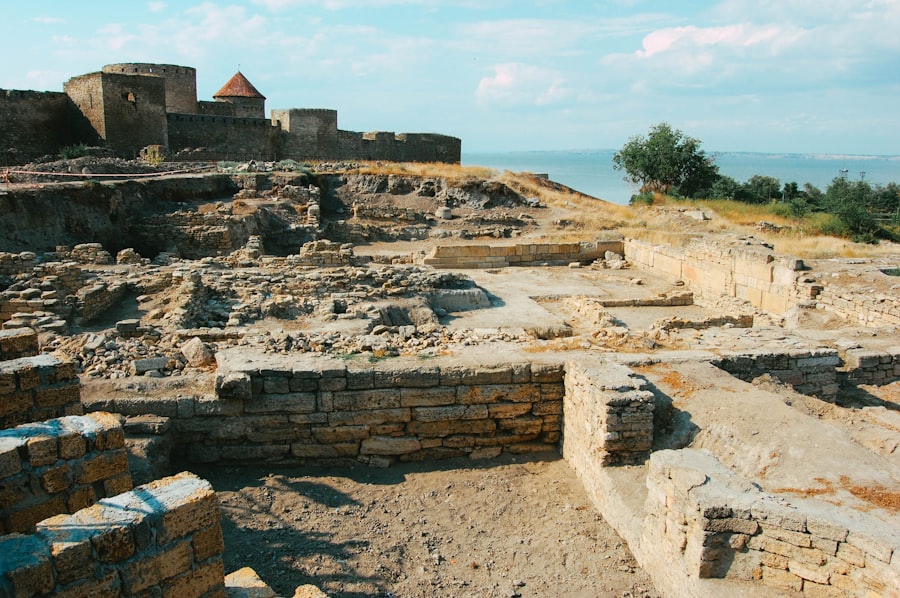
The ultimate goal of archaeology, as presented by the documentary, is not just to collect old objects but to reconstruct the complex tapestry of human life in the past. This involves an interdisciplinary approach, drawing on insights from various fields to paint a vivid picture of ancient societies.
Environmental Archaeology: The Landscape of the Past
The film emphasizes the crucial role of environmental archaeology in understanding human history. Researchers analyze pollen samples, animal bones, and sediment cores to reconstruct past climates, vegetation, and agricultural practices. This allows archaeologists to understand how environmental factors influenced human settlements, resource availability, and the development of civilizations. The documentary showcases how climate change, both ancient and modern, has played a significant role in shaping human destinies.
Experimental Archaeology: Bringing the Past to Life
“Unearthing Ancient Mysteries” also explores the fascinating field of experimental archaeology. Here, researchers attempt to replicate ancient technologies and practices, from stone tool production to building methods. By physically engaging with the challenges faced by ancient peoples, archaeologists gain a deeper understanding of their ingenuity, resourcefulness, and the practicalities of daily life. The documentary shows compelling examples of how experiments in flintknapping or ancient construction techniques have provided invaluable insights into the capabilities of past societies.
Digital Reconstruction: Visualizing the Unseen
The documentary highlights the transformative impact of digital technologies on archaeological visualization. Viewers are presented with stunning 3D models and virtual reality reconstructions of ancient sites, bringing lost cities and long-vanished structures back to life. These digital reconstructions allow for a more immersive and intuitive understanding of ancient architecture, urban planning, and the scale of past human endeavors. The film demonstrates how these visualizations not only aid in academic research but also engage the public with the wonders of the past.
Voices from the Past: Telling Stories Through Material Culture
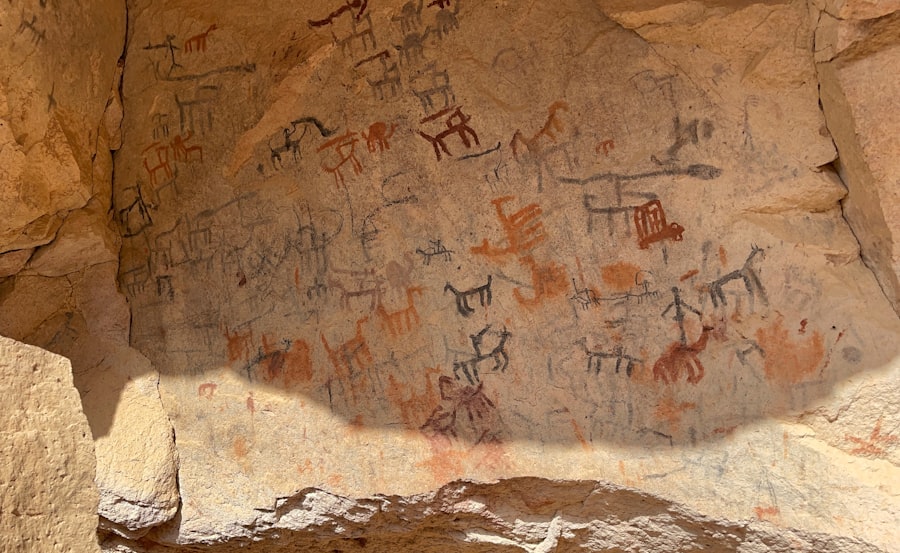
The human element is central to “Unearthing Ancient Mysteries.” The documentary doesn’t just present dry facts; it seeks to give voice to the people who lived in the past, using the material evidence they left behind.
Personal Narratives: Glimpses into Daily Life
Through the analysis of everyday objects – cooking pots, children’s toys, personal adornments – the documentary aims to offer glimpses into the personal lives of ancient individuals. The wear patterns on tools, the remnants of meals preserved in pottery, and the styles of clothing can all tell stories of individual experiences, social status, and cultural practices. The film emphasizes that behind every artifact is a human story waiting to be uncovered.
Social Structures: Unraveling Hierarchies and Relationships
The documentary explores how archaeologists use material culture to understand the social structures of past societies. Differences in housing, burial practices, and the distribution of wealth-indicating artifacts can reveal social hierarchies, gender roles, and the dynamics of power and influence within a community. The film showcases how the careful study of cemeteries, for instance, can provide profound insights into the social organization and beliefs of ancient peoples.
Belief Systems and Rituals: The Spiritual Lives of Ancestors
The intangible aspects of human existence – beliefs, rituals, and spiritual practices – are perhaps the most challenging to reconstruct. “Unearthing Ancient Mysteries” demonstrates how archaeologists glean clues from religious artifacts, temple structures, and mortuary customs. The documentary presents compelling evidence for the spiritual lives of ancient peoples, showing how their artistic expressions, their rituals surrounding death, and the organization of their sacred spaces offer windows into their worldview and their relationship with the divine.
In the fascinating realm of science documentary archaeology, the exploration of ancient engineering marvels often reveals the ingenuity of past civilizations. One such example is the Persian qanat system, a remarkable water management technique that has stood the test of time. For a deeper understanding of this innovative structure and its significance in ancient Persia, you can read more in this insightful article about the qanat system. This resource highlights not only the technical aspects but also the cultural impact of this ancient method on society.
The Future of Discovery: Ethics, Technology, and Preservation
| Documentary Title | Release Year | Director | Duration (minutes) |
|---|---|---|---|
| Secrets of the Dead: The Lost Gardens of Babylon | 2014 | Harvey Lilley | 60 |
| Lost Worlds: The Story of Archaeology | 2000 | David Murdock | 120 |
| Archaeology: A Secret History | 2013 | David Murdock | 180 |
The final segments of “Unearthing Ancient Mysteries” look towards the future, addressing the evolving landscape of archaeology and the critical importance of responsible practice.
Ethical Considerations: Respect and Responsibility
The documentary rigorously examines the ethical dilemmas faced by archaeologists today. Issues such as the repatriation of cultural heritage, the involvement of indigenous communities in research on their ancestral lands, and the balance between scientific inquiry and the preservation of cultural sites are explored in depth. The film advocates for a more collaborative and respectful approach to archaeology, one that acknowledges the living descendants of the people whose past is being studied.
Technological Advancements: The Next Frontier
Looking ahead, the documentary highlights the ever-increasing role of technology in archaeological discovery. Innovations in drone technology for surveying, advanced AI for analyzing vast datasets, and non-invasive imaging techniques promise to push the boundaries of what is possible. The film suggests that these advancements will not only accelerate the pace of discovery but also allow for more comprehensive and less intrusive investigations of our planet’s rich history.
Heritage Preservation: Safeguarding Our Past for the Future
A significant theme throughout “Unearthing Ancient Mysteries” is the urgent need for heritage preservation. The documentary underscores the vulnerability of archaeological sites to natural erosion, urban development, and human conflict. It calls for greater public awareness and support for organizations dedicated to protecting these invaluable links to our collective past. The film concludes with a powerful message: that unearthing ancient mysteries is not just an academic pursuit, but a vital responsibility to understand and safeguard the legacy of human civilization for generations to come.

How Trees Became History’s Calendar
FAQs
What is a science documentary archaeology?
A science documentary archaeology is a film or television program that explores the field of archaeology through a scientific lens. It typically showcases archaeological discoveries, research methods, and the historical and cultural significance of ancient artifacts and sites.
What are the benefits of watching science documentary archaeology?
Watching science documentary archaeology can provide viewers with a deeper understanding of ancient civilizations, their technologies, and their cultural practices. It can also offer insights into the methods and techniques used by archaeologists to uncover and interpret the past.
Where can I watch science documentary archaeology?
Science documentary archaeology programs can be found on various streaming platforms, such as Netflix, Amazon Prime Video, and Hulu. They may also be available on cable television channels dedicated to history and science programming.
What are some popular science documentary archaeology series or films?
Some popular science documentary archaeology series and films include “Time Team,” “Secrets of the Dead,” “The Mummy Who Would Be King,” “The Lost Tomb of Alexander the Great,” and “The Pyramid Code.”
How can science documentary archaeology contribute to our understanding of history?
Science documentary archaeology can contribute to our understanding of history by presenting new discoveries and interpretations of ancient civilizations. It can also shed light on the interconnectedness of different cultures and the evolution of human societies over time.