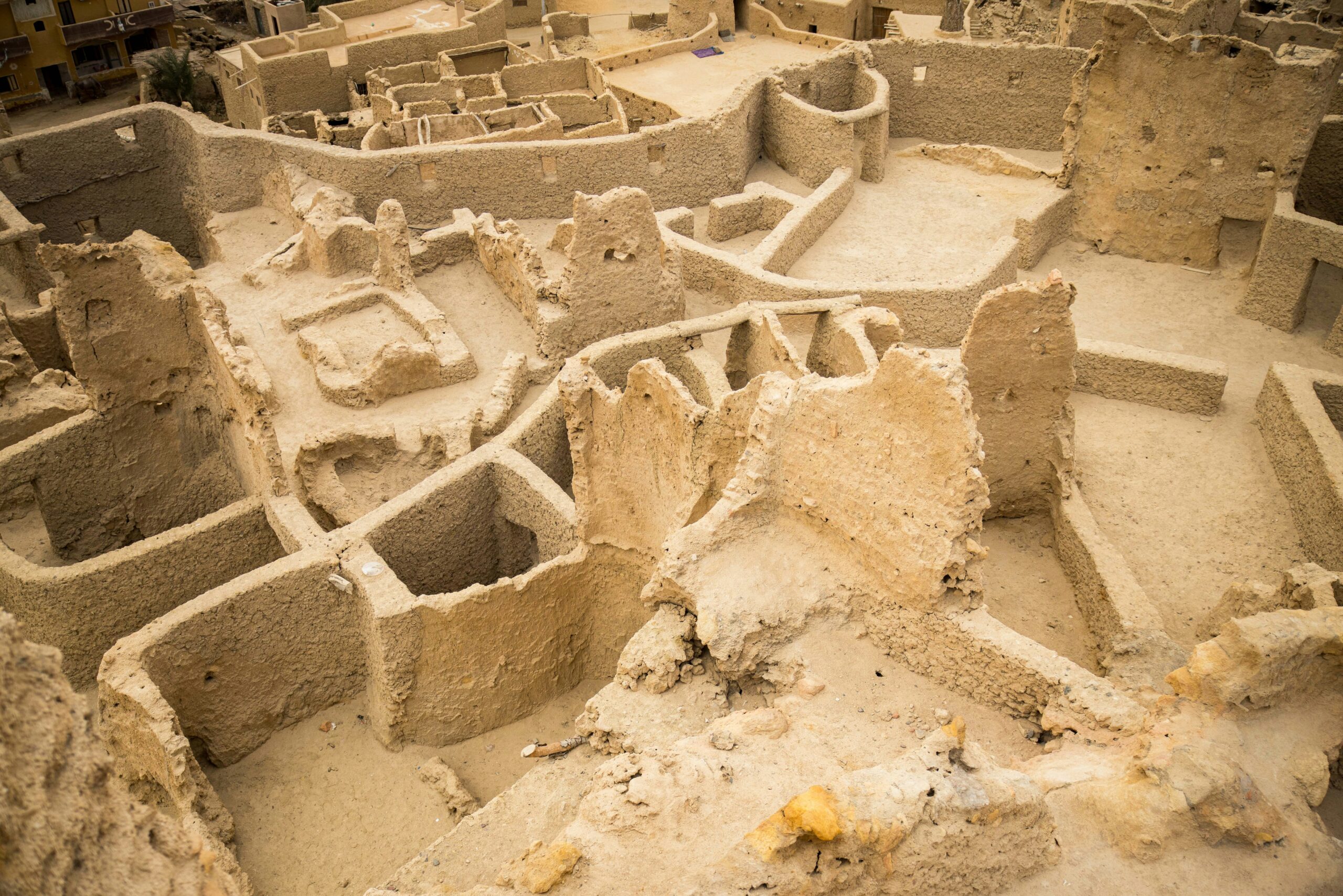
The flickering screen cast a dim glow across the room as the opening credits rolled for “Unearthing Ancient Mysteries: Archaeology Documentary.” It was an invitation, a silent beckoning, to step back in time, to tread the dust of forgotten empires, and to listen to the whispers of civilizations long turned to memory. This documentary promised not just a recounting of historical facts, but an immersive journey into the very process of discovery, showcasing the relentless curiosity and meticulous scientific endeavor that allows archaeologists to peel back the layers of time. It was a testament to humanity’s innate drive to understand its origins, its triumphs, and its failures. The narrative woven throughout the film wasn’t merely about spectacular finds, but about the human stories behind them, the painstaking work, the unexpected turns, and the profound sense of connection to the past that drives these dedicated individuals.
The documentary immediately plunged viewers into the thrill of the initial spark, the moment an idea or a hunch transforms into an active investigation. It highlighted how seemingly insignificant fragments – a shard of pottery, an unusual geological formation, a local legend – can ignite the archaeological imagination. The film presented a compelling argument for the inherent human fascination with what lies hidden, with the stories that the earth has patiently held.
From Folklore to Fieldwork
“Unearthing Ancient Mysteries” masterfully illustrated how ancient myths and local folklore, often dismissed as mere fantasies, can serve as crucial starting points for archaeological expeditions. The film featured an segment on the legendary city of Troy, depicting how Heinrich Schliemann, inspired by Homer’s epic poems, embarked on a quest that, despite its controversial methods, ultimately led to the uncovering of a Bronze Age civilization that reshaped our understanding of the ancient world. The narrative emphasized that these stories, however embellished, often contain kernels of truth, geographical clues, or descriptions of cultural practices that guide the modern archaeologist. It showcased the transition from oral tradition to tangible evidence, demonstrating how imagination can be the fertile ground from which scientific inquiry springs.
The First Glimmers: Early Archaeological Endeavors
The documentary then traced the evolution of archaeology from its early, more treasure-hunting origins to its development as a rigorous scientific discipline. Early explorers, driven by a desire for ancient artifacts to adorn private collections or museum halls, are contrasted with the meticulous excavation and recording techniques employed today. Viewers were shown black-and-white footage of early digs – less about careful stratigraphy and more about simply retrieving objects of value. This section served as a vital reminder of how far the field has come, underscoring the dedication of countless individuals who, over centuries, refined the methods that allow us to reconstruct the past with increasing accuracy. The film avoided judgment, instead focusing on the progression of knowledge and the building upon the work of predecessors.
The Power of Observation: Reading the Landscape
A significant portion of this opening segment was dedicated to the importance of landscape archaeology. The documentary emphasized that the earth itself is a canvas upon which history is painted. Archaeologists are trained to “read” this landscape, identifying subtle changes that might indicate human activity: unusual patterns in vegetation, slight undulations in the terrain, or concentrations of certain stone types. This segment featured stunning aerial photography and satellite imagery, illustrating how modern technology aids in spotting these often-overlooked clues. It highlighted the shift from focusing solely on buried structures to understanding how ancient peoples interacted with their environment, including their agricultural practices, trade routes, and settlement patterns. The film demonstrated that a single field, when examined with an expert eye, can reveal a wealth of information about the lives of those who once walked it.
In the realm of archaeology, the exploration of ancient civilizations often intersects with contemporary geopolitical issues, as highlighted in the article “The New Cold War: A High-Stakes Geopolitical Analysis.” This piece delves into how modern political tensions can influence archaeological research and heritage preservation, shedding light on the importance of safeguarding our shared history amidst global conflicts. For more insights on this topic, you can read the full article here: The New Cold War: A High-Stakes Geopolitical Analysis.
Tools of the Trade: Science in the Service of History
The documentary then shifted its focus to the sophisticated array of tools and techniques that modern archaeologists employ. It moved beyond the romanticized image of the trowel and brush to reveal a scientific arsenal that allows for non-invasive investigation, precise dating, and detailed analysis of recovered materials. This section was a testament to the interdisciplinary nature of archaeology, showcasing collaborations with geologists, chemists, physicists, and computer scientists.
Beyond the Trowel: Geophysics and Remote Sensing
“Unearthing Ancient Mysteries” provided a captivating look at geophysical survey methods, such as ground-penetrating radar (GPR) and magnetometry. Viewers saw these technologies in action, revealing buried walls, ditches, and even hearths without disturbing the soil. The documentary explained how these methods create detailed subsurface maps, allowing archaeologists to prioritize their excavation efforts and focus on areas with the highest potential for significant discoveries. The visual representations generated by these technologies were striking, transforming invisible subterranean features into clear, interpretable images. This segment effectively demonstrated how archaeology has become increasingly about looking before digging, minimizing destruction and maximizing the information gathered.
Dating the Past: Radiocarbon and Beyond
A crucial aspect of understanding ancient civilizations is their chronology. The film dedicated a substantial segment to the science of radiocarbon dating, explaining its principles and its revolutionary impact on historical timelines. Viewers witnessed the painstaking process of sample collection and laboratory analysis, highlighting the precision required to obtain reliable dates. The documentary also touched upon other dating techniques, such as dendrochronology (tree-ring dating) and thermoluminescence, showcasing the diverse scientific approaches used to establish the age of artifacts and sites. The narrative emphasized how these dating methods have challenged and refined existing historical narratives, overturning long-held assumptions about the sequence of events and the antiquity of certain cultures.
The Microscope and the Molecule: Material Analysis
The documentary delved into the microscopic world of ancient materials. Viewers were treated to close-up views of artifact fragments, analyzed by sophisticated microscopes and chemical techniques. The film showcased how the composition of pottery, the residue on tools, or the microscopic traces of organic matter on bones can reveal invaluable information about trade networks, diet, technology, and even social practices. The analysis of ancient DNA, a relatively new but rapidly advancing field, was also highlighted, demonstrating how it can shed light on human migration patterns, kinship structures, and the origins of diseases. This segment underscored how, with modern scientific advancements, even the smallest fragments can unlock profound insights into the lives of ancient peoples.
Digital Digs: Virtual Reconstruction and Data Management
Finally, the documentary explored the growing role of digital technology in archaeology. Viewers saw archaeologists utilizing 3D scanning to create detailed digital models of artifacts and sites, allowing for virtual exploration and analysis without physical handling. The film also showcased the sophisticated databases and Geographic Information Systems (GIS) used to manage vast amounts of archaeological data, facilitating research and collaboration on a global scale. This segment highlighted how digital tools are not only enhancing discovery but also ensuring the long-term preservation and accessibility of archaeological knowledge. The concept of “digital archaeology” was presented as the future of the discipline, promising to democratize access to information and foster new avenues of research.
Voices from the Dust: Reconstructing Lives and Societies
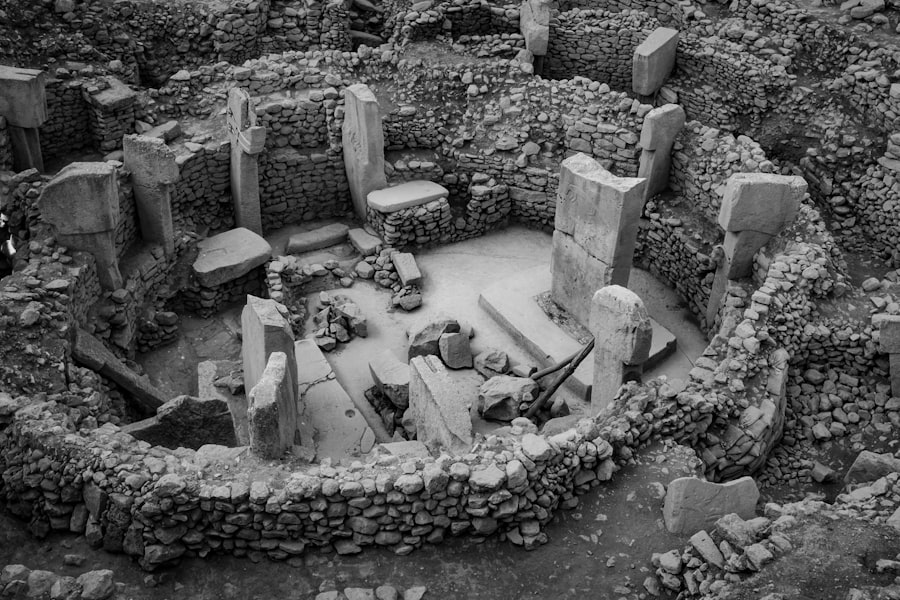
Beyond the scientific methods, “Unearthing Ancient Mysteries” placed a strong emphasis on the human element, on using archaeological evidence to reconstruct the lives, beliefs, and social structures of ancient peoples. The film argued that archaeology is not just about dead civilizations, but about understanding the fundamental human experiences that connect us across millennia.
Daily Rhythms: Unearthing Domestic Life
This section of the documentary focused on the intimate details of everyday existence in ancient times. Viewers were taken on a journey through reconstructed domestic spaces, pieced together from the remnants of hearths, cooking utensils, furniture fragments, and even discarded food items. The film illustrated how archaeologists analyze these domestic assemblages to understand family structures, meal preparations, sleeping arrangements, and leisure activities. The narrative emphasized that understanding the mundane is just as crucial as understanding the monumental, as it provides the bedrock upon which societies are built. The documentary brought to life the quiet moments of ancient lives, the routines and rituals that shaped their days.
Sacred Spaces: Temples, Tombs, and Rituals
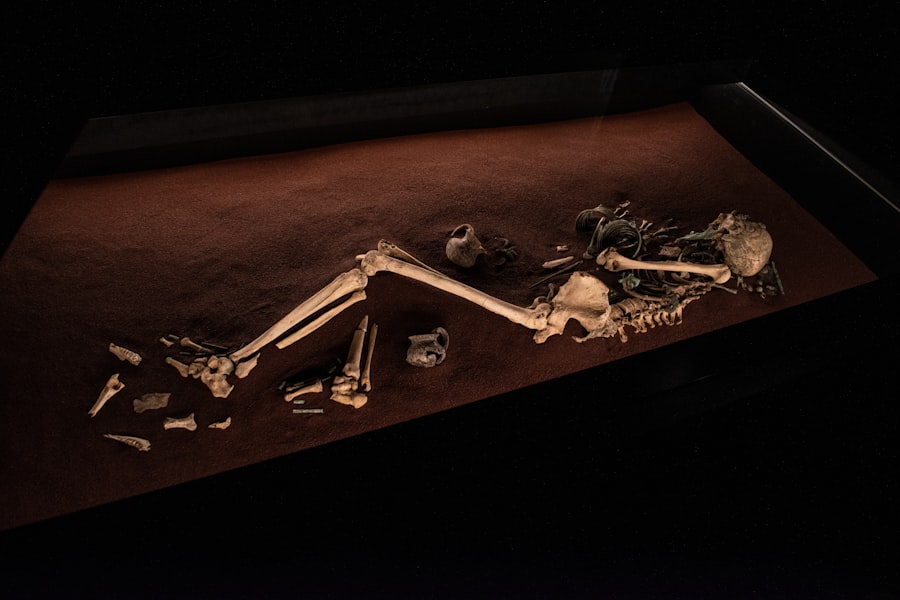
The documentary then turned its attention to the spiritual and religious lives of ancient peoples. Through the excavation of temples, burial sites, and ceremonial objects, viewers were offered glimpses into their belief systems, their understanding of the cosmos, and their rituals of worship and remembrance. The film showcased the intricate symbolism found in religious art, the architectural design of sacred spaces, and the grave goods found with burials, all of which contribute to a richer understanding of their spiritual world. The documentary aimed to dispel the notion that ancient religions were primitive, instead highlighting their complexity, their artistry, and their profound influence on societal organization and individual lives.
The Fabric of Society: Social Hierarchies and Power Structures
“Unearthing Ancient Mysteries” explored how archaeological evidence can illuminate the social hierarchies and power structures within ancient societies. The documentary examined variations in housing size and quality, the distribution of luxury goods, the presence of elaborate burial monuments, and the archaeological evidence for warfare and defense to infer social stratification. The film presented case studies of ancient cities, demonstrating how the layout of neighborhoods, the access to resources, and the prevalence of public buildings can reveal insights into governance, class divisions, and the exercise of authority. It was a compelling depiction of how material culture can serve as a tangible record of human organization and power dynamics.
Lost Languages and Written Records
A particularly captivating part of this section explored the decipherment of ancient scripts. The documentary highlighted the monumental efforts involved in translating hieroglyphs, cuneiform, and other lost languages, emphasizing the intellectual detective work required to crack these linguistic codes. The film showcased how the discovery and decipherment of written records, from administrative tablets to religious texts and personal letters, have provided invaluable direct insights into the thoughts, beliefs, and daily lives of ancient peoples, transforming our understanding of their histories in ways that purely material evidence cannot always achieve.
Echoes of Innovation: Technological and Cultural Advancements
The documentary then shifted its focus to the remarkable ingenuity of ancient peoples, showcasing their technological innovations and their transformative cultural advancements. It was a celebration of human creativity and problem-solving across different eras and geographical locations.
Engineering Marvels: Ancient Architecture and Infrastructure
This segment was a breathtaking tour of ancient engineering feats. Viewers witnessed the construction of monumental structures like the pyramids of Egypt, the aqueducts of Rome, and the terraced fields of the Inca, all explained through archaeological evidence and expert analysis. The documentary highlighted the sophisticated understanding of physics, mathematics, and materials science that underpinned these achievements. It was a testament to the ability of ancient civilizations to harness their environment and build enduring legacies that continue to inspire awe. The film emphasized the practical needs these engineering marvels served, from water supply and sanitation to defence and monumental commemoration.
The Spread of Ideas: Trade, Migration, and Cultural Exchange
“Unearthing Ancient Mysteries” explored how the movement of people and goods across continents facilitated the exchange of ideas and technologies. The documentary showcased archaeological evidence of ancient trade routes, depicting the flow of exotic goods, raw materials, and cultural influences. The film examined how innovations in agriculture, metallurgy, and warfare spread from one civilization to another, often transforming societies in their wake. This section underscored the interconnectedness of the ancient world and the dynamic nature of cultural development, demonstrating that progress was rarely isolated.
Artistic Flourish: Ancient Art, Music, and Literature
The documentary also celebrated the artistic achievements of ancient cultures. Viewers were presented with stunning examples of ancient pottery, sculpture, jewelry, and murals, each offering insights into their aesthetic sensibilities, their symbolic language, and their worldview. The film even touched upon the challenges of reconstructing ancient music and oral traditions, highlighting the efforts of scholars to bring these ephemeral art forms back to life through interpretation and reconstruction. This segment emphasized that art was not merely decorative but served crucial social, religious, and communicative functions.
Social and Political Transformations
Finally, this section explored how technological and cultural advancements often led to significant social and political transformations. The development of new agricultural techniques, for instance, could lead to population growth and the rise of complex urban centers. The introduction of new weaponry could alter the balance of power and lead to the formation of vast empires. The documentary demonstrated the intricate interplay between innovation, societal change, and the shaping of human history.
In the fascinating realm of archaeology, the quest to understand human history often intersects with advancements in technology, much like the exploration of our moon. A recent article discusses the implications of securing long-term human presence on the moon, which could provide insights into how ancient civilizations adapted to their environments. For those interested in the connections between space exploration and archaeological practices, this article is a must-read. You can find it here: securing long-term human presence on the moon.
Mysteries Unresolved: The Ongoing Quest for Knowledge
| Documentary Title | Release Year | Director | Duration |
|---|---|---|---|
| Lost Worlds: The Story of Archaeology | 2015 | David Murdock | 90 minutes |
| Secrets of the Dead: The Lost Gardens of Babylon | 2014 | Rob Cowling | 60 minutes |
| Time Team: The Big Roman Dig | 2001 | Tim Taylor | 120 minutes |
The documentary concluded by acknowledging that despite centuries of excavation and research, many ancient mysteries remain. It was a poignant reminder that archaeology is a continuous process of discovery, with new questions constantly arising as old ones are answered. This segment offered a hopeful outlook, emphasizing the enduring human drive to explore the unknown and the promise of future breakthroughs.
Enigmatic Civilizations: A Glimpse into the Unknown
This section focused on civilizations that continue to perplex archaeologists. The documentary highlighted the enigma of Stonehenge, the advanced yet abruptly vanished civilization of the Indus Valley, and the lost city of Atlantis, exploring the various theories and ongoing debates surrounding them. The film emphasized that sometimes, the most fascinating discoveries are those that raise more questions than they provide answers, fueling further research and captivating the public imagination. The mysteries serve as constant reminders of the vastness of human history and the limits of our current understanding.
The Human Element: The Archaeologist’s Journey
“Unearthing Ancient Mysteries” concluded by returning to the human stories behind the discoveries. The documentary featured interviews with contemporary archaeologists, who shared their personal motivations, their frustrations, and their profound sense of fulfillment in their work. These stories underscored the dedication, the passion, and the sheer perseverance required to unearth the past. The film presented archaeology not just as a science, but as a calling, a lifelong commitment to piecing together the grand narrative of human existence. It was a powerful reminder that behind every artifact and every excavated site is a human endeavor driven by curiosity, intellect, and a deep respect for those who came before.
The Future of Archaeology: New Technologies and Emerging Questions
The final thoughts of the documentary looked towards the future. It reiterated the promise of emerging technologies, such as advanced AI and machine learning, in analyzing vast datasets and identifying patterns previously unseen. The film also highlighted the challenges of protecting ancient sites from modern threats like climate change, urbanization, and illicit trafficking, emphasizing the urgent need for conservation and global cooperation. The enduring message was one of hope, of continuous learning, and of the perpetual human quest to understand our place in the grand tapestry of time. The documentary left the audience with a profound sense of wonder and a renewed appreciation for the vibrant, complex, and often surprising story of humanity.

How an Entire Civilization Collapsed
FAQs
What is an archaeology documentary?
An archaeology documentary is a film or television program that explores the field of archaeology, showcasing the process of excavating and studying ancient artifacts, historical sites, and civilizations.
What is the purpose of an archaeology documentary?
The purpose of an archaeology documentary is to educate and inform viewers about the methods and findings of archaeological research, as well as to showcase the importance of preserving and understanding our cultural heritage.
What can viewers expect to see in an archaeology documentary?
Viewers can expect to see footage of archaeological excavations, interviews with archaeologists and experts, analysis of ancient artifacts, reconstructions of historical sites, and discussions about the significance of archaeological discoveries.
Are archaeology documentaries based on real events and findings?
Yes, archaeology documentaries are based on real archaeological research, discoveries, and findings. They often feature actual excavations and scientific analysis conducted by archaeologists.
Where can one watch archaeology documentaries?
Archaeology documentaries can be found on various streaming platforms, television channels, and online video services. They are also available for purchase on DVD or Blu-ray. Additionally, some museums and educational institutions may screen archaeology documentaries for public viewing.