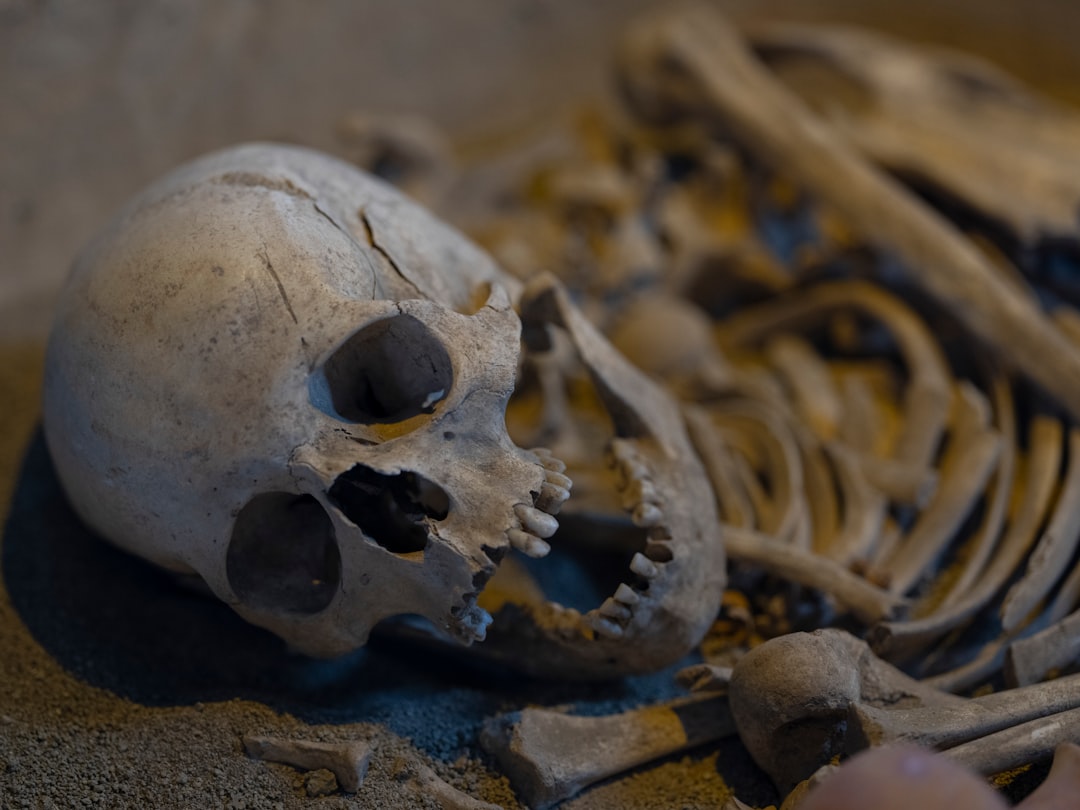
The flickering projector light cast long shadows across the hushed audience as the opening credits of “Unearthing Ancient Mysteries: A Real Archaeology Documentary” rolled. This wasn’t just another sensationalist dive into lost civilizations; it promised genuine scientific inquiry, a meticulous excavation of the past through the eyes of dedicated archaeologists. The documentary, lauded for its commitment to accuracy and its compelling narrative, invites viewers on a journey to the very fringes of human history, where fragments of forgotten lives are meticulously pieced together, revealing stories that have remained buried for millennia.
The initial segments of “Unearthing Ancient Mysteries” establish a crucial foundation: the inherent human drive to understand our origins. It emphasizes that archaeology is not merely about finding treasure, but about deciphering the complex tapestry of human existence, from the earliest hominids to the great empires. The documentary skillfully avoids the trap of presenting archaeology as a solitary pursuit of individual glory. Instead, it highlights the collaborative nature of the field, the tireless work of teams in often harsh and remote environments, united by a shared passion for discovery.
The Call of the Past: Why We Dig
The documentary delves into the fundamental question that drives every archaeologist: why dedicate one’s life to sifting through dirt and deciphering fragmented artifacts? It explores the intrinsic human curiosity about where we came from, the desire to connect with ancestors whose lives, though vastly different, laid the groundwork for our present. The film illustrates this through compelling interviews with seasoned archaeologists, their faces etched with the wisdom gained from years of fieldwork, their voices resonating with an undeniable love for their craft. They speak of the thrill of holding an object that hasn’t been touched by human hands in thousands of years, of feeling a tangible link to individuals who lived and loved, who built and dreamed in a world alien yet strangely familiar.
The Modern Toolkit: Science Meets the Past
“Unearthing Ancient Mysteries” dedicates significant time to showcasing the sophisticated scientific methodologies employed by contemporary archaeologists. Gone are the purely speculative interpretations of earlier eras. The documentary introduces the audience to cutting-edge technologies that are revolutionizing how we understand ancient sites and artifacts. This section is crucial in demystifying the archaeological process, moving beyond the romanticized image of a pith-helmeted explorer wielding a brush.
Ground-Penetrating Radar (GPR): Seeing Beneath the Surface
One of the most visually striking aspects of this segment is the demonstration of Ground-Penetrating Radar. The film shows teams using GPR devices on various sites, the animated screens displaying subsurface anomalies that hint at buried structures, walls, and even ancient pathways. The narration explains how GPR works by transmitting radio waves into the ground and measuring the reflections, allowing archaeologists to map features without disturbing the earth. This technology is presented not as a replacement for traditional excavation, but as a vital tool for preliminary surveying, helping to identify promising areas for targeted digs and minimizing unnecessary disruption to potentially fragile archaeological layers.
LiDAR and Satellite Imagery: Mapping the Invisible Landscape
The documentary also highlights the extensive use of LiDAR (Light Detection and Ranging) and advanced satellite imagery. It showcases how these technologies can penetrate dense jungle canopies or reveal subtle topographical changes that might indicate the presence of hidden settlements or agricultural systems. The film provides stunning examples of LiDAR scans revealing the intricate layouts of ancient cities that were once completely obscured by vegetation, demonstrating how they are reshaping our understanding of the scale and organization of past societies. This emphasizes the power of remote sensing in broadening the scope of archaeological investigation, allowing for the analysis of vast landscapes that would be impossible to survey on foot.
Radiocarbon Dating and Ancient DNA: Unlocking the Chronology and Kinship
The scientific backbone of understanding ancient timelines and relationships is thoroughly explored. The documentary explains the principles of radiocarbon dating, illustrating how the decay of carbon-14 in organic materials provides a scientific clock to determine the age of artifacts and sites. It also introduces the groundbreaking field of ancient DNA analysis, showcasing how genetic material extracted from skeletal remains can reveal migration patterns, kinship relationships, and even the health and diet of ancient populations. The filmmakers present this information in an accessible way, avoiding overly technical jargon, and focusing on the profound implications of these scientific techniques for rewriting our understanding of human history.
In the realm of real archaeology documentaries, the exploration of how historical artifacts and sites are impacted by modern governance is crucial. A related article that delves into the implications of government actions on private property, particularly during crises, can be found at this link: Government’s Seizure of Private Property in Crisis. This piece provides insight into the intersection of archaeology, property rights, and the preservation of cultural heritage amidst contemporary challenges.
Whispers from the Earth: Case Studies in Revelation
The heart of “Unearthing Ancient Mysteries” lies in its in-depth exploration of specific archaeological sites and the captivating stories they yield. The documentary carefully selects a diverse range of locations and time periods, demonstrating the universal principles of archaeological inquiry and the unique challenges and triumphs associated with each. The chosen case studies are not simply about describing findings; they are about narrating the detective work involved, the leaps of logic, the frustrating dead ends, and the exhilarating breakthroughs.
The Enigma of Göbekli Tepe: The World’s First Temple?
One of the most mind-bending revelations presented is the excavation of Göbekli Tepe in modern-day Turkey. The documentary meticulously outlines how this site, predating Stonehenge and the Egyptian pyramids by thousands of years, has challenged conventional wisdom about the development of complex societies. It details the discovery of massive carved stone pillars arranged in a sophisticated circular pattern, suggesting a level of social organization and symbolic thought far earlier than previously believed.
Pre-Agricultural Architects: Rethinking Human Ingenuity
The film emphasizes the astonishing fact that Göbekli Tepe was constructed by hunter-gatherers, a revelation that rewrites the timeline of sedentary life and monumental architecture. Archaeologists discuss the immense effort and coordination required to quarry, transport, and erect these colossal stones, prompting questions about the social structures, belief systems, and migratory patterns of these early peoples. The intricate carvings of animals and abstract symbols on the pillars are also analyzed, offering clues to their worldview and spiritual practices. The documentary underscores the paradigm shift Göbekli Tepe represents, forcing a re-evaluation of the very definition of civilization.
The Ongoing Debate: Unraveling Göbekli Tepe’s Purpose
Despite significant progress, “Unearthing Ancient Mysteries” acknowledges that Göbekli Tepe still holds many secrets. The documentary showcases the ongoing debates among researchers regarding its exact purpose. Was it a religious sanctuary, an astronomical observatory, a communal gathering place, or a combination of all these? The film presents different theories, supported by visual evidence and expert opinions, ensuring that the audience understands that archaeology is an evolving science, constantly seeking to refine its interpretations based on new discoveries and analyses.
The Sunken City of Thonis-Heracleion: A Lost Egyptian Metropolis
The documentary then transports viewers to the fertile deltas of the Nile to explore the submerged ruins of Thonis-Heracleion. This once-magnificent port city, a vital trading hub in ancient Egypt for over a millennium, was lost to the sea for centuries. The film dramatizes the arduous task of underwater archaeology, showcasing the challenges of working in a marine environment while carefully excavating and preserving delicate artifacts.
Navigating the Depths: The Art of Underwater Excavation
The visual storytelling here is particularly captivating. Viewers witness divers meticulously clearing silt, mapping submerged structures, and carefully lifting amphorae and statues from the seabed. The documentary explains the specialized techniques and equipment used in underwater archaeology, highlighting the precision required to avoid damaging the fragile remains. The process of using 3D scanning and photogrammetry to create virtual reconstructions of the submerged city is also demonstrated, allowing for a clear visualization of its former grandeur.
Unlocking Trade and Beliefs: Thonis-Heracleion’s Significance
The discoveries at Thonis-Heracleion are presented as a treasure trove of information about ancient Egyptian trade networks, religious practices, and daily life. The film explores the vast quantities of goods discovered, from imported pottery and precious metals to religious artifacts and inscriptions, shedding light on the city’s economic power and its role as a gateway for international exchange. Insights into the worship of ancient Egyptian deities discovered at the site are also discussed, revealing the syncretic nature of the city’s religious landscape as it interacted with various cultures.
In exploring the fascinating world of real archaeology documentaries, one can gain insights into how ancient civilizations adapted to their environments, including their strategies for surviving natural disasters. For those interested in enhancing their understanding of this topic, a related article offers valuable tips on preparation and safety during such events. You can read more about it in this informative piece on surviving natural disasters. This connection between archaeology and modern-day preparedness highlights the enduring lessons we can learn from history.
The Mysteries of the Indus Valley Civilization: An Elusive Script
The documentary shifts its focus to the enigmatic Indus Valley Civilization, one of the world’s earliest urban cultures, which flourished between 2600 and 1900 BCE. While its cities, like Mohenjo-daro and Harappa, reveal sophisticated urban planning and advanced sanitation, a persistent mystery remains: its undeciphered script.
Urban Marvels: The Sophistication of Harappan Cities
“Unearthing Ancient Mysteries” meticulously details the remarkable urban infrastructure of the Indus Valley. Viewers are shown the grid-like street layouts, the well-constructed brick houses with their sophisticated drainage systems, and the public baths, all testaments to a highly organized and advanced society. The documentary contrasts this with other contemporary civilizations, highlighting the Indus people’s unique focus on civic amenities.
The Unreadable Language: A Persistent Puzzle
The film dedicates a significant portion to the challenge of deciphering the Indus script. It showcases the small number of surviving inscriptions on seals and pottery, explaining the linguistic hurdles and the ongoing efforts by scholars to crack the code. The documentary explores various theories about the language family it belongs to and the potential meanings of the glyphs, emphasizing how this undeciphered script stands as one of the last great linguistic puzzles of the ancient world. The potential rewards of decipherment – understanding their literature, laws, and

The Forgotten World Beneath the North Sea
FAQs
What is real archaeology documentary?
Real archaeology documentary is a type of documentary film that focuses on the exploration and study of ancient civilizations, artifacts, and historical sites by archaeologists. These documentaries aim to provide an accurate and educational portrayal of archaeological research and discoveries.
What are the key features of real archaeology documentaries?
Real archaeology documentaries typically feature interviews with archaeologists, on-site exploration of historical sites, analysis of artifacts, and discussions about the historical and cultural significance of the findings. They often strive to present a balanced and evidence-based perspective on archaeological topics.
How are real archaeology documentaries different from fictional portrayals of archaeology?
Real archaeology documentaries are based on actual archaeological research and findings, while fictional portrayals of archaeology, such as movies or television shows, often take creative liberties and may include fictionalized elements for entertainment purposes. Real archaeology documentaries prioritize accuracy and authenticity in their portrayal of archaeological work.
What are some popular real archaeology documentaries?
Some popular real archaeology documentaries include “The Lost Tomb of Jesus,” “Secrets of the Dead,” “Time Team,” “Nova,” and “The Mummy Who Would Be King.” These documentaries cover a wide range of archaeological topics and have garnered interest from audiences around the world.
Where can one watch real archaeology documentaries?
Real archaeology documentaries can be found on streaming platforms such as Netflix, Amazon Prime Video, and Hulu, as well as on television networks that specialize in educational programming, such as PBS and National Geographic. Additionally, some documentaries may be available for purchase or rental on DVD or digital platforms.