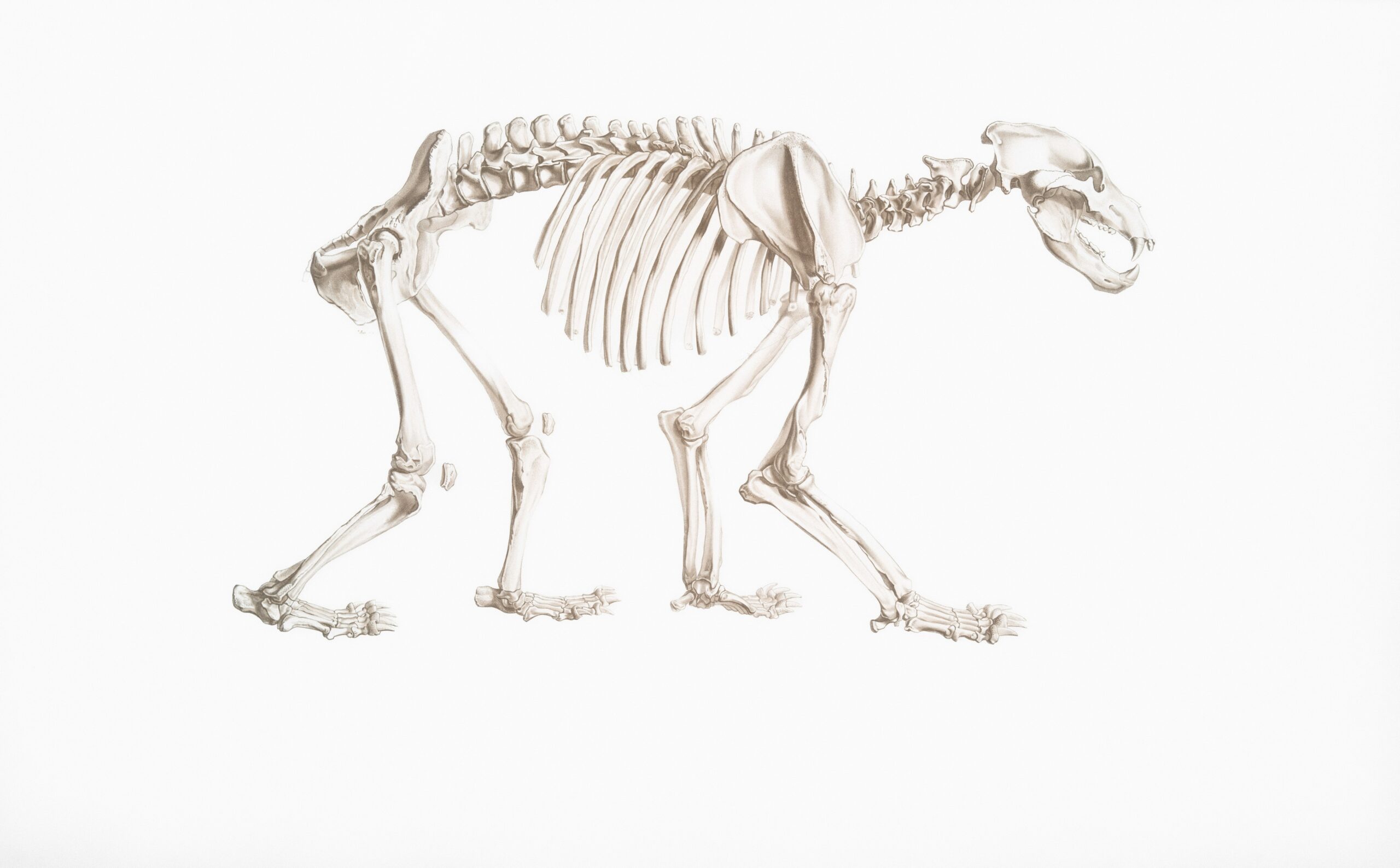
The silent sentinels of the past, articulated skeletons, offer a unique and profound window into ancient lives. More than mere collections of bone, they represent individuals, each with a story etched into their very structure. When unearthed and meticulously studied, these skeletal remains transcend their material form to become powerful archaeological evidence, capable of unlocking secrets about diet, health, social structures, and even the daily routines of long-vanished populations.
The journey of an articulated skeleton from the earth to a place of scientific study is a delicate and complex one. It begins with the careful, painstaking work of excavation, a process that demands both precision and patience. Archaeologists are not simply digging for treasure; they are uncovering a narrative written in bone and soil.
The Art of Gentle Unearthing
- Site Selection and Reconnaissance: The discovery of human remains is rarely accidental. It often follows extensive survey work, aerial photography, or the identification of potential burial sites through geophysical methods like ground-penetrating radar. The careful selection of a site is paramount to ensuring that the subsequent excavation can be conducted with the least possible disturbance.
- Stratigraphic Excavation: The principle of stratigraphy – the study of rock layers and sediments – is fundamental to understanding the context of an articulated skeleton. Archaeologists meticulously remove soil in layers, meticulously documenting the position of every artifact, feature, and, of course, the skeleton itself. This context is crucial; without it, the skeleton’s story is significantly diminished.
- Tools of the Trade: From broad trowels and brushes to fine dental picks and bamboo skewers, archaeologists employ a range of specialized tools. The choice of tool depends on the nature of the soil, the fragility of the remains, and the proximity of associated artifacts. The goal is always to isolate and expose the skeleton without damaging it.
- Mapping and Documentation: Every element of the burial is painstakingly mapped, photographed, and drawn. This includes the precise orientation of the skeleton, the position of individual bones, and the presence of any grave goods. This detailed record serves as a blueprint for later analysis and allows for the reconstruction of the burial event itself.
The Imperative of Preservation
Once exposed, articulated skeletons are highly vulnerable. The transition from the stable, often anaerobic conditions of the earth to the open air can trigger rapid deterioration. Therefore, preservation is an immediate and critical concern.
- Stabilization in Situ: Before any attempt is made to move the skeleton, it is often stabilized in place. This might involve applying consolidants to fragile areas or supporting delicate bones with a plaster jacket if the skeleton is to be moved as a block.
- Environmental Control: The humidity and temperature of the excavation site and any temporary storage are carefully monitored. Extreme fluctuations can cause bones to crack, warp, or degrade.
- Transportation to the Lab: Moving an articulated skeleton requires specialized techniques. If it has been encased in a plaster jacket, it will be lifted and transported with great care. If the remains are more robust, they might be lifted individually or in sections, always with meticulous documentation.
- Ethical Considerations: The excavation and handling of human remains are subject to strict ethical guidelines. These often involve consultation with descendant communities and adherence to legal requirements regarding the respectful treatment of the deceased.
Articulated skeletons have long been a focal point in archaeological studies, providing invaluable insights into past human behaviors, health, and social structures. A related article that discusses the broader implications of archaeological findings, including articulated skeletons, can be found at this link: US Economic Stabilization Measures for Recovery. This article explores how historical evidence, including skeletal remains, can inform contemporary economic and social policies, highlighting the interconnectedness of archaeology and modern societal challenges.
Beyond the Bone: Unlocking Paleodemographic Insights
Articulated skeletons are a treasure trove of information about the demographics of past populations. By examining the characteristics of the skeletal remains, researchers can piece together vital statistics about age at death, sex, and even population size and structure.
Age Estimation: A Life’s Trajectory in Bone
Determining the age of an individual at the time of death is one of the primary objectives of skeletal analysis. This is achieved through a combination of methods, some more accurate for younger individuals and others better suited for adults.
- Epiphyseal Fusion: In developing skeletons, bones grow in distinct segments called epiphyses, which are initially separate from the main shaft of the bone (the diaphysis). As an individual matures, these epiphyses fuse to the diaphysis. The degree of epiphyseal fusion in various bones, such as the long bones of the limbs and the skull, provides a reliable indicator of skeletal maturity, and therefore age, particularly in juveniles and young adults.
- Dental Development and Wear: The teeth are remarkably well-preserved and offer valuable clues about age. For subadults, the eruption patterns of deciduous (baby) and permanent teeth are well-documented and can be used to estimate age with considerable precision. In adults, the degree of tooth wear, the formation of secondary dentin, and the condition of the cementum can provide age estimates, though these become less precise with age.
- Pubic Symphysis Morphology: The surface of the pubic symphysis, the joint connecting the two pubic bones, undergoes predictable changes throughout adult life. Researchers have developed detailed scoring systems based on the texture, lipping, and overall morphology of this surface to estimate age in adults.
- Auricular Surface Changes: Similar to the pubic symphysis, the auricular surface of the ilium (part of the pelvis) also exhibits age-related changes in its texture and porosity, offering another avenue for adult age estimation.
- Sutural Closure: The sutures of the skull, where different cranial bones meet, gradually fuse with age. While this is a less precise method, the degree of sutural closure can provide a general indication of age, particularly in older adults.
Sex Determination: Distinguishing Biological Differences
While skeletal characteristics can offer insights into biological sex, it is important to acknowledge that this is not always a binary classification and can be influenced by genetics and hormonal factors. However, for most individuals, certain skeletal features are statistically more common in males or females.
- The Pelvis: The pelvis is generally the most reliable indicator of biological sex. In females, the pelvic inlet is wider and more circular, adapted for childbirth. The subpubic angle is also typically wider in females, while it is more V-shaped in males. The sciatic notch is also generally broader in females.
- The Skull: While less definitive than the pelvis, cranial features can also provide clues. Males tend to have more pronounced brow ridges, a more robust mastoid process, and a more squared chin. Females generally have a more rounded chin and a less pronounced nuchal crest (the ridge at the back of the skull where neck muscles attach).
- Long Bone Robusticity: On average, male long bones are generally more robust and have larger muscle attachment sites due to differences in muscle mass and physical activity. However, this is a relative indicator and can be influenced by individual lifestyle.
Population Structure and Health: A Collective Story
The analysis of multiple articulated skeletons from a single burial context or site can reveal much about the structure and health of a past population.
- Mortality Profiles: The age distribution of individuals within a cemetery can indicate patterns of mortality. High infant and child mortality rates, for instance, suggest challenging living conditions or prevalent diseases. A population with a large proportion of older adults indicates greater longevity.
- Sex Ratios: The ratio of males to females can provide insights into social dynamics, migration patterns, and even warfare. Deviations from a roughly 1:1 ratio can suggest specific societal structures or events.
- Disease Prevalence: The presence of pathological conditions on the bones can reveal the prevalence of diseases within a population. Evidence of infection, malnutrition, trauma, and degenerative diseases can paint a vivid picture of the health challenges faced by ancient peoples.
Diet and Lifestyle Revealed: The Trace Evidence in Bone

The composition of bones and the wear patterns on teeth are not just indicators of age and sex; they are also a powerful archive of an individual’s diet and lifestyle. By analyzing the chemical signatures within the bone and the physical evidence on teeth, archaeologists can reconstruct what people ate and how they lived.
Stable Isotope Analysis: A Chemical Fingerprint of Diet
Stable isotope analysis, particularly of carbon and nitrogen, has revolutionized our understanding of ancient diets. These isotopes are incorporated into an organism’s tissues from the food it consumes, leaving a chemical signature within the bones and teeth.
- Carbon Isotopes (δ¹³C): Differences in the photosynthetic pathways of plants lead to variations in carbon isotope ratios. For example, C3 plants (most temperate plants) and C4 plants (grasses, maize) have distinct δ¹³C values. Analyzing δ¹³C in bone collagen can indicate the proportion of terrestrial plant-based foods versus marine or different types of terrestrial foods in the diet. An increase in δ¹³C values can suggest the increased consumption of marine resources or certain types of terrestrial plants.
- Nitrogen Isotopes (δ¹⁵N): Nitrogen isotopes become progressively enriched as they move up the food chain. Therefore, higher δ¹⁵N values indicate a greater reliance on animal protein, as well as the consumption of marine animals. This allows researchers to distinguish between primarily vegetarian diets and those that included significant amounts of meat or fish.
- Strontium Isotopes (⁸⁷Sr/⁸⁶Sr): Strontium isotopes in bone reflect the geological source of the water and food consumed. Analyzing strontium ratios can help identify geographic origins and migration patterns, as individuals will reflect the strontium signature of the environment in which they grew up and lived.
Dental Paleopathology: A Window into Oral Health and Habits
The teeth are remarkably durable and preserve a wealth of information about oral health, diet, and even cultural practices.
- Dental Caries (Cavities): The prevalence and severity of dental caries can be a direct indicator of carbohydrate consumption. Societies with diets high in sugars and starches tend to exhibit higher rates of tooth decay. The location of caries – in interproximal areas (between teeth) versus occlusal surfaces (chewing surfaces) – can also provide insights into how food was processed and consumed.
- Tooth Wear: The degree of attrition (wear) on the chewing surfaces of teeth can reveal the type of food consumed. A diet rich in gritty or abrasive foods, such as unrefined grains or shellfish, will lead to significant tooth wear. Conversely, a diet of softer, processed foods will result in less wear.
- Periodontal Disease: Inflammation and infection of the gums, leading to bone loss around the teeth, is another common finding. Its prevalence can be linked to oral hygiene practices (or lack thereof) and dietary factors.
- Enamel Hypoplasia: This is a defect in tooth enamel that occurs during development. It is often caused by nutritional deficiencies (malnutrition), disease, or trauma during childhood. The presence and severity of enamel hypoplasia can indicate periods of stress or hardship experienced by the individual during their formative years.
- Antemortem Tooth Loss: The loss of teeth before death, evidenced by healed bone in the tooth socket, can indicate long-term oral health problems or intentional tooth extraction.
- Tooth Modification: In some cultures, teeth were deliberately modified through filing, inlaying with precious materials, or extraction for aesthetic or ritualistic purposes. These modifications are clear indicators of cultural practices.
Reconstructing Social Structures and Rituals: The Silent Language of Burial

The way an individual is buried, the artifacts that accompany them, and the location of their grave all speak volumes about their place within their society and the beliefs surrounding death and the afterlife. Articulated skeletons, in their burial context, are key to deciphering these complex social narratives.
Grave Goods: Status, Occupation, and Beliefs
The objects placed with a deceased individual in their grave – grave goods – are not random assortments. They often reflect the person’s social status, occupation, personal belongings, and beliefs about the transition to the afterlife.
- Material Wealth and Social Hierarchy: The presence of valuable materials such as gold, silver, precious stones, or finely crafted pottery can indicate wealth and high social standing. Conversely, the absence of such items or the presence of simpler, utilitarian objects might point to individuals of lower status.
- Occupational Markers: Tools, weapons, or symbols associated with specific trades or roles can identify an individual’s occupation. For example, a warrior might be buried with their sword and shield, a potter with their tools, or a religious figure with ritualistic objects.
- Personal Adornments: Jewelry, combs, mirrors, and cosmetic items can provide insights into personal grooming habits, fashion, and individuality.
- Symbolic Meanings and Belief Systems: Certain objects may hold deep symbolic meaning within a culture, related to spiritual beliefs, mythology, or the journey to the afterlife. The interpretation of these symbols often requires extensive ethnographic and historical knowledge.
- Gendered or Age-Specific Goods: The type of grave goods can also indicate gender roles or the age of the deceased. For instance, toys might be found with children, while weapons might be more commonly associated with adult males.
Burial Posture and Orientation: Ritual and Cosmology
The way a skeleton is positioned within its grave and its orientation can also be highly significant, reflecting ritualistic practices and cosmological beliefs.
- Body Position: Whether an individual is buried lying on their back (supine), on their side (fetal position), or prone can have cultural and symbolic meaning. The fetal position, for example, is often interpreted as a symbolic return to the womb or a preparation for rebirth.
- Orientation: The direction in which the body is facing, often towards the rising or setting sun, cardinal directions, or specific celestial bodies, can be indicative of beliefs about the cosmos, the afterlife, or ancestral connections.
- Multiple Burials and Interments: The arrangement of multiple skeletons within a single grave can reveal information about family structures, communal burial practices, or the re-use of burial spaces. The order in which individuals were placed can also be significant.
- Cannibalism or Ritualistic Dismemberment: In rare and disturbing cases, the condition of the bones might suggest that they were deliberately dismembered, cooked, or consumed. Such evidence, while sensitive, can provide crucial insights into extreme rituals or survival strategies.
The Evidence of Trauma and Violence: Narratives of Conflict
Articulated skeletons can bear silent witness to the violence and conflicts that have shaped human history. Examining the skeletal remains for signs of trauma can reveal the nature and prevalence of interpersonal violence and warfare.
- Perimortem Trauma: Trauma that occurs at or around the time of death is particularly informative. This can include sharp force trauma from knives or blades, blunt force trauma from clubs or projectiles, and projectile wounds from arrows or early firearms. The location and pattern of these injuries can indicate the type of weapon used and the manner in which the violence was inflicted.
- Antemortem Trauma: Trauma that occurred during an individual’s lifetime and healed before death can indicate survival of injuries, resilience, and potentially the effectiveness of medical care or the resilience of the individual. The presence of healed fractures, for example, can show that individuals survived significant injuries.
- Evidence of Mutilation: Postmortem modification of the skeleton, sometimes occurring after death for ritualistic or punitive reasons, can also be identified. This differs from perimortem trauma in that there is no evidence of healing.
- Mass Graves and Battle Sites: The discovery of mass graves or skeletons found in contexts associated with battlefields can provide direct evidence of conflict. The nature of the injuries and the context of the burial can help reconstruct the events of a specific battle or massacre.
Recent studies on articulated skeletons have provided fascinating insights into ancient human practices and social structures. For a deeper understanding of how these findings relate to broader themes in archaeology, you might find it interesting to explore the article on the vulnerability of lunar habitats to attack, which discusses the implications of human behavior in extreme environments. This connection highlights the enduring nature of human adaptation, whether on Earth or beyond. You can read more about it in this article.
The Future of Skeletal Analysis: Advanced Technologies and Interdisciplinary Approaches
| Site | Number of Articulated Skeletons | Period |
|---|---|---|
| Göbekli Tepe | Multiple | Pre-Pottery Neolithic |
| Pompeii | Several | Ancient Roman |
| Tikal | Dozens | Maya Civilization |
The study of articulated skeletons is a dynamic field, constantly evolving with the advent of new technologies and the increasing collaboration between different scientific disciplines. These advancements are enabling researchers to extract even more nuanced and detailed information from these ancient remains.
Sophisticated Imaging Techniques: Seeing Beyond the Surface
Modern imaging technologies offer non-destructive ways to examine skeletal remains, revealing details that might otherwise be missed.
- Computed Tomography (CT) Scanning: CT scans provide detailed cross-sectional images of bones, allowing researchers to visualize internal structures, identify subtle fractures, and study the internal architecture of bone without physically altering the specimen. This is particularly useful for fragile or historically significant skeletons.
- 3D Surface Scanning and Modeling: Creating high-resolution 3D models of skeletons allows for detailed virtual analysis, measurement, and comparison with other individuals or collections. These models can be shared digitally, facilitating collaboration and public outreach.
- Radiography (X-rays): While a more traditional method, advanced digital radiography can still provide valuable insights into bone density, the presence of osteophytes (bone spurs) indicative of osteoarthritis, and the identification of foreign objects embedded within the bone.
DNA Analysis: Unlocking Genetic Histories
The analysis of ancient DNA (aDNA) extracted from skeletal remains has opened up entirely new avenues of research, providing direct evidence of genetic relationships, population movements, and disease susceptibility.
- Mitochondrial DNA (mtDNA): This type of DNA is inherited maternally and is more abundant and often better preserved than nuclear DNA. It is invaluable for tracing maternal lineages and understanding population migrations and relationships.
- Nuclear DNA: Analyzing nuclear DNA provides a more comprehensive picture of an individual’s genetic makeup, including their ancestry, relatedness to other individuals, and even predispositions to certain diseases.
- Paleogenomics: The study of entire ancient genomes allows for sophisticated comparisons with modern populations, revealing details about human evolution, migration patterns, and the impact of past environmental changes on human genetics.
- Pathogen DNA: In some cases, DNA from ancient pathogens (viruses, bacteria) can be identified within skeletal remains, providing direct evidence of the diseases that afflicted past populations and their evolutionary history.
Interdisciplinary Collaboration: A Holistic Approach
The most impactful research on articulated skeletons often arises from the collaboration of archaeologists with specialists from a range of disciplines.
- Bioarchaeology: This field specifically focuses on the study of human skeletal remains from archaeological contexts to understand past human life.
- Paleopathology: Specialists in this area focus on the study of ancient diseases and injuries through skeletal evidence.
- Forensic Anthropology: While often associated with modern cases, the techniques and methodologies of forensic anthropology are directly applicable to archaeological skeletal analysis, particularly in terms of identification and trauma analysis.
- Genetics and Genomics: As mentioned, the integration of genetic analysis is transforming our understanding of human history.
- Geochemistry and Environmental Science: Understanding the geological and environmental context of a burial site is crucial for interpreting isotopic data and understanding the broader ecological influences on past populations.
- Art History and Iconography: For understanding grave goods and symbolic meanings, collaboration with art historians and those who study iconography can provide crucial interpretative frameworks.
In conclusion, articulated skeletons are far more than just ancient bones. They are intricate records of individual lives, societal structures, and the complex tapestry of human existence. Through meticulous excavation, careful preservation, and the application of increasingly sophisticated scientific techniques, archaeologists and bioarchaeologists continue to unearth the secrets held within these silent witnesses, offering us profound insights into our shared past. Each articulated skeleton is a story waiting to be told, a testament to the enduring power of human resilience, adaptation, and the eternal quest for understanding.
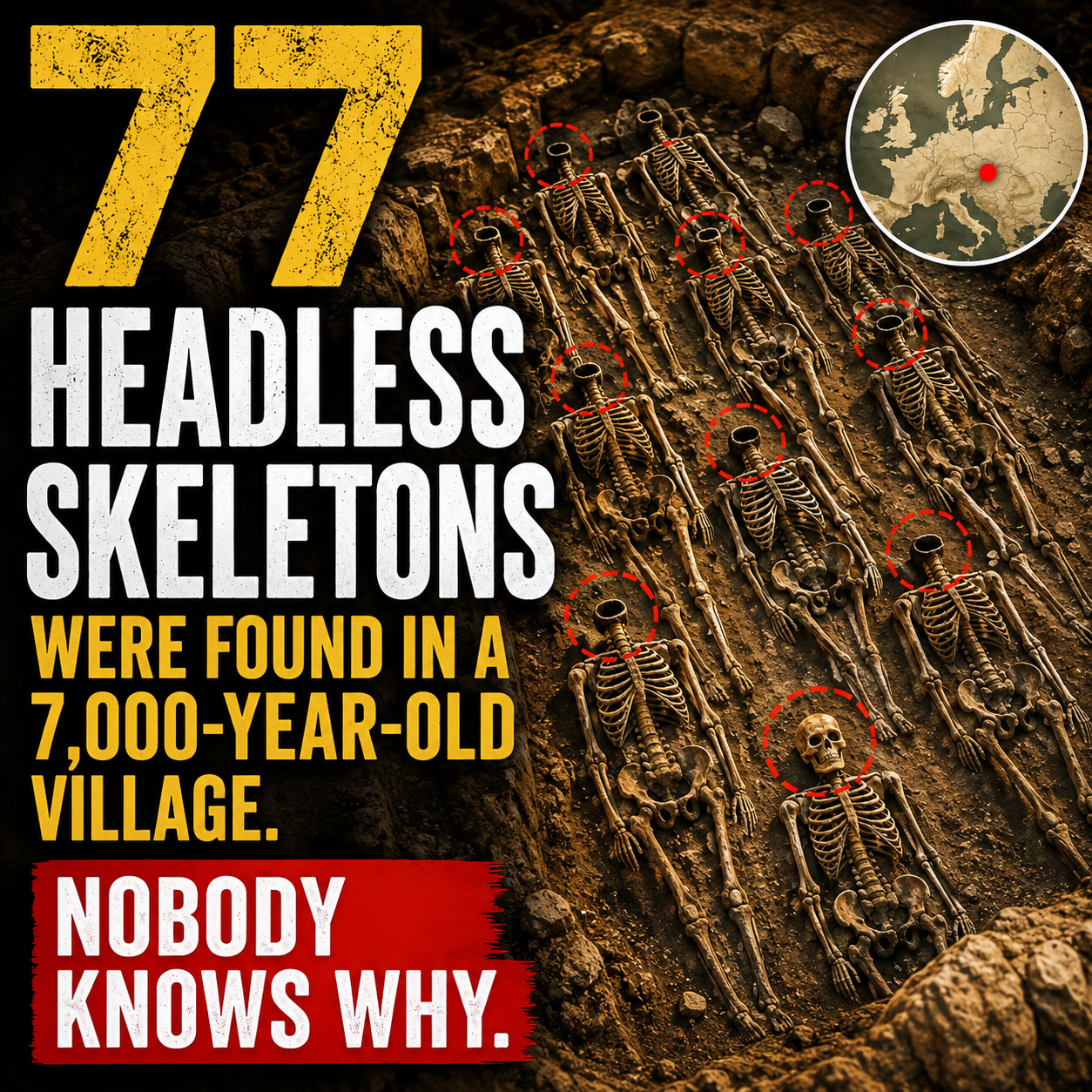
They Found 77 Skeletons Without Heads. The Heads Are Still Missing.
FAQs
What are articulated skeletons in archaeological evidence?
Articulated skeletons in archaeological evidence refer to human or animal remains that are found in their original anatomical position, with the bones still connected as they were in life. This can provide valuable information about the individual’s age, sex, health, and cause of death.
Why are articulated skeletons important in archaeology?
Articulated skeletons are important in archaeology because they can provide a wealth of information about past populations, including their diet, lifestyle, and cultural practices. They can also help researchers understand ancient burial practices and rituals.
How are articulated skeletons excavated and preserved?
Articulated skeletons are carefully excavated by trained archaeologists using delicate tools to avoid damaging the bones. Once excavated, the skeletons are cleaned, stabilized, and carefully documented to preserve their integrity and ensure that they can be studied and analyzed by researchers.
What can we learn from studying articulated skeletons?
Studying articulated skeletons can provide insights into ancient populations’ health, diet, and lifestyle. It can also help researchers understand patterns of disease, trauma, and cultural practices, as well as shed light on ancient burial customs and rituals.
What are some famous examples of articulated skeletons in archaeological evidence?
Famous examples of articulated skeletons in archaeological evidence include the Neanderthal skeletons found in the Shanidar Cave in Iraq, the “Bog Bodies” of Northern Europe, and the preserved remains of the Pompeii victims in Italy. These examples have provided valuable insights into ancient populations and their way of life.