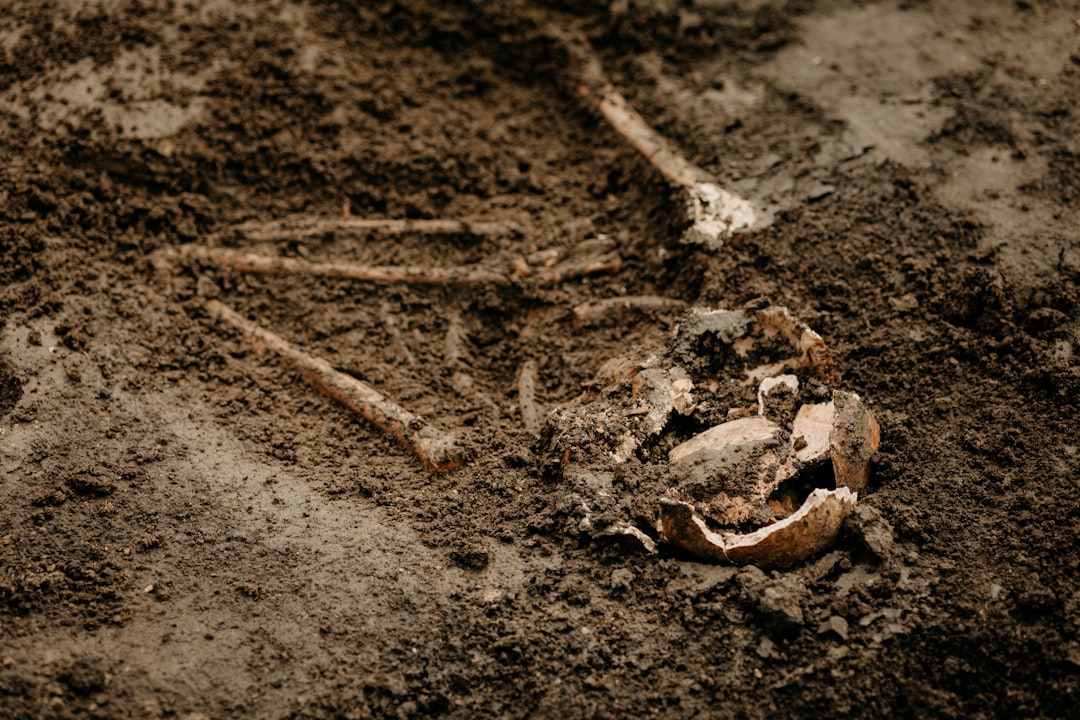
The Sudanese desert, a vast and seemingly immutable expanse, has long held secrets beneath its sun-baked surface. For centuries, whispers of forgotten cities and opulent tombs have tantalized explorers, but it is in the eastern reaches of this ancient land, along the fertile banks of the Nile and its tributaries, that some of the most significant archaeological discoveries have been made. This is a land that once pulsed with the lifeblood of powerful kingdoms, where pharaohs and rulers commanded vast resources and left behind a legacy of monumental architecture and exquisite artistry. Unearthing these ancient treasures is not merely an academic pursuit; it is a journey into the very foundations of human civilization, a testament to the enduring power of culture and the intricate tapestry of history.
Eastern Sudan, in antiquity, was largely dominated by the Kingdom of Kush, a formidable power that rivaled and at times even surpassed its Egyptian neighbors. Its roots stretched back millennia, and its influence waxed and waned across the centuries, leaving behind a rich archaeological record that continues to fascinate scholars and captivate the public imagination. The Kushites, a people of Nubian origin, were not simply recipients of Egyptian culture; they were innovators and patrons of the arts in their own right, forging a distinct identity that blended indigenous traditions with influences from the wider Mediterranean world.
Meroë: The Jewel in the Crown
Perhaps the most iconic and significant Kushite site in eastern Sudan is Meroë. This sprawling city, situated on the east bank of the Nile, served as the capital of the Kushite Kingdom for centuries, from approximately the 4th century BCE to the 4th century CE. Its importance is undeniable, and the sheer scale of its remains speaks volumes about its former glory.
The Royal Necropolis and its Pyramids
The most striking features of Meroë are its vast cemeteries, dominated by the distinctive Kushite pyramids. Unlike their Egyptian counterparts, these pyramids are steeper, more slender, and crowned with distinctive chapels. They served as the final resting places for the Kushite royal family and elite, a testament to their wealth and devotion to the afterlife. Walking among these imposing structures, weathered by millennia of wind and sand, one can almost feel the presence of the kings and queens who were laid to rest here. The sheer number of these pyramids, numbering in the hundreds, indicates a long and prosperous dynasty.
- Exploration and Excavation: German archaeologists, particularly those led by Georg Schweinfurth and later by Friedrich Wilhelm von Bissing, were among the first to systematically explore Meroë in the late 19th and early 20th centuries. Their efforts laid the groundwork for future research, uncovering many of the most significant artifacts and structures.
- Architectural Uniqueness: The stepped design and steeper angle of Kushite pyramids, particularly those found at Meroë, distinguish them from their Egyptian predecessors. This architectural evolution reflects a distinct Kushite identity and artistic sensibility.
- Royal Burial Practices: The inscribed stelae found within the pyramid chapels provide invaluable information about the Kushite rulers, their lineages, and their religious beliefs. These inscriptions, often in the Meroitic script, have been a key focus of decipherment efforts.
Temples and Palaces: Centers of Power and Worship
Beyond the necropolis, Meroë boasts impressive temples dedicated to the Kushite pantheon and ruins of royal palaces that hint at the administrative and political heart of the kingdom. The Temple of Amun, for instance, showcases the Kushites’ adaptation and integration of Egyptian deities, while also demonstrating their own artistic interpretations. The ruins of the royal city, though less preserved, reveal the sophisticated urban planning and architectural prowess of the Meroitic civilization.
- The Great Temple: Dedicated to the god Amun, this temple complex is a significant example of Kushite religious architecture, featuring imposing pylons and courtyards.
- The Lion Temple: A smaller but equally significant temple, this structure is adorned with depictions of lions, a symbol of royal power and divine protection.
- The Royal Baths: Excavations have revealed evidence of sophisticated bathhouses, indicating a high level of comfort and amenity for the ruling elite.
The Legacy of the Meroitic Script
A significant enigma surrounding the Kushite civilization is the Meroitic script, the only indigenous script of ancient Nubia. While its alphabet is largely understood, the language itself remains partially undeciphered, presenting a tantalizing challenge for linguists and historians. The decipherment of this script would unlock a wealth of information about Kushite society, religion, and daily life.
- Decipherment Efforts: Pioneering work by scholars like Francis William Newman, Anton Ulrich, and later Josef Török has made significant strides in understanding the Meroitic script, particularly its phonetic values.
- The Bilingual Inscription: The discovery of bilingual inscriptions, similar to the Rosetta Stone, has been crucial in advancing decipherment efforts, though a definitive complete translation remains elusive.
- Contents of Meroitic Texts: The inscriptions found on stelae, temple walls, and other artifacts offer glimpses into royal decrees, religious rituals, and funerary practices.
Recent archaeological discoveries in eastern Sudan have shed light on the region’s rich history and cultural heritage. These findings, which include ancient artifacts and remnants of past civilizations, highlight the significance of eastern Sudan as a crossroads of trade and cultural exchange in antiquity. For a deeper understanding of how historical maps, like the Piri Reis map, contribute to our knowledge of ancient geography and exploration, you can read more in this related article: Unraveling the Piri Reis Map Controversy.
The Rich Tapestry of Nubian Civilizations
While Meroë stands as a pinnacle, the history of eastern Sudan is punctuated by other significant Nubian kingdoms that flourished before and after its zenith. These civilizations, though perhaps less renowned globally, contributed significantly to the cultural and historical landscape of the region.
The Kingdom of Kerma: A Precursor to Meroë
Located south of the third cataract, the Kingdom of Kerma was one of the earliest and most powerful indigenous African civilizations, predating Meroë by over a millennium. Its capital, also named Kerma, was a formidable city with a large population and impressive defensive fortifications.
The Deffufa: Monumental Architecture of Kerma
The most iconic structures at Kerma are the two massive mud-brick edifices known as the Deffufa. The Western Deffufa, a temple-like structure, and the Eastern Deffufa, believed to be a palace or administrative building, stand as testament to the architectural ambition and engineering skills of the Kerma people.
- The Western Deffufa: This impressive structure, reaching several stories in height, is characterized by its thick walls and complex internal layout. Its exact purpose remains debated, but it is widely believed to have served a religious function.
- The Eastern Deffufa: Another substantial edifice, this structure exhibits evidence of multiple rooms and courtyards, suggesting it was a center of administration and possibly royal residence.
- Grave Goods and Social Hierarchy: Excavations at Kerma have revealed elaborate burial sites filled with rich grave goods, including pottery, bronze tools, and even human sacrifices, providing insights into the social hierarchy and beliefs of the Kerma people.
The Distinctive Kerma Culture
The Kerma culture is distinguished by its unique pottery, characterized by its fine red burnished surface and black-topped decoration. This distinctive style is found throughout Nubia and beyond, indicating the widespread influence of the Kerma kingdom.
- Red-Polished Pottery: This hallmark of Kerma culture is renowned for its smooth, lustrous finish and distinctive color, often achieved through a unique firing process.
- Interactions with Egypt: While Kerma was an independent power, there were also periods of interaction, both peaceful and conflict-ridden, with ancient Egypt, leading to cultural exchange and influence.
The Napatan Period: A Resurgence of Kushite Power
Before Meroë rose to prominence, the Kushite Kingdom experienced a significant period of resurgence centered around the city of Napata, located near Jebel Barkal. This period, known as the Napatan period (roughly 8th to 4th centuries BCE), saw Kushite rulers expand their influence northwards, even conquering Egypt and establishing the 25th Dynasty.
Jebel Barkal: A Sacred Mountain and Royal Residence
Jebel Barkal, a prominent sandstone mountain rising dramatically from the Nile, was a deeply sacred site for the Kushites, believed to be the dwelling place of the god Amun. It also served as a royal residence and religious center for the Napatan rulers.
- Temple of Amun at Jebel Barkal: This ancient temple complex, dedicated to Amun, is one of the most significant Napatan archaeological sites, featuring impressive reliefs and inscriptions.
- Royal Pyramids at Nuri and El-Kurru: The royal necropolises at Nuri and El-Kurru, north of Napata, contain pyramids for Napatan rulers, showcasing an early phase of Kushite pyramid construction.
The 25th Dynasty: Kushite Pharaohs of Egypt
The Napatan rulers’ conquest of Egypt and their subsequent reign as pharaohs of the 25th Dynasty represents a remarkable chapter in ancient history. This period saw a fusion of Egyptian and Nubian traditions as Kushite kings ruled over both lands.
- Piye and Shabaka: These Napatan rulers were instrumental in the conquest of Egypt, establishing the 25th Dynasty and ushering in a period of Kushite dominance.
- Artistic and Religious Synthesis: The art and architecture of the 25th Dynasty reflect a blend of Egyptian styles and Nubian influences, creating a unique cultural synthesis.
Unearthing the Past: Modern Archaeological Endeavors
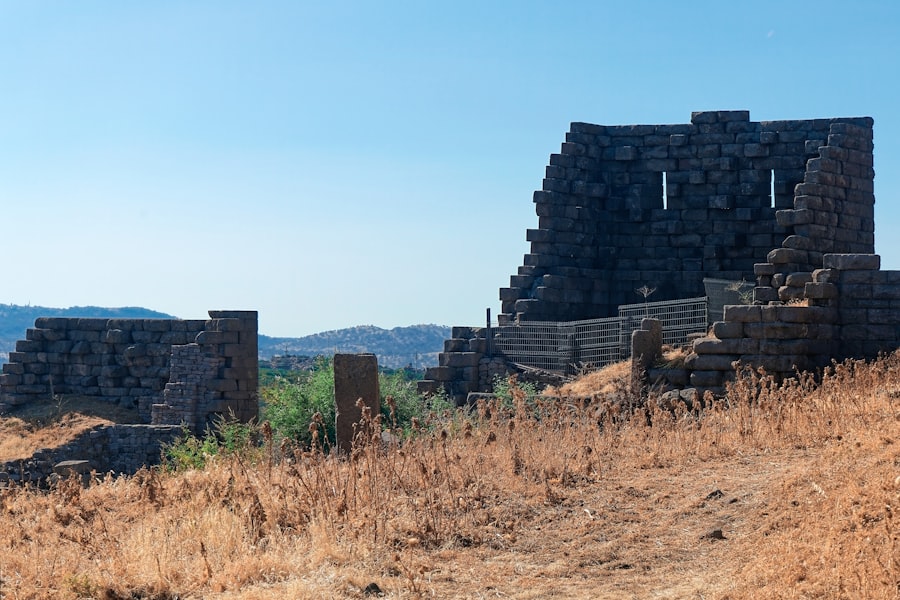
The ongoing process of unearthing these ancient treasures is a testament to the dedication and meticulous work of archaeologists from around the world, often in collaboration with Sudanese authorities. These efforts are crucial not only for expanding our knowledge of past civilizations but also for preserving this invaluable heritage for future generations.
Recent archaeological discoveries in eastern Sudan have shed light on the region’s rich history and cultural heritage. These findings, which include ancient artifacts and structures, provide valuable insights into the lives of past civilizations. For more in-depth information on these exciting developments, you can read a related article that explores the significance of these discoveries in greater detail. Check it out here.
Challenges and Rewards of Fieldwork in Eastern Sudan
Archaeological fieldwork in eastern Sudan presents a unique set of challenges. The harsh desert environment, with its extreme temperatures and occasional sandstorms, demands resilience and careful planning. logistical hurdles, such as access to remote sites and the provision of resources, also need to be overcome. However, the rewards are immense, offering the chance to make groundbreaking discoveries that shed new light on human history.
- Harsh Environmental Conditions: The extreme heat and arid conditions of the Sudanese desert require specialized equipment and careful planning for excavation and preservation efforts.
- Logistical Complexities: Reaching remote archaeological sites and transporting equipment and supplies can be a significant undertaking, often requiring specialized vehicles and experienced local guides.
- International Collaboration: Many archaeological projects in eastern Sudan involve collaborations between Sudanese institutions and international universities and research organizations, fostering a spirit of shared discovery.
Technological Advancements in Archaeological Exploration
Modern archaeology is increasingly benefiting from technological advancements that enhance the precision and scope of explorations. From satellite imagery to ground-penetrating radar, these tools are revolutionizing how sites are identified, mapped, and studied.
- Remote Sensing Techniques: Satellite imagery and aerial photography can help identify potential archaeological sites by detecting subtle changes in landscape features that might indicate buried structures.
- Geophysical Survey Methods: Techniques like ground-penetrating radar (GPR) and magnetometry can non-invasively survey the subsurface, revealing buried features and anomalies without the need for extensive excavation.
- 3D Modeling and Digital Reconstruction: Advanced imaging and software allow for the creation of detailed 3D models of artifacts and sites, aiding in analysis, preservation, and virtual reconstruction.
Preservation and Conservation Efforts
The discovered treasures are not merely unearthed and cataloged; they require careful preservation and conservation to protect them from the ravages of time and the environment. This often involves specialized techniques to stabilize artifacts and protect fragile structures.
- Stabilization of Artifacts: Organic materials, such as textiles and papyri, require careful conservation to prevent deterioration. Inorganic materials, like pottery and stone, also need treatment to prevent further damage.
- Protection of Standing Structures: Ancient ruins, especially those made of mud brick, are vulnerable to weathering and erosion. Conservation efforts often involve protective measures to shield them from the elements.
- Ethical Considerations and Cultural Heritage: The responsible management and display of discovered artifacts are paramount, ensuring that cultural heritage is respected and accessible to the public while also being protected for future generations.
The Enduring Significance of Eastern Sudan’s Heritage
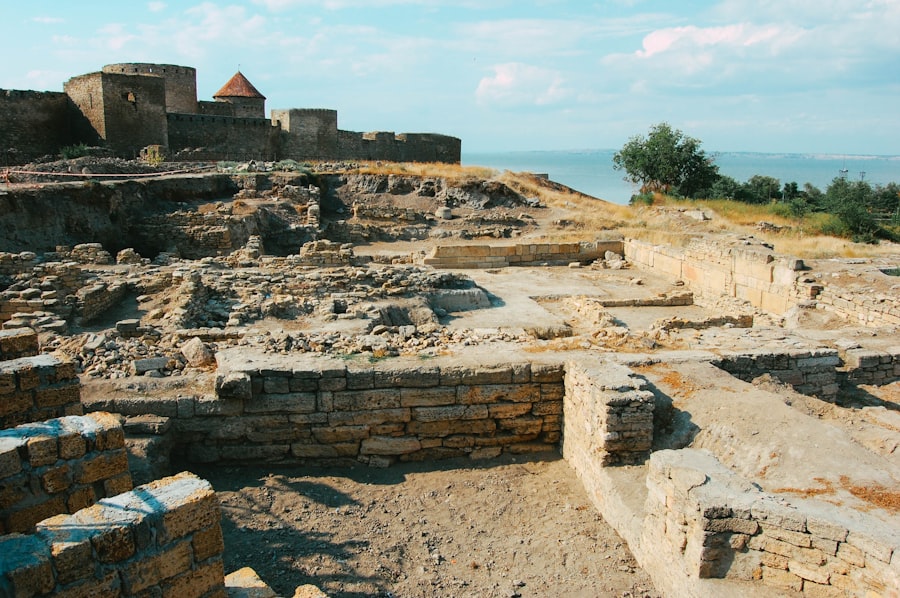
The treasures unearthed in eastern Sudan are more than just relics of the past; they are vital pieces of the puzzle that help us understand the development of human civilization, the intricate relationships between ancient cultures, and the remarkable achievements of African societies. The Kushite kingdoms, in particular, represent a significant chapter in African history, demonstrating advanced statecraft, sophisticated artistry, and a rich spiritual life.
Beyond Egypt: Acknowledging African Civilizations
For too long, the narrative of ancient history has been dominated by the achievements of civilizations in the Mediterranean and Near East. The discoveries in eastern Sudan are crucial in challenging this Eurocentric view and highlighting the significant contributions of African civilizations to the broader human story. The Kushite kingdoms, in their interactions and independent development, stand as a powerful counter-narrative.
The Role of Kush in the African Chronology
The Kingdom of Kush played a pivotal role in the chronological development of African civilizations, influencing and interacting with its neighbors, including the powerful Egyptian state, for millennia. Its independent trajectory and significant achievements deserve greater recognition.
Challenging Historical Narratives
The ongoing archaeological work in eastern Sudan actively challenges existing historical narratives, demanding a more inclusive and nuanced understanding of global antiquity. The Kushite presence in Egypt, for example, offers a fascinating counterpoint to traditional Egyptian narratives of dominance.
Cultural Exchange and Interconnectedness
The archaeological evidence from eastern Sudan reveals a complex web of cultural exchange and interconnectedness between different regions and civilizations. The Kushites, in particular, were adept at absorbing and adapting influences from their neighbors, creating a unique cultural synthesis.
- Nubian-Egyptian Relations: The long and often complex relationship between Nubia and Egypt, characterized by periods of trade, conflict, and political integration, is a central theme in understanding the history of both regions.
- Trade Routes and Networks: Evidence of trade goods from distant lands found at Kushite sites indicates participation in extensive ancient trade networks, connecting Nubia to the Mediterranean, the Red Sea, and further afield.
Modern Sudan and its Ancient Legacy
The rich archaeological heritage of eastern Sudan is an integral part of modern Sudan’s identity and cultural landscape. The efforts to preserve and promote this heritage are vital for fostering national pride and engaging the global community in the story of this remarkable land.
- National Heritage and Identity: The ancient kingdoms of Kush and the treasures they left behind are a source of immense pride for modern Sudan, forming a crucial part of its national identity and cultural heritage.
- Tourism and Economic Development: The potential for heritage tourism in eastern Sudan is significant, offering economic opportunities while also raising awareness of the region’s historical importance.
- The Future of Archaeological Exploration: The vastness of eastern Sudan and the ongoing potential for new discoveries suggest that the story of its ancient treasures is far from over, promising further revelations for generations to come.
The sun continues to beat down on the sands of eastern Sudan, but beneath the surface, a story of immense human endeavor, artistic brilliance, and profound cultural achievements awaits further revelation. Each unearthed artifact, each deciphered inscription, adds another thread to the intricate tapestry of human history, reminding us of the enduring power of civilizations and the treasures they leave behind.

260 Ancient Graves Were Hiding in This “Empty” Desert
FAQs
What are some of the significant archaeological discoveries in eastern Sudan?
Some significant archaeological discoveries in eastern Sudan include the ancient city of Meroe, which was the capital of the Kingdom of Kush, and the Temple of Apedemak, a lion-headed deity worshipped by the Meroitic people.
What do these discoveries tell us about the history of eastern Sudan?
These discoveries provide insight into the rich and diverse history of eastern Sudan, including the influence of ancient Egyptian and Nubian cultures, the development of the Kingdom of Kush, and the unique religious beliefs and practices of the Meroitic people.
How do these discoveries contribute to our understanding of ancient civilizations?
These discoveries contribute to our understanding of ancient civilizations by revealing the architectural, artistic, and religious achievements of the people who lived in eastern Sudan thousands of years ago. They also shed light on the interactions and exchanges between different cultures in the region.
What methods are used to uncover and study these archaeological sites?
Archaeologists use a variety of methods to uncover and study archaeological sites in eastern Sudan, including excavation, surveying, remote sensing technologies, and analysis of artifacts and inscriptions. These methods help researchers piece together the history of the region.
How are these archaeological sites being preserved and protected?
Efforts to preserve and protect archaeological sites in eastern Sudan include the establishment of heritage laws and regulations, the training of local communities in site management, and collaboration between international organizations and Sudanese authorities to ensure the long-term conservation of these important cultural landmarks.