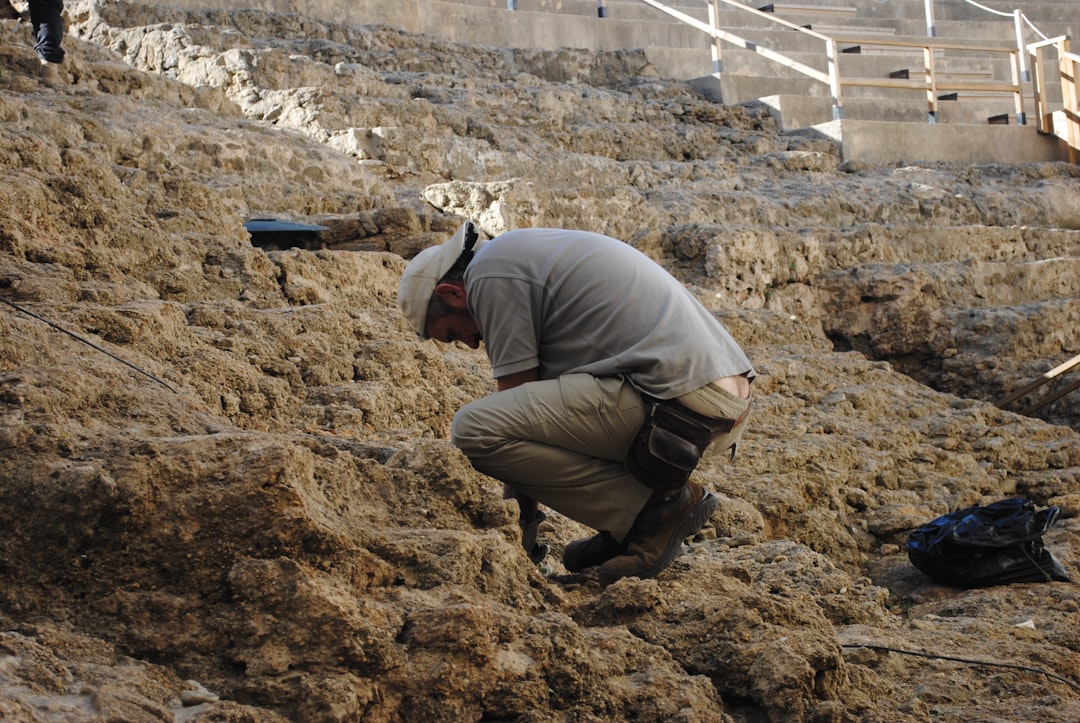
The earth, a silent keeper of time, has recently yielded an astonishing bounty of ancient treasures, prompting a surge of excitement and renewed wonder within the archaeological community and beyond. From forgotten cities to unparalleled artifacts, these discoveries are not merely items of historical curiosity; they are windows into past civilizations, offering profound insights into their lives, beliefs, and achievements. The meticulous work of archaeologists, employing cutting-edge technology and age-old intuition, continues to redefine our understanding of human history, painting a more complex and vibrant picture of our ancestors.
Deep within the dense, verdant embrace of the Amazon rainforest, archaeologists have made a groundbreaking discovery that challenges long-held assumptions about the region’s pre-Columbian inhabitants. For decades, scholars believed that the Amazon was largely a pristine wilderness, sparsely populated by small, nomadic tribes. However, recent lidar surveys, a remote sensing technology that uses laser pulses to map the ground beneath dense vegetation, have revealed an intricate network of settlements, monumental earthworks, and agricultural systems that point to a much larger and more sophisticated society than previously imagined.
Mapping the Urban Landscape of the Past
The lidar data has painted a breathtakingly detailed picture of an extensive urban landscape hidden for centuries. It has unveiled vast, interconnected settlements characterized by complex road systems, raised causeways, and strategically placed plazas and ceremonial centers. These findings suggest a highly organized society with a significant population density, capable of undertaking massive earthmoving projects and long-term urban planning. The sheer scale of these settlements is staggering, hinting at a level of social and political organization previously thought impossible in this environment. Researchers are now meticulously analyzing these digital maps, identifying patterns and connections that were invisible to the naked eye, a testament to the power of modern technology in archaeological exploration.
The Significance of the Earthworks
The monumental earthworks unearthed are particularly awe-inspiring. Large mounds, defensive berms, and vast agricultural terraces dot the landscape. These structures are not merely decorative; they speak to sophisticated engineering skills and a deep understanding of the local environment. The terraces, for instance, demonstrate advanced agricultural techniques, allowing for the cultivation of crops in challenging terrain and the management of water resources. The defensive berms suggest periods of conflict or a need for territorial control, providing clues about the social dynamics and potential political landscapes of these ancient communities.
Unearthing Elaborate Artifacts of Daily Life and Ritual
Beyond the monumental structures, excavations have begun to unearth a wealth of artifacts that offer intimate glimpses into the daily lives and spiritual practices of these Amazonian peoples. Pottery fragments, meticulously decorated with intricate geometric patterns and zoomorphic designs, are abundant. These ceramics provide insights into their artistic sensibilities, their understanding of materials, and potentially their trade networks. Tools fashioned from stone and bone, including finely honed axes, projectile points, and specialized implements, speak to their skill in craftsmanship and their reliance on the natural resources of the forest for survival and development.
Evidence of Sophisticated Metallurgy
Perhaps one of the most exciting discoveries has been evidence of sophisticated metallurgy. While previously thought to be scarce in the Amazon, archaeologists have found small, intricately crafted gold objects. These artifacts, likely used for ceremonial purposes or as symbols of status, indicate a level of metallurgical knowledge and access to precious metals that was not widely anticipated for this region. The analysis of these metal objects is ongoing, with researchers hoping to determine the sources of the gold and the techniques employed in their creation, further illuminating the economic and social structures of these advanced societies.
Reconstructing Food Systems and Environmental Interaction
The archaeological evidence is also providing crucial insights into the food systems and environmental interactions of these ancient Amazonian populations. Analysis of soil samples and preserved organic materials, such as seeds and pollens, is revealing the types of crops cultivated and the sophisticated agricultural practices employed. This challenges the notion of the rainforest as an untouched wilderness, demonstrating instead a landscape actively shaped and managed by human hands over millennia. The existence of large-scale agriculture also implies a stable food supply, capable of supporting significant populations and enabling the development of complex societies.
The Impact of Human Activity on the Rainforest Ecosystem
Understanding how these ancient populations interacted with and managed the rainforest ecosystem is a key focus of ongoing research. The scale of their settlements and agricultural systems suggests a significant impact on the environment, prompting questions about sustainability and long-term ecological consequences. By studying the types of crops grown, the methods of land management, and the presence of potential resource depletion or adaptation, archaeologists are piecing together a complex narrative of human-environment relationships that has lessons for contemporary ecological challenges.
Recent advancements in ancient archaeology have unveiled remarkable discoveries that shed light on our past. For a deeper insight into these findings, you can explore the article titled “Unearthing the Secrets of Ancient Civilizations” on Real Lore and Order. This piece delves into the latest excavations and their implications for our understanding of historical societies. To read more, visit here.
The Enigma of the Egyptian Tomb: A Royal Cache Revealed
In a discovery that feels ripped from the pages of a thriller, a previously overlooked tomb in Egypt’s Valley of the Kings has yielded an astonishingly intact royal cache. For years, researchers had suspected that a small, seemingly insignificant tomb might hold secrets, but it was only through meticulous excavation and the application of advanced imaging techniques that its true significance was revealed. The tomb, believed to belong to a lesser-known pharaoh or a high-ranking royal consort, has provided an unprecedented glimpse into the wealth and power of Egypt’s ancient rulers, offering a treasure trove of information for Egyptologists.
A Chamber Frozen in Time
The highlight of this discovery is the remarkably preserved state of the tomb’s burial chamber. Unlike many tombs that have been plundered over the millennia, this chamber appears to have remained sealed, untouched by grave robbers. As the archaeologists carefully removed the debris, they were met with an astonishing sight: a sarcophagus adorned with hieroglyphs, surrounded by an array of precious grave goods. The air within the chamber, undisturbed for thousands of years, seemed to hold the whispers of the past, a tangible connection to the world of ancient Egypt.
The Sarcophagus and its Inscriptions
The sarcophagus itself is a masterpiece of ancient Egyptian craftsmanship. Carved from solid granite and intricately decorated with painted scenes and hieroglyphic inscriptions, it offers invaluable information about the individual interred within. The hieroglyphs are currently being meticulously translated, with preliminary readings suggesting the identity of the tomb’s occupant and providing details about their reign, titles, and religious beliefs. This textual evidence is crucial for historians seeking to fill gaps in the existing historical record.
The Unveiling of Royal Opulence: A Glimpse into the Pharaoh’s Wealth
The sheer quantity and quality of the grave goods found within the tomb are astounding, showcasing the immense wealth and opulence of ancient Egyptian royalty. Golden jewelry, crafted with exquisite detail, includes necklaces, bracelets, and rings inlaid with precious stones. Elaborate funerary masks, intended to protect and guide the deceased in the afterlife, have also been recovered, their painted features still remarkably vivid. The presence of these magnificent objects underscores the belief systems surrounding death and the afterlife in ancient Egypt, where elaborate preparations were made to ensure a prosperous journey for the pharaoh.
Exquisite Statuary and Religious Iconography
Among the most significant finds are a collection of finely sculpted statuettes and religious iconography. These pieces, made from materials such as gold, lapis lazuli, and ivory, depict various deities, protective spirits, and scenes from mythology. The craftsmanship of these statuettes is exceptional, reflecting the skill of ancient Egyptian artisans. Their presence offers invaluable insights into the religious practices, the pantheon of gods worshipped, and the complex spiritual beliefs that permeated ancient Egyptian society. Each piece is a testament to the deep reverence and devotion held for the divine.
The Significance of Unlooted Tombs for Historical Understanding
The discovery of an unlooted royal tomb is a rare and incredibly significant event in archaeology. It provides scholars with a unique, unadulterated snapshot of a specific moment in time, preserving artifacts in their original context. This allows for a more accurate understanding of the funerary practices, the objects deemed valuable by the elite, and the overall material culture of the period. Unlike tombs that have been disturbed, the context of an unlooted burial provides a clearer picture of how objects were arranged and their intended purpose, minimizing the ambiguities that often arise from plundered sites.
Advanced Imaging and Preservation Techniques at Play
The successful excavation and preservation of this fragile tomb and its contents were made possible by the application of cutting-edge techniques. Non-invasive imaging technologies, such as ground-penetrating radar and endoscopic cameras, were used to assess the tomb’s condition and detect the presence of artifacts before any physical disturbance. Furthermore, advanced conservation methods were employed to stabilize and protect the delicate artifacts upon discovery, ensuring their survival for future study and public display. This blend of traditional archaeological methods with modern scientific advancements is revolutionizing how ancient sites are explored and preserved.
The Roman Villa Beneath the Fields: A Glimpse into Provincial Life
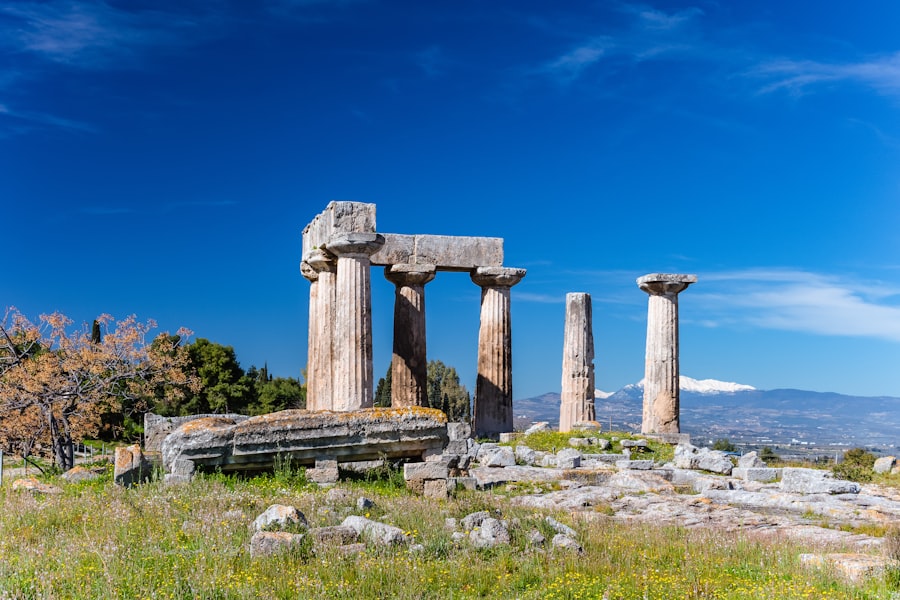
In a quiet corner of rural England, a routine archaeological survey ahead of a construction project has unearthed the remarkably preserved remains of a sprawling Roman villa. This discovery is providing an extraordinary window into the lives of the wealthy Romans who settled in Britain during the height of the Empire, offering a more nuanced understanding of provincial life beyond the bustling major cities. The villa’s intricate mosaic floors, well-preserved hypocaust heating system, and an array of domestic artifacts paint a vivid picture of Roman influence and sophistication in the distant reaches of the empire.
The Grandeur of a Roman Estate
The sheer scale of the villa is impressive. Excavations have revealed extensive foundations, including multiple living quarters, courtyards, and an array of outbuildings. The presence of a sophisticated hypocaust system, a form of underfloor heating common in Roman homes and public baths, indicates a high level of comfort and luxury enjoyed by the inhabitants. This suggests that even in the more remote provinces, Roman elites were accustomed to a level of amenity comparable to that found in Rome itself.
The Intricacy of the Mosaics
The most striking feature of the villa is undoubtedly its magnificently preserved mosaic floors. These intricate artworks, depicting a variety of mythological scenes, geometric patterns, and scenes of daily life, are a testament to the skill of Roman artisans and the wealth of the villa’s owners. The vibrant colors and detailed tesserae have survived remarkably well, offering a visual feast that transports viewers back to the Roman era. Each mosaic tells a story, providing insights into the artistic tastes, cultural influences, and the narratives that were important to the villa’s inhabitants.
Uncovering the Daily Rhythms of Roman Domesticity
Beyond the impressive architecture, the excavation has yielded a wealth of artifacts that shed light on the daily routines and domestic lives of the villa’s occupants. Fragments of pottery, including fine Samian ware imported from Gaul, indicate trade connections and a taste for high-quality tableware. Bronze pins, bone combs, and fragments of glass vessels offer glimpses into personal adornment and the use of everyday objects. The discovery of agricultural tools and animal bones suggests that the villa was also a center of agricultural production, supporting the needs of its inhabitants.
Evidence of a Well-Stocked Larder
The discovery of evidence of a well-stocked larder has been particularly illuminating for understanding the diet and provisioning of the villa’s residents. Carbonized seeds, animal bones, and remnants of imported foodstuffs provide clues about the types of crops grown locally and the trade routes that supplied the villa with exotic goods. This allows archaeologists to reconstruct the culinary habits and the economic networks that sustained such a significant household, painting a picture of a relatively self-sufficient estate that also engaged in wider trade.
The Social Stratification of Roman Britain
The Roman villa, with its opulent furnishings and sophisticated infrastructure, clearly points to the existence of a wealthy and influential Roman elite in Britain. The contrast between such grand residences and the evidence of more humble dwellings found in nearby settlements highlights the significant social stratification that characterized Roman society. This discovery contributes to a growing understanding of the complex social hierarchies and economic disparities that existed within Roman Britain, moving beyond simple generalizations about Romanization.
The Integration of Roman Culture into Local Society
The Roman villa also provides insights into the ways in which Roman culture was integrated into local British society. While the villa itself is unmistakably Roman in its design and amenities, the presence of certain local artifacts or stylistic variations in the construction might hint at the assimilation of Roman practices by a local elite or the influence of local labor and craftsmanship in its creation. This suggests a more complex process of Romanization than a simple imposition of foreign culture, but rather a dynamic interplay between the two.
The Sunken City of the Aegean: A Maritime Metropolis Revealed
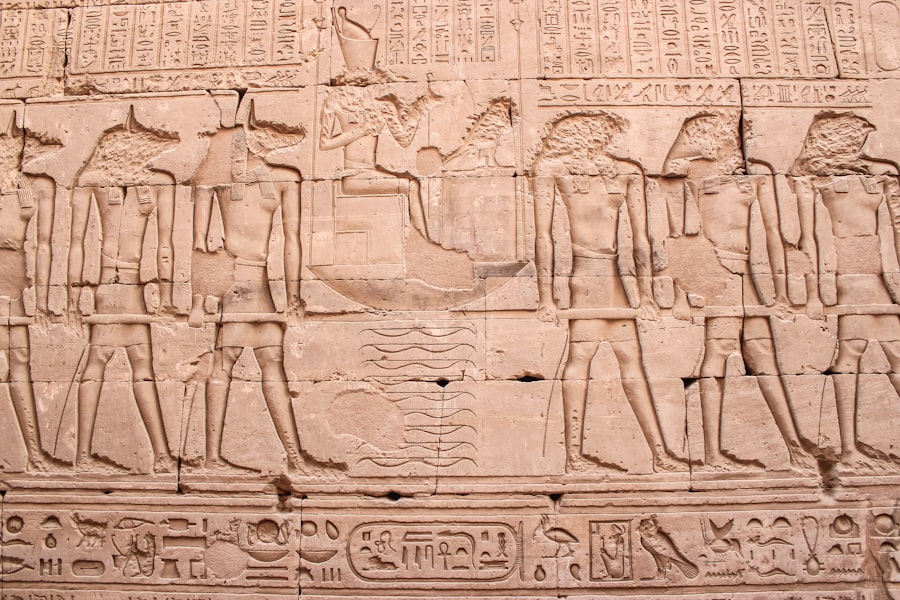
Beneath the tranquil azure waters of the Aegean Sea, a remarkable discovery has brought to light a submerged ancient city, a thriving maritime metropolis that once graced the shores of the Aegean. This lost civilization, swallowed by the sea centuries ago, is now being meticulously explored by marine archaeologists, revealing a wealth of information about Bronze Age seafaring, trade, and urban planning. The city’s well-preserved structures and the artifacts recovered are rewriting chapters of Aegean history, offering a tantalizing glimpse into a vibrant past.
Mapping the Underwater Metropolis
Using advanced sonar and underwater scanning technologies, archaeologists have charted the layout of the submerged city with astonishing precision. The sonar data has revealed the outlines of buildings, harbors, streets, and defensive walls, creating a detailed map of the ancient urban landscape. The sheer size and complexity of the city suggest it was a significant center of trade and power in the Bronze Age Aegean, a hub for maritime activities that facilitated the exchange of goods and ideas across the region.
The Intact Harbor and Infrastructure
The discovery of a remarkably intact harbor basin, complete with stone quays and evidence of mooring points, is a particularly significant finding. This infrastructure points to a sophisticated understanding of maritime engineering and highlights the city’s crucial role in ancient seafaring trade. The presence of multiple piers and sheltered areas suggests a thriving port capable of accommodating a large fleet, underscoring the economic importance of this lost city as a gateway for commerce and cultural exchange.
Unearthing Treasures from the Deep: Artifacts of Trade and Daily Life
The underwater excavations have yielded a treasure trove of artifacts that offer a vivid picture of life in this maritime civilization. Ceramic vessels, imported from various regions of the Mediterranean, speak to extensive trade networks and the city’s role in the exchange of goods. Bronze tools, weapons, and decorative objects showcase the metallurgical skills of its inhabitants and their connection to the wider Bronze Age world.
The Evidence of Vibrant Mercantile Activity
The abundance of amphorae, often used for the transport of wine, oil, and other commodities, is a clear indicator of vibrant mercantile activity. These vessels, found in large quantities both within the city and in its surrounding areas, provide direct evidence of the types of goods being traded and the scale of commercial operations. The analysis of residue within these amphorae can further shed light on the specific contents and origins of these ancient cargoes, offering invaluable data for economic historians.
Reconstructing the Cataclysm: Factors Leading to the City’s Submergence
The precise reasons for the city’s submersion remain a subject of intense investigation. Geological surveys and analysis of sediment layers are providing clues about potential seismic activity, rising sea levels, or coastal erosion that may have contributed to its demise. Understanding the cataclysm that befell this thriving metropolis is crucial for grasping the dynamic and often unpredictable forces that shaped ancient civilizations and their environments.
The Impact of Coastal Changes on Ancient Settlements
The submerged city serves as a stark reminder of the significant impact that coastal changes can have on human settlements over time. The study of such sites allows archaeologists to understand the long-term geological processes that have shaped coastlines and the ways in which ancient populations adapted to, or were overcome by, these environmental transformations. This knowledge is invaluable for understanding past human-environment interactions and has relevance for contemporary concerns about rising sea levels.
Recent advancements in ancient archaeology have shed light on the impact of climate on early civilizations, revealing how droughts influenced societal development. A fascinating article explores this topic in depth, discussing archaeological evidence that uncovers the relationship between ancient droughts and the rise and fall of various cultures. For more insights, you can read the full article here: unearthing ancient droughts. This research not only enhances our understanding of historical events but also provides valuable lessons for contemporary societies facing similar environmental challenges.
The Neolithic Sanctuary: Whispers of Early Human Spirituality
| Discovery | Location | Date |
|---|---|---|
| Tutankhamun’s Tomb | Valley of the Kings, Egypt | 1922 |
| Pompeii | Naples, Italy | 1748 |
| Terracotta Army | Xian, China | 1974 |
| Machu Picchu | Cusco Region, Peru | 1911 |
In a remote, windswept plateau, archaeologists have unearthed a significant Neolithic sanctuary, a sacred site that offers profound insights into the spiritual beliefs and ritual practices of some of Europe’s earliest settled communities. This meticulously constructed complex, dating back over 6,000 years, provides compelling evidence of organized religious activity and the development of complex belief systems long before the advent of recorded history. The discovery is challenging our understanding of early human cognitive abilities and their capacity for abstract thought and symbolic expression.
The Architectural Design of a Sacred Space
The sanctuary’s architectural design is remarkable. It comprises a series of carefully arranged stone structures, including megalithic chambers, altar-like platforms, and processional pathways. The sheer effort and planning involved in its construction suggest a significant communal undertaking, likely driven by shared spiritual beliefs or obligations. The layout of the site points to a deliberate and intentional creation of a sacred space, designed to facilitate ritual and communal gatherings.
The Alignment with Celestial Events
Evidence suggests that the sanctuary’s construction was meticulously aligned with significant celestial events, such as solstices and equinoxes. Astronomical observations and alignments are crucial for understanding the cosmological beliefs of ancient peoples and their relationship with the natural world. The meticulous planning required for these alignments indicates a sophisticated understanding of astronomy and a deep respect for the cycles of the sun, moon, and stars.
Unearthing Ritualistic Objects and Offerings
The excavations within the sanctuary have revealed a collection of artifacts that were likely used in religious ceremonies and as offerings to the divine. These include finely crafted stone tools, polished bone implements, and fragments of decorated pottery, often found in association with hearths or altars. The presence of grave goods, though often scant, also suggests beliefs about the afterlife and the role of the deceased within the spiritual realm.
The Significance of Animal and Human Remains
The discovery of both animal and, in some cases, human remains within the sanctuary provides crucial, albeit often somber, insights into the nature of the rituals performed. Animal bones, often bearing signs of butchery, suggest animal sacrifice as a component of worship. The presence of human remains, sometimes interred within the sanctuary’s structures, raises questions about ancestor veneration, burial practices, and the potential for ritualistic human sacrifice. The careful excavation and analysis of these remains are paramount for understanding the complexity and depth of these early spiritual traditions.
Understanding Early Human Interconnectedness and Beliefs
The Neolithic sanctuary offers a powerful testament to the early human desire for connection, both with each other and with the perceived divine. The communal effort required to build and maintain such a site speaks to the importance of shared beliefs and social cohesion in early settled communities. It suggests that spirituality was not merely an individual pursuit but a fundamental aspect of communal life, shaping social structures and daily practices.
The Evolution of Religious Thought and Practice
This discovery contributes significantly to our understanding of the evolution of religious thought and practice. It demonstrates that early humans possessed the capacity for abstract reasoning, symbolic representation, and the development of complex belief systems. By studying such sites, archaeologists can trace the lineage of human spirituality, observing how these early forms of worship laid the groundwork for the more elaborate religious traditions that would emerge in later civilizations. The sanctuary serves as a tangible link to the origins of human faith and a testament to the enduring human need for meaning and connection.

The Machine That Kept Angkor Alive
FAQs
What is ancient archaeology?
Ancient archaeology is the study of past human cultures through the excavation and analysis of material remains such as artifacts, architecture, and other physical evidence.
What are some significant ancient archaeology discoveries?
Some significant ancient archaeology discoveries include the Rosetta Stone, the Terracotta Army in China, the city of Pompeii, the tomb of King Tutankhamun in Egypt, and the ancient city of Machu Picchu in Peru.
How do archaeologists determine the age of ancient artifacts?
Archaeologists use a variety of methods to determine the age of ancient artifacts, including radiocarbon dating, dendrochronology (tree-ring dating), thermoluminescence dating, and stratigraphy (the study of rock layers).
What can ancient archaeology discoveries tell us about past civilizations?
Ancient archaeology discoveries can provide insights into the daily lives, customs, beliefs, and technological advancements of past civilizations. They can also help us understand how ancient societies interacted with their environment and other cultures.
Why is the study of ancient archaeology important?
The study of ancient archaeology is important because it helps us understand and appreciate the rich diversity of human history and culture. It also provides valuable information for reconstructing the past and informing our understanding of the present and future.