The flickering screen offered a portal, a dusty, sun-baked gateway into a civilization whispered about in the annals of history, but seldom truly seen. This was the promise of “Unearthing Cambodia: A Fascinating Archaeology Documentary,” a visually arresting and intellectually stimulating journey into the heart of the Khmer Empire and its enduring legacy. The documentary, with its meticulous research and evocative storytelling, did more than just present archaeological findings; it breathed life into ancient stones, pieced together fragmented narratives, and offered a profound understanding of a culture that shaped a significant swathe of Southeast Asia.
The opening sequences of “Unearthing Cambodia” plunge the viewer directly into the overwhelming scale of Angkor, the colossal capital of the Khmer Empire. The documentary masterfully employs drone footage, soaring over emerald jungle canopies that cradle the weathered sandstone bodies of temples. These aerial perspectives immediately convey the sheer ambition of a civilization that carved a metropolis out of the dense forests. The narrator, with a voice as rich and resonant as the temple carvings, introduces the concept of Angkor as not merely a collection of religious structures, but a living, breathing urban center, a testament to sophisticated urban planning and engineering.
The Waterways: Arteries of an Empire
One of the documentary’s most compelling revelations centers on the intricate network of canals, reservoirs, and barays that formed the lifeblood of Angkor. Far from being merely decorative, these monumental hydrological systems, like the spectacular West Baray, were the sophisticated arteries that sustained a population estimated to be in the millions. The filmmakers utilize CGI reconstructions, visualizing the flow of water and the ingenious methods employed for its storage and distribution. This section sheds light on how the Khmer mastered their environment, enabling agricultural surplus that fueled the empire’s growth and supported its monumental building projects. The documentary highlights the ecological understanding of the Khmer, demonstrating how they integrated their infrastructure with the natural landscape, a stark contrast to the often destructive approaches of later eras. It’s a powerful reminder that advanced civilization is not solely measured by skyscrapers, but by a harmonious and sustainable relationship with the earth.
Engineering Marvels: Beyond the Stone
The documentary delves into the specific engineering feats that made these water management systems possible. It explores the precision with which excavators and builders worked, creating vast reservoirs with gently sloping sides to manage water levels and prevent erosion. The scale of manual labor required is emphasized, underlining the immense organizational capacity of the Khmer rulers. The narrative poses questions about the leadership and social structures that could mobilize such a workforce, hinting at a highly structured and obedient society. The filmmakers also touch upon the potential impact of climate change and environmental shifts on the empire’s stability, suggesting that even the most advanced societies can be vulnerable to shifting natural forces.
The exploration of Cambodia’s rich archaeological heritage has garnered significant attention in recent years, shedding light on the ancient civilizations that once thrived in the region. For those interested in the broader implications of historical legacies on modern economies, a related article discusses the potential rise of Mexico as a new economic superpower, drawing parallels between historical influences and contemporary developments. You can read more about this intriguing topic in the article available at this link.
The Heart of Power: Angkor Wat and Bayon
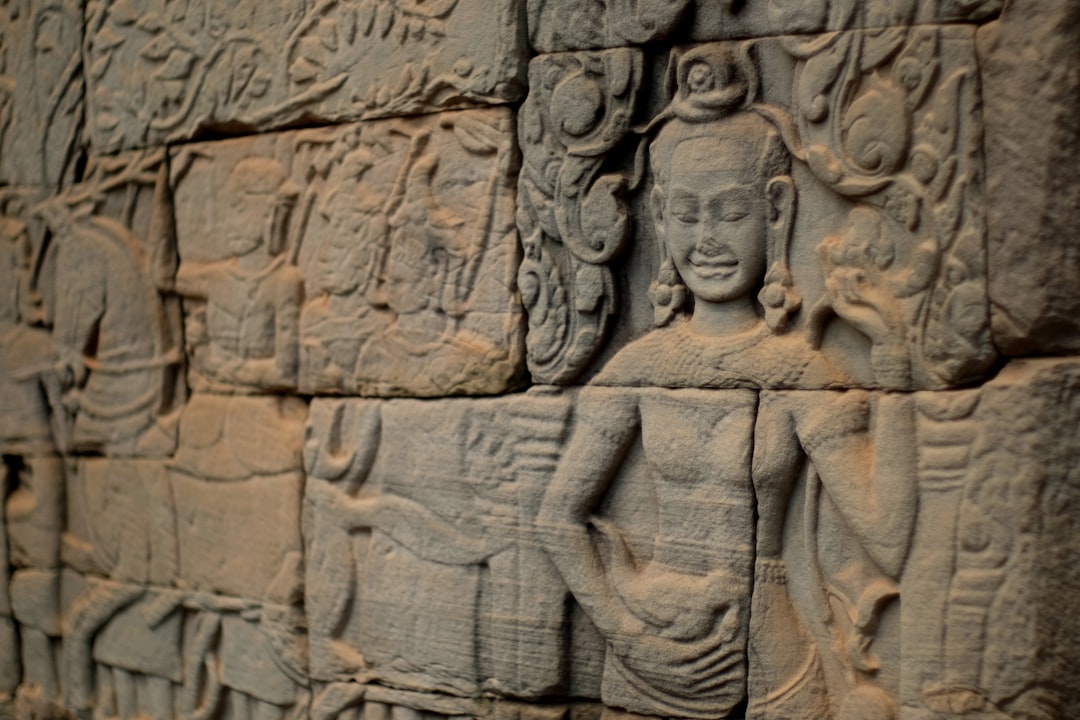
No exploration of Khmer archaeology would be complete without a detailed examination of Angkor Wat and the Bayon temple. “Unearthing Cambodia” dedicates significant screen time to these iconic structures, not just as tourist attractions, but as living testaments to the religious beliefs, political power, and artistic prowess of the Khmer people. The documentary moves beyond the surface splendor, employing detailed close-ups of the bas-reliefs, bringing to life the epic narratives and intricate daily scenes etched into the temple walls.
Angkor Wat: A Cosmic Blueprint
The exploration of Angkor Wat emphasizes its astronomical alignment and its function as a cosmological map in stone. Scholars and archaeologists featured in the documentary explain how the temple’s orientation and the placement of its various towers correspond to celestial bodies, reflecting a deep understanding of astronomy and a desire to replicate the divine order on earth. The sheer scale of Angkor Wat is awe-inspiring, and the documentary emphasizes that it was built not as a city, but as a massive temple complex and tomb for King Suryavarman II. The analysis of its construction, from the quarrying of sandstone blocks to their transportation and precise placement, is illuminated. The documentary avoids sensationalism, instead focusing on the methodical and painstaking work that went into its creation. The viewers are left with a profound appreciation for the spiritual and intellectual drivers behind such monumental endeavors.
Bayon: The Faces of Serenity and Power
The Bayon temple, with its enigmatic colossal faces, offers a different kind of intrigue. “Unearthing Cambodia” explores the various interpretations of these serene, yet powerful visages. Are they divine beings, representations of the king himself, or a combination of both? The documentary presents differing scholarly opinions, fostering a sense of ongoing discovery and the inherent ambiguity of archaeological interpretation. The sheer number of these faces, staring out from every tower, creates an unforgettable impression, and the filmmakers capture this haunting effect with stunning clarity. The documentary explores the transition in Khmer art and architecture from the more classical style of Angkor Wat to the unique and complex aesthetic of Bayon, suggesting a shift in religious thought and political ideology.
Beyond the Monuments: Daily Life and Society
While the grand temples rightfully command attention, “Unearthing Cambodia” is also commendable for its efforts to reconstruct the lives of the ordinary people who powered this extraordinary empire. The documentary moves beyond the stone edifices to explore the evidence of everyday existence.
Excavating the Everyday: Pottery, Tools, and Homes
Archaeological digs at sites surrounding the main temple complexes have unearthed a wealth of artifacts that paint a picture of daily life. The documentary showcases findings such as pottery fragments bearing intricate designs, tools used for agriculture and craft, and the remains of residential structures. These seemingly mundane objects become extraordinary when viewed as windows into the routines, diets, and social interactions of ancient Cambodians. The filmmakers highlight how these discoveries challenge the perception of the Khmer solely as temple builders, emphasizing their multifaceted society with skilled artisans, farmers, and merchants. The documentary stresses the importance of these smaller-scale excavations in providing a more holistic understanding of the past.
Social Stratification and Belief Systems
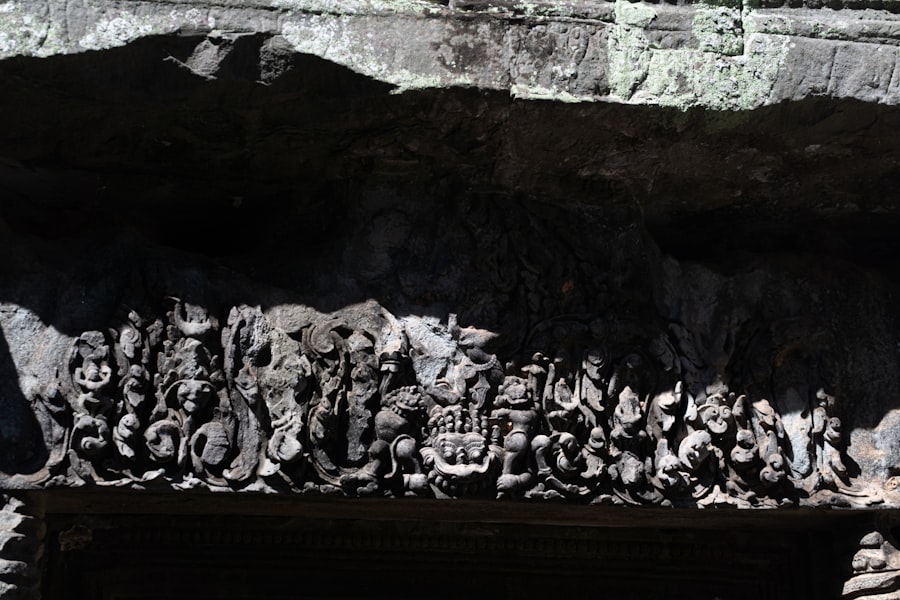
The distribution of wealth and the evidence of social hierarchies are also explored. The contrast between the immense grandeur of the temples and the more modest dwellings of the populace raises questions about social stratification. The documentary also delves into the syncretic nature of Khmer religion, which blended Hinduism and Buddhism with indigenous animistic beliefs. The iconography found in temples, the depictions of deities and mythical creatures, are analyzed to reveal a complex spiritual landscape that guided the lives of the people. The documentary underscores that religion was not a detached practice, but a fundamental part of the social and political fabric.
The Fall and the Rediscovery: A Cycle of Rise and Ruin
The documentary doesn’t shy away from the eventual decline of the Khmer Empire. It explores the various theories surrounding its collapse, from environmental degradation and resource depletion to external invasions and internal strife. This section of “Unearthing Cambodia” offers a poignant reminder of the impermanence of even the greatest civilizations.
Environmental Exhaustion: A Theory of Decline
A significant portion of the discussion surrounding the fall of Angkor focuses on the potential impact of environmental factors. The documentary presents the hypothesis that the empire’s reliance on intensive rice cultivation, while initially enabling its success, may have ultimately led to soil exhaustion and deforestation. The intricate water management systems, while a testament to their ingenuity, may have also been susceptible to environmental shifts, leading to periods of drought or flooding that crippled agricultural production. This exploration serves as a powerful cautionary tale, resonating with contemporary concerns about sustainability and climate change.
External Pressures and Internal Conflicts
The documentary also considers the role of external aggressions, particularly from neighboring Siamese kingdoms, in the decline of Khmer power. Evidence of warfare and destruction is presented, suggesting that the empire faced significant external threats. Furthermore, internal power struggles and the potential for social unrest are explored as contributing factors. The narrative highlights the complex interplay of forces that can lead to the downfall of even the most formidable empires, emphasizing that collapse is rarely attributable to a single cause.
The French and the Reawakening of Angkor
“Unearthing Cambodia” dedicates a segment to the period of French colonial rule and the subsequent “rediscovery” of Angkor by Western explorers. While acknowledging the historical significance of this period, the documentary also treads carefully, presenting a nuanced perspective. It acknowledges the role of French archaeologists in documenting and preserving the ruins but also implicitly questions the notion of “discovery” in relation to sites that were never truly lost to the Khmer people themselves. The emphasis shifts to the painstaking work of restoration and the integration of scientific archaeological methods with the ongoing cultural importance of these sites for modern Cambodia.
The recent documentary on Cambodia’s archaeology sheds light on the ancient Khmer civilization and its remarkable achievements, revealing how these historical treasures continue to captivate researchers and enthusiasts alike. For those interested in exploring further connections between ancient maps and historical narratives, a fascinating article discusses the US military’s confirmation of the authenticity of the Piri Reis map, which offers insights into early cartography and its implications for understanding ancient cultures. You can read more about it in this related article.
Echoes in the Present: Cambodia’s Enduring Heritage
The final act of “Unearthing Cambodia” brings the narrative into the present day, exploring the enduring impact of the Khmer Empire on modern Cambodian identity and culture. The documentary moves beyond the dusty ruins to connect the past with the living heritage of the Cambodian people.
Cultural Continuity and Resilience
The filmmakers emphasize the resilience of Khmer culture, demonstrating how the legacy of Angkor continues to shape the nation’s art, dance, music, and language. The documentary showcases contemporary Cambodian artists and performers who draw inspiration from the ancient traditions, ensuring that these echoes of the past continue to resonate. There is a palpable sense of pride and connection that the Cambodian people feel towards their ancestral heritage, a testament to the enduring power of history.
A Legacy for the Future: Preservation and Understanding
The documentary concludes with a call for continued preservation and understanding of Cambodia’s archaeological treasures. It highlights the challenges faced by modern Cambodia in protecting these invaluable sites from the ravages of time, development, and illicit trade. The film underscores the importance of archaeological research not just for academic curiosity, but for fostering cultural tourism, economic development, and a deeper sense of national identity. “Unearthing Cambodia” leaves the viewer with a profound sense of awe for the achievements of the Khmer Empire and a renewed appreciation for the vital work of archaeologists who continue to bring its stories to light. It is a compelling testament to the fact that beneath the shifting sands of time, the past continues to speak, if we are only willing to listen.

The Machine That Kept Angkor Alive
FAQs
What is the Cambodia archaeology documentary about?
The Cambodia archaeology documentary explores the rich history and cultural heritage of Cambodia through the lens of archaeological discoveries and research.
Who is the target audience for the Cambodia archaeology documentary?
The documentary is aimed at anyone with an interest in history, archaeology, and ancient civilizations, as well as those who are curious about Cambodia’s past and its impact on the present.
What are some of the key archaeological findings featured in the documentary?
The documentary showcases significant archaeological findings such as ancient temples, artifacts, and evidence of early civilizations in Cambodia, shedding light on the country’s historical significance.
Who are the experts and researchers involved in the Cambodia archaeology documentary?
The documentary features interviews and insights from leading archaeologists, historians, and researchers who have dedicated their careers to studying Cambodia’s archaeological heritage.
Where can viewers watch the Cambodia archaeology documentary?
The documentary may be available for viewing on streaming platforms, through educational institutions, or at special screenings and events related to archaeology and history. Viewers can check local listings or online sources for more information on how to access the documentary.