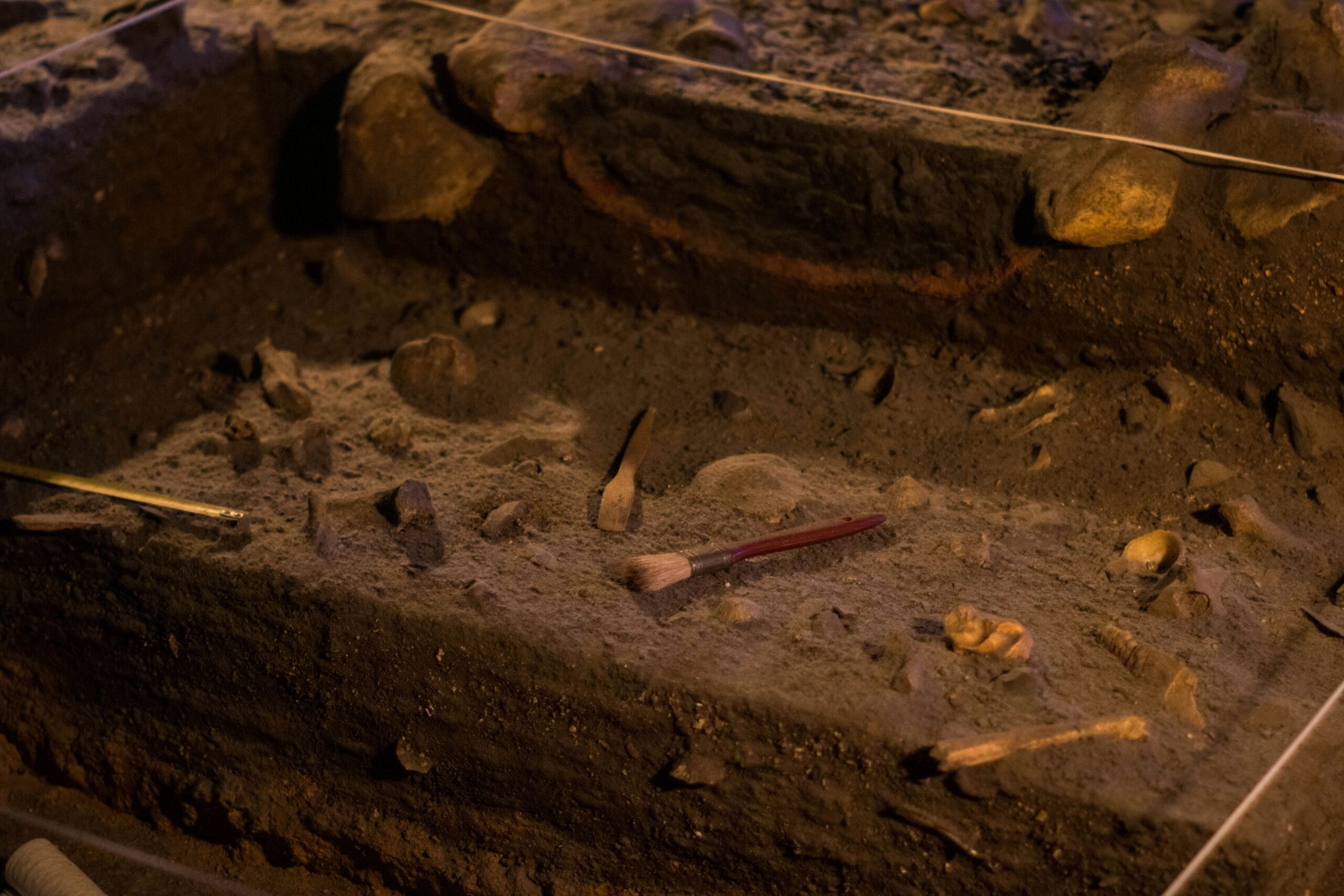
The thrill of the dig has captivated humanity for centuries. From the opulent treasures of Tutankhamun’s tomb to the enigmatic stones of Stonehenge, archaeological discoveries offer a profound connection to our past, shedding light on the lives, beliefs, and innovations of those who came before us. This article delves into the captivating world of unearthing great archaeological discoveries, exploring the methods, motivations, and enduring impact of these remarkable finds. It will journey through iconic sites, examine the scientific advancements that have revolutionized fieldwork, and contemplate the ethical considerations that accompany the unearthing of human history.
The fascination with the remnants of antiquity is not a modern phenomenon. For millennia, people have stumbled upon and sought out ancient artifacts and structures. However, it was during the Renaissance and the subsequent Age of Enlightenment that a more systematic, albeit often driven by treasure hunting, approach began to emerge.
The Grand Tour and the Rediscovery of Classical Civilizations
The 18th century saw the rise of the Grand Tour, a rite of passage for wealthy young Europeans. This extended journey across the continent often included visits to the ruins of ancient Rome and Greece. While primarily an educational and cultural pursuit, it fueled a growing interest in classical antiquity and led to the excavation of sites like Pompeii and Herculaneum, tragically preserved by the eruption of Mount Vesuvius.
Pompeii and Herculaneum: Frozen in Time
The rediscovery of these Roman cities in the mid-18th century was nothing short of astonishing. Buried under volcanic ash and mud, they provided an unparalleled glimpse into daily Roman life. Excavations revealed remarkably preserved buildings, frescoes, mosaics, and even the poignant plaster casts of victims, offering a vivid and macabre tableau of a civilization abruptly halted. These sites, more than any other at the time, demonstrated the potential of archaeology to bring the past vividly to life.
The Elgin Marbles: A Controversial Legacy
Another significant, though highly controversial, discovery of this era involved the Parthenon Marbles, famously removed from Athens by Lord Elgin. While their presence in the British Museum has sparked ongoing debate about repatriation, their sheer artistic and historical significance cannot be understated. These sculptures represent a pinnacle of classical Greek art and continue to inform our understanding of Athenian culture and artistic expression.
The Quest for Lost Cities and Empires
The 19th century witnessed an intensified search for legendary lost cities and the grand capitals of ancient empires. Driven by accounts from classical historians and biblical narratives, explorers and archaeologists embarked on daring expeditions into often remote and challenging terrains.
Heinrich Schliemann and the Troy Controversy
The self-proclaimed discoverer of Troy, Heinrich Schliemann, epitomizes the romantic and sometimes reckless approach of early archaeology. Armed with a fervent belief in Homer’s epics, he excavated Hisarlik in modern-day Turkey, unearthing layers of settlement that he confidently identified as Homeric Troy. While his methods were often destructive and his interpretations debatable, he undeniably brought attention to the potential for uncovering Bronze Age civilizations in the Aegean.
Flinders Petrie and the Foundations of Egyptology
In Egypt, Sir Flinders Petrie is credited with establishing more systematic and scientific methods of excavation. He pioneered the use of stratigraphy – the study of rock and soil layers – to date archaeological finds, moving away from the treasure-hunting mentality. His work at sites like Naukratis and Abydos laid the groundwork for modern Egyptology and revealed the depth and complexity of ancient Egyptian civilization.
One of the most fascinating aspects of archaeology is how it sheds light on the rise and fall of civilizations. A related article that delves into the complexities of governance and societal structures is titled “The Rise of Failed Government States.” This piece explores how political instability can influence archaeological findings and our understanding of ancient cultures. To read more about this intriguing connection, visit the article here: The Rise of Failed Government States.
The Golden Age of Discovery: Iconic Finds and Scientific Advancements
The late 19th and early 20th centuries marked a “golden age” of archaeological discovery, characterized by some of the most iconic finds in history and the increasing application of scientific techniques.
Howard Carter and the Tomb of Tutankhamun
Perhaps the most famous archaeological discovery of all time, the unearthing of Tutankhamun’s tomb in 1922 by Howard Carter, remains a touchstone for public fascination with ancient Egypt. Fueled by the patronage of Lord Carnarvon, Carter’s meticulous and patient excavation of theKV62 tomb in the Valley of the Kings revealed an almost perfectly preserved burial chamber filled with an astonishing array of treasures.
The Sensational Treasures of the Boy King
The sheer opulence and craftsmanship of the artifacts, from the iconic golden death mask to the intricate sarcophagi and everyday objects, provided an unparalleled insight into the wealth and artistry of the New Kingdom pharaohs. The discovery captured the global imagination, sparking a craze for all things Egyptian and cementing Tutankhamun’s place as a symbol of ancient royalty and mystery.
The Curse of the Pharaohs: Myth vs. Reality
The sensationalism surrounding the discovery was amplified by the so-called “Curse of the Pharaohs,” a media-driven narrative fueled by the convenient deaths of a few individuals connected to the excavation, most notably Lord Carnarvon. While modern analysis has debunked any supernatural explanations, the legend persists, adding another layer of intrigue to this monumental discovery.
Arthur Evans and the Palace of Knossos
On the island of Crete, Sir Arthur Evans embarked on a monumental excavation at Knossos that unearthed the Bronze Age Minoan civilization. His work, spanning several decades in the early 20th century, revealed a vast and sophisticated palace complex, complete with intricate plumbing systems, vibrant frescoes, and a unique Linear A and Linear B script.
The Minoan Civilization: A Bronze Age Powerhouse
Evans’s discoveries challenged prevailing notions of early Aegean history, revealing a powerful and advanced civilization that predated the Mycenaeans. The Minoans, with their elaborate artwork, maritime trade, and apparent focus on a goddess rather than a patriarchal pantheon, presented a distinct and enigmatic cultural entity. The decipherment of Linear B by Michael Ventris in the 1950s provided crucial links to early Greek, further solidifying the importance of Evans’s work.
The Terra Cotta Army: China’s Silent Guardians
In 1974, villagers digging a well near Xi’an, China, stumbled upon something extraordinary: thousands of life-sized terra cotta warriors, horses, and chariots, buried to guard the tomb of Qin Shi Huang, the first emperor of China. This discovery, hailed as one of the most significant archaeological finds of the 20th century, offered a breathtaking glimpse into the military might and imperial ambitions of the Qin Dynasty.
A Terracotta Legion of the Afterlife
The sheer scale and detail of the terra cotta army are awe-inspiring. Each warrior is unique, with distinct facial features, hairstyles, and armor, suggesting a remarkable level of craftsmanship and individuality. The discovery not only provided immense insight into Qin military organization and technology but also revolutionized our understanding of ancient Chinese art and funerary practices. The ongoing excavations continue to reveal more about this extraordinary subterranean world.
Revolutionizing the Field: Modern Technologies and Methodologies
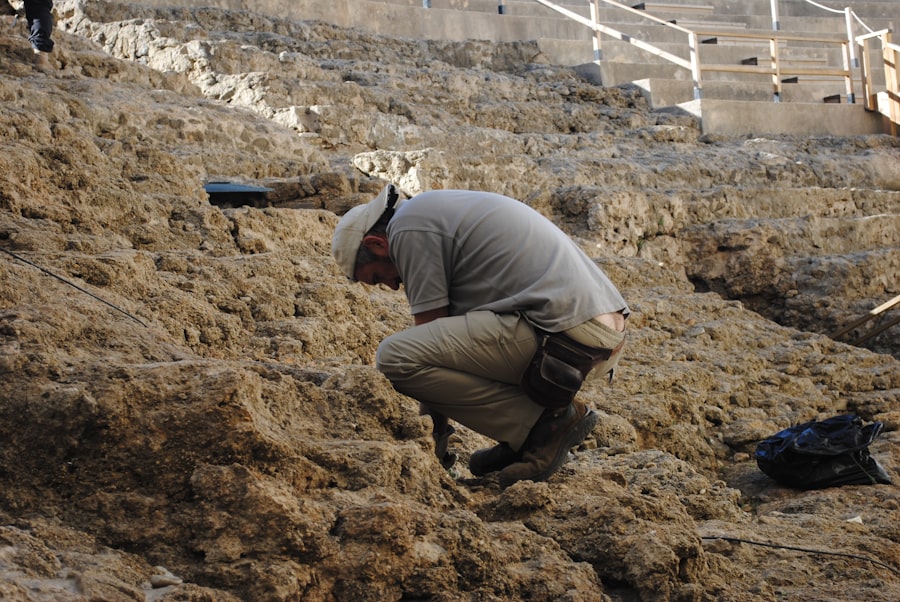
The image of archaeologists as dusty explorers with brushes and trowels is a romanticized one, but the reality of modern archaeology is deeply intertwined with cutting-edge technology and rigorous scientific methodology. These advancements have transformed the way sites are discovered, excavated, and analyzed.
Geophysical Survey and Remote Sensing: Seeing Beneath the Surface
Before a single shovel even breaks ground, modern archaeologists employ a suite of non-invasive techniques to identify potential sites and understand their subsurface structures. Geophysical surveys utilize various methods to detect anomalies in the ground that might indicate buried structures, artifacts, or even skeletons.
Ground Penetrating Radar (GPR): Mapping Subterranean Features
GPR uses radar pulses to image the subsurface. By measuring the time it takes for the radar to bounce back from different layers or objects, archaeologists can create detailed maps of buried features without disturbing the ground. This is invaluable for identifying walls, hearths, burials, and even ancient road networks.
Magnetometry: Detecting Magnetic Variations
Magnetometry measures variations in the Earth’s magnetic field. Buried features like kilns, hearths, or even ditches filled with different soil can create magnetic anomalies that are detectable by magnetometers, helping to pinpoint areas of interest.
Aerial and Satellite Imagery: Identifying Landscape Patterns
High-resolution aerial and satellite imagery, often with the aid of multispectral or thermal sensors, can reveal subtle patterns in the landscape that might indicate the presence of ancient settlements or agricultural systems. Crop marks, soil discoloration, and subtle variations in ground texture can all be indicators of buried archaeological features.
DNA Analysis and Isotope Studies: Unlocking Biological and Social Histories
The application of molecular biology and geochemistry to archaeological remains has opened up entirely new avenues of inquiry, allowing us to understand the biological past and the social dynamics of ancient populations.
Ancient DNA (aDNA): Tracing Migrations and Relationships
The extraction and analysis of ancient DNA from human and animal remains can provide unprecedented insights into population movements, migration patterns, kinship relationships, and even the domestication of plants and animals. aDNA studies have reshaped our understanding of human prehistory, revealing complex interactions and migrations that were previously unknown.
Stable Isotope Analysis: Diet, Health, and Mobility
Analyzing the stable isotopes of elements like carbon, nitrogen, and oxygen in human bones and teeth can reveal information about an individual’s diet, geographical origin, and even their health status throughout their life. This technique allows archaeologists to reconstruct ancient diets, track migration patterns, and understand the impact of environmental changes on human populations.
Radiocarbon Dating and Luminescence Dating: Refining Chronological Frameworks
Precise dating is crucial for establishing chronological frameworks and understanding the sequence of events at archaeological sites. While early dating methods were often imprecise, modern techniques have significantly refined our ability to date ancient materials.
Radiocarbon Dating (¹⁴C): The Gold Standard for Organic Materials
Radiocarbon dating, which measures the decay of the radioactive isotope carbon-14, remains a cornerstone of archaeological dating for organic materials (bones, wood, charcoal, textiles) up to around 50,000 years old. Advances in accelerator mass spectrometry (AMS) allow for the dating of much smaller samples with greater accuracy.
Luminescence Dating (OSL & TL): Dating Sediments and Pottery
Optical Stimulated Luminescence (OSL) and Thermoluminescence (TL) dating can be used to date sediments and pottery, respectively. These methods measure the last time minerals were exposed to sunlight (OSL) or heated (TL). This allows for the dating of archaeological contexts where organic materials are scarce, providing crucial chronological anchors.
Ethical Considerations and the Future of Archaeological Discovery
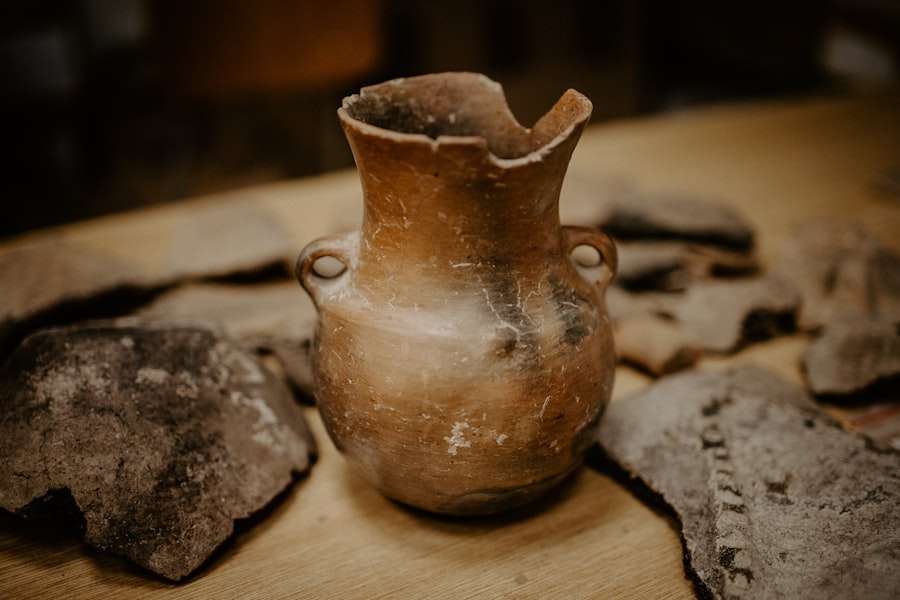
As archaeology has evolved from a pursuit of treasure to a scientific discipline, so too have the ethical considerations surrounding its practice. The responsible stewardship of cultural heritage and the respectful treatment of human remains are paramount.
Repatriation and the Ownership of Antiquities
The question of who owns ancient artifacts, particularly those unearthed during colonial periods or from contested territories, has become a major ethical and political debate. The ongoing discussions surrounding the repatriation of cultural heritage from museums to their countries of origin highlight the need for a more equitable and collaborative approach to the management of shared human history.
The Elgin Marbles and Beyond: A Global Dialogue
The debate over the Parthenon Marbles is perhaps the most prominent example, but similar discussions are ongoing regarding numerous artifacts held in Western museums. These dialogues are fostering a greater awareness of the importance of cultural context and the rights of descendant communities.
Collaborative Archaeology: Partnerships with Local Communities
Modern archaeological practice increasingly emphasizes collaboration with local communities and indigenous groups. This involves not only their participation in fieldwork but also their involvement in the interpretation and management of their heritage, ensuring that discoveries are made and shared in a way that respects their cultural traditions and aspirations.
The Ethics of Excavating Human Remains
The excavation of human remains presents a complex ethical landscape. While skeletal remains provide invaluable insights into past lives and health, their disturbance must be approached with the utmost sensitivity and respect.
Respectful Excavation and Reburial Practices
Archaeological protocols for excavating human remains are now guided by strict ethical guidelines that prioritize minimizing disturbance, ensuring proper documentation, and implementing respectful reburial practices. In many cases, consultation with descendant communities is essential.
The Importance of Bioarchaeology: Learning from the Dead
Bioarchaeology, the study of human remains from archaeological contexts, offers a unique window into the lives, health, and social behaviors of past populations. Ethical considerations ensure that this scientific pursuit is conducted in a manner that honors the individuals whose remains are being studied.
The Digital Age and Virtual Excavations: New Frontiers
The digital revolution is profoundly impacting archaeology, offering new ways to document, analyze, and disseminate archaeological information. The virtual excavation is becoming an increasingly important tool.
3D Modeling and Digital Reconstruction: Bringing the Past to Life Virtually
Advanced 3D scanning and modeling techniques allow archaeologists to create highly detailed digital reconstructions of sites, artifacts, and even entire ancient environments. These virtual models can be used for research, education, and public outreach, allowing people to experience the past in immersive ways.
Big Data and Artificial Intelligence: Unlocking New Insights
The ever-increasing volume of archaeological data, from survey records to artifact databases, presents opportunities and challenges. Big data analytics and artificial intelligence (AI) are being explored to identify patterns, make predictions, and unlock new insights from these vast datasets.
Recent great archaeological discoveries have shed light on ancient civilizations and their interactions with the environment. One fascinating aspect of this is how coastal erosion can threaten these historical sites, potentially leading to the loss of invaluable artifacts and knowledge. For a deeper understanding of this issue, you can read about the impact of coastal erosion on shoreline stability in this insightful article. To explore this topic further, check out the article on coastal erosion.
The Enduring Significance of Archaeological Discoveries
| Discovery | Location | Date |
|---|---|---|
| Tutankhamun’s Tomb | Valley of the Kings, Egypt | 1922 |
| Terracotta Army | Xian, China | 1974 |
| Rosetta Stone | Rosetta, Egypt | 1799 |
| Machu Picchu | Cusco Region, Peru | 1911 |
The relentless pursuit of archaeological discoveries is more than just an academic endeavor; it is a fundamental human impulse to understand our origins, our ancestors, and the trajectory of our civilization. Each unearthed artifact, each deciphered inscription, adds another piece to the intricate puzzle of human history.
Fulfilling Our Innate Curiosity: The Human Story Unfolds
At its core, archaeology satisfies our deepest curiosity about who we are and where we come from. The stories unearthed from the earth resonate with us on a profound level, reminding us of our shared humanity and the enduring legacy of our ancestors.
Informing the Present and Shaping the Future: Lessons from the Past
The lessons learned from archaeological discoveries are not confined to dusty textbooks. They inform our understanding of societal collapse, technological innovation, environmental adaptation, and the long-term consequences of human actions. By studying the successes and failures of past civilizations, we gain invaluable perspectives that can help us navigate the challenges of the present and shape a more sustainable future.
Preserving Heritage for Future Generations: A Collective Responsibility
The ongoing work of archaeologists is a vital act of preservation. Each successfully excavated and documented site, each protected artifact, is a contribution to the collective memory of humanity, ensuring that the stories of our past are not lost to the sands of time but are instead passed on to enlighten and inspire future generations. The thrill of unearthing great archaeological discoveries continues to drive this vital pursuit, connecting us to the vast tapestry of human experience.

When the Ice Age Ended… Everything Changed
FAQs
What are some of the greatest archaeological discoveries in history?
Some of the greatest archaeological discoveries in history include the tomb of King Tutankhamun in Egypt, the Terracotta Army in China, the Rosetta Stone in Egypt, the Dead Sea Scrolls in Israel, and the city of Pompeii in Italy.
How do archaeological discoveries contribute to our understanding of history?
Archaeological discoveries contribute to our understanding of history by providing physical evidence of past civilizations, cultures, and events. They help to fill in gaps in historical records and provide insights into how people lived, worked, and interacted in the past.
What are some recent significant archaeological discoveries?
Some recent significant archaeological discoveries include the ancient city of Caral in Peru, the tomb of an elite Wari woman in Peru, a 3,000-year-old underwater castle in Turkey, a 2,000-year-old pet cemetery in Egypt, and a 1,500-year-old church in the UAE.
How do archaeologists determine the age of archaeological discoveries?
Archaeologists determine the age of archaeological discoveries through various methods, including carbon dating, dendrochronology (tree-ring dating), thermoluminescence dating, and stratigraphy. These methods help to establish the chronological timeline of artifacts and sites.
What are some challenges faced by archaeologists in conducting excavations and preserving discoveries?
Some challenges faced by archaeologists in conducting excavations and preserving discoveries include securing funding for research and conservation efforts, navigating complex legal and ethical issues related to excavation and ownership of artifacts, and protecting sites from looting, vandalism, and natural degradation.